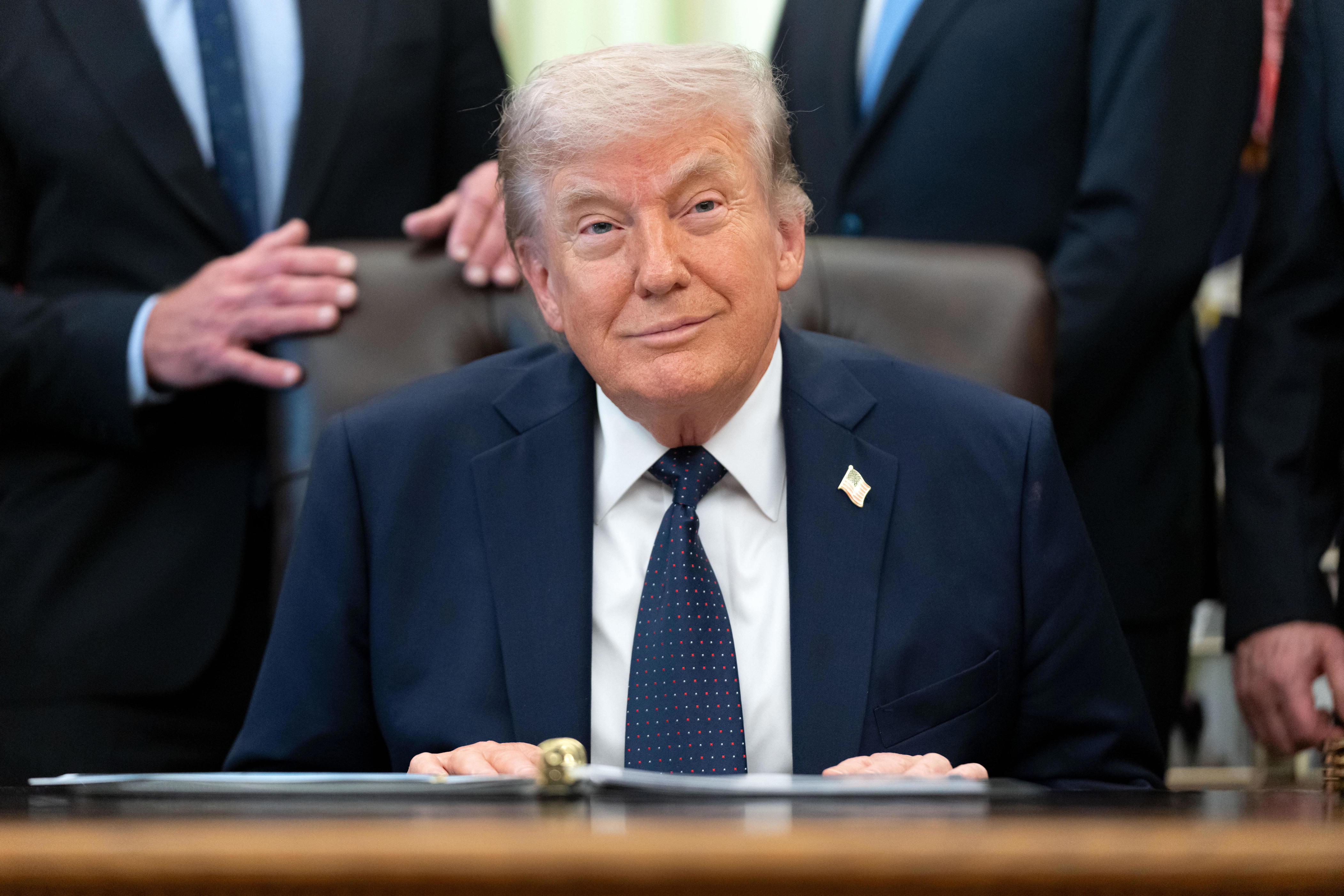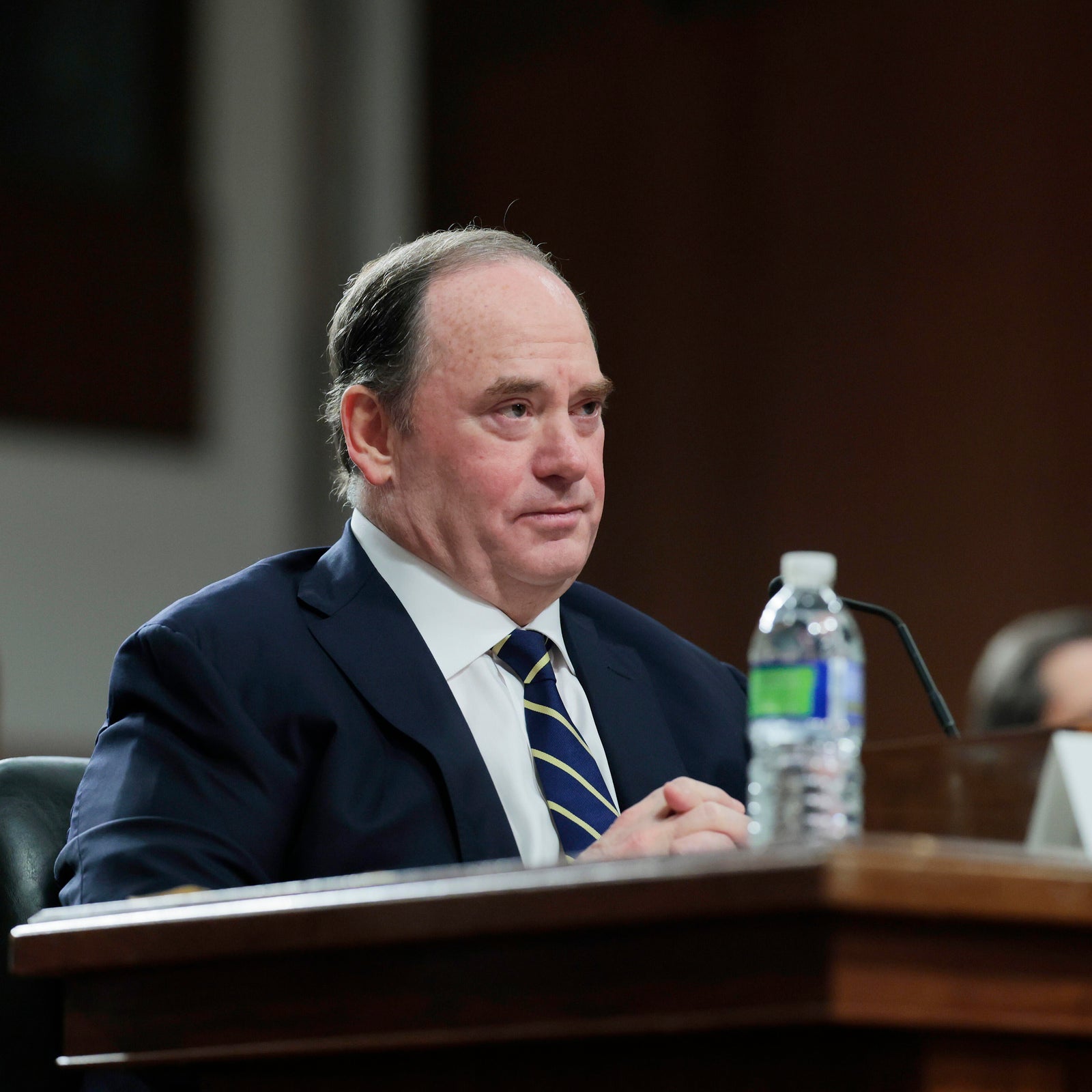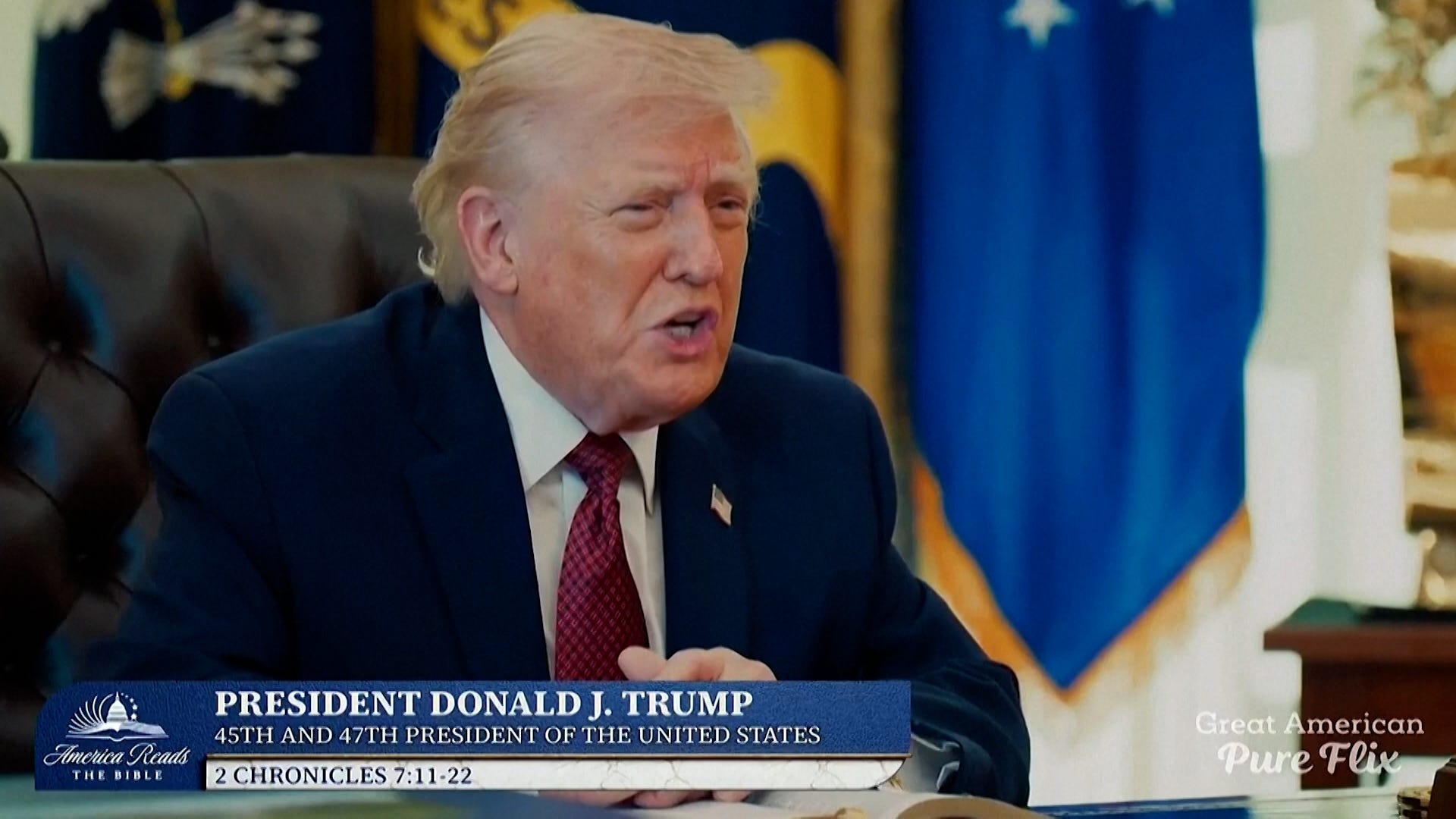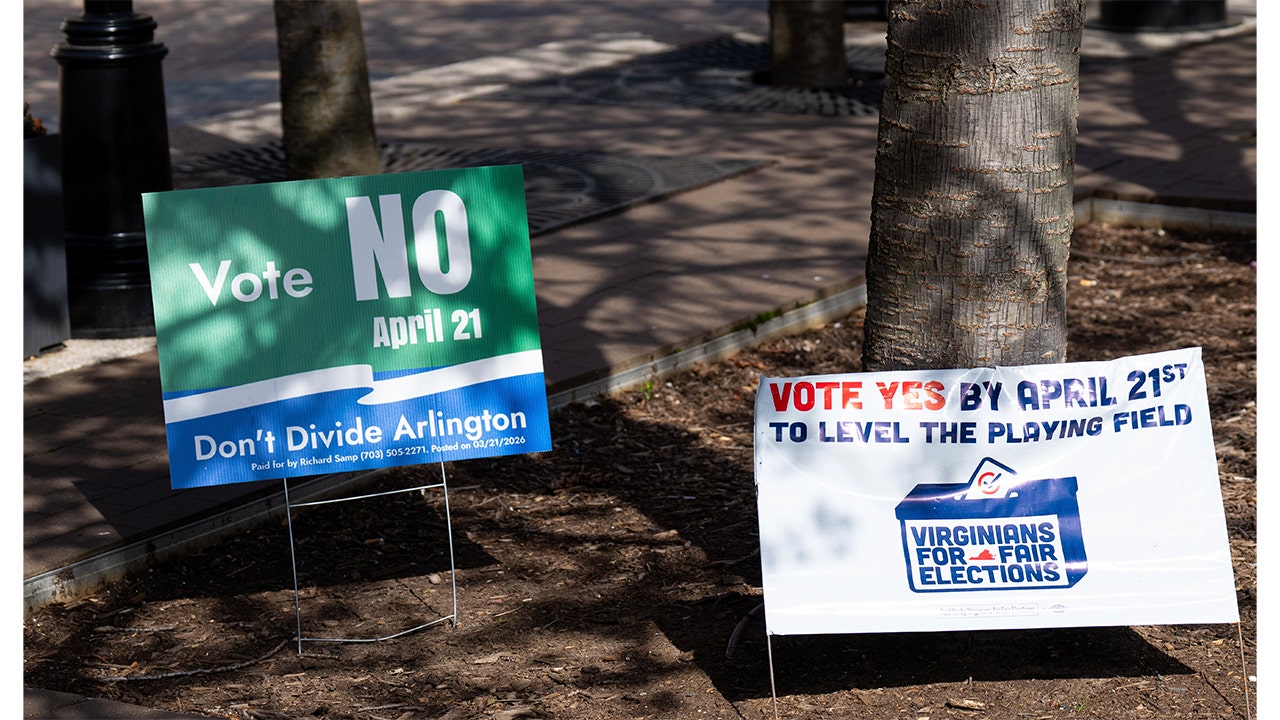
It’s all but a mathematical certainty that Democrats will take the House in November’s midterms. And with Donald Trump’s polling numbers perilously low and dropping steadily, an even bigger potential prize has come into focus for Democrats: the U.S. Senate, with its constitutional power to confirm (or block) appointments to the Justice Department and Supreme Court. Trump has seemingly accepted this new reality and begun to act accordingly.
,Recent history and present measurables tell us Democrats are primed to seize majority control of the House. The current margin is slim: 219 Republicans, 213 Democrats, 1 independent, and 4 vacancies. Trump currently holds subterranean approval ratings, and Democrats consistently lead Republicans by about 5 to 6 percentage points in polling on a generic ballot. And with Virginia’s adoption this week of a heavily gerrymandered redistricting scheme, Democrats hold a slight nationwide electoral advantage among all states that have recently rejiggered their maps for the upcoming House midterms. A Democratic gain of just five seats — which would be the smallest in over two decades for an opposition party — would ensure a majority.
,That’ll be a big deal, of course. A Democratic-controlled House can block Trump’s legislative initiatives. House Democrats will surely hold hearings and issue subpoenas (including, perhaps, to the president himself) on everything from the Epstein files to war powers. And in theory, a majority-Democratic House can impeach Trump for his most extreme abuses of power — notwithstanding potential squeamishness after two prior failed impeachments and the practical near impossibility of a two-thirds majority to convict in the Senate.
,Control of the Senate is where things get really interesting, though. Prediction markets are deeply imperfect but also probative of broad trends, and they have taken a drastic turn in recent weeks. Throughout 2025 and early 2026, both Polymarket and Kalshi had Republicans comfortably favored to hold the Senate by likelihoods running from 70 to 80 percent. But suddenly in mid-March, shortly after Trump careered into war with Iran, the odds flipped. Both leading markets now have Democrats slightly favored (at about a 55 percent likelihood) to take control of this chamber as well.
,Indeed, Trump seems attuned to a potentially catastrophic loss of the upper house of Congress. In March and April, Trump abruptly fired, in quick succession, two fiercely loyal (if preposterously inept) partisans: DHS Secretary Kristi Noem and Attorney General Pam Bondi. Both deserved to go, but this was a quick trigger even for Trump. Consider that, during his first term, Trump mercilessly flayed AG Jeff Sessions in public — calling him “scared stiff and missing in action,” “beleaguered,” and “DISGRACEFUL!” — but nonetheless left him in place until after the 2018 midterms.
,Why now? The president can still get his replacement nominees confirmed. Markwayne Mullin breezed through the Senate in April on a party-line (plus one Democrat) vote to succeed Noem at DHS. But if the Senate flips to Democratic control in January, Trump will have a miserable time getting nominees approved.
,Another key DoJ official may get the early hook next. The Atlantic reported that, regardless of the statutory ten-year term for an FBI director, Trump has grown sick of Kash Patel’s tipsy diva tactics and recently considered firing him. Patel, in turn, has reportedly grown “deeply concerned” about his job security, apparently for good reason. (This week, Patel filed a defamation lawsuit against The Atlantic, which has vigorously defended its reporting.)
,As with Bondi, if Trump dumps Patel now, he can install a new FBI director relatively smoothly while Republicans maintain their 53-47 hold on the Senate. If Democrats win a majority, though, they would certainly block any candidate remotely as unqualified and partisan as Patel.
,Of course, the Supreme Court poses the highest stakes of all. The two oldest justices are Trump’s most reliable stalwarts, Clarence Thomas, 77, and Samuel Alito, 76. CBS News reports that neither plans to retire in 2026, but that hasn’t stopped Trump from cajoling them to step aside.
,Last week, the president dispensed with the subtleties that typically accompany back-channel surrogate campaigns to try to persuade justices to retire while an ideologically aligned president holds office, and he said it all out loud. “I think he is one of the great justices of all time,” Trump proclaimed of Alito on Fox Business. Plainly in anticipation of nominating a far younger replacement, he added, “It’d be nice to say, ‘Now I have somebody for 40 years.” Trump provocatively referenced Justice Ruth Bader Ginsburg, who declined to retire during Barack Obama’s presidency and died while in office at the end of Trump’s first term, enabling Trump to nominate Amy Coney Barrett in her place.
,Trump reportedly has developed a shortlist of candidates in their 40s and 50s to replace Thomas or Scalia. If either were to step down now or over the summer, Trump could assuredly get their replacements confirmed quickly in the Senate. Barrett, for example, went from nomination to confirmation in just 27 days in 2020, with Trump in the White House and Republicans controlling the Senate.
,But if either Justice waits until after the midterms to retire and Democrats take the Senate, the path to replacement gets much more uncertain. Could Democrats stonewall for the better part of two years? After getting burned so badly by Republican senator Mitch McConnell — who blocked Obama’s nomination of Merrick Garland without a floor vote for 11 months in 2016, essentially holding that seat open for Trump’s pick, Neil Gorsuch, in 2017 — don’t be surprised if Democrats take just as hard a line against any post-midterm Trump nominee.
,Viewed in one light, Trump’s recent conduct bears his hallmark tendencies toward impulsivity and emotionality. But it also seems to reflect the rational realization that the president’s ability to install key appointees in his own Cabinet for the next few years, and on the Supreme Court for decades to come, is in jeopardy. Trump is breaking some of his own china now, and this may be his last chance to replace it.
,