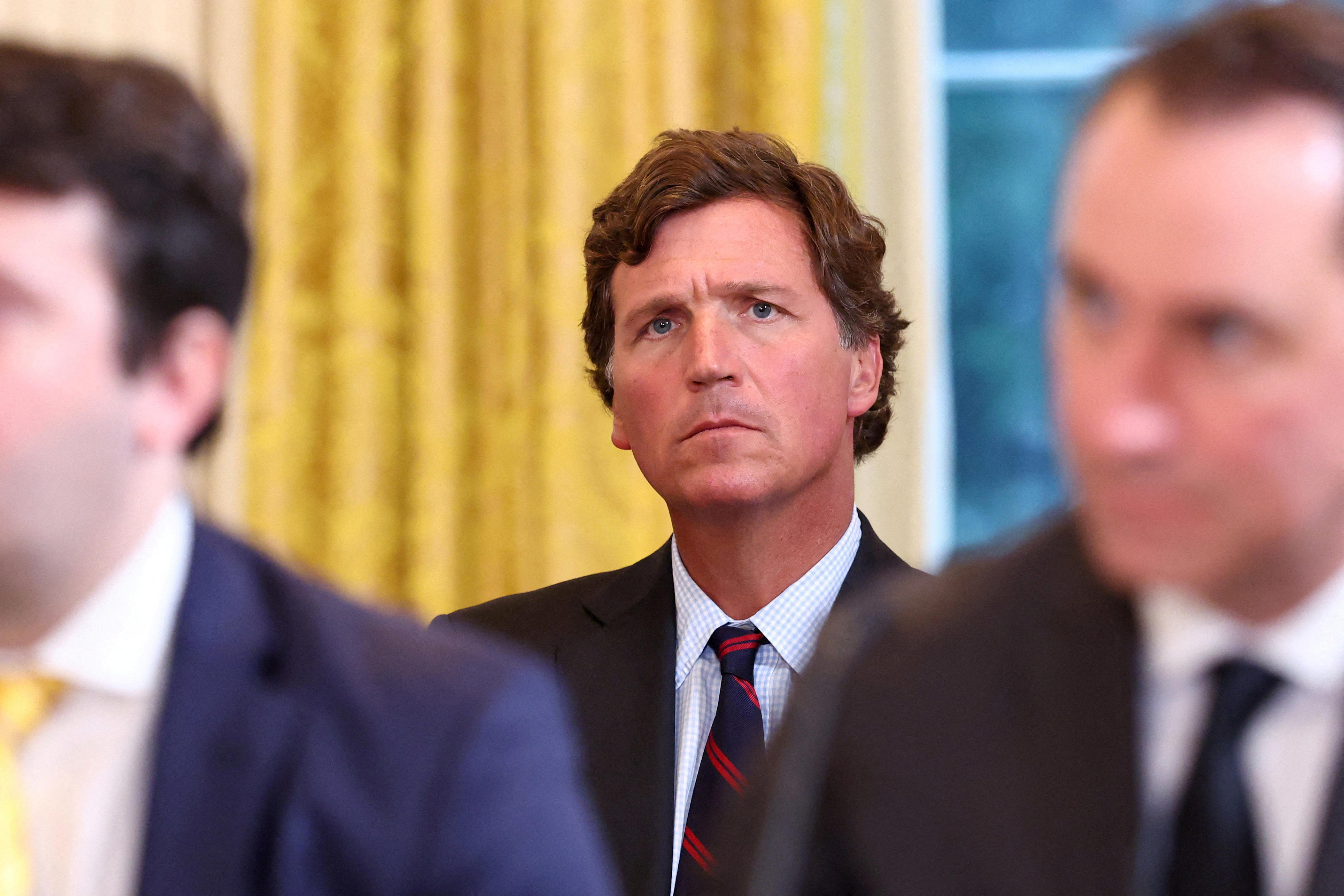
You've probably heard some version of the line, "Regret is a wasted emotion." It's the kind of tidy wisdom that shows up in therapy offices and self-help books. Whether it's actually useful is another question, and one that resurfaced recently thanks to Tucker Carlson.
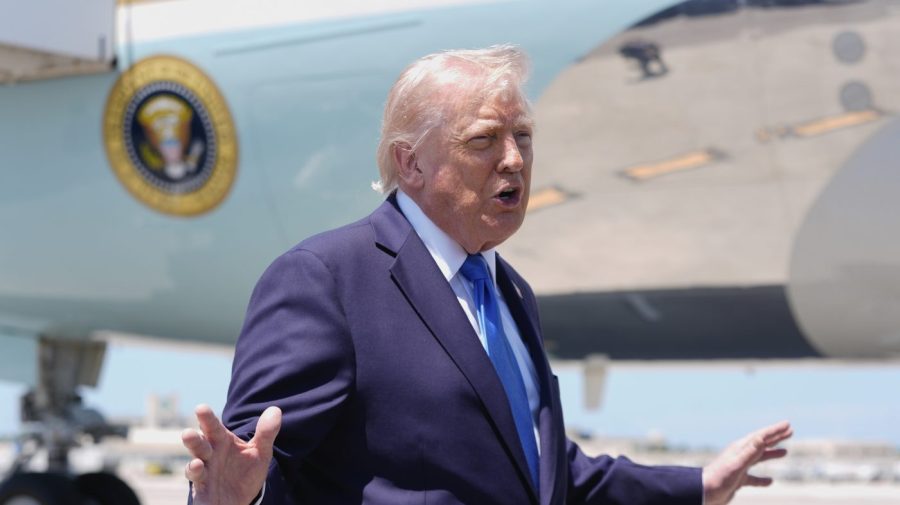
On an April 20 episode of "The Tucker Carlson Show," he said he regretted supporting President Donald Trump over the ongoing Iran war, which he called "a betrayal." It was a striking admission from the former Fox News host, who helped fuel Trump's political rise but has grown more critical in recent months.
I'm a conservative who voted for Trump. I'm also opposed to a forever war with Iran. For Americans' sake, this conflict needs to end soon. If it drags on, Trump risks losing conservatives.
Start the day smarter. Get all the news you need in your inbox each morning.
But Carlson’s comments raise a question: Do Trump voters share his regret, or simply disagree with him on Iran?
Tucker Carlson regrets supporting Trump for president
Carlson didn't hesitate to explain his regret on his show, going so far as to argue that other conservatives who supported Trump are "implicated" in the fallout of the Iran war.
“You and I and everyone else who supported him ‒ you wrote speeches for him, I campaigned for him ‒ we're implicated in this for sure," Carlson said in a conversation with his brother, former Republican speechwriter Buckley Carlson. "It's not enough to say, 'Well, I changed my mind.' Or like, 'Oh this is bad, I'm out.' It's like, in very small ways, but in real ways, you and me and millions of people like us are the reason this is happening right now.”
He added that he would be "tormented by it" for a long time. "I want to say I'm sorry for misleading people. It was not intentional. That's all I'll say," Carlson said.
I'm reluctant to embrace Carlson's commentary, which has grown increasingly erratic. Still, I understand the frustration over Iran. Its nuclear ambitions must be contained, but the steady escalation is draining American resources.
Carlson deserves some credit for admitting regret, even if the self-flagellation veers toward self-importance. It's also worth asking how many of the 77 million Trump voters were ever truly influenced by him.
But I disagree with his core claim. A vote is not blanket liability for everything a president does in office.
I didn't see Democrats argue that every Biden voter was implicated in his administration's decline. Nor is it reasonable to hold voters responsible for every decision a president makes in office.
Donald Trump campaigned on avoiding forever wars. Joe Biden presented himself as fully in command. Voters made their choices based on those representations. Casting a vote in a democracy is a privilege, not a binding endorsement of every future action a president takes, and not a lifelong liability for decisions made long after Election Day.
Do conservatives regret supporting Trump?
Carlson's regret raises a question: Is he an outlier, or an early signal of what's to come?
Some voters are clearly growing unhappy with Trump. An April 22 Fox News poll found that 56% of voters say his administration has not been competent at managing the federal government, a number driven largely by Democrats. Just 2 in 10 Republicans agreed.
An all-consuming war with Iran that shows no sign of ending is overshadowing some of Trump's modest successes, including lowering taxes and curbing illegal immigration.
But there's little evidence that Republicans broadly share Carlson's regret. Trump's favorability has slipped somewhat among Republicans over the past year, but it remains higher than it was in June 2023 and only slightly below where it stood in 2017, according to the Public Religion Research Institute.
Religious voters have remained loyal to Trump, too. A Fox News poll conducted in mid-April found that even amid his ongoing feud with Pope Leo XIV, Trump's job approval rating is actually 51% among Catholics.
Dissatisfaction exists, but it hasn't translated into regret, at least not yet.
Open disagreement within a political movement, especially when it targets its own leader, is a sign of healthy discourse. It signals a willingness in some corners to break from orthodoxy. But not all dissent carries weight. Carlson's regret might be loud, but it's unclear whether it reflects a meaningful shift among Republican voters or just another turn in the influencer cycle.
The real test isn't what Carlson says now. It's whether anyone else follows.
Nicole Russell is an opinion columnist with USA TODAY. She lives in Texas with her four kids. Sign up for her newsletter, The Right Track, and get it delivered to your inbox.
This article originally appeared on USA TODAY: I voted for Trump. Carlson's regret raises a valid question. | Opinion