A bipartisan effort to expand what Supplemental Nutrition Assistance Program (SNAP) recipients can buy has sparked an unexpected rift among Democrats, after Minnesota’s lieutenant governor publicly criticized members of her own party over a narrowly focused food policy change.
Lieutenant Governor Peggy Flanagan took aim at other lawmakers, including fellow Democrats, who opposed an amendment allowing SNAP benefits to be used for hot rotisserie chicken.
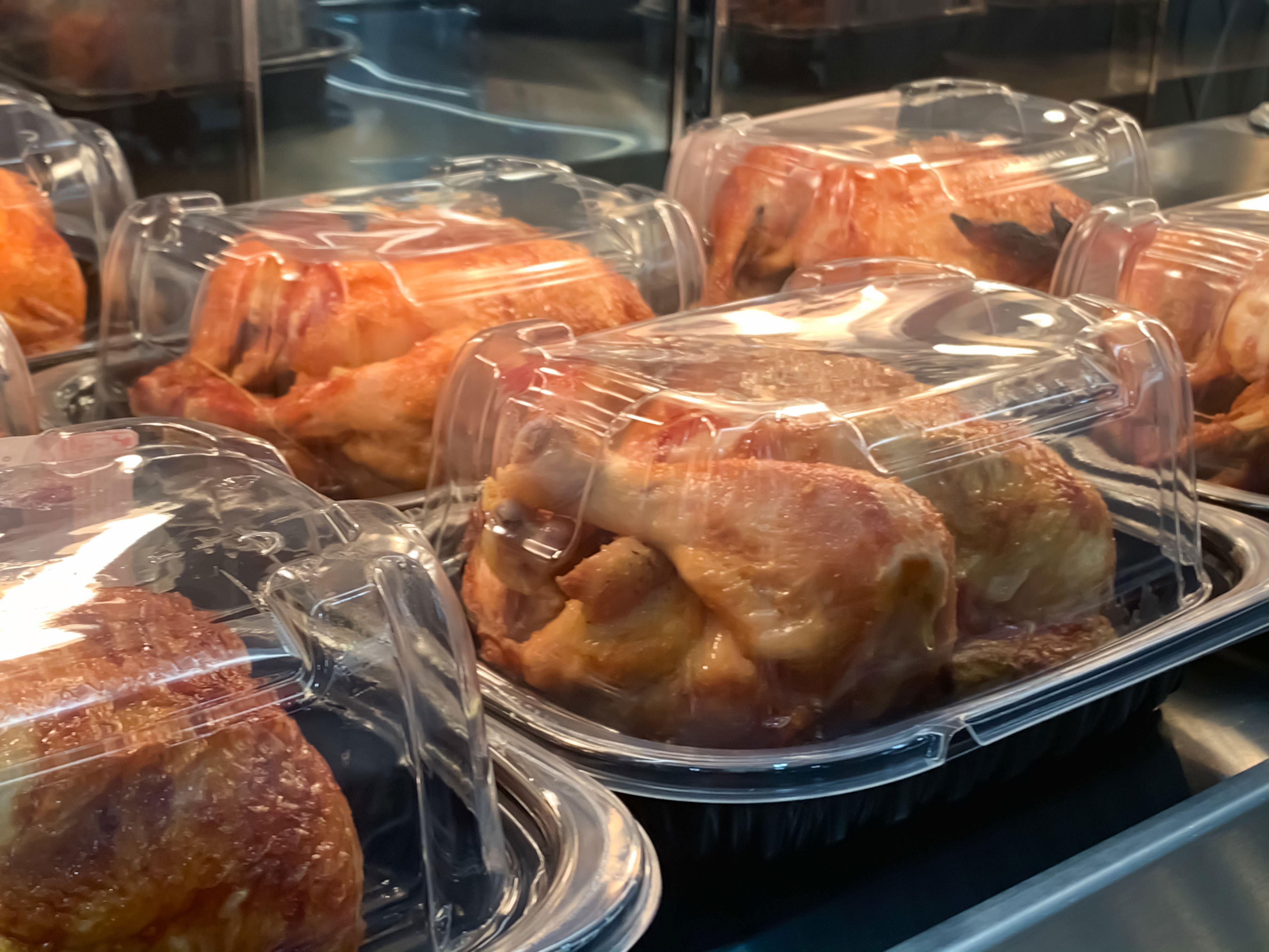
The disagreement comes as the House of Representatives overwhelmingly approved an amendment to the 2026 Farm Bill that would permit SNAP recipients to purchase hot rotisserie chicken. The measure passed with bipartisan backing in a 384-35 vote on Thursday.
What Happened
“I think letting SNAP recipients have hot rotisserie chicken is good, actually,” Flanagan wrote on X on Thursday, responding to a list of those who voted against the measure.
Among those who voted against the amendment was Representative Angie Craig of Minnesota, who is a running against Flanagan in the Democratic primary for a Minnesota U.S. Senate seat after Tina Smith decided not to seek reelection. Flanagan’s post did not directly address Craig or her voting record.
Flanagan’s comments drew a response from Ohio Democratic Representative Shontel Brown, who defended Craig and accused Flanagan of misrepresenting the situation.
“This is disingenuous—and you know it,” she wrote on X. “As Ranking Member, Angie has been leading the caucus day-in & day-out to protect SNAP and expand access to hot food for families who need it. Republicans blocked a comprehensive amendment to do just that, and offered this instead.”
Newsweek has contacted Craig, Brown and Flanagan for comment via email.
Craig, Flanagan, and fellow Democrat Billy Nord are running in the Democratic primary scheduled for August 11.
Context
Formally titled the Healthy Obtainable Tasty Rotisserie Chicken Act, the amendment was introduced by Republican Representative Rick Crawford of Arkansas. Supporters argue that current SNAP rules are outdated, pointing out that there is no nutritional distinction between hot and cold rotisserie chicken—yet only the latter is currently eligible for purchase with benefits.
Under existing guidelines, hot prepared foods are excluded from SNAP eligibility. A 2020 U.S. Department of Agriculture memo states: “Heated foods, hot foods, and cold prepared foods are not considered staple foods,” which places them outside the program’s scope. As a result, retailers often cool freshly cooked chickens before selling them to SNAP customers, despite no change in their nutritional value.
Advocates say the proposed change would offer a practical benefit to families with limited time or resources, providing a ready-to-eat, affordable source of protein. The argument has gained traction as SNAP faces tighter eligibility requirements and numerous states move to limit certain unhealthy purchases from being made with benefits.
Democratic Senator John Fetterman of Pennsylvania, who co-sponsored the legislation along with Republican Senator Jim Justice of West Virginia and others, emphasized the everyday appeal of the item.
“America’s best (and delicious) affordability play is Costco’s $4.99 rotisserie chicken,” he said in a statement. “It’s one of my family’s favorites, and I’m proud to join this bill with Sen. Justice for all to try. SNAP funds would be well spent to feed our nation’s families who need it.”
National Chicken Council President Harrison Kircher criticized the current rules as inefficient and unnecessary.
“Right now, a SNAP family can buy a cold rotisserie chicken—but the moment it’s hot, it’s off limits,” Kircher said. “There is no nutritional difference. There is no logical difference. There is only an outdated technicality that forces grocery stores to heat chickens and cool them back down just to comply, wasting energy, degrading quality and adding cost.”
Related Articles