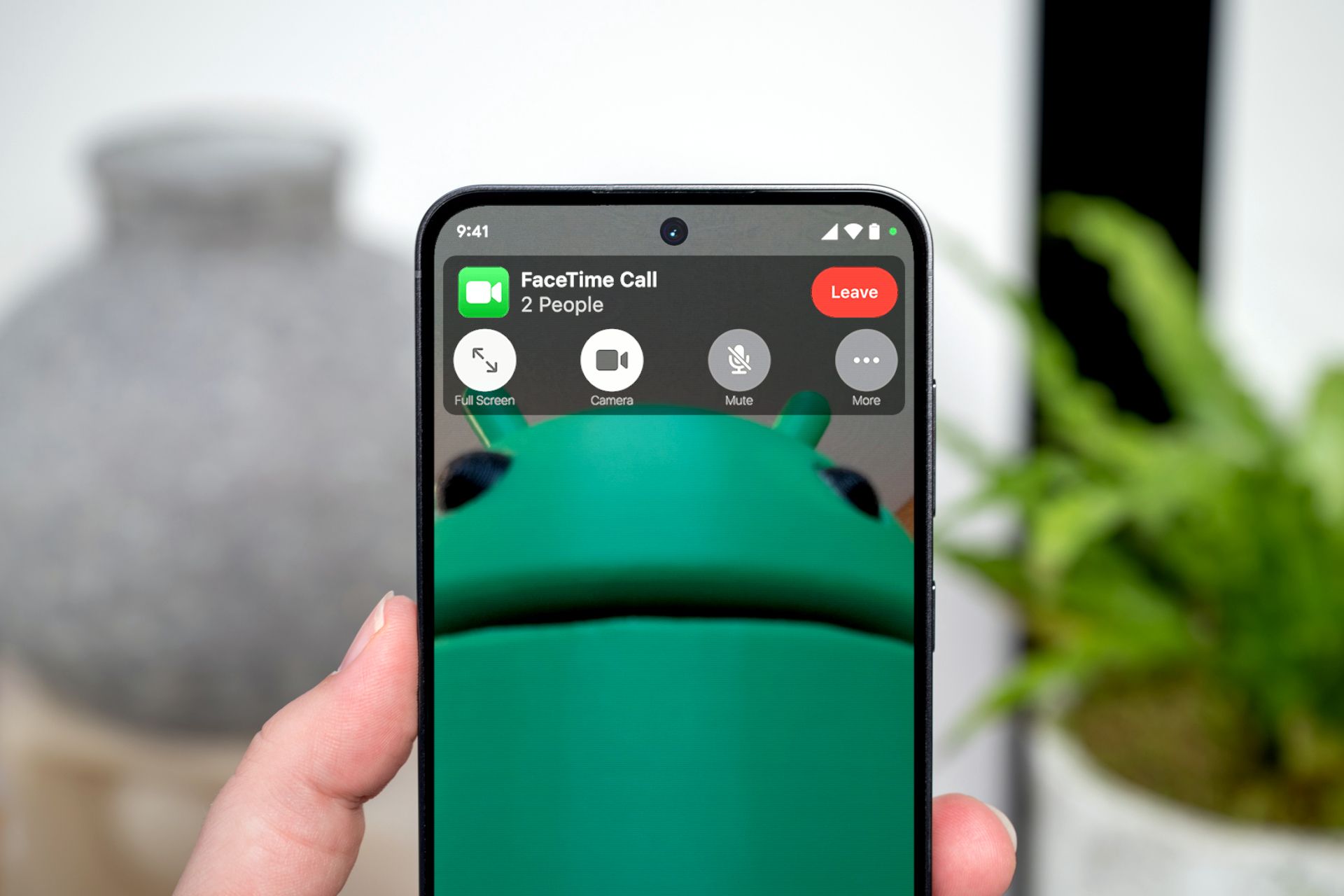
FaceTime is a feature that has become almost as well-known as the iPhone itself. Android has simply never had an answer to it—except for the fact that they literally can answer FaceTime calls. This has been possible for five years, and you’re not alone in forgetting about it.
FaceTime on Android arrives...kinda
Apple brings people together in the most Apple way
FaceTime arrived on the iPhone all the way back in 2010, and it was immediately a smash hit. It made video calls much more accessible to everyone. Well, everyone who owns an iPhone. Since then, people have been begging Apple to bring FaceTime to Android. We thought that would never happen, but it kinda did five years ago.
iOS 15 and iPadOS 15 were released to the world in 2021 with a long list of new features. As an Android user, there was one feature in particular that sounded interesting: FaceTime Links. This was Apple’s answer to the years of requests to bring FaceTime to more platforms. In typical Apple fashion, it didn’t work exactly how people had hoped.
What people wanted was a FaceTime video calling app for Android and other platforms—what we got was shareable links. Apple devices can create links in FaceTime and then send those links to non-Apple users. Assuming the recipient has a supported browser, they can join the call in a FaceTime web app.
Technically, this works. Video quality is pretty good considering it’s running entirely in a mobile browser, and the options on the screen are more or less what you see on an iPhone. I’ve joined FaceTime calls from my Android phone, but it’s really not an ideal setup. A non-native experience is never going to feel as smooth as you want it to be.
How Apple makes you the bad guy
Android users are not the problem
FaceTime is in the same boat as iMessage. These are products that Apple uses to lock people into its ecosystem. It does this with exclusive features, making the alternatives feel inferior and invasive.
iPhone users love to complain about “green bubble” people. Their messages don’t have all the fancy iMessage options, they break group chats, and for a long time, their photos would look terrible on iPhones. This is completely justified, by the way. I used an iPhone for a while, and the green bubble experience was not great.
But who designed it that way? Who decided to make the bubbles a bright, obnoxious green? Who decided to stick with outdated protocols that made photos look terrible? Apple, of course. That’s what they’ve done with FaceTime Links, too.
FaceTime Links single out the non-Apple users and put all the effort on the iPhone owners. If you’re an Android user who wants to be included in FaceTime calls, you’re probably going to have to constantly remind people about it since you won’t show up in their FaceTime call list. The call owner then has to go out of their way to create the link and send it to you. Every single time.
In my experience, it’s just not worth using FaceTime Links. My wife is an iPhone user, and when we were dating, I told her about FaceTime Links—she hadn’t heard about it. We used the links for a while, but it just became too cumbersome. So, she downloaded Google Meet, and we used that instead—it’s much easier.
Don’t expect it to get better
In the five years since FaceTime Links was introduced, Apple has done very little—if anything—to improve the experience. And why should it? There is absolutely zero incentive for Apple to make FaceTime fully available on Android and any other platform. RCS will eventually bring a similar video calling feature to Android, but I can’t imagine Apple adopting it, too. This is just how they like it.