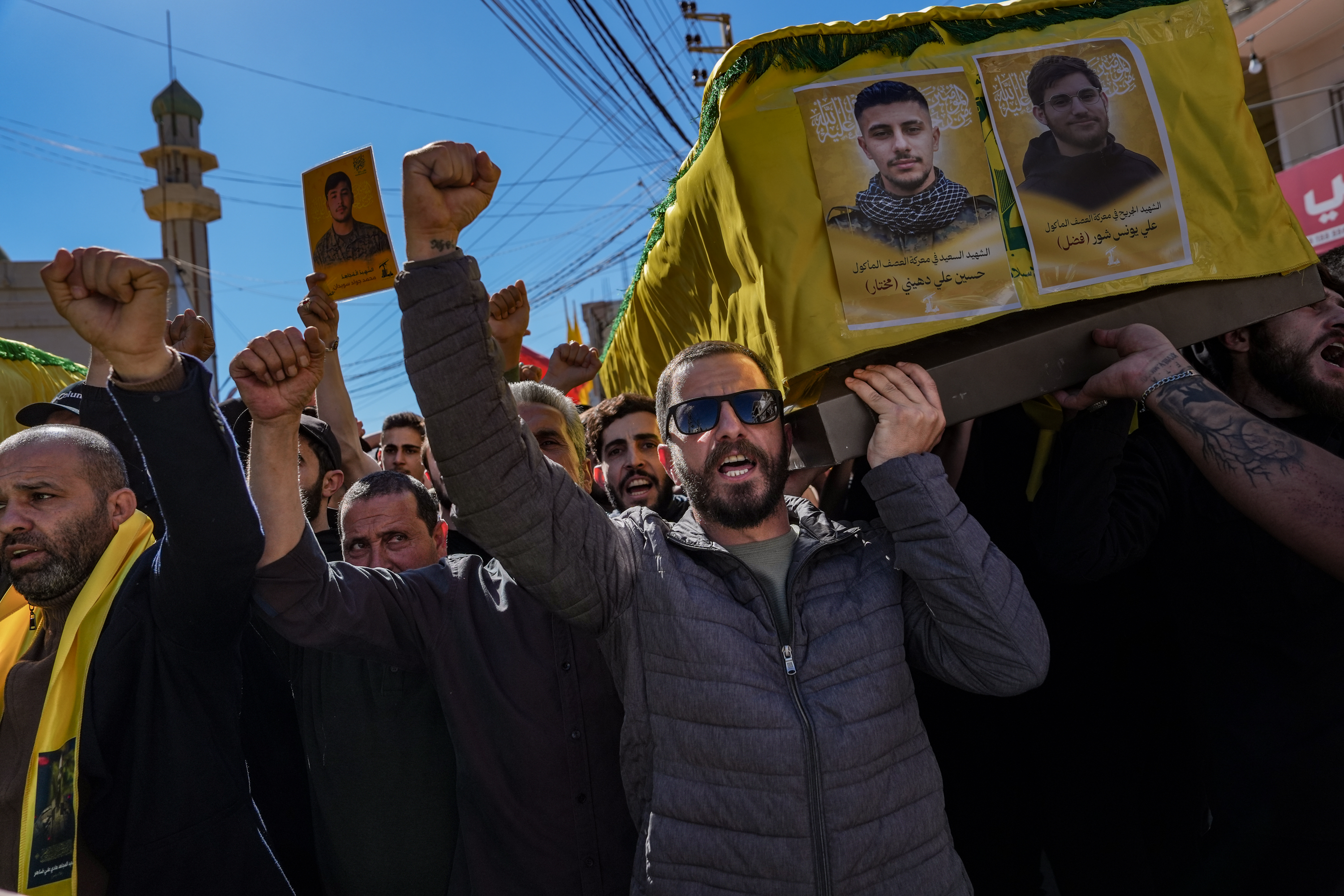
BEIRUT — Hezbollah reacted with contempt to President Donald Trump’s announcement of a three-week extension of the Israel-Lebanon ceasefire, calling the truce “meaningless.” The Iran-backed militant group is still a powerful force in Lebanon, and concerns over the government’s ability to bring it under control have raised questions about the ceasefire’s long-term prospects.
Any Israeli operations in Lebanon give Hezbollah the right “to respond proportionately,” Ali Fayyad, a member of the Hezbollah faction in Lebanon’s parliament, said in a statement carried Friday by Hezbollah’s TV station Al Manar, adding that any deal that does not include an Israeli withdrawal from Lebanese territory affirms the Lebanese people’s “right to resist the occupation.”
The 10-day ceasefire, which was due to expire on Sunday, has been only tenuously followed, with fewer but continued attacks by Israel and Hezbollah. Hezbollah has attacked an Israeli drone inside Lebanese territory but has so far refrained from firing at Israel directly. The Israel Defense Forces said it carried out strikes in Kherbet Selem and Touline in southern Lebanon on Friday.
It later issued an evacuation warning for the southern town of Deir Amas, its first since the initial ceasefire took effect last week.
Israel has said its sporadic bombing attacks are “self-defense” permitted under the ceasefire, and IDF troops occupying southern Lebanon have continued attacks against alleged militants and their infrastructure.
The talks have been a tough sell for Lebanese leaders, with Prime Minister Nawaf Salam meeting Friday with a Hezbollah ally, Speaker Nabih Berri, in what appeared to be an effort to garner support for the negotiations. The group has long opposed direct talks with Israel, with supporters gathering outside government headquarters on the eve of the first round of talks in mid-April calling for Salam’s ouster. But after the initial ceasefire, Hezbollah’s anger toward the Lebanese government seemed to die down as many of its supporters returned to their homes after six weeks of displacement.
Mahmoud Qamati, vice president of Hezbollah’s Political Council, said in a statement Thursday before Trump’s announcement that the militant group rejected any direct negotiations with Israel and that it would not accept Israel’s carving out of a buffer zone in southern Lebanon, pledging to continue its operations “until complete liberation is achieved.”
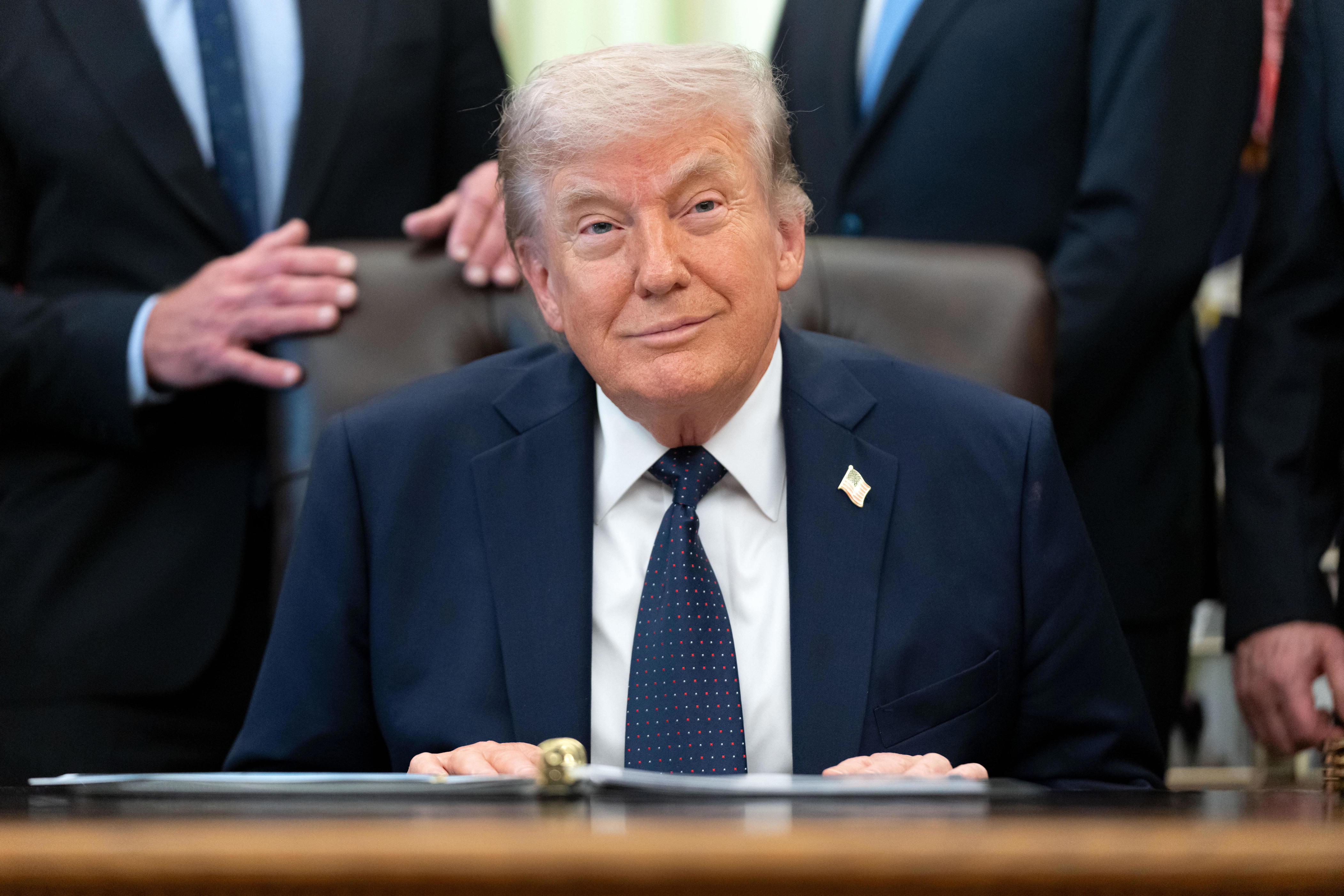
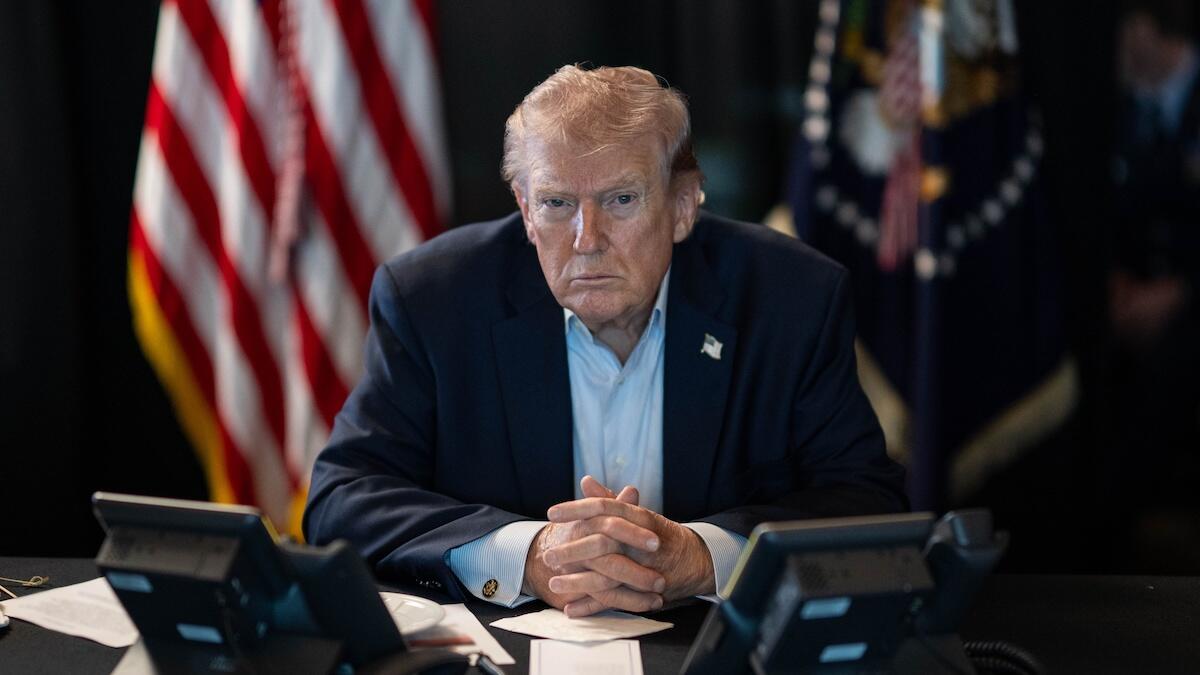
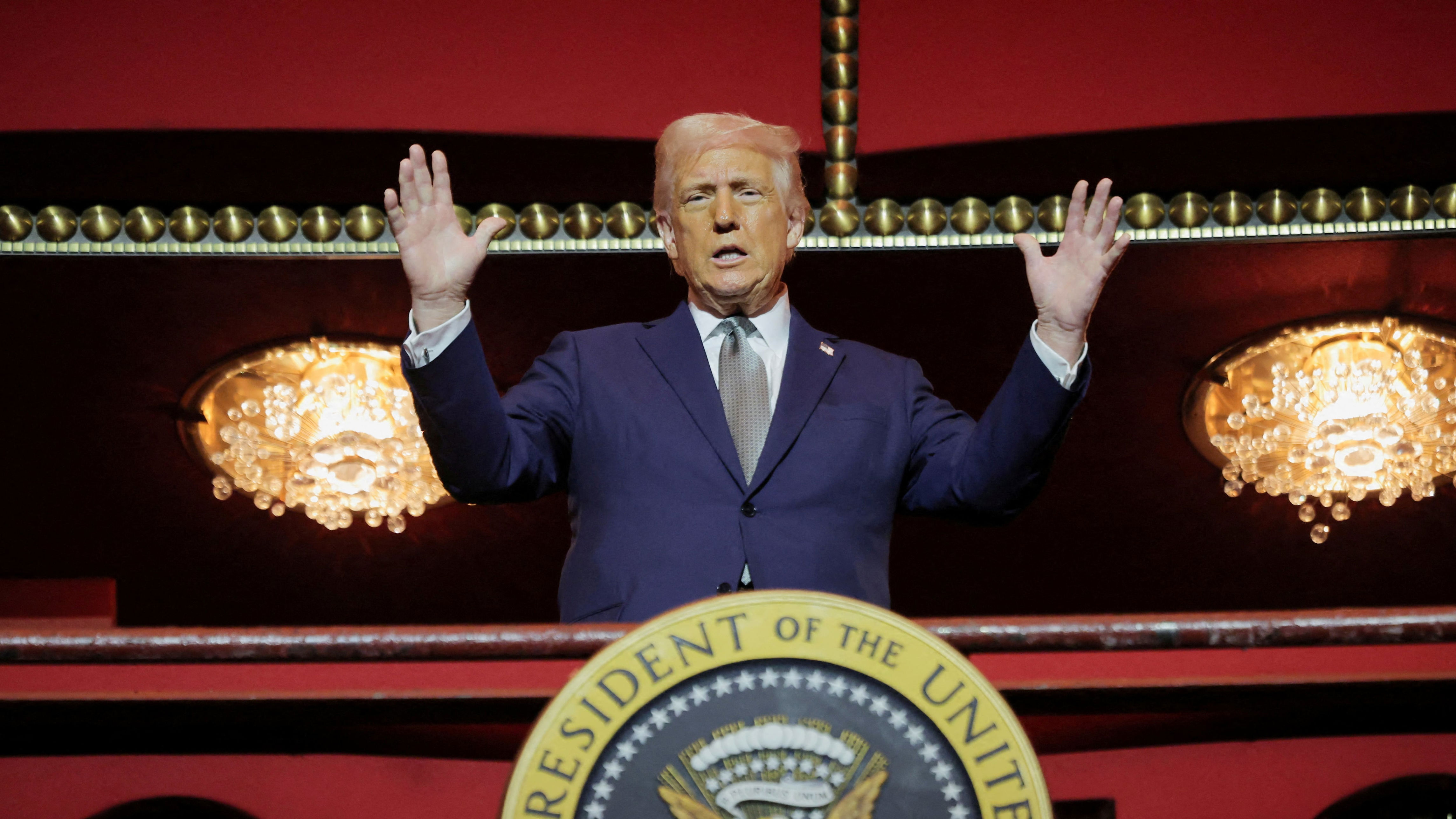
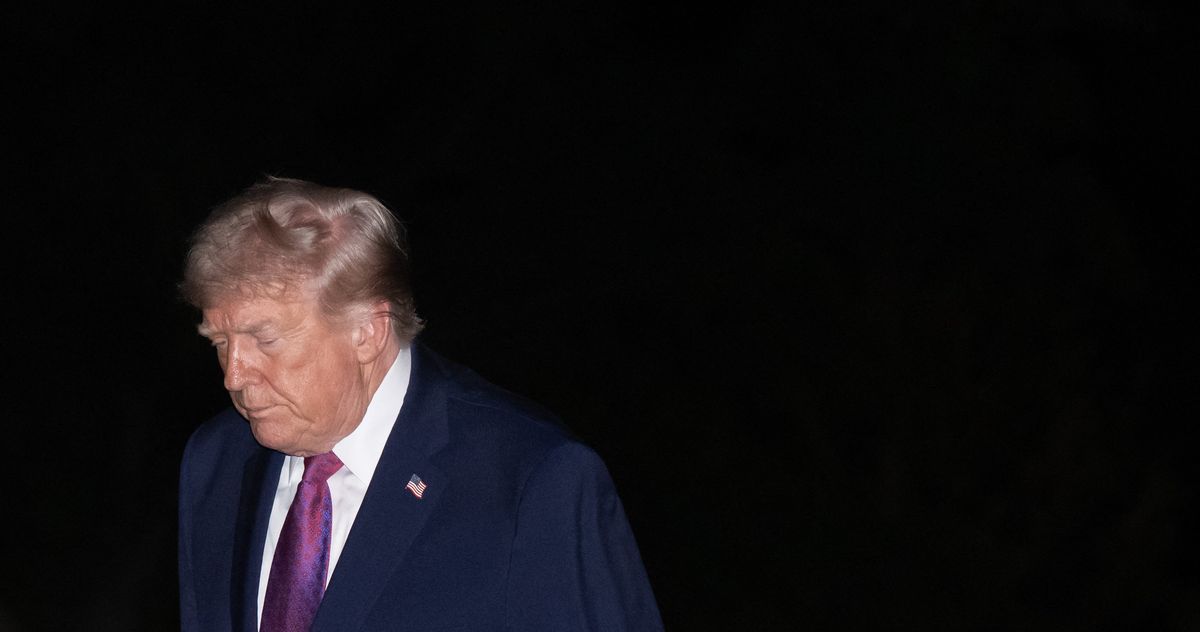
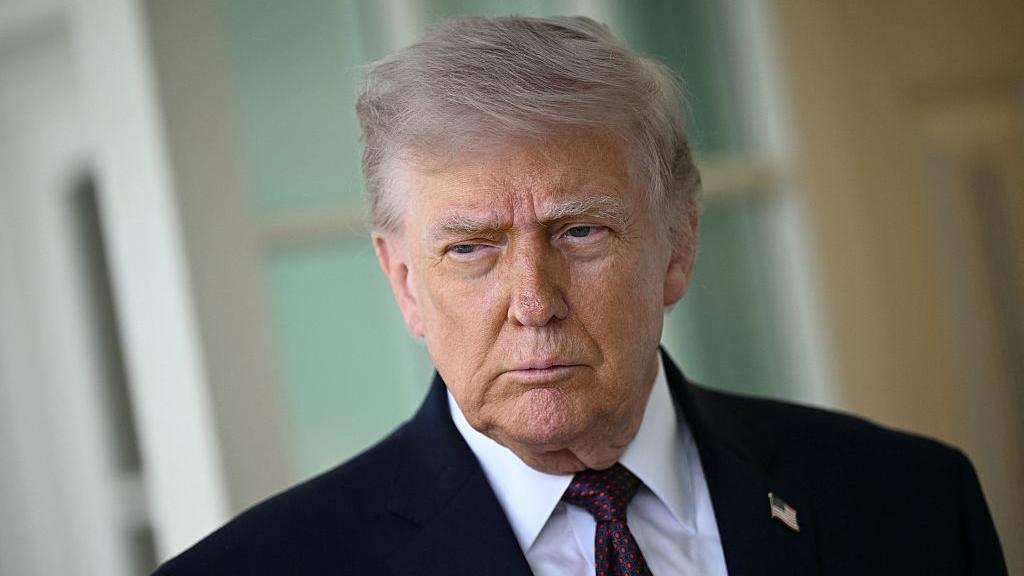
The ceasefire’s extension came at Lebanon’s request. Trump and Vice President JD Vance joined the participants of the talks — Israel and Lebanon’s ambassadors to the United States, as well as Secretary of State Marco Rubio and State Department Counselor Michael Needham — in the Oval Office, and Trump said he would invite Israeli Prime Minister Benjamin Netanyahu and Lebanese President Joseph Aoun to meet with him in the future.
“I think it’s the beginning of … a wonderful thing, to get this worked out simultaneously with what we’re doing in Iran,” Trump said.
Lebanon’s ambassador to Washington, Nada Moawad, told reporters after the talks that “President Trump promised us that we will make Lebanon great again, and we hope that this shared vision between Lebanon and the United States will be realized.”
Israel’s ambassador to the U.S., Yechiel Leiter, described the talks as “productive” in a post on X. “Our goals remain clear: peace, prosperity, and security for our citizens from Iran and its terror proxies,” he said.
Lebanon’s inclusion in a ceasefire deal had been a key demand in Iran’s negotiations with the U.S., but Hezbollah has not been party to the negotiations.
Avichai Stern, mayor of the northern Israeli city of Kiryat Shmona, expressed skepticism over the ceasefire’s effect, saying: “What is happening right now is not truly a ceasefire. We are negotiating with the state of Lebanon, which is incapable of dismantling” Hezbollah. He also said he fears the extension would give the militant group time to rearm.
The three-week pause in fighting is designed to provide more time to work out a “permanent peace,” Rubio said Thursday. “What’s standing in the way is … a terrorist organization that operates within their national territory.”
The Lebanese government does not have much room to maneuver when it comes to reining in Hezbollah, said Filippo Dionigi, a professor of international relations at the University of Bristol. A full cessation of hostilities in Lebanon largely depends on what happens in Iran, he said: “If Iran and the U.S. return to war, my impression is that the Lebanese front will also flare up again. If they manage to find a deal, as President Trump calls it, then Lebanon is likely to be part of it in one way or another.”
In Pakistan, where a new round of talks between U.S. and Iranian delegations was postponed this week, a partial lockdown remained in effect for parts of the capital. Pakistani officials said that Iranian Foreign Minister Abbas Araghchi was expected to arrive Friday night with a small delegation and that more talks are expected.
In a call with his Iranian counterpart on Friday, Pakistan’s Foreign Minister Mohammad Ishaq Dar called for “sustained dialogue and engagement to address outstanding issues.”
Trump announced Tuesday that he would extend a ceasefire with Iran hours before it was set to expire, pledging the U.S. would refrain from attacks until discussions with Tehran “are concluded, one way or the other.” In the meantime, Iran maintains a tight grip on the Strait of Hormuz and the U.S. is enforcing a naval blockade of Iranian ports.
At the Pentagon on Friday, Defense Secretary Pete Hegseth announced that the U.S. is adding a second aircraft carrier to the blockade effort, to add to the net of warships it has in the Gulf of Oman and the Arabian Sea. The announcement comes after the Navy’s third carrier, the USS George H.W. Bush, arrived in waters near Iran on Thursday — adding thousands of additional military personnel and weapons to the pressure the U.S. is already applying.
The U.S. blockade to date has turned back 34 commercial vessels that had stopped in Iranian ports. One vessel, the Touska, was fired on nine times to disable its engines after it refused to turn back, and it is now in U.S. custody, the Joint Chiefs chairman, Gen. Dan Caine, said in the same briefing.
The scope of the blockade is stretching far beyond the strait. This week, the U.S. seized two Iranian ships that had departed Iran before the blockade took effect. They were intercepted far from the strait, in the Indo-Pacific, Caine said.
“Our blockade is growing and going global,” Caine said.
Craw reported from London, Soroka from Tel Aviv, George from Islamabad, Pakistan, and Copp from Washington. Suzan Haidamous in Beirut and Shaiq Hussain in Islamabad contributed to this report.
Most Read From The Washington Post
- U.S. soldier accused of pocketing $400,000 through bets on Maduro’s capture
- Third U.S. aircraft carrier arrives in waters near Iran
- John Phelan forced out as Navy secretary after 13 months
- White House loosens rules for preserving presidential records
- Trump intends to invite Putin to G-20 summit in Miami, officials say