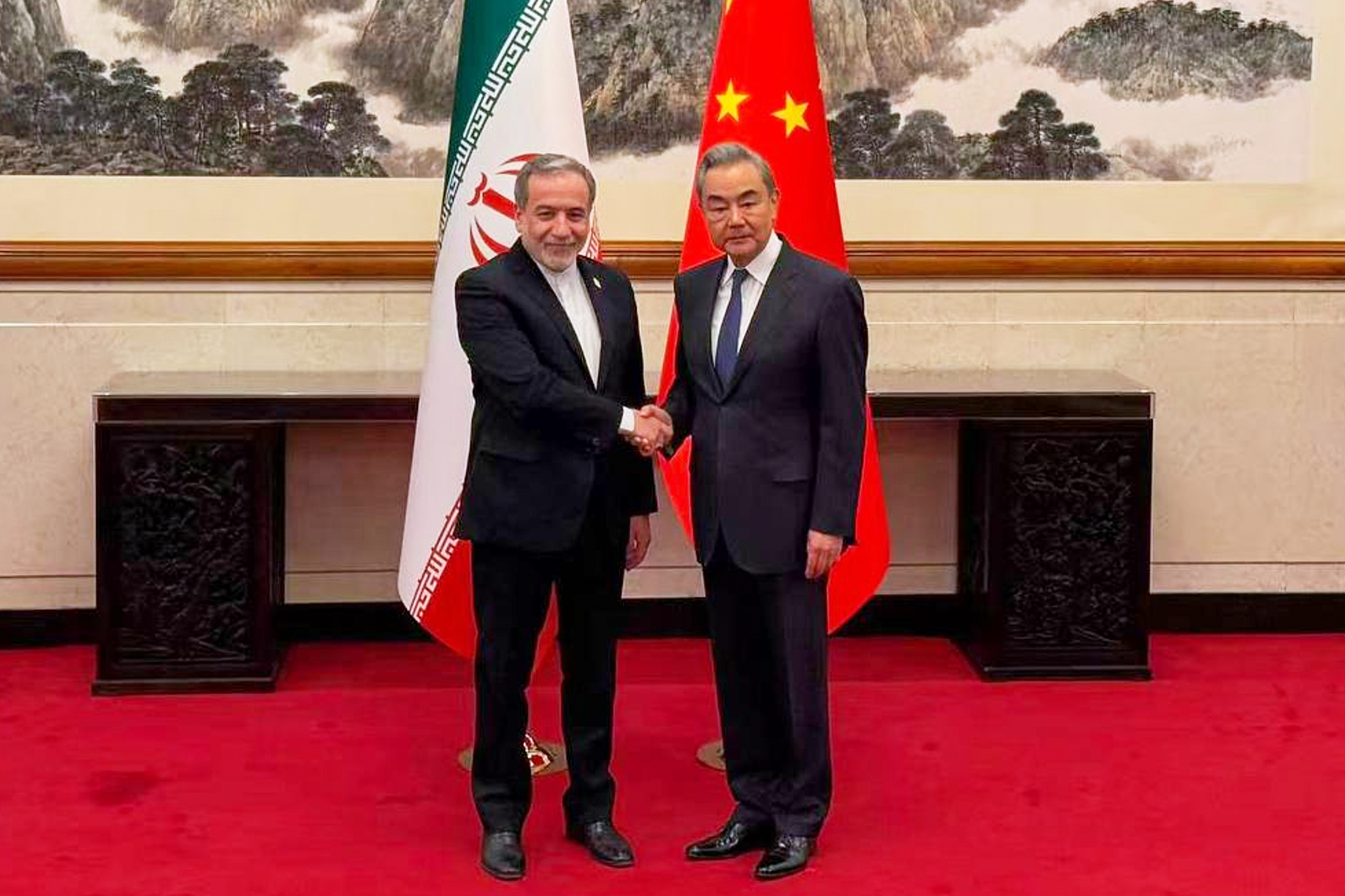
China continues to support Iran’s right to civilian nuclear energy, the country’s top diplomat said during discussions with his Iranian counterpart in Beijing on Wednesday.
“China commends Iran’s commitment not to develop nuclear weapons while recognizing that Iran has the legitimate right to the peaceful use of nuclear energy,” Foreign Minister Wang Yi said, according to a ministry readout.
Wang and Iranian Foreign Minister Abbas Araghchi have spoken on the phone at least three times since the U.S. and Israel launched their attacks against the Islamic Republic on February 28, though this is their first face-to-face meeting. Iran and the U.S. remain at an impasse over a lasting deal to replace the ceasefire the two sides reached on April 8.
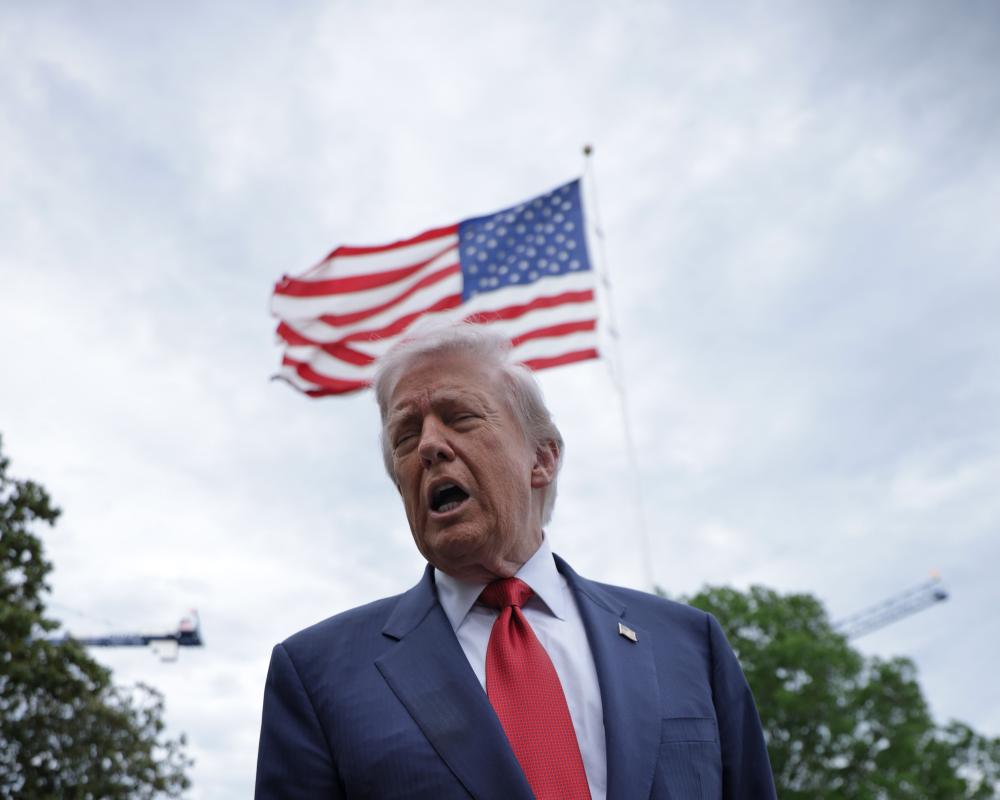
Though President Donald Trump and other U.S. officials have given various reasons and objectives for the war, the Trump administration has continued to demand that any lasting agreement include Iran’s guarantee to completely halt its enrichment program.
Iran has long denied it was pursuing nuclear weapons, and it refused to meet that demand during two rounds of talks with U.S. negotiators last month that were organized by Pakistan.
While many nuclear enrichment and conversion sites across Iran were heavily damaged during the recent conflict, as well as during the U.S. and Israel’s 12-day offensive against Iran in June 2025, the attacks were a major setback. Trump administration officials have said they are determined to prevent Tehran’s nuclear program from rebounding.
Prior to the war, the International Atomic Energy Agency assessed that Iran had been enriching uranium to 60 percent—far above levels needed for civilian purposes and an enrichment level that could be brought to weapons grade relatively quickly.
Araghchi briefed the Chinese diplomat on the latest developments in Iran-U.S. talks and Iran’s planned next steps, the ministry readout said.
A comprehensive ceasefire is urgently needed, Wang said, calling on Iran and other parties to heed international calls to allow the resumption of safe passage through the Strait of Hormuz, and for countries in the region to foster “good neighborly relations” and a framework for peace.
The official said China has consistently promoted peace and dialogue since the conflict began, citing the four-point peace proposal previously put forward by Chinese President Xi Jinping.
Wang also praised the “resistance and steadfastness of the Iranian people against the aggressors” and what he characterized as Iran’s responsible approach, hailing the country’s willingness to resolve the conflict through diplomatic means, according to a statement published on Araghchi’s Telegram account.
China giving Iran a platform demonstrates its ongoing political support despite concerns over the closure of the strait, through which China sources more than 40 percent of its oil imports.
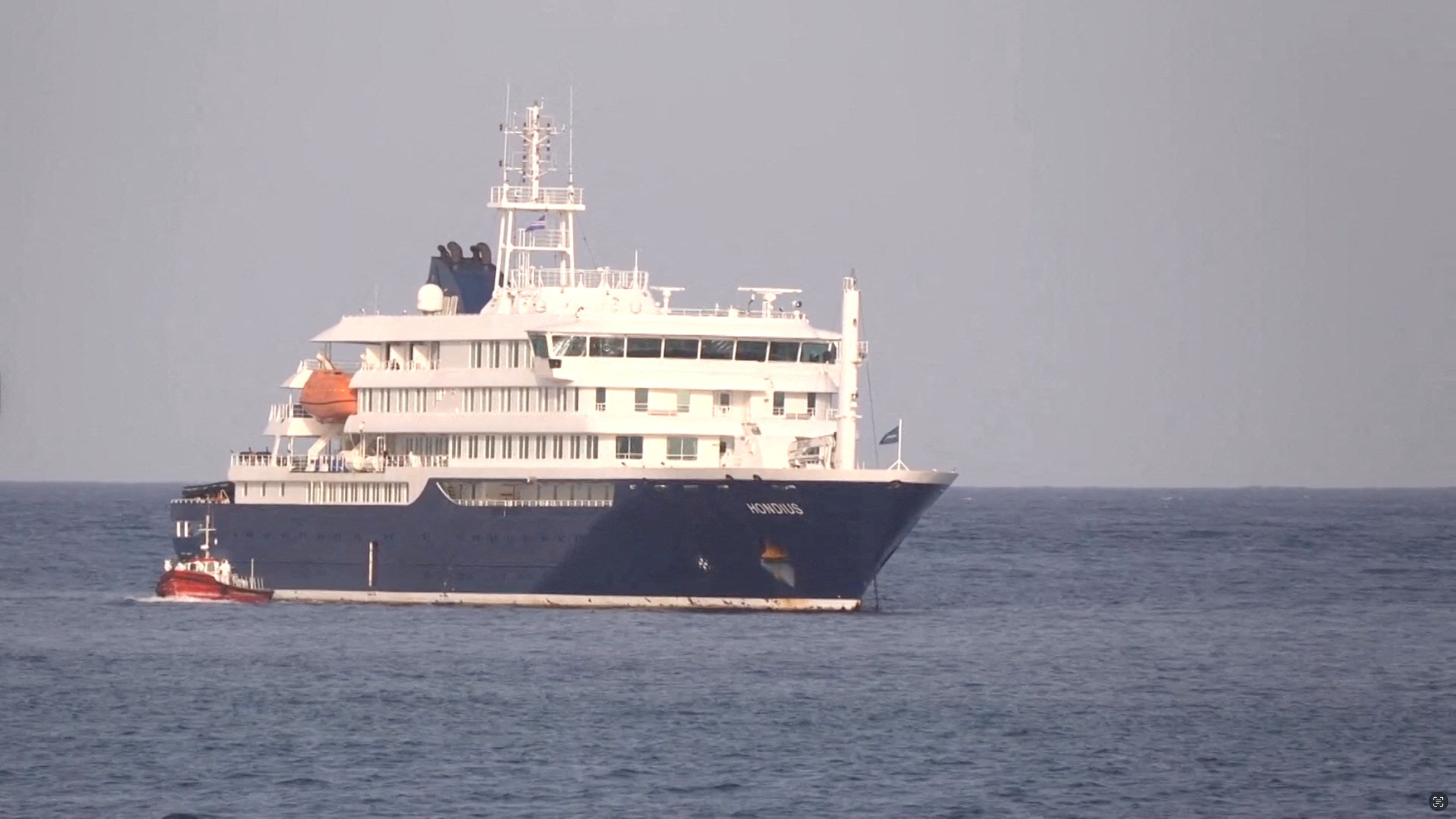
Commercial traffic through the strait has fallen to the single digits amid fears of renewed Iranian attacks on vessels and growing uncertainty over U.S. protection, after Trump said he was pausing naval escorts through the strait. The U.S. blockade, however, remains in force for ships departing Iranian ports and attempting to transit the Gulf of Oman.
It’s in China’s interest, as an export-driven economy, to convince Iran to open the strait, U.S. Secretary of State Marco Rubio said when asked to respond to Araghchi’s visit during a press briefing Tuesday.
“I hope the Chinese tell him what he needs to be told, and that is that what you are doing in the straits is causing you to be globally isolated, you’re the bad guy in this, you guys should not be blowing up ships,” he said.
Only five commercial vessels were tracked transiting the strait on Tuesday, down sharply from a pre‑war daily average of 138, according to the U.S. Navy‑run Joint Maritime Information Center.
The Iran Revolutionary Guard Corps’ Navy will guarantee safe passage through the strait under new protocols once the “aggressor’s threats are neutralized,” the force said in a Wednesday statement shared with state media.
Iran and the strait are expected to loom large during Trump’s visit to China—his first since November 2017—for talks with Xi.
Update 5/6/26, 10:17 p.m.: This article has been updated with additional information.
Correction 5/6/26, 10:27 p.m.: This article has been updated to correct the spelling of Iranian Foreign Minister Abbas Araghchi.
Related Articles