A Senate race in the Mountain State is becoming clearer.
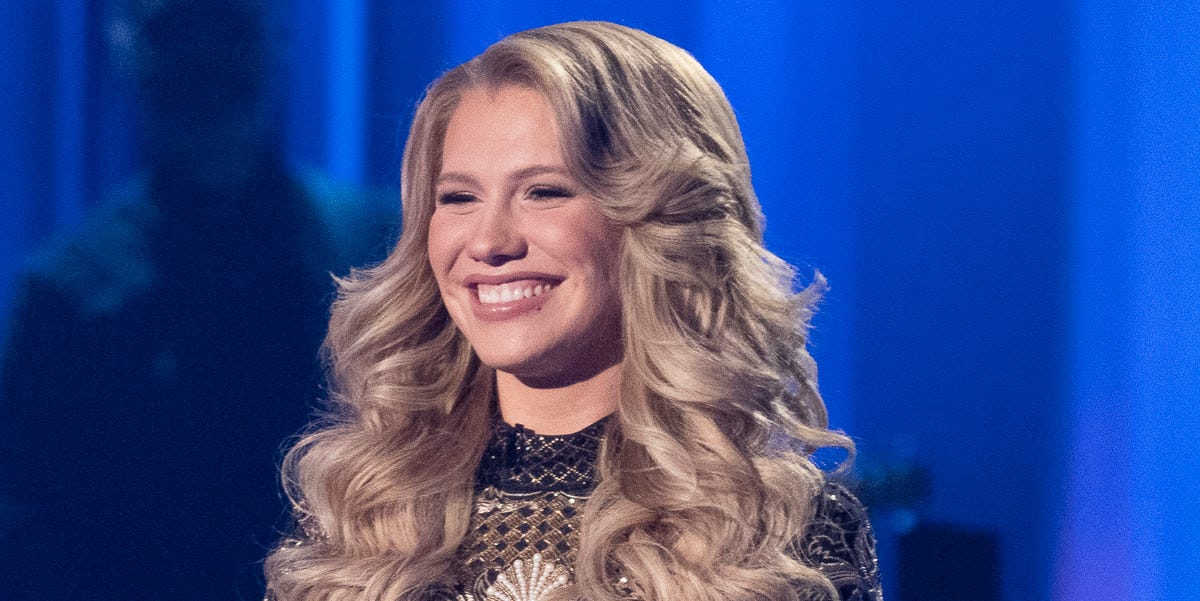
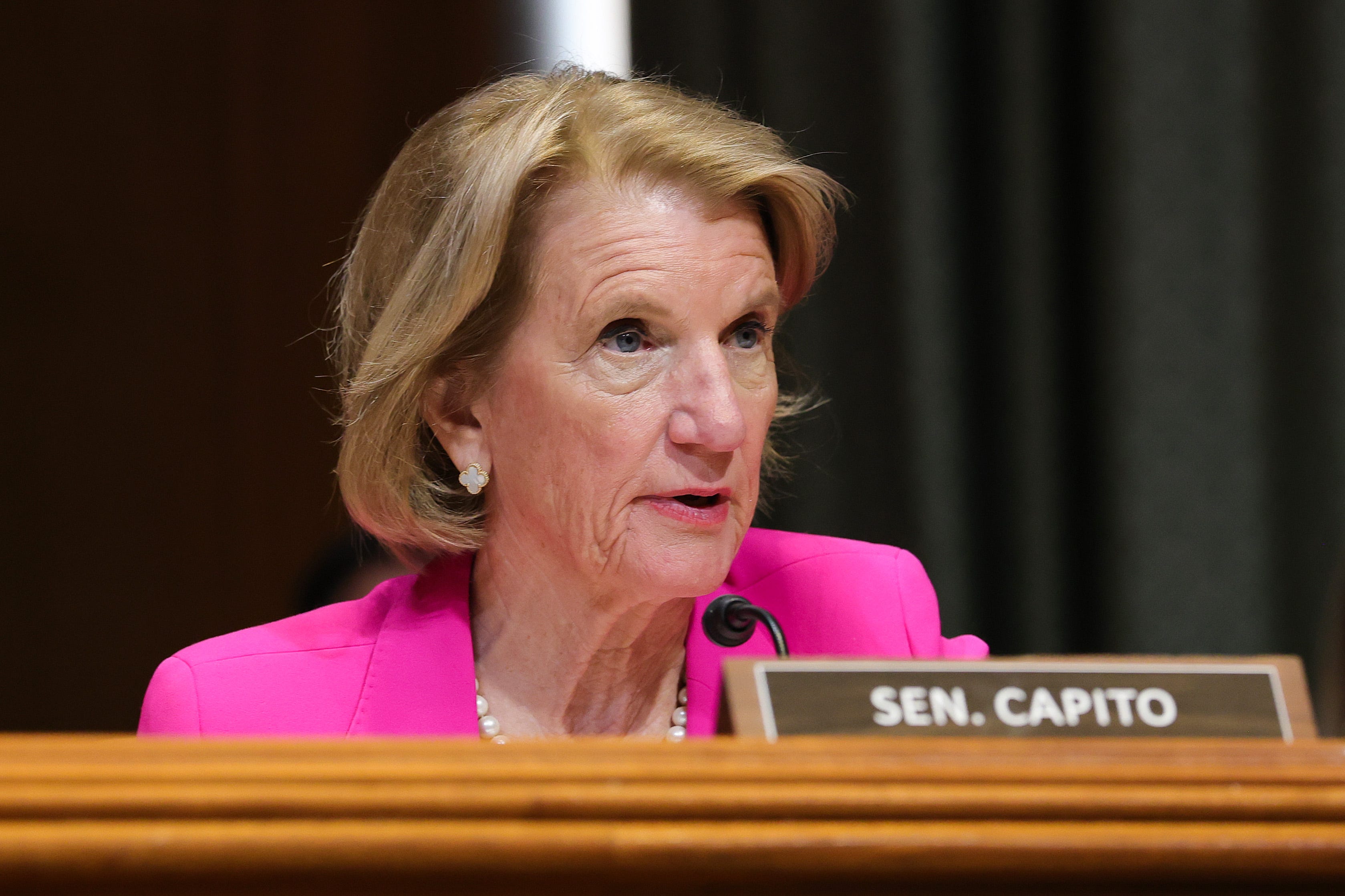
Results in West Virginia's May 12 primary show that attorney Rachel Anderson, will be the Democratic nominee to face incumbent Republican Sen. Shelley Moore Capito. The race comes amid a battle for Republicans to hold onto narrow majorities in both chambers on Capitol Hill. Other races for state legislature, state supreme court, and other local positions were on ballots in West Virginia, as well.
Here are the results from Tuesday's elections, according to the Associated Press and CNN, and what they mean for the state and the country.
Start the day smarter. Get all the news you need in your inbox each morning.
West Virginia Senate primary results
- Republican: Shelley Moore Capito won with 66.5% of the votes, with an estimated 99% of the vote counted. Tom Willis finished second with 18.9% of the vote.
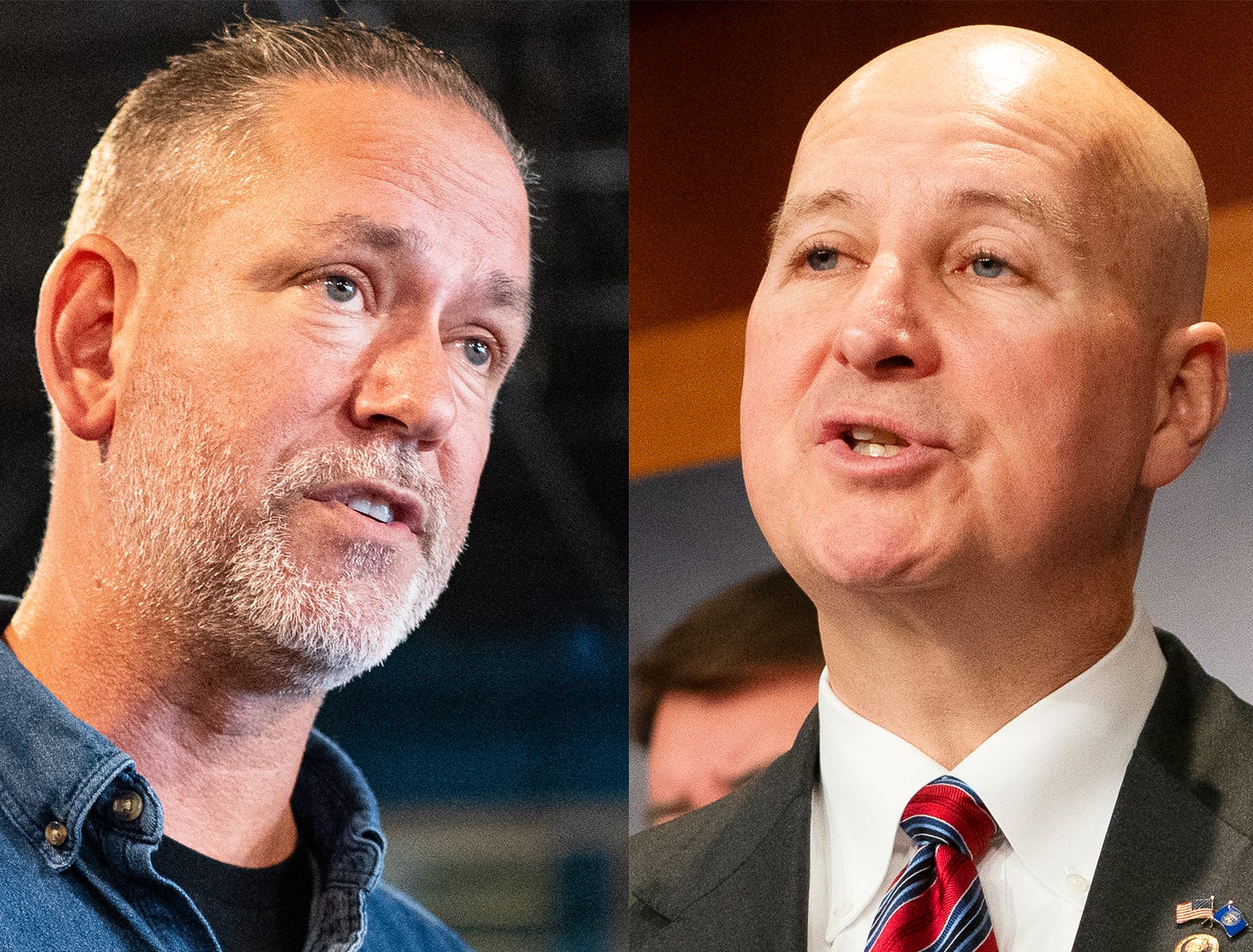
- Democrat: Rachel Anderson won with 33.1% of votes, with an estimated 99% of the vote counted. Jeffrey Kessler (27%) and Zachary Shrewsbury (16.1%) finish second and third, respectively.
Who won the West Virginia House primary?
While the Senate race is staged to be Capito against Anderson, the state also voted on nominees for both of its congressional districts. Incumbent Reps. Carol Miller of the first district and Riley Moore of the second district will look to defend their seats.
Here's who won the House races, according to the Associated Press and CNN:
District 1
- Republican: Incumbent Rep. Carol Miller won with 72% of the votes and 99% of votes counted.
- Democrat: Vince George won with 53% of the vote and 99% of the votes counted.
District 2
- Republican: Incumbent Rep. Riley Moore won his race uncontested.
- Democrat: With 99% of votes counted, Ace Parsi landed at the lead with 39.7% of votes. Stephanie Tomana (37.9%) and Steven Wendelin (22.4%) were close contenders.
Why this primary stands out
West Virginia's primary on Tuesday was meaningful because of an administrative change. It was the first statewide race under two new electoral rules. A first is a stricter version of voter ID law that requires voters must show photo ID at the polls, which came into effect during a 2025 legislative session. The second is a change that made the Republican primary closed for the first time, a change that means only registered Republican voters can cast ballots in the party's primary.
These two changes are notable, according to Enrijeta Shino, assistant professor of political science at the University of Alabama. They will demonstrate new insights as to how the changes impact voter and candidate performance, as well as election procedure.
"Both shifts are happening in the same cycle," Shino says. "[The changes provide] a useful test of how access and turnout respond when eligibility and identification rules move together."
This article originally appeared on USA TODAY: West Virginia election results: Who won primaries for US Senate, House?