
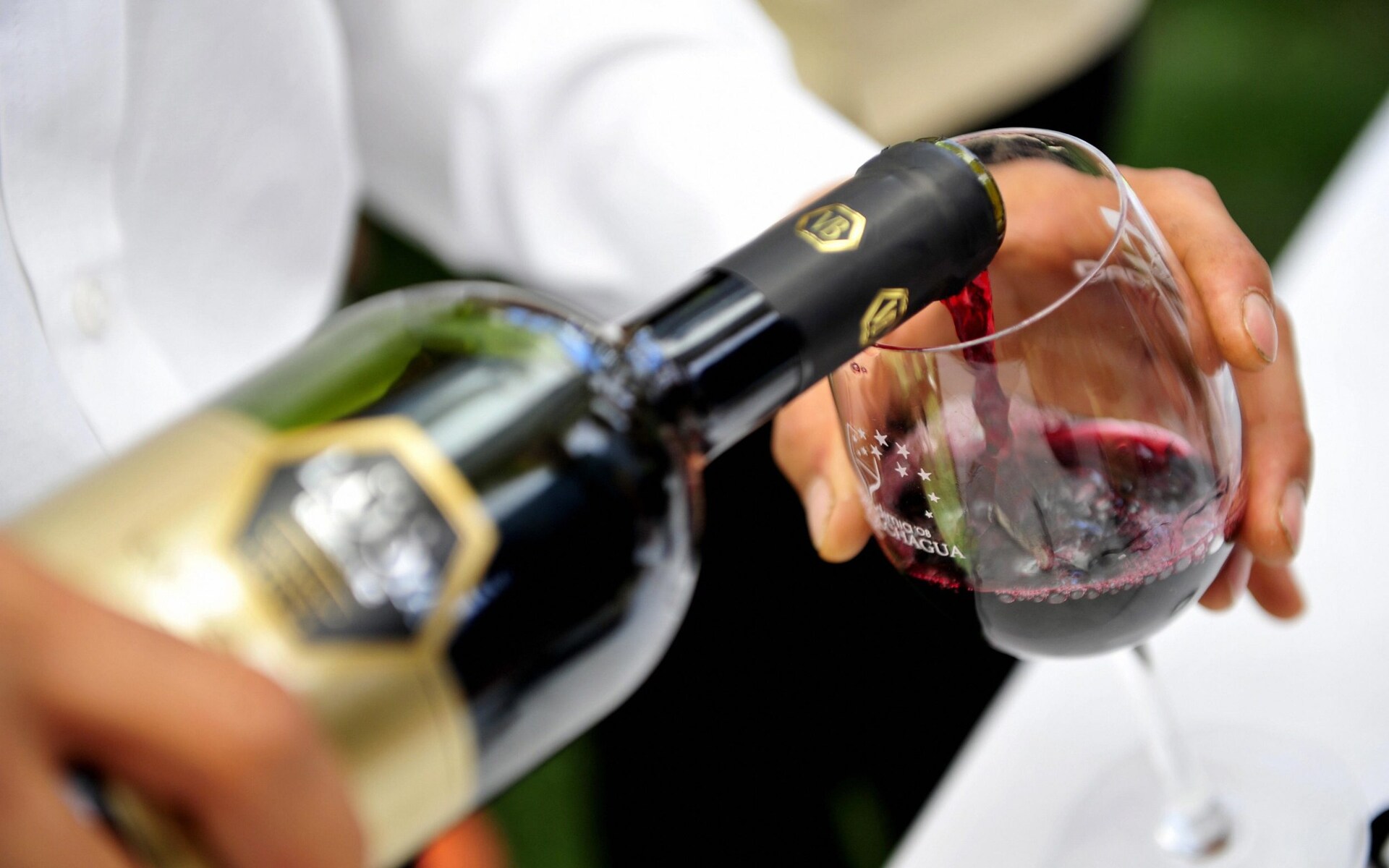
For decades diners battling complicated wine lists have opted for the comfort of a bottle of house red.
But mounting financial pressures could now force restaurateurs to cut the most affordable bottles of wine from the menu entirely.
Restaurants’ most dependable choice of wines have been placed under threat from rising business rates and higher costs on already wafer-thin margins.
Restaurateurs keep the costs of their house wines down by bulk-buying stock, but owners have told The Telegraph they can no longer afford to store thousands of pounds worth of wine in their cellars.
Richard Bainbridge, a Great British Menu winner who now runs Benedicts in Norfolk, said: “With everything going on we can’t afford to hold £20k worth of wine as dead stock in the cellar. You don’t want hundreds of bottles of rosé on your books in winter.”
The result has been a gutted wine list.
“Our wine list – we have taken it right down,” he added. “So we are buying smaller amounts more regularly, moving with the market and following the seasons. At the moment English white wines are really popular.
“I have friends at other restaurants who are sitting on a lot of wine but they are using it up now. They would rather invest the money or have it in an account making interest.”
This, alongside people’s changing drinking habits of indulging less or not at all, means the price of wine is surging.
The cost of an average glass of wine has risen by 37.6 per cent in the past six years, according to trade body UK Hospitality.
Meanwhile, a 125ml serving of sparkling wine or champagne has also risen by 38.2 per cent compared with pre-pandemic prices.
While the average price of a 175ml glass of wine was £4 in February 2019, it was £5.17 by January 2025, according to the latest Office for National Statistics figures.
People drink before they go out
Bainbridge, who worked under Michel Roux Snr at the three Michelin-starred Waterside Inn, said stock limitation combined with sapping demand for alcoholic drinks meant prices across the board were tracking upwards.
“We find a lot of people are having drinks before they come to the restaurant. Some people are drinking less. People just go for a glass or two,” he said, adding: “It is so difficult for us at the moment because we are all in it for the love and for the passion.”
Tom Brown, whose eponymous restaurant in London was awarded a Michelin star in February, agreed the days of cheaper prices were over because restaurants could no longer afford to buy in bulk.
He told The Telegraph: “Cash flow is so key to businesses, you can’t lock it up. You need to keep the stock tighter so you don’t have funds tied up.
“For me, as much as you want those margins, you want a restaurant full of happy people ordering the wine. Or some people will be thinking I’ll just have a beer instead.”
Noting that prices were still a balancing act, he added: “If you don’t have some affordable wines then you are going to sell nothing.”
Glynn Purnell, who was awarded Michelin stars for his restaurants Jessica’s and Purnell’s, however, may have found a solution.
He has turned to making his own blend of wine, a more literal take on “house wine”.
“We’ve brought back house wine,” he said. “We have had our own blend of wine made. We are trying to bring back that affordable bottle and it has really worked.
“Economically a good house wine brings customers in knowing they can have an affordable bottle without being stung.”
The trend of creating your own has spread through fine dining, finding success in restaurants including KOL in Marylebone, St John in Clerkenwell, Trullo in Islington, Bavette in Leeds, Paradise Soho, Noble Rot (three branches in central London), Manteca in Shoreditch and Barrafina on Dean Street, Soho.
At Le Relais de Venise L’Entrecôte, with its outposts in Marylebone and the City, the steak frites and walnut salad has been the only option on the menu since 1959. To accompany, the restaurant offers a bottle of its own brand Côtes de Bordeaux for £27.
The restaurant said: “Having our own branded bottle gives the restaurant a sense of identity and consistency. It reflects the same philosophy as the food: simple, reliable, good value and done well.
“For many regulars, it has become part of the ritual – the salad, the steak frites, the sauce and the house wine.”
Hopefully, the traditional house wine is not quite dead yet.