
Spain has called for the creation of a European Union army to replace the protections offered by Nato.
José Manuel Albares, its foreign minister, suggested the bloc may not be able to count on the US-led military alliance to provide security guarantees.
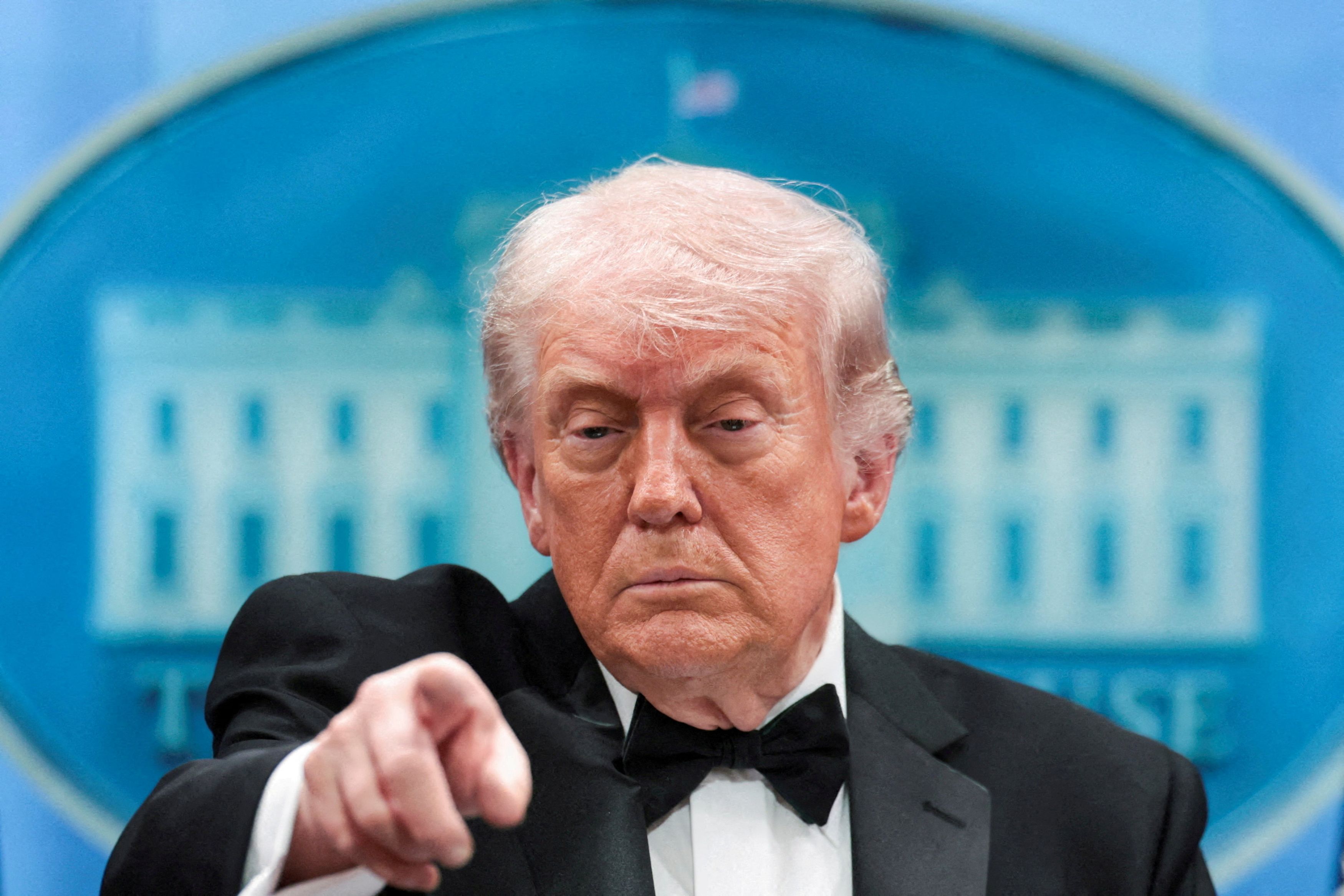
Mr Albares said that if the EU did not rely on Nato, Donald Trump could not hold its security to ransom.
Madrid is on the front line of the transatlantic spat between Mr Trump and his European allies.
The US president has threatened to impose extra trade tariffs on Spain over its refusal to increase defence spending to 5 per cent of gross domestic product (GDP).
Mr Trump has also suggested he could withdraw American troops from bases there or suspend the country from Nato over the refusal by Pedro Sanchez, the Spanish prime minister, to support his war in Iran.
“We cannot be waking up every morning wondering what the US will do next… our citizens deserve better,” Mr Albares told the Politico news website.
“This is the moment of the sovereignty and independence of Europe. The Americans are inviting us to that,” he added.
“We have to be free of dependence. Free of dependence means to be free of coercion, whether it comes to tariffs or the use of military threat. And free of the consequences of someone else’s decisions.”
Brussels is gripped by numerous discussions about how to handle Mr Trump’s perceived lack of interest in Nato.
Many of those discussions have focused on what more the EU can do for security because 24 of its member states are also part of the military alliance.
Mr Albares believes the bloc should have its own version of Nato’s Article 5, the mutual defence clause which states an attack on one ally is an attack on them all.
“The magic of Nato is that you are in Nato and nothing happens because no one dares to try to check if Article 5 really works or not,” he said.
“That’s what we have to recreate – the deterrence. That if you want to mess with me, go somewhere else. Because we will stand together.”
The EU has its own mutual defence clause – Article 42.7 – which claims if one member state is the victim of an armed attack, the others have an obligation to support it.
But most insiders understand that Brussels does not have the military capabilities to make the clause a meaningful deterrent to would-be attackers.
A majority of European leaders believe it is better to strengthen their militaries inside Nato’s current structures, rather than forging a separate path through the EU.
For this, they have agreed to boost spending and invest in critical systems, such as air defence, long-range missiles and satellite intelligence, to make themselves more independent from the US.
Both EU foreign and defence ministers are set to discuss military independence at separate meetings in Brussels this week.
Recommended
The '10 ways Europe can free itself' from US military
Before the first gathering, Kaja Kallas, the EU’s top diplomat, rejected Vladimir Putin’s proposal for Gerhard Schröder, the former German chancellor, to represent the bloc in direct talks with Moscow.
“If we give the right to Russia to appoint a negotiator on our behalf, you know, that would not be very wise,” Ms Kallas said.
She insisted Mr Schröder had been a “high-level lobbyist for Russian state-owned companies, so it’s clear why Putin wants him to be the person, so he would be sitting on both sides of the table”.