ANNANDALE, Va.—At 9:30 a.m. every Sunday, a dozen parishioners at Annandale United Methodist Church discuss the lessons of the Bible and how to maintain faith in a complicated world.
The conversation often drifts into a political debate, which is something of an anomaly. While American Christians are a diverse group, open political debate is rare within many sanctuaries today. Many churches opt out of politics altogether or are largely aligned with one side of the aisle, according to interviews with several pastors.
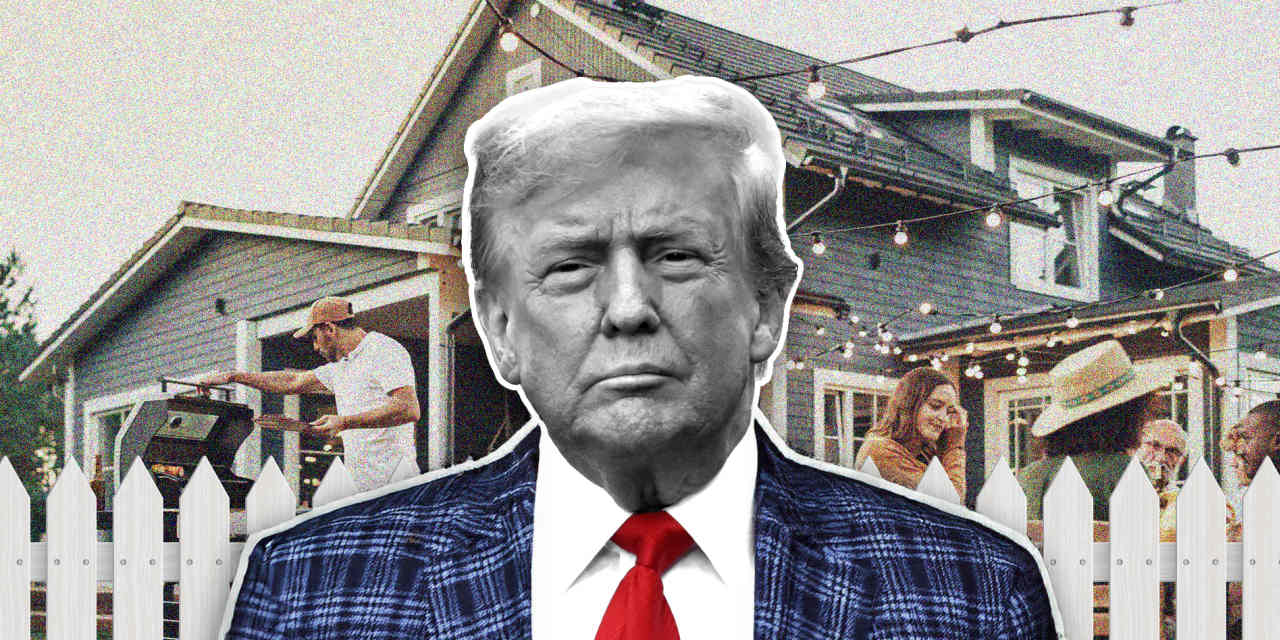
The Sunday group recently sat in a circle in a chapel next to the sanctuary to discuss President Trump, the war in Iran and forgiveness. The conversation followed Trump’s feud with Pope Leo XIV, along with an AI-generated image the president posted online that appeared to depict him as a Jesus-like figure, which prompted condemnation from some on the Christian right. The image was later deleted.
Here are some of their perspectives.
Faith, fatherhood and country
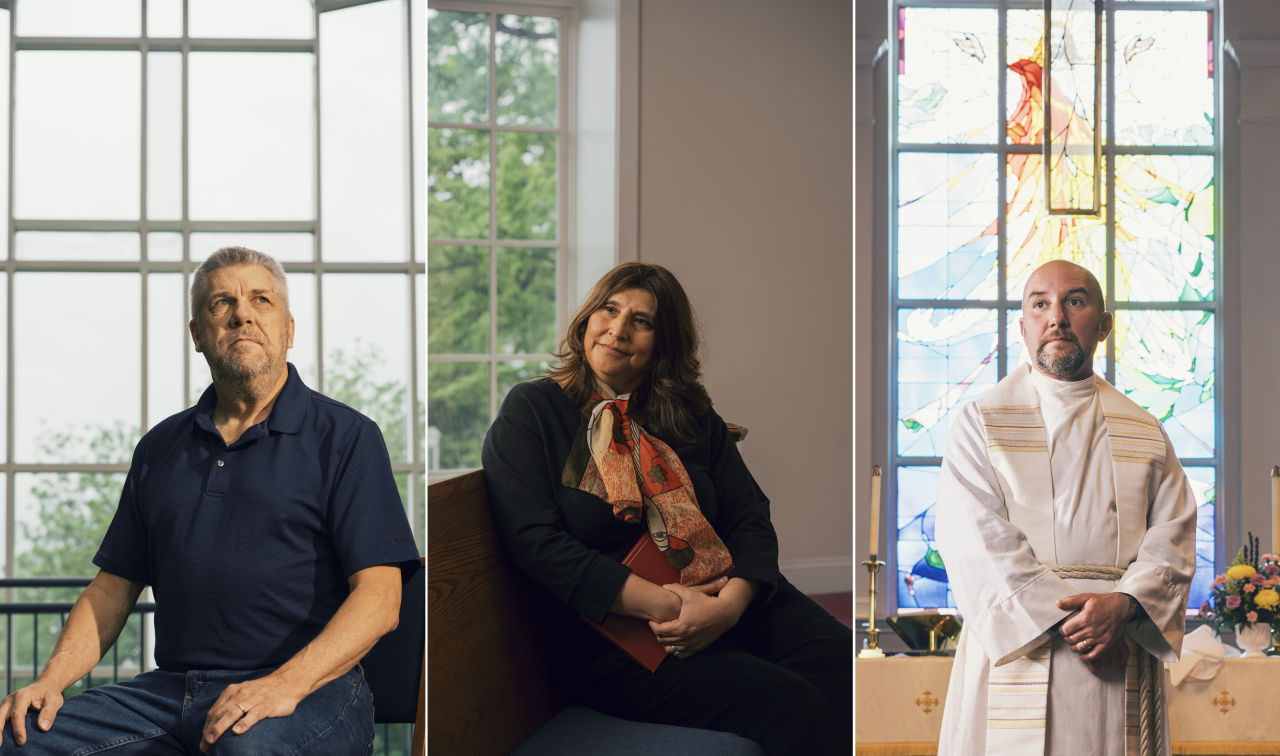
Jason Micheli, 48, the church’s pastor, said he believes the Iranian government poses a threat to global security but vehemently opposes war. As a father of two sons who recently joined the military, he’s worried the war will result in negative consequences.
A spiritual leader to Trump administration officials and supporters, he said he must put aside his feelings about the war and emphasize to parishioners that faith supersedes their political alliances.
Micheli said he draws a line at any depictions that characterize public officials as religious icons. He said it was his responsibility to criticize Trump after he lambasted the pope and posted the image of himself as a Christ-like figure.
“If public figures are taking the Lord’s name in vain, call it out,” he said to the group.
As he mediated a debate on that issue, Micheli also criticized former President Barack Obama’s 2008 “Hope” campaign image, saying its portrayal has religious parallels that are also problematic for Christians.
Seeking to understand Trump
Meily Grigg, 53, a special-education teacher and parishioner at the church, said Trump’s immigration policies have had an impact on some of her students, whose parents withdrew them from classes after fearing immigration services could separate them. She says she has prayed for the president throughout his second term despite her political disagreements.
“God has challenged me to see him as a person and respond differently,” Grigg said.
In the Sunday group, she said it was their duty as Christians to forgive the president. “I’ve got my own problems. I’m not perfect,” Grigg told the class. She said she’s doubled down on her faith since Trump’s return to office and hopes he will steer the rest of his presidency in a positive direction.
Longing for forgiveness
Jon Zimmermann, a 62-year-old financial-services professional who joined the church several months ago, said the president doesn’t deserve forgiveness for what he described as dividing the nation—because the president doesn’t seek it.
Images of destruction in Iran and Gaza have made Zimmermann furious with Trump.
Other parishioners said Trump’s military action in Iran was necessary to curb a state sponsor of terrorism. J.C. Herz, a fellow member of the class, said conflict with a nuclear-empowered Iran was inevitable and expressed the importance of “destroying the will of the enemy as quickly as possible” from a military perspective.
Zimmermann disagreed. “We don’t think about the people being killed,” he said.
Micheli interjected and said it was crucial that “Christians not be naive or sentimental.”
When the group agreed it was important to forgive others, including Trump, for their sins, Zimmermann pushed back: “It’s not my job to forgive somebody.”
He said he hopes his faith can allow him to forgive Trump, but he isn’t there yet. “I would be happy to get to that point someday,” Zimmermann said.
Write to Terell Wright at terell.wright@wsj.com