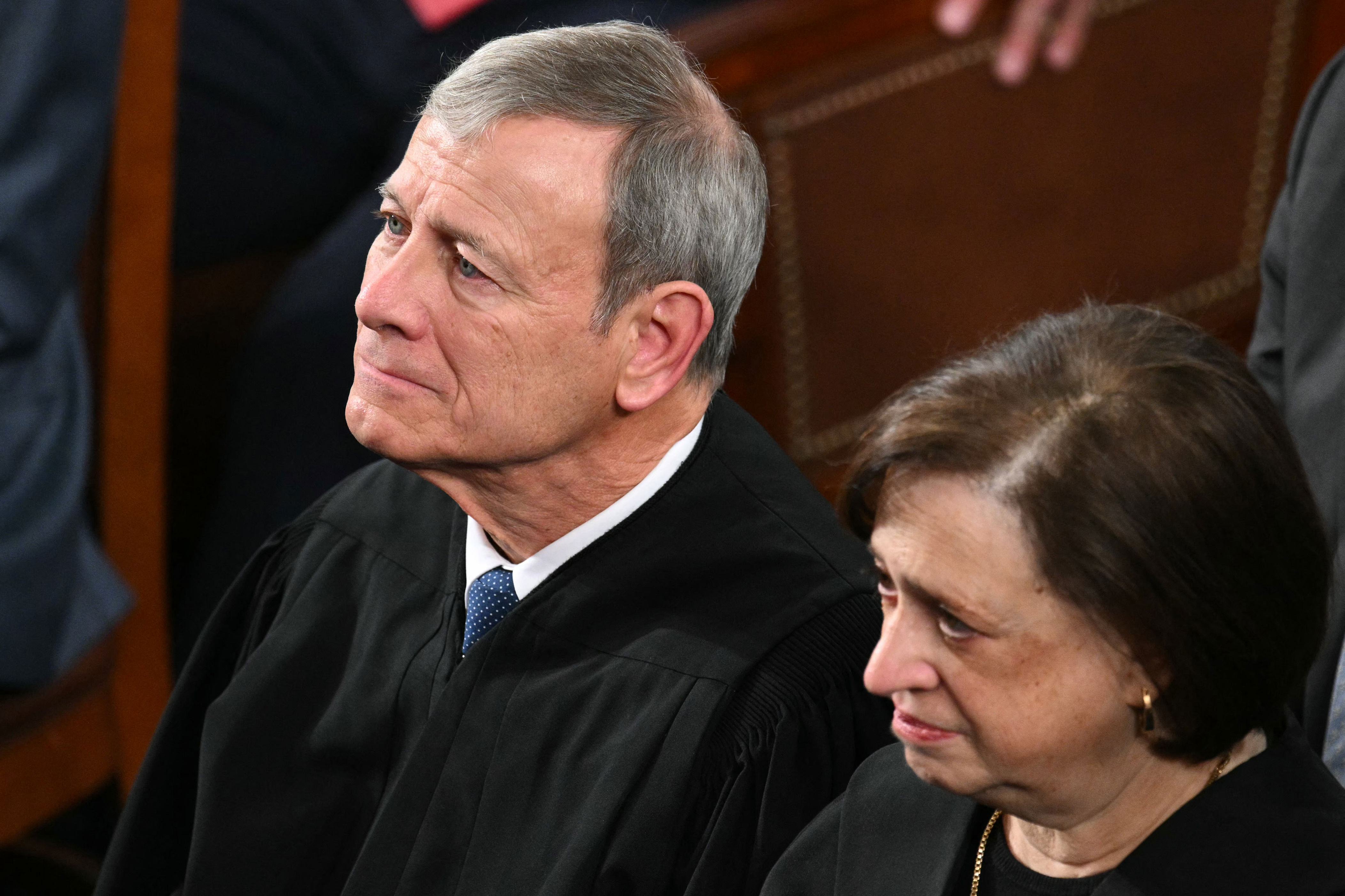
Conservative Chief Justice John Roberts said at a Wednesday judicial conference that the Supreme Court must be cautious about overruling precedents, warning that it can create problems if done for ideological reasons.
The chief justice’s remarks came as the Supreme Court faces increasing scrutiny and criticism from across the political spectrum. Polling shows both Democrats and Republicans want reforms, as approval of the top judicial body has hit historic lows.
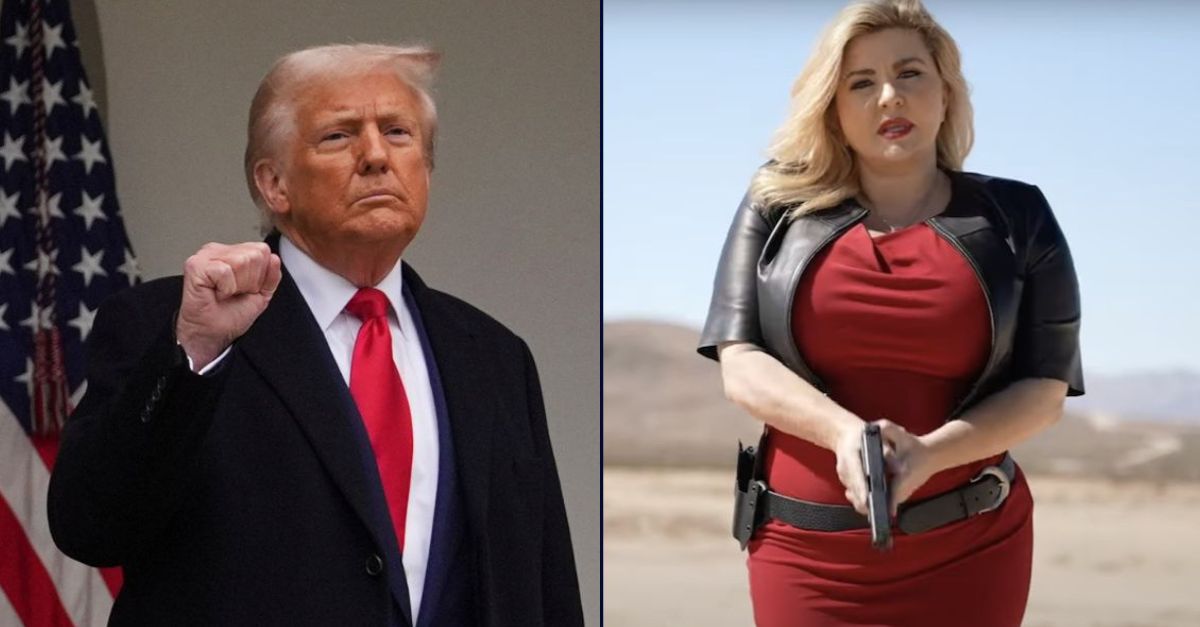
Notably, the Supreme Court, which has a 6-3 conservative majority, has drawn significant backlash from Democrats for overturning precedents tied to abortion rights, affirmative action and election laws, among others. Meanwhile, the court’s conservative justices have faced pressure and direct criticism from President Donald Trump and his GOP allies for ruling against the administration on tariffs, and speculation that it will do so on the “birthright citizenship” as well.
“If you do it cavalierly, overrule precedent just because you think it’s wrong, then the whole system begins to suffer,” Roberts, who was appointed by former President George W. Bush, said at the Pennsylvania event.
Roberts also pushed back on the idea that the Supreme Court justices are “political actors”.
“I think at a very basic level, people think we’re making policy decisions, [that] we’re saying we think this is what things should be as opposed to this is what the law provides,” he said. “I think they view us as truly political actors, which I don’t think is an accurate understanding of what we do. I would say that’s the main difficulty.”
Chief Justice Roberts on What People Get Wrong about Supreme Court
Roberts said that “at a very basic level, people think we’re making policy decisions,” but he dismissed this interpretation of the court’s role, saying it is not an “accurate understanding of what we do.”
“We’re not simply part of the political process, and there’s a reason for that, and I’m not sure people grasp that as much as is appropriate,” Roberts said.
“I think considered criticism is a very good thing,” he added. “You hope it’s intelligent criticism, but it doesn’t have to be. It’s a free country and I certainly don’t object to it, and I don’t think my colleagues do either.”
Roberts noted that often decision are “unpopular,” but that those ruling are “based on our best effort to figure out what the Constitution means and how it applies.”
When Has Trump Criticized the Supreme Court?
After the Supreme Court struck down a major pillar of Donald Trump’s second-term trade policy—his sweeping global tariffs—he denounced the decision as “deeply disappointing,” said he was “ashamed” of certain justices, and suggested the Court had been “swayed by foreign interests.”
In the same burst of criticism, he took aim at members of the conservative bloc—including appointees Neil Gorsuch and Amy Coney Barrett—calling them an “embarrassment to their families,” brushing off whether the justices would attend his State of the Union, and vowing to keep pursuing new tariffs through other legal avenues.
In the run-up to the tariff showdown, Donald Trump also used social media to warn that a loss at the Supreme Court would bring “chaos” and leave the country “screwed,” framing the justices’ review as a high-stakes threat to national security and his governing program.
After the Court ruled against him, he continued by praising the dissenters while disparaging the majority—keeping the focus on individual justices and motives—reinforcing a second-term pattern of responding to Supreme Court resistance with direct public attacks and insinuations of improper influence.
As the Supreme Court weighed litigation tied to his push to restrict birthright citizenship, Donald Trump publicly criticized the conservative justices he had nominated, complaining they were asking “real bad questions” and predicting they would rule against his administration.
He amplified that pressure while the case was still pending by accusing those same justices of having “totally misrepresented who they were,” casting the looming ruling in explicitly personal and political terms rather than treating it as an ordinary judicial dispute.
Related Articles