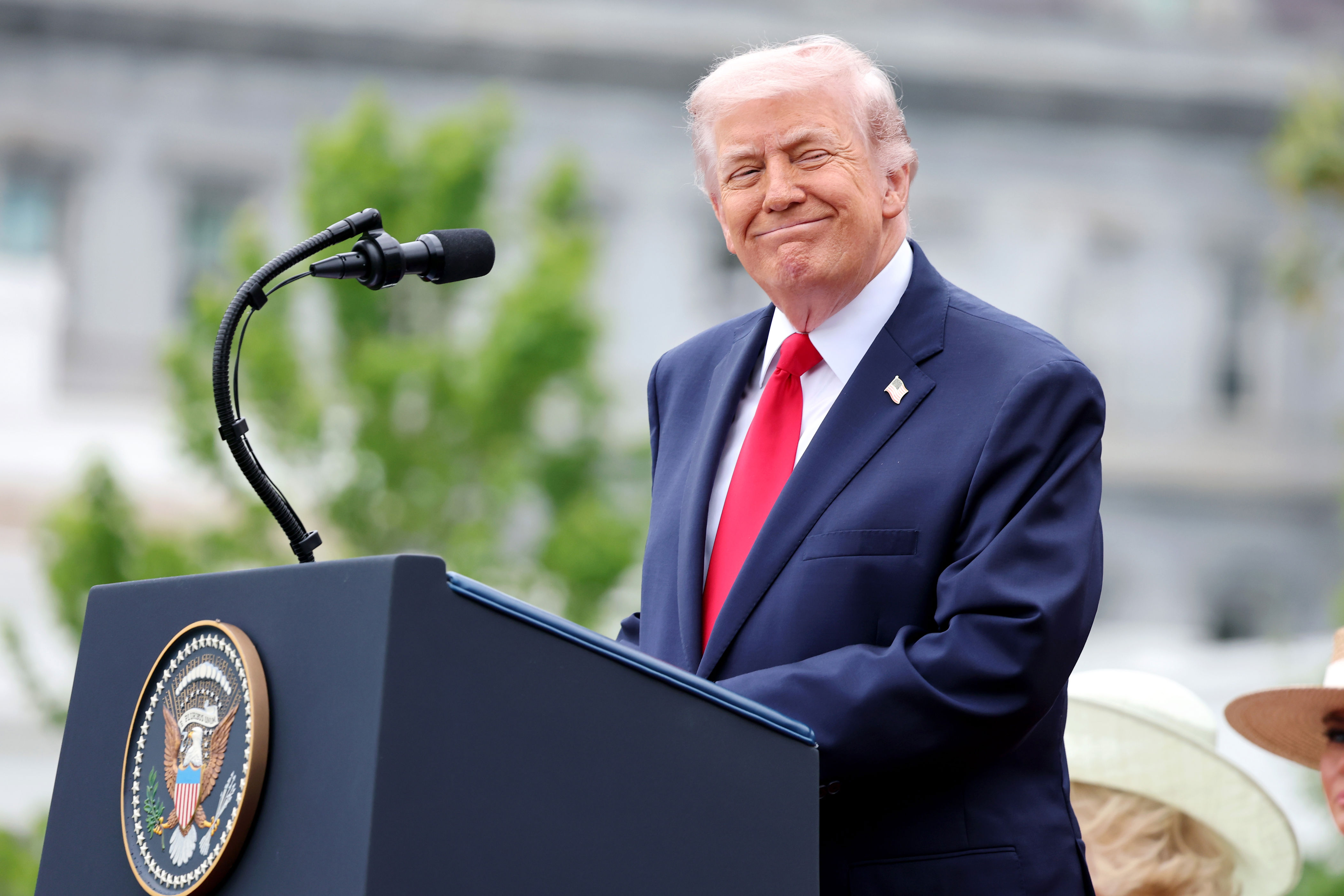
President Donald Trump’s approval rating has fallen to its lowest level on record, with sharp declines among men and white voters who were once central to his political base, according to a new Reuters/Ipsos poll.
The survey, conducted this week, shows support eroding across multiple demographic groups as Americans increasingly link the war with Iran to rising prices and worsening economic strain. The drop marks one of the most significant shifts in public sentiment since Trump took office.
The poll shows Trump’s approval falling to just 37 percent among men and 44 percent among white voters, both record lows for groups that once formed the backbone of his political support. Overall, his approval has fallen in multiple categories, including immigration, cost of living, foreign policy and economy, the poll shows, with net approval falling to the all-time low of minus-30 percent.
Why It Matters
The findings highlight a rare and consequential weakening inside the coalition that has historically buoyed Trump through political crises.
Reuters reported that approval among men and white voters—groups that have consistently given Trump some of his strongest numbers—has fallen to new lows amid frustration over inflation, fuel costs and the broader economic fallout from the Iran war.
The poll underscores how the war’s impact on household budgets is reshaping voter attitudes, even among demographics that previously backed Trump’s foreign‑policy posture.
Analysts told Reuters that the combination of a grinding overseas conflict and rising domestic costs is proving politically damaging in ways the White House has struggled to counter.
What to Know
Approval among men has dropped sharply, Reuters reported, with the latest survey showing a notable decline from earlier this year as economic concerns intensify. Men have historically been one of Trump’s most reliable blocs, but the poll indicates growing dissatisfaction with the administration’s handling of the war and its economic consequences.
Support among white voters—another cornerstone of Trump’s coalition—has also fallen to a new low. Reuters noted that many respondents cited fuel prices, grocery costs and uncertainty tied to repeated Iranian blockades of the Strait of Hormuz as reasons for their frustration. The shift is significant because white voters have consistently given Trump some of his highest approval margins.
The poll found that cost‑of‑living pressures now outrank immigration and crime as the public’s top concerns. Americans across demographic groups reported feeling less financially secure than they did earlier in the year, with many directly linking their strain to the conflict in the Middle East.
Reuters reported that dissatisfaction is also spreading among independents and Republican‑leaning voters, some of whom previously supported Trump’s foreign‑policy approach but now question the war’s duration and economic impact. The White House has defended its strategy, arguing that sustained military pressure is necessary to force Iran into a ceasefire.
What Happens Next
The poll’s findings are likely to intensify pressure on the administration as it navigates the war and domestic economic anxieties. Analysts told Reuters that unless fuel prices stabilize and the conflict shows signs of winding down, Trump might face continued erosion in support—including among groups that have historically formed the backbone of his political strength.
The White House is expected to increase its messaging on economic resilience and national security in the coming days. But with Americans feeling the financial effects of the conflict and key demographic blocs showing signs of fatigue, the president enters a politically precarious stretch.
Related Articles