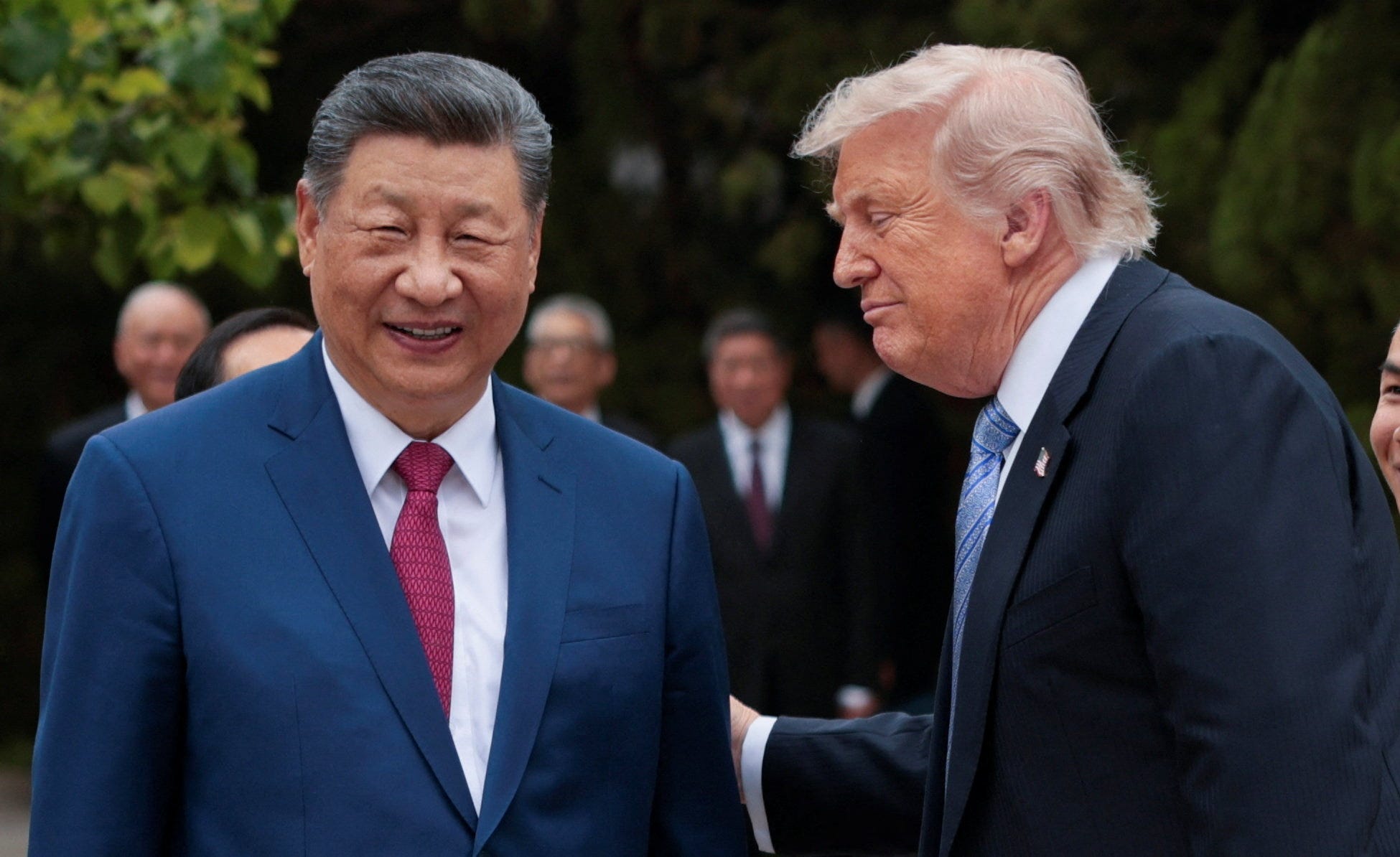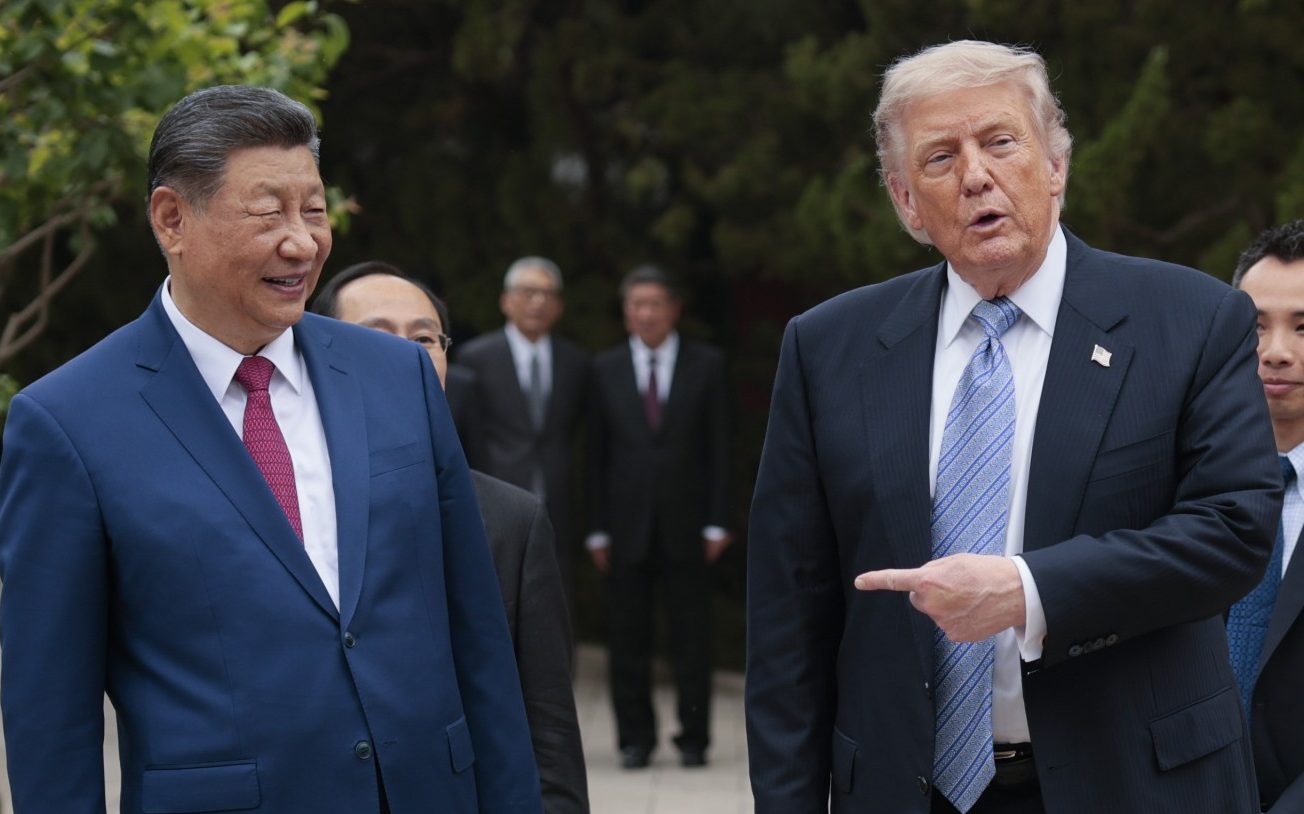
Donald Trump pushed back on claims made by Xi Jinping that America is a “declining nation” on the final day of his state visit to China.
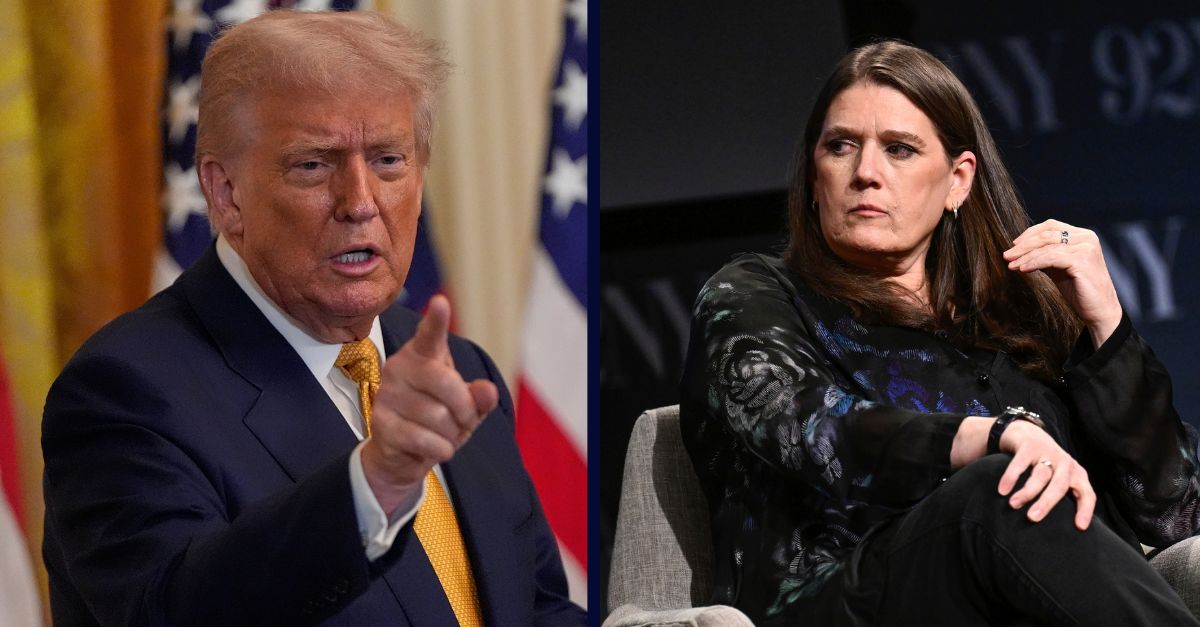
The US president, who attended two days of meetings and meals with his Chinese counterpart, accepted that “tremendous damage” had been done to the US in recent years but he blamed Joe Biden, his predecessor.
“When President Xi very elegantly referred to the United States as perhaps being a declining nation, he was referring to the tremendous damage we suffered during the four years of Sleepy Joe Biden and the Biden Administration,” the US president wrote before the second day of talks. “On that score, he was 100% correct,” he added.
In his only post on Truth Social during the visit, Mr Trump wrote that the US had demonstrated in Iran that it had the “strongest military on earth, by far”.
“Two years ago we were, in fact, a Nation in decline. On that I fully agree with President Xi! But now the United States is the hottest nation on anywhere in the world,” he said.
It’s unclear whether his post was in response to Mr Xi referring to the Thucydides trap, a term to describe an emerging power displacing a ruling power, during his opening remarks on Thursday, or a comment that was made behind closed doors.
But during a trip where Mr Trump continuously heaped praise on Mr Xi, calling him a “friend” and a “great leader”, the single social media post took on a more defensive tone.
Mr Trump also insisted that the world’s two biggest powers were on good terms, despite deep differences on Iran, Taiwan and trade, and said he had made “fantastic trade deals” with China.
But as the summit drew to a close on Friday – with Mr Xi welcoming Mr Trump at his official residence, Zhongnanhai, for talks – there was little sign of significant breakthroughs.
Mr Trump had arrived in Beijing seeking to seal accords in sectors including agriculture, aviation and AI, as well as to contain differences between the two sides in a number of tense geostrategic areas – not least the Middle East war.
But the president’s overtures to Mr Xi were met with more muted tones by the Chinese leader.
Mr Trump did not spell out the trade agreements that he said had been sealed with China. However, in an interview with Fox News, the US president said one big business deal involved Mr Xi agreeing to purchase “200 big” Boeing jets.
Shares of the US aviation giant fell after Mr Trump’s comments, in a sign the market had expected a more robust purchase from China. As he flew back to the US on Air Force One, he later said Beijing would commit to buying 750 planes if the sale of the first 200 went well.
The US president also said Beijing had voiced interest in buying US oil and soybeans.
Asked about the business deals Mr Trump had mentioned in the interview, China’s foreign ministry did not confirm or deny the information.
Mr Xi said it was a “milestone visit”, and that the two sides had established “a new bilateral relationship, which is a relationship of constructive strategic stability”.
He promised to send Mr Trump seeds for the White House Rose Garden.
Iran
One major talking point during the summit, especially on Friday, was Iran.
The war featured heavily in the only sit-down interview Mr Trump gave during his visit, in which he told Fox News that China would not send Iran “military equipment”.
The same day that Mr Trump flew to China, US officials told the New York Times that Chinese companies were planning to send Iran weapons through third countries.
This followed earlier reports that China may have transferred shoulder-fired missiles, known as Manpads, to Iran which Beijing denied.
According to Mr Trump, Mr Xi offered to be “of any help whatsoever” in reopening the Strait of Hormuz. Later, on Air Force One, he added that Mr Xi “feels strongly that [Iran] can’t have a nuclear weapon and he wants them to open up the strait”.
While China’s foreign ministry also issued a statement saying that the war in Iran “should not have happened in the first place” and it was important to reach “a comprehensive and lasting ceasefire”, it made no mention of weapons shipments.
It also did not say that China would like to see Iran without nuclear weapons, a point that Mr Trump repeated several times.
Beijing, which is far more tight-lipped when it comes to public statements than the Trump administration, is likely to be playing a balancing act, unwilling to upset Washington but also eager to maintain its relationship with Tehran, from which it gets 14 per cent of its oil.
Taiwan
Another topic that dominated coverage of the summit was Taiwan.
On the return leg of his journey, the US president said that he and Mr Xi “talked a lot about Taiwan” and that the Chinese president had asked whether the US would defend the island.
“He doesn’t want to see a war,” Mr Trump told reporters. “He does not want to see a fight for independence. I didn’t make a comment on it, I heard him out.”
Even before the first bilateral between Mr Trump and Mr Xi had concluded on Thursday, Chinese state media had published the first readout from the summit on Taiwan, which was expected to be high on Beijing’s agenda.
According to state media, Mr Xi reportedly told Mr Trump that “the Taiwan question is the most important issue in China-US relations”.
“If it is handled properly, the bilateral relationship will enjoy overall stability. Otherwise, the two countries will have clashes and even conflicts, putting the entire relationship in great jeopardy,” the statement read.
While this is not the first time that Mr Xi has hinted that Taiwan, which Beijing claims as part of its territory, could trigger a conflict between the US and China, it is one of the strongest lines that the Chinese president employs to threaten Washington.
But these tactics don’t seem to have had much impact to sway matters.
Marco Rubio, the US secretary of state, who was the only official to speak on the issue, told NBC News that the US policy towards Taiwan is “unchanged”.
He added that the topic of arms sales between the US and Taiwan, which Beijing was expected to raise as well, “did not feature primarily” in the discussions.
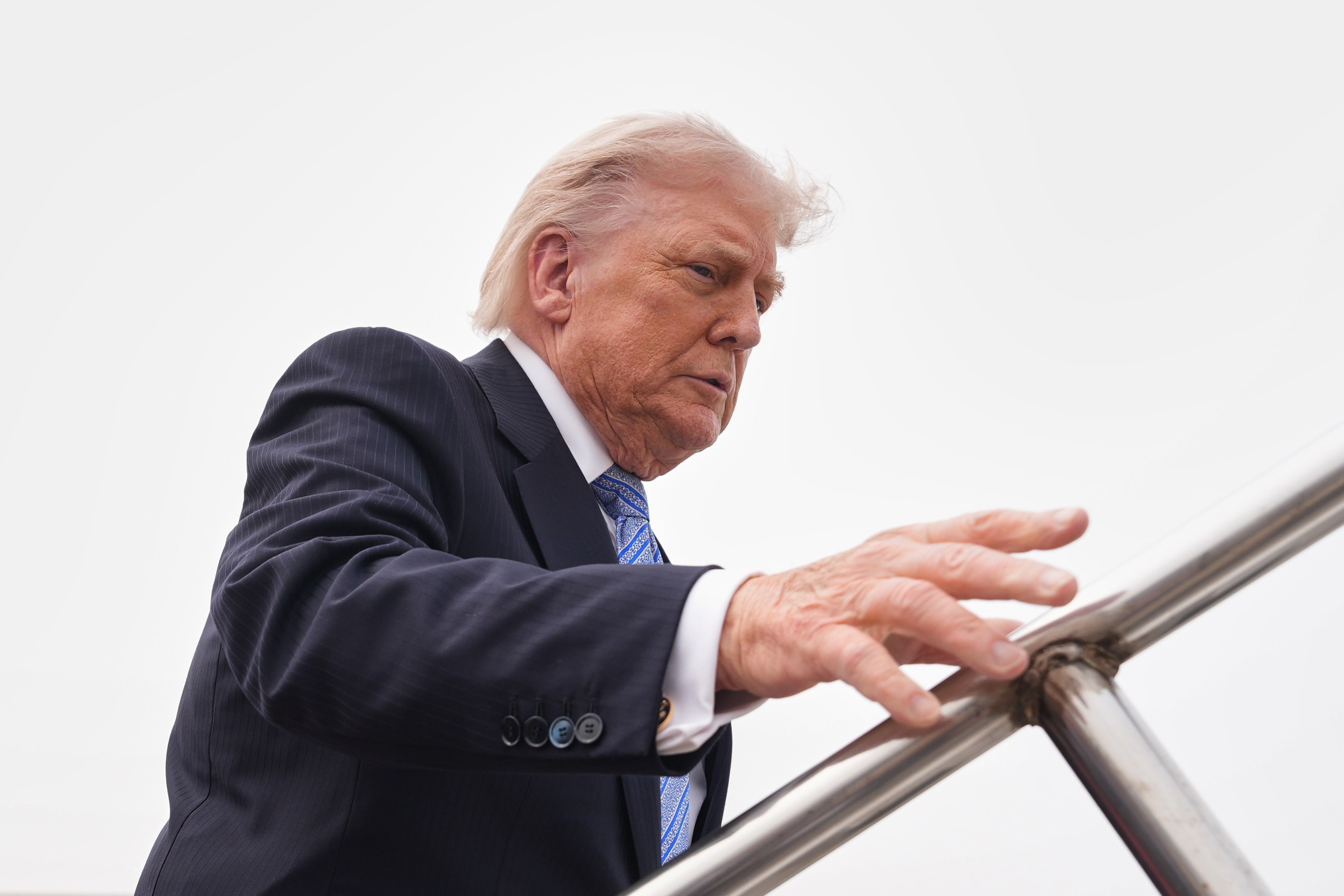
After their garden walk, Mr Xi and Mr Trump had lunch together, before the latter left for the airport. As the US president boarded Air Force One before take-off, he pumped his fist in the air twice.
Recommended
How Trump lost control of the 'best summit ever'
“In some ways both sides got what they wanted and did not get what they wanted,” said Drew Thompson, a former director for China, Taiwan, and Mongolia in the Office of the Secretary of Defense.
“Xi Jinping is not prepared to open up his economy to US manufactured goods and create a more balanced, equitable trading relationship. Just as President Trump is not willing to step away from longstanding US natural national interests and the strategies that support them.”
“It’s clear that there’s a consensus to stabilise the relationship, to manage tensions and prevent the relationship from deteriorating,” he added. But in terms of tangible impact, it’s “too soon to tell”.