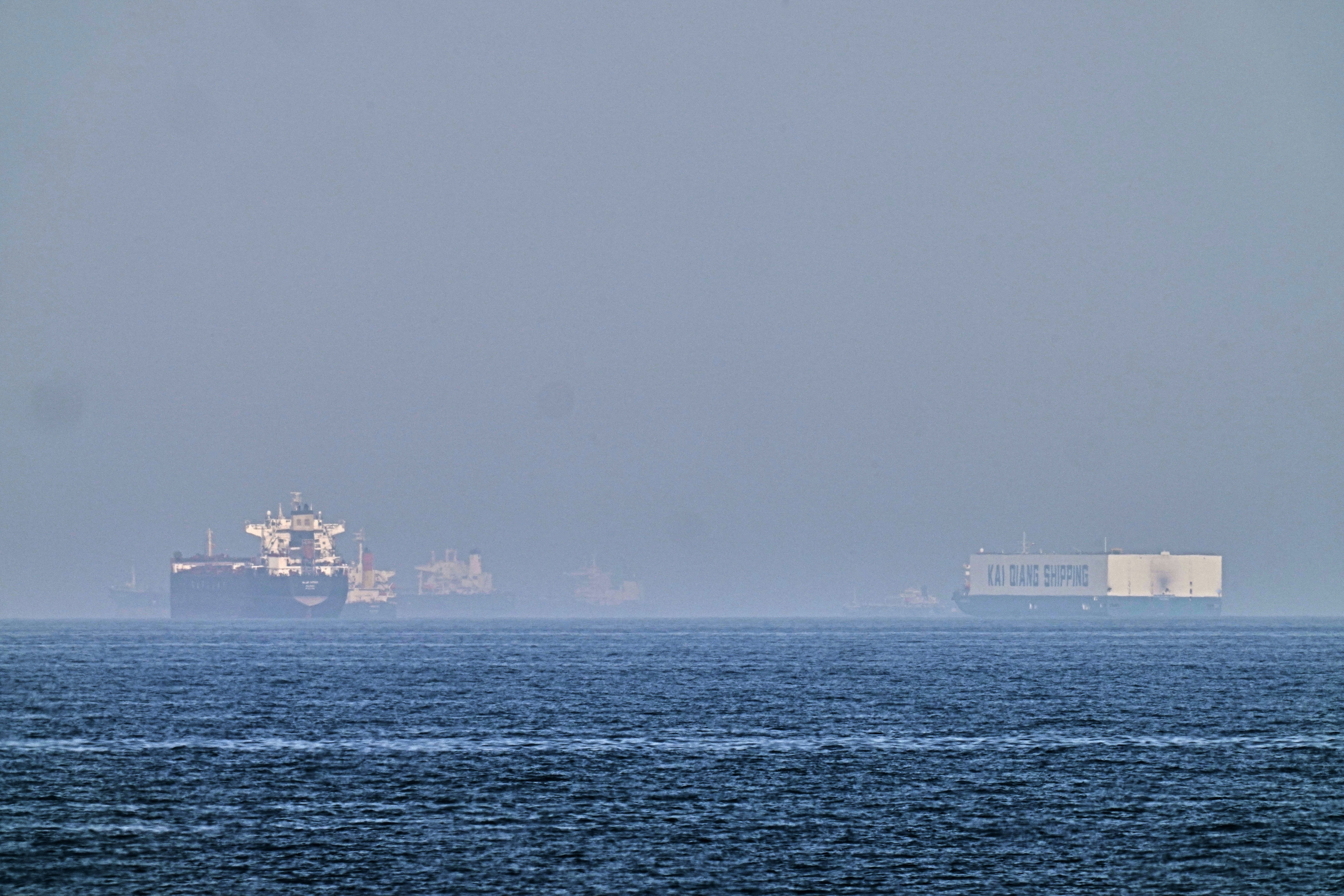
A commercial cargo ship transiting near the Strait of Hormuz said it was attacked early Sunday, the Associated Press reported, citing the United Kingdom Maritime Trade Operations (UKMTO) center, escalating tensions in one of the world’s most sensitive maritime chokepoints as U.S. and Iranian negotiators struggle to keep ceasefire talks alive amid the Iran war.
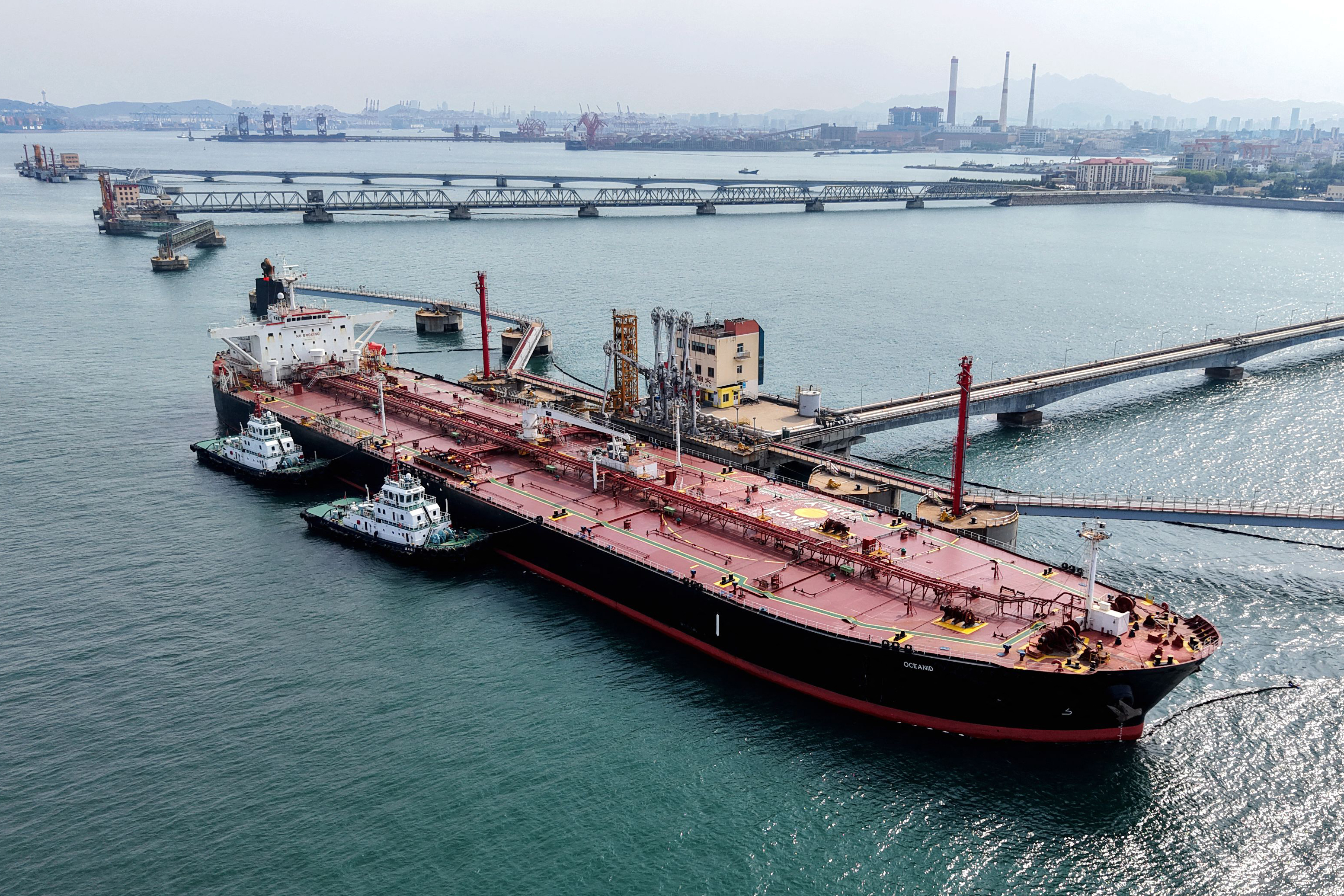
The Strait of Hormuz is the narrow passage through which roughly a fifth of the world’s oil supply moves. Any attack on commercial shipping there threatens global energy markets, insurance rates, and the stability of maritime trade.
There was no immediate claim of responsibility for the attack, which is the first reported in the region since April 22, when a cargo ship reported being fired upon, according to the UKMTO.
What to Know
The unidentified ship, which was heading north off the coast of Sirik, Iran, was attacked Sunday by “multiple small craft,” according to the UKMTO. All crew members were unharmed and the vessel remained operational.
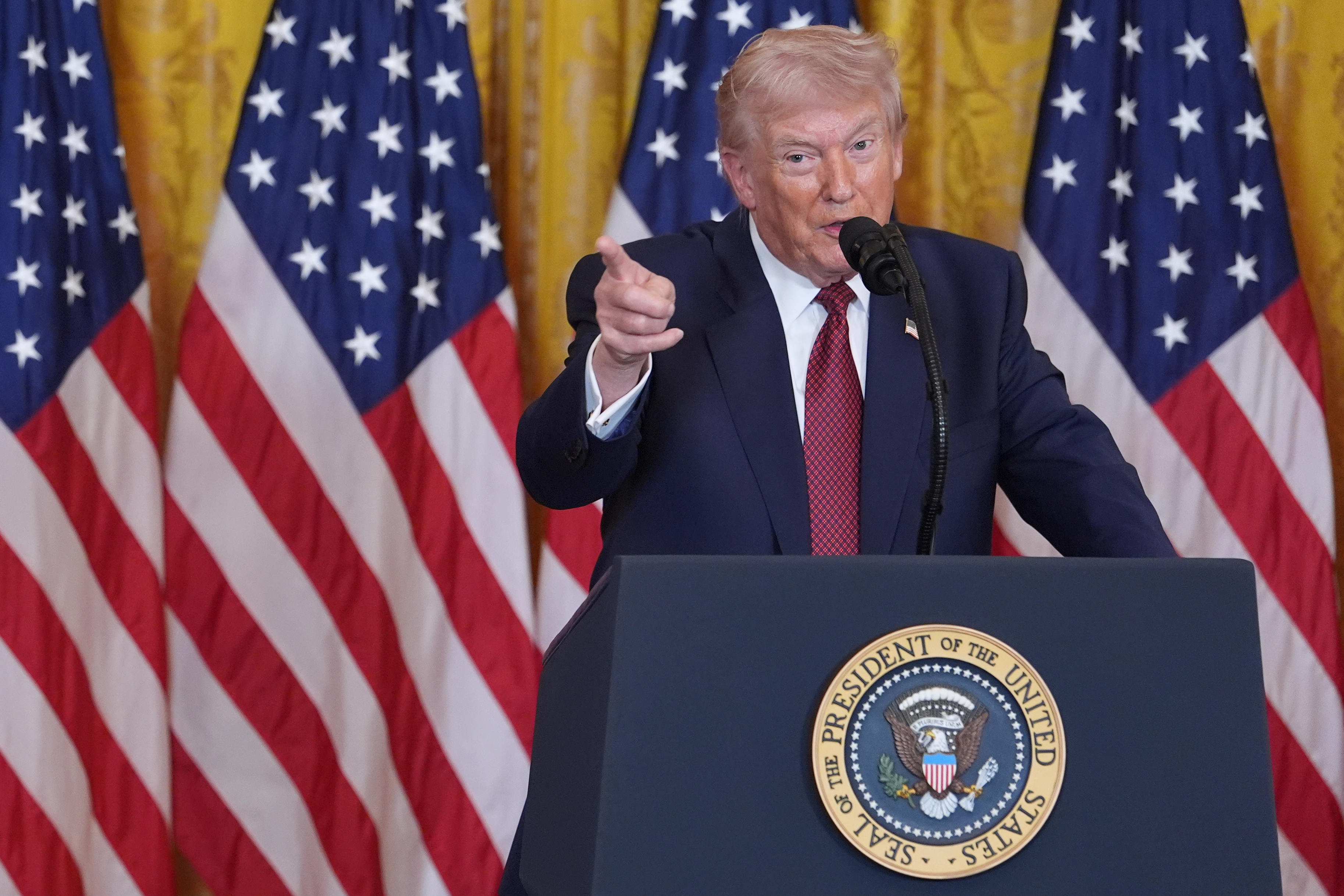
Iranian patrol boats are small and hard to detect and have attacked several ships in the region. Last month, President Donald Trump ordered the military to “shoot and kill” small Iranian boats that deploy mines in the strait.
Iran denied the attack, the semiofficial Iranian outlets Fars and Tabnak reported, per the AP, and said a passing ship had been stopped for a documents check as part of monitoring.
The threat level in the region remains critical as Iran has effectively restricted traffic through the strait by targeting or threatening vessels in recent weeks.
Iranian officials have repeatedly asserted control over the strait and have insisted that vessels not linked to the U.S. or Israel may pass only if they pay a transit fee—a position that challenges long‑standing international norms guaranteeing freedom of navigation, the AP reported.
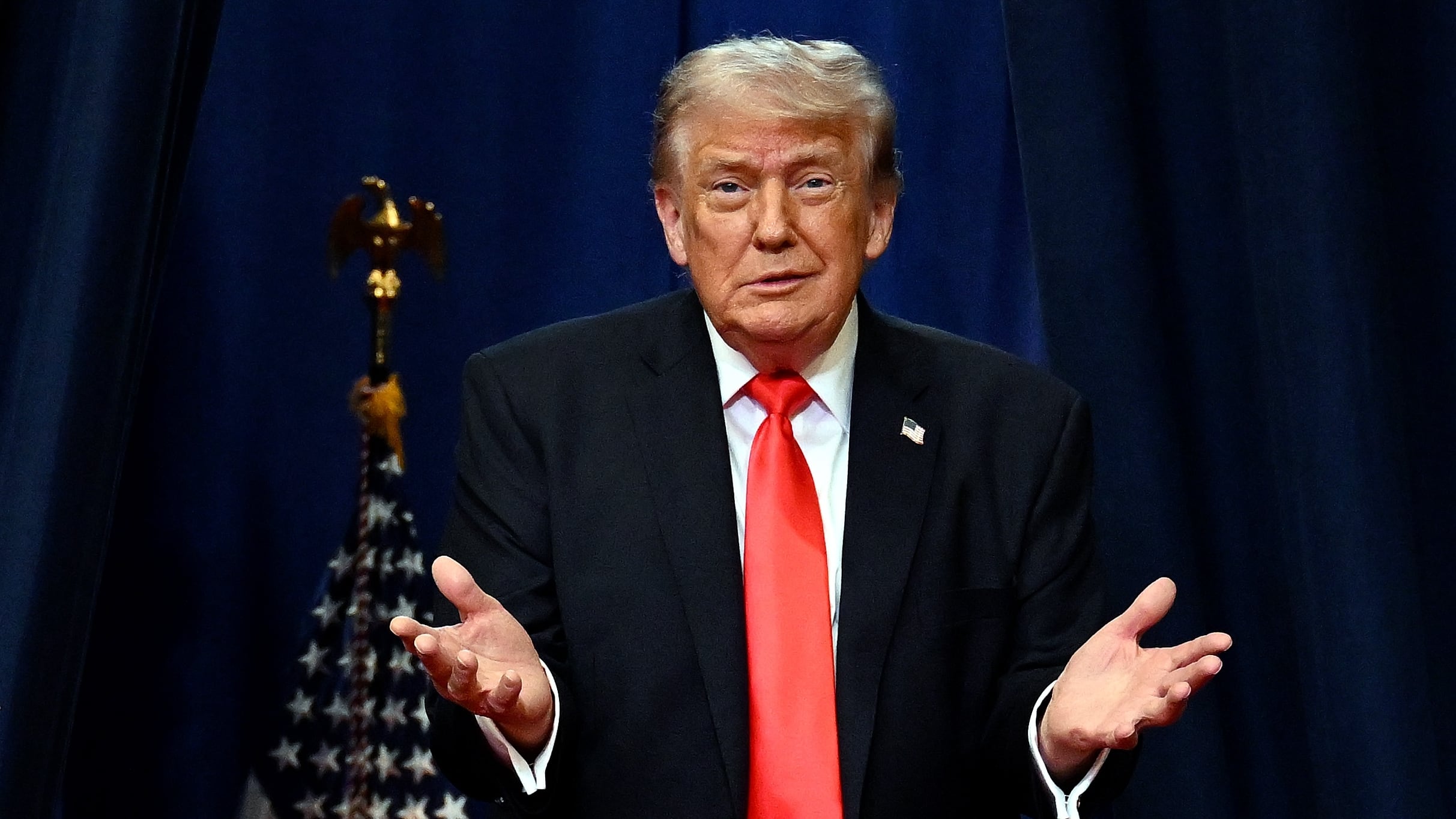
The latest incident unfolded as Tehran said it was reviewing Washington’s latest response to its proposal for ending the war, while stressing the talks do not involve nuclear issues, but do include an end of the U.S. military’s blockade of Iranian ports. Trump said Saturday he was reviewing the proposal but expressed doubt it would lead to a deal, writing on Truth Social that Tehran has “not yet paid a big enough price.”
Meanwhile, commercial operators have already rerouted dozens of tankers and container ships to avoid the strait, citing rising insurance premiums and the risk of miscalculation between U.S. and Iranian naval forces.
Shipping analysts note even a single attack can have outsized consequences. Freight companies often respond by slowing transit, rerouting vessels, or pausing operations entirely—decisions that ripple through global supply chains. Energy traders were already bracing for volatility after repeated closures and restrictions in the Strait of Hormuz earlier in the war.
Timeline of the Iran War
On February 28, the U.S. and Israel targeted key military targets in Iran and killed Supreme Leader Ayatollah Ali Khamenei and other government leaders. Iran responded by launching missiles and drones targeting Israel and several Gulf Arab states that host U.S. armed forces.
By early March, Iran had begun intermittently restricting or fully closing the Strait of Hormuz in retaliation for what it called violations of its sovereignty. Each closure or threat of closure sent global energy markets into turmoil, forcing tankers to reroute and driving up fuel prices worldwide.
Through March and April, the strait became a focal point of the conflict. Iran shut it down multiple times in response to Israeli operations in Lebanon against Hezbollah, U.S. naval movements, and strikes on Kharg Island, while Washington and Gulf states increased patrols to keep commercial traffic moving.
The repeated disruptions have left the global oil market on edge, with even brief shutdowns reverberating into higher gasoline and diesel prices across the U.S.
What Happens Next
Maritime security experts warn more incidents are likely as long as the war continues and proxy groups operate with relative autonomy. Any further escalation near the strait could trigger broader disruptions to global oil flows, adding pressure to fuel markets already strained by the conflict.
This story contains reporting from the Associated Press.
Related Articles