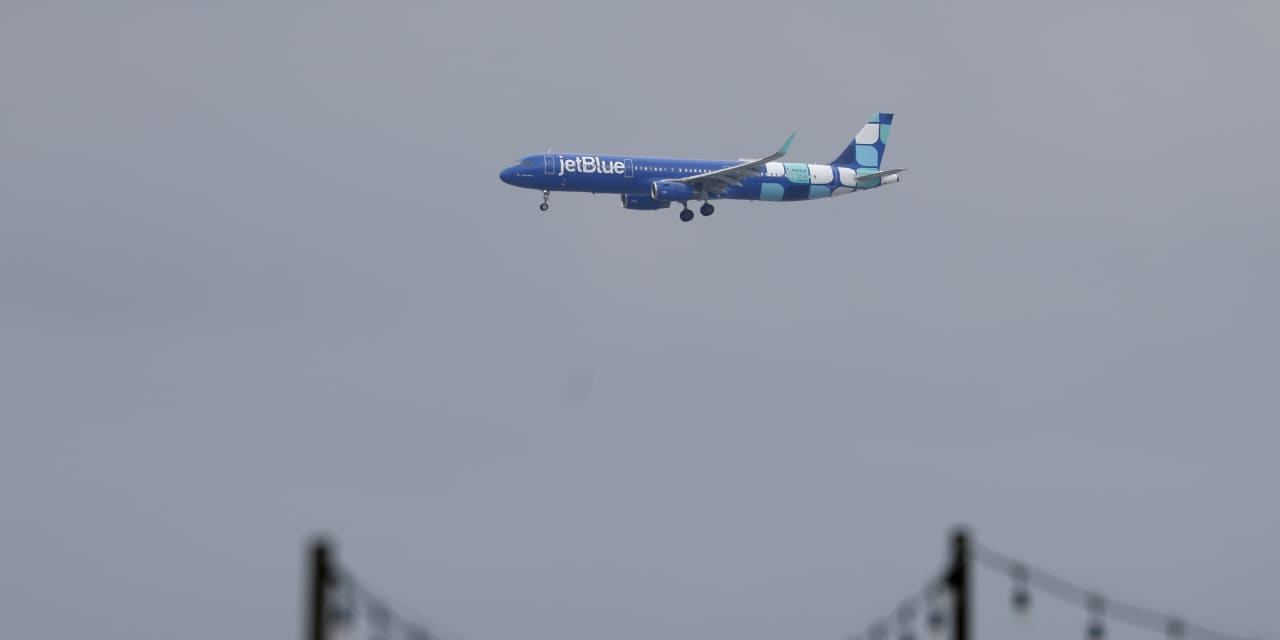
When a frustrated JetBlue customer took to social media to complain about a flight price jumping $230 in one day, the carrier responded with advice to clear their cache and use an incognito browser to find cheaper airfare.
JetBlue has since deleted the post and called it an employee’s “error,” but not before the internet flagged the response as a quiet admission of surveillance pricing, which is the controversial practice of using personal data to set individualized prices.
One post from an anti-digital-surveillance X account calling out the airline was viewed by 2.6 million users as of early Monday afternoon. New York state Assemblymember Emerita Torres posted as well, saying “our personal data should not be used against us. We should not have to go incognito to avoid price gouging.”
AI opens up new paths for labels and musicians, but what happens when AI stars emerge? We spoke with a record executive, a professor, a copyright lawyer and a musician to analyze the risks and opportunities for the industry’s future.Read more: Employers are using your personal data to figure out the lowest salary you’ll accept
Democratic U.S. Rep. Greg Casar from Texas said “Using people’s personal data to charge them more should be illegal,” in response to a separate JetBlue tweet from February where the airline gave a different customer similar advice.
A JetBlue spokesperson apologized for this week’s error in an email to MarketWatch and said its fares “are not determined by cached data or other personal information.” Instead, the airline said pricing is based on real-time availability and can change at any moment based on demand.
Consumer advocates still aren’t convinced.
“JetBlue accidentally tweeted their cold-blooded confession: They are using customers’ search history against them to drive up price,” said Lindsay Owens, executive director of the progressive think tank Groundwork Collaborative. “While JetBlue is now claiming the post was an ‘error,’ their only mistake was pulling back the curtain on their own deceptive pricing practices.”
Whether the tweet was a confession or a clerical error, travel experts say the advice on how to avoid surprise price jumps is a relic of a simpler internet. The trick of using an incognito browser to find cheaper airfare is unlikely to yield major savings because airlines have sophisticated ways of identifying stored cookies and users’ locations.
“I’m going to be honest: Clearing your cache and going incognito to ‘beat’ flight pricing is largely a myth,” said Katie Lynn Reynolds, a travel agent at Travelmation. “I’m constantly pricing out airfare, and the best deals typically don’t come from refreshing your browser 47 times.”
While travel agents see the incognito trick as an ineffective weapon, consumer advocates say it’s one of the few tools consumers have to protect themselves from surveillance pricing. The practice of harvesting search history and personal data reaches far beyond the airline industry, Owens said, and corporations across all industries use “personal data against consumers to extract maximum profit.”
For example, travelers from the San Francisco Bay Area were shown “substantially higher” hotel prices than people booking the same hotels from other parts of the country, a 2025 investigation by SFGate found. Consumer Reports and Groundwork Collaborative found that the grocery delivery service Instacart charged different amounts for the same items, depending on the customer. Instacart said it does not engage in surveillance pricing and that the varied prices were related to tests it was running, a practice which it then stopped.
Lawmakers have taken steps to curb surveillance pricing. Maryland’s legislature just passed the Protection from Predatory Pricing Act, and if signed by the governor, it will become the first state law aimed at specifically banning surveillance pricing, according to Consumer Reports. New York state recently passed a rule requiring companies to disclose to consumers when their prices are set with algorithms that use their personal data, and Assemblymember Torres has introduced a bill called the One Fair Price Act that would outlaw surveillance pricing in New York.
If you’re relying on an incognito window for your next trip, layering more traditional tactics might result in better deals. Your best bet for a cheaper fare is still booking early, setting up price-tracking alerts on sites like Google Flights or working with a travel agent who has exclusive access to bulk fares.
“Airlines use an algorithm and cookies to assess rates and make changes,” Reynolds said. “Your best option is truly just booking early.”
Need help deciding which college you can afford, or managing your student loans? Join our next Don’t Short Yourself Live on Wednesday, April 22, at 1:30 p.m. Eastern time, where MarketWatch’s Beth Pinsker and college admissions expert Andy Lockwood will answer your questions about cutting college costs.