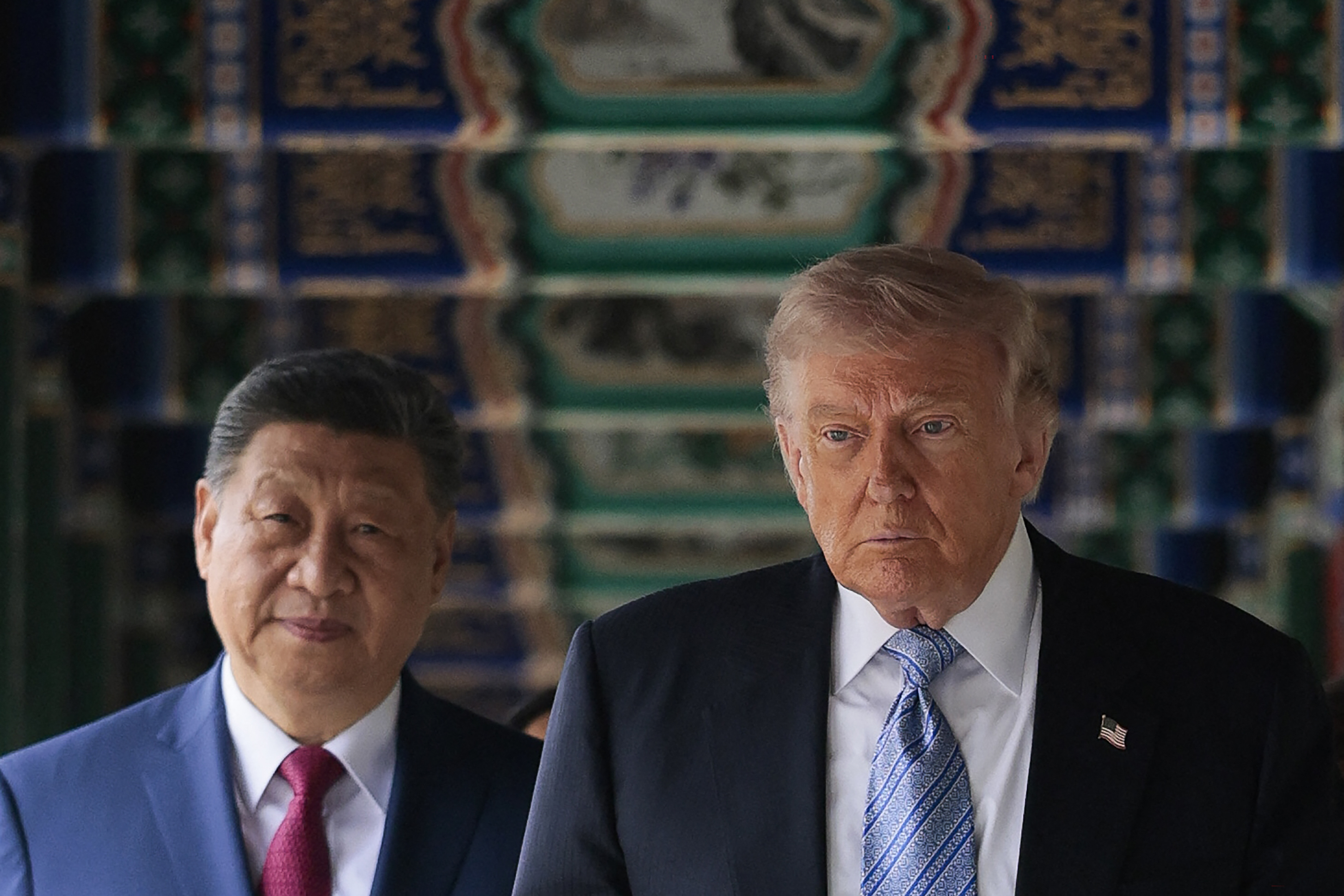
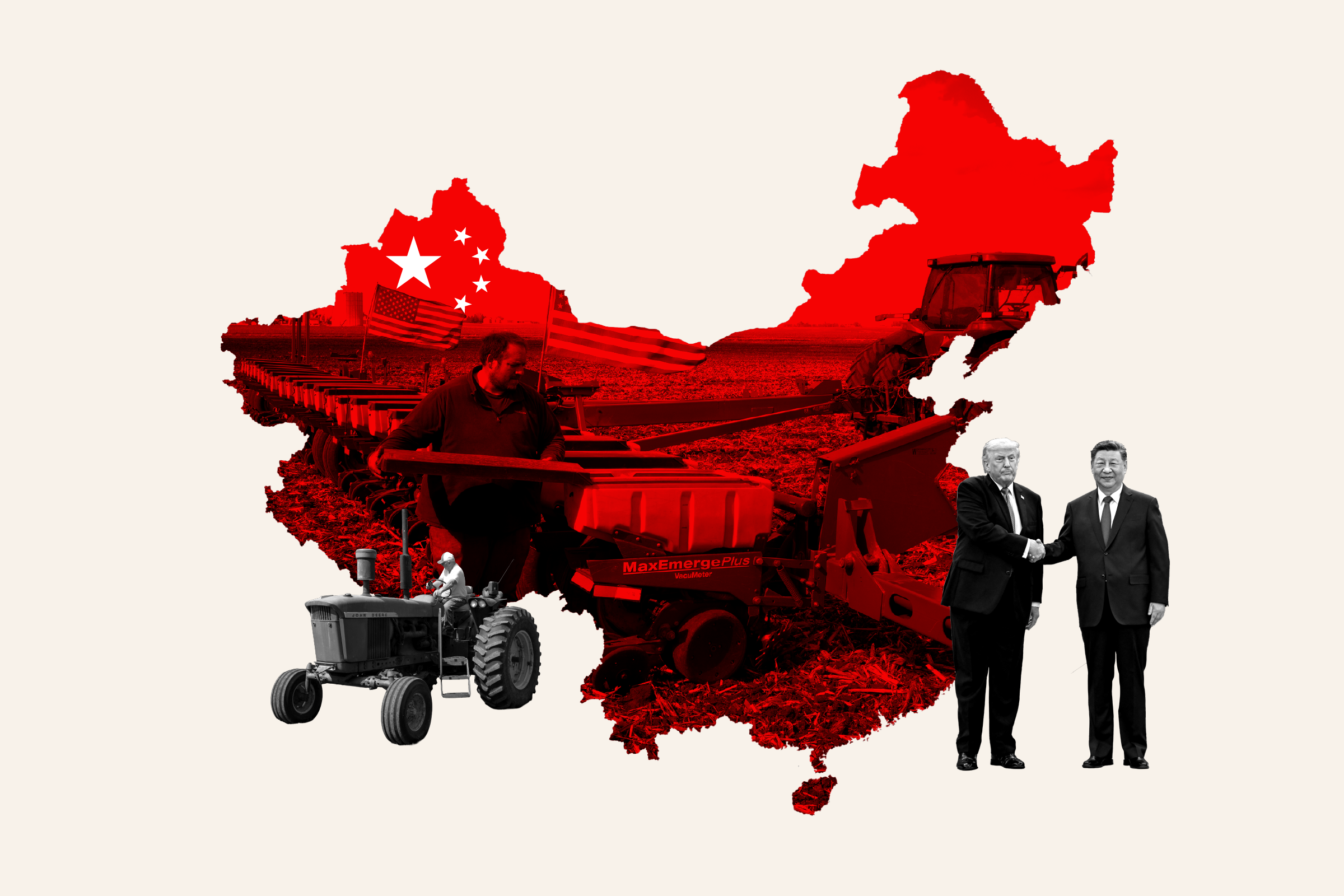
President Donald Trump defended Chinese purchases of U.S. farmland during a trip to Beijing this week, arguing that restricting foreign ownership would hurt American farmers by driving down land values.
The remarks, delivered during an interview with Fox News host Sean Hannity, marked a sharp reversal from Trump’s previous hardline stance on Chinese ownership of American agricultural land and immediately intensified concern among farmers and national security hawks already uneasy about Beijing’s growing footprint in U.S. agriculture.
“You want to see farm prices drop, you want to see farmers lose a lot of money? Just take that out of the market,” Trump said when asked about Chinese nationals purchasing farmland and land near military installations.
The comments landed at a difficult moment for rural America. Farmers are already contending with weak commodity prices, high fertilizer costs, trade instability, and uncertainty surrounding agricultural exports to China. For many, Trump’s defense of Chinese investment in farmland added another layer of frustration to an already fragile economic environment.
The Farmland Question
Hannity pressed the president directly. “Thousands and thousands of acres of farmland, ranchland, and land near military installations” are being purchased by Chinese buyers, the Fox News host noted.
Trump pivoted to market logic. Removing Chinese investment would crash land prices and leave farmers holding depreciated assets, he argued. He blamed previous administrations for inaction. “They’ve had a lot of land for a lot of time. [Former President Barack] Obama did nothing about it.”
The framing ignored farmer sentiment on the ground.
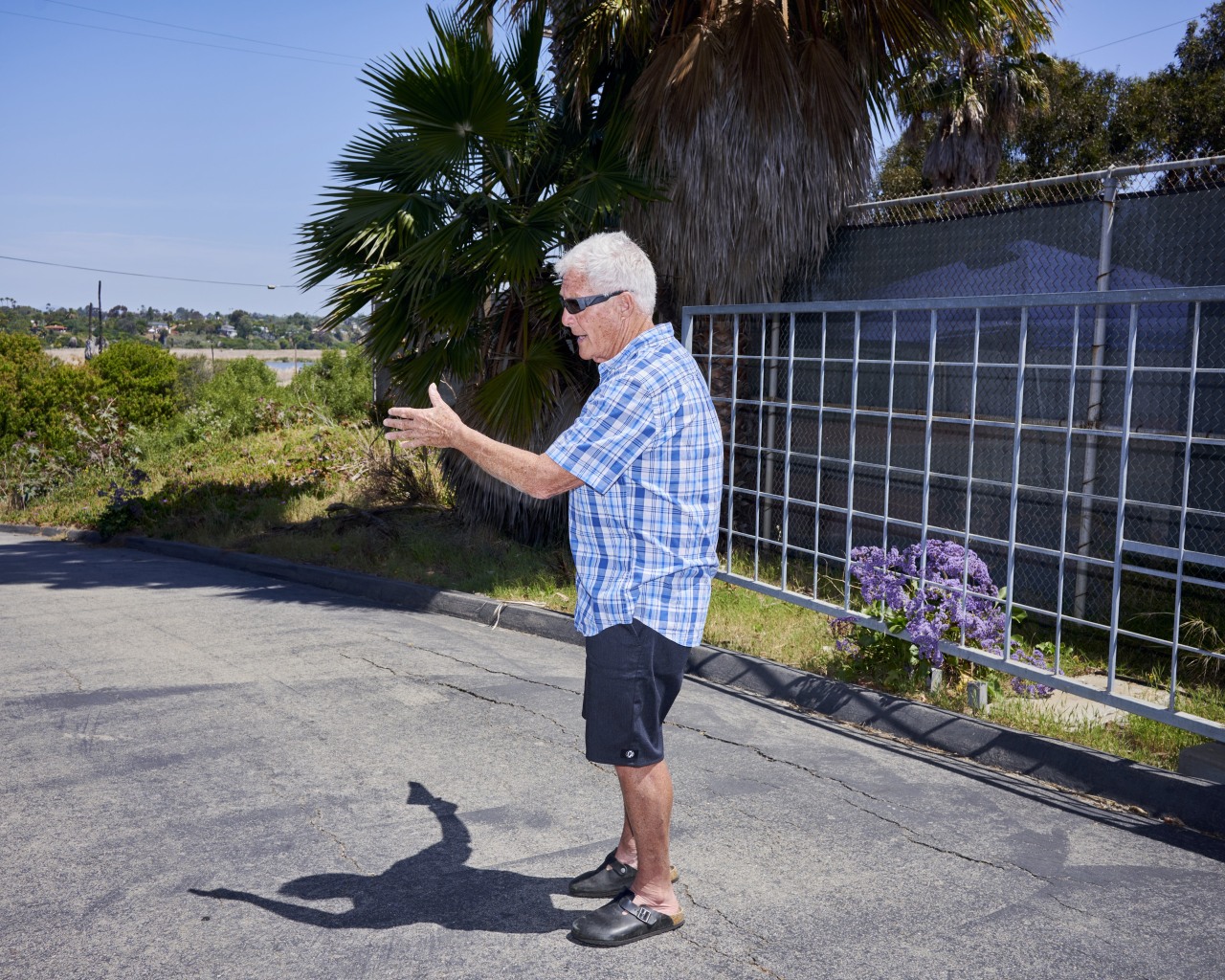
Chet Erdinger, a corn and soybean farmer from Mitchell, told Newsweek that Trump’s comments landed at a difficult moment for farmers already facing high costs, weak prices, and trade uncertainty.
“We do not need China to own American farm ground. The Chinese are very shrewd and they are very methodical in how they do things. And if you allow them to buy farm ground, down the road, it’s hard to say how they will handle that,” Erdinger said.
Erdinger noted that Chinese buyers may present one intention when acquiring farmland, but that those assurances can shift over time, leaving farmers wary about long-term trust.
“Seeing Chinese landowners is difficult, and trusting them is even harder.”
Lawmakers and local communities across the United States have raised growing concerns about Chinese nationals purchasing American land, including farmland and property located near sensitive sites such as military bases. In some communities, opposition has turned local, as residents have pushed back on proposed projects tied to Chinese companies, from agricultural processing facilities in North Dakota to manufacturing developments in Michigan.
Brian Reisinger, a fourth-generation Wisconsin farmer and author of Land Rich, Cash Poor, said ahead of Trump’s trip to China that American farm families are “under siege by China,” arguing that Chinese land purchases have created “great fear” in rural communities.
“It’s a deep dilemma because China is both the largest trading partner for agricultural products for America and is America’s biggest adversary,” Reisinger told Newsweek.
He added that Chinese land purchases compound other trade vulnerabilities. “In addition to the way that China’s trading practices can affect prices for farmers and American consumers, the purchase of U.S. farmland is a threat to our national security and our food security,” he said.
David Feith, a former State Department official who worked on China policy during Trump’s first administration and into his second term, previously warned that ownership of land near strategic facilities could present serious risks given modern surveillance technologies.
“The ability to own large tracts of land, especially close to sensitive U.S. military and government facilities, can pose an enormous problem,” Feith said in a CBS interview last year.
Trump’s Position Conflicts With His Own Administration
Trump’s Beijing comments also appear to conflict with policies his administration itself promoted over the last year.
In July 2025, the Department of Agriculture announced a “National Farm Security Action Plan” designed to restrict future Chinese farmland purchases and force divestment of existing Chinese-owned agricultural land.
Agriculture Secretary Brooke Rollins framed the initiative in stark terms at the time.
“American agriculture is not just about feeding our families, but about protecting our nation and standing up to foreign adversaries who are buying our farmland, stealing our research, and creating dangerous vulnerabilities,” Rollins said.
Earlier this year, Trump also signed a national security memorandum targeting investments by foreign adversaries, including China, in sectors tied to agriculture and food production.
Now, those initiatives hang in limbo.
Republican lawmakers have taken notice. Representative John Moolenaar of Michigan, who chairs the House Select Committee on China, introduced bipartisan legislation this week to expand the Committee on Foreign Investment in the United States (CFIUS) authority over farmland deals near military bases and critical infrastructure.
“Food security is national security, and we cannot allow foreign adversaries like China to buy up American farmland near our most sensitive military and critical infrastructure sites,” Moolenaar said in a statement.
Farmers Say They Want Stability, Not Political Messaging
Critics of Chinese land purchases argue the issue is not simply about economics, but about long-term strategic influence and control over critical infrastructure and food systems.
But, for many farmers, the debate over Chinese ownership ultimately reflects a broader frustration with instability and uncertainty in agricultural policy.
That instability has been driven by overlapping shocks across energy, trade, and geopolitics. The escalation of U.S. operations against Iran in late February turned the Strait of Hormuz—a key route for global fertilizer supply—into a flashpoint, pushing up input costs for farmers as fuel prices rose alongside oil markets.
At the same time, tariff-driven trade tensions with China had already gutted soybean exports, historically one of the most important U.S. agricultural markets, leaving Brazil to fill much of the gap.
A year and a half into the Trump administration, Erdinger, the South Dakota farmer, told Newsweek that farmers are less focused on political rhetoric and more on policies that deliver reliable demand and stable markets.
“We need to get a clean E-15 proposal through Congress,” he said, referencing legislation to allow year-round sales of ethanol-blended gasoline. Small refinery exemptions attached to the bill create uncertainty, he explained.
“It allows politics to get involved with different administrations and different bureaucrats. That one year they can use E-15, the next year they won’t be using E-15.”
What farmers need, Erdinger said, is unified policy and market demand. “If we have more demand for our crop, we’ll have better prices, we’ll better financial health, and we’ll a better rural economy.”
Related Articles