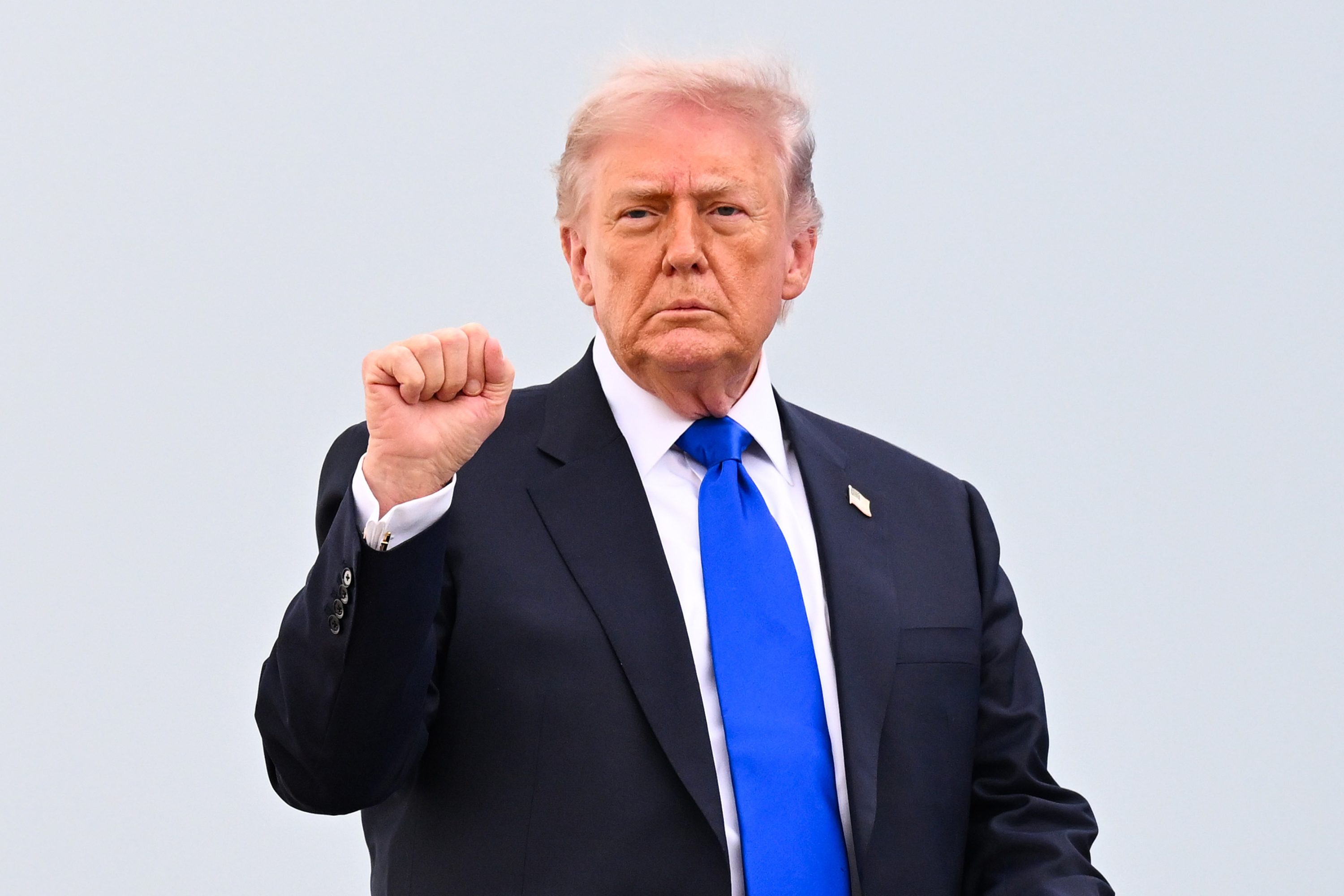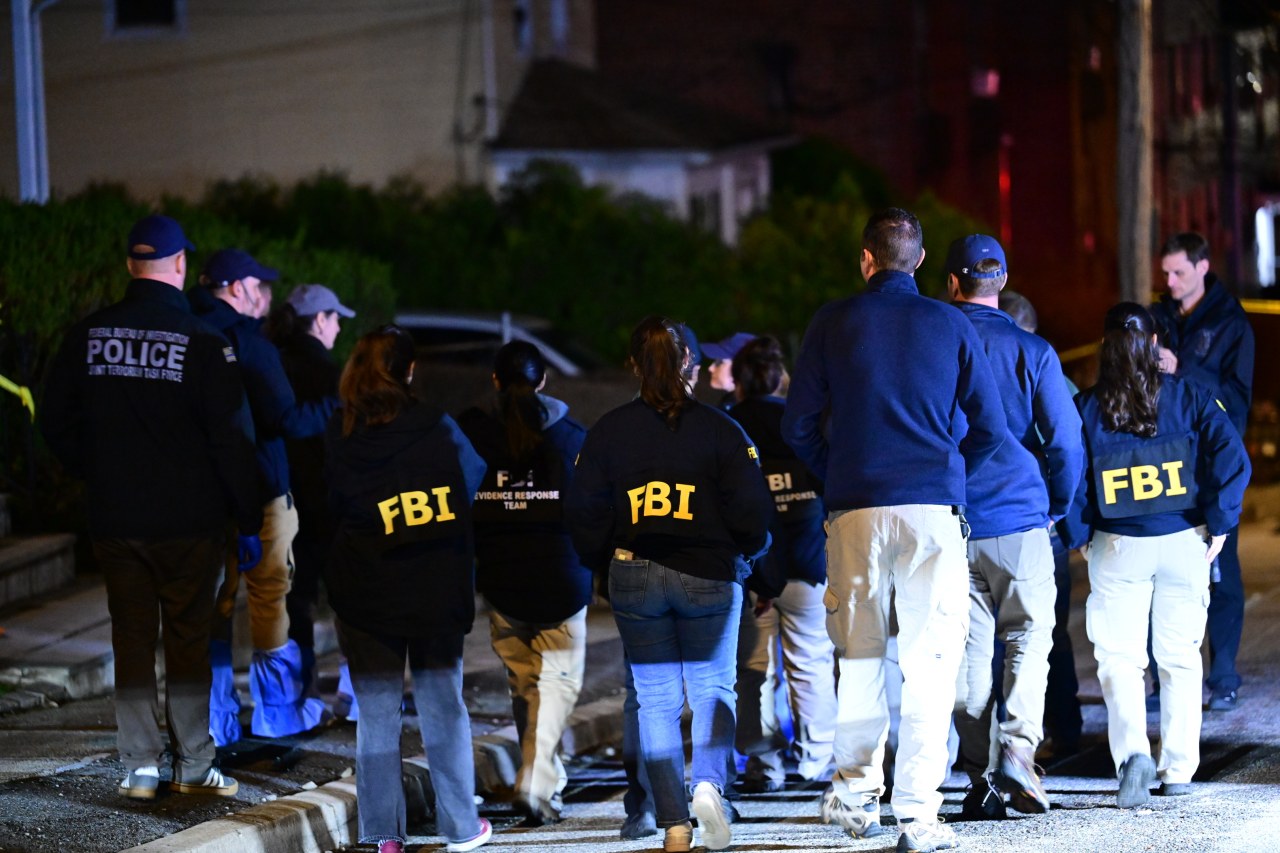
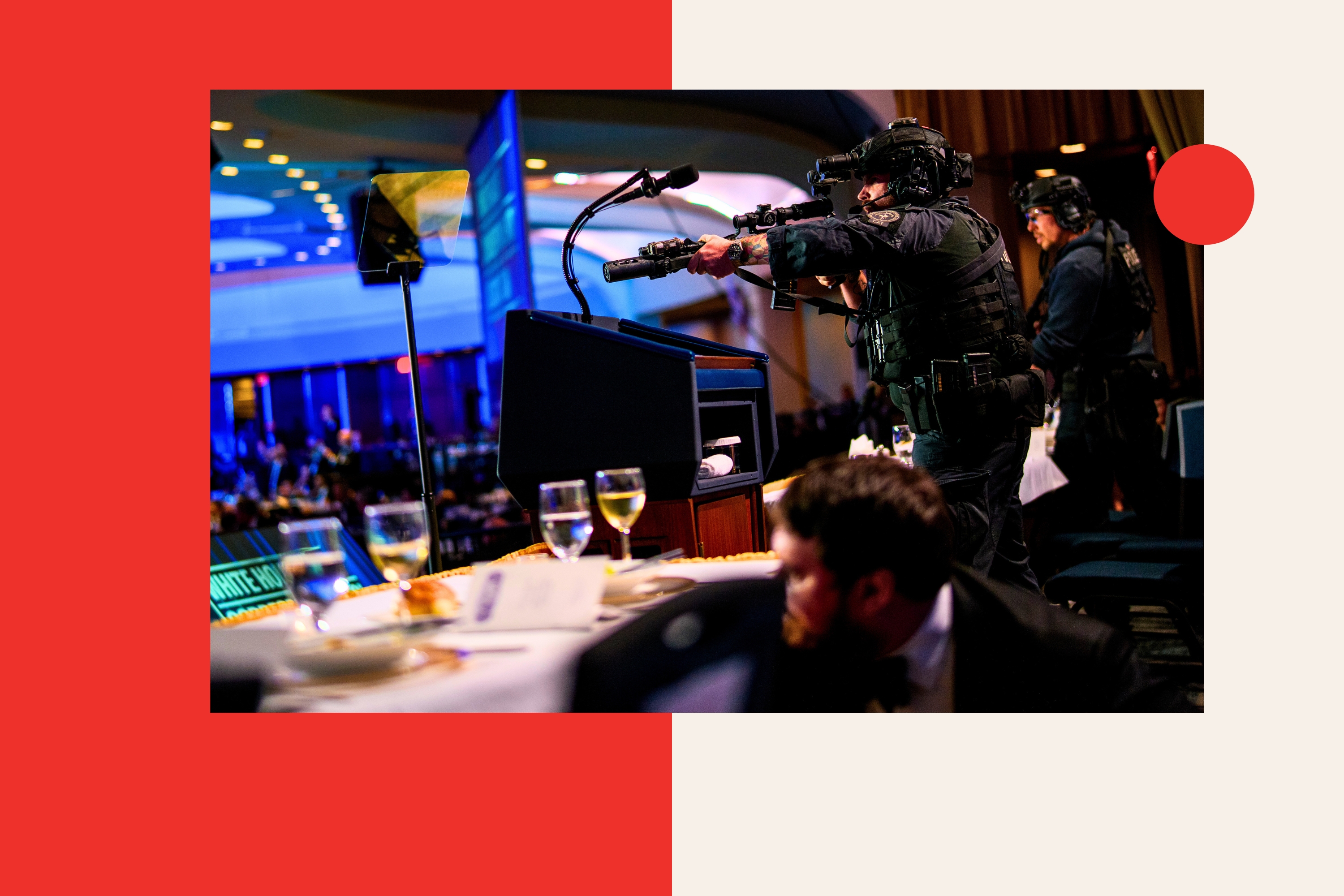
At the White House after the shooting on Saturday night, President Donald Trump tried to shrink the distance between catastrophe and control, saying the suspect hadn’t gotten “anywhere close” to breaching the doors of the ballroom after agents rushed him from the White House Correspondents’ Dinner.
That was true, as far as the public record now shows, and it is also the least comforting fact in the story.
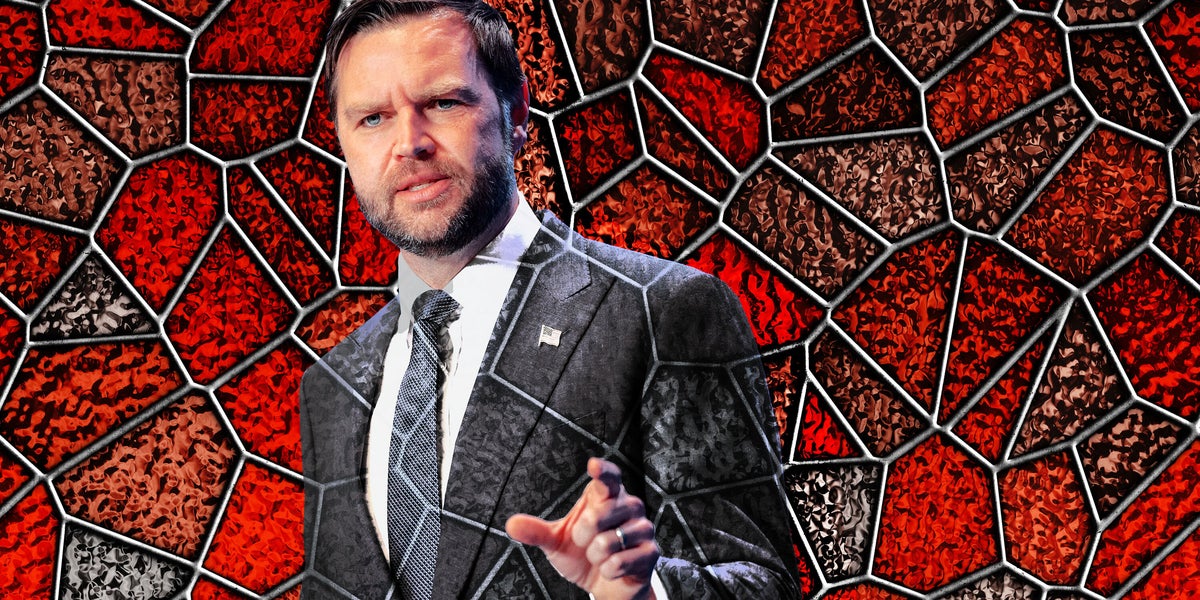
The president was unhurt, Vice President JD Vance was removed, a law enforcement officer survived because of a bullet-resistant vest, and a man identified by law enforcement officials as Cole Tomas Allen was taken into custody after allegedly charging toward the ballroom with multiple weapons at the Washington Hilton.
But the urgent question isn’t whether the last line of defense worked. It’s this: Why does American politics increasingly need so many last lines?
Security Failure in the Gray Zone
Police believe the suspect acted alone and officials have not publicly identified a motive. He is expected in court on Monday on firearm-related charges, including assaulting an officer with a deadly weapon, though these are likely to be upgraded as we learn more about what happened and why.
Several Newsweek reporters were attending the event when the incident took place, and described a “very loud” noise when the shooting started.
Security video posted by Trump showed the suspect running past barricades as Secret Service agents moved toward him. A shot struck an officer’s bullet-resistant vest and the officer is recovering.
The Secret Service fulfilled its protective mission, which covers the president, vice president, their families, former presidents, visiting foreign leaders, and events of national significance.
Its event-security role can include planning for National Special Security Events, and the White House Correspondents’ Dinner has long been used by the Secret Service for training because the venue has been studied by the agency for decades.
Security at the event was limited to checks as attendees entered the ballroom where the dinner took place, Newsweek reporters said.
This all makes the obvious answer to the shooting—further tightening of security—too easy.
More magnetometers, more agents, and tighter hotel screening may be necessary, but they are not sufficient if the danger is the space before the checkpoint, the guest list before the event, and the online drift before the airport ticket.
The cliché after an attack is that security must “harden the target.” This incident—the latest act of political violence in a long-running string—suggests the target is no longer just a president on a stage.
It is the porous civic ritual around him.
Political Violence Is Now Ambient
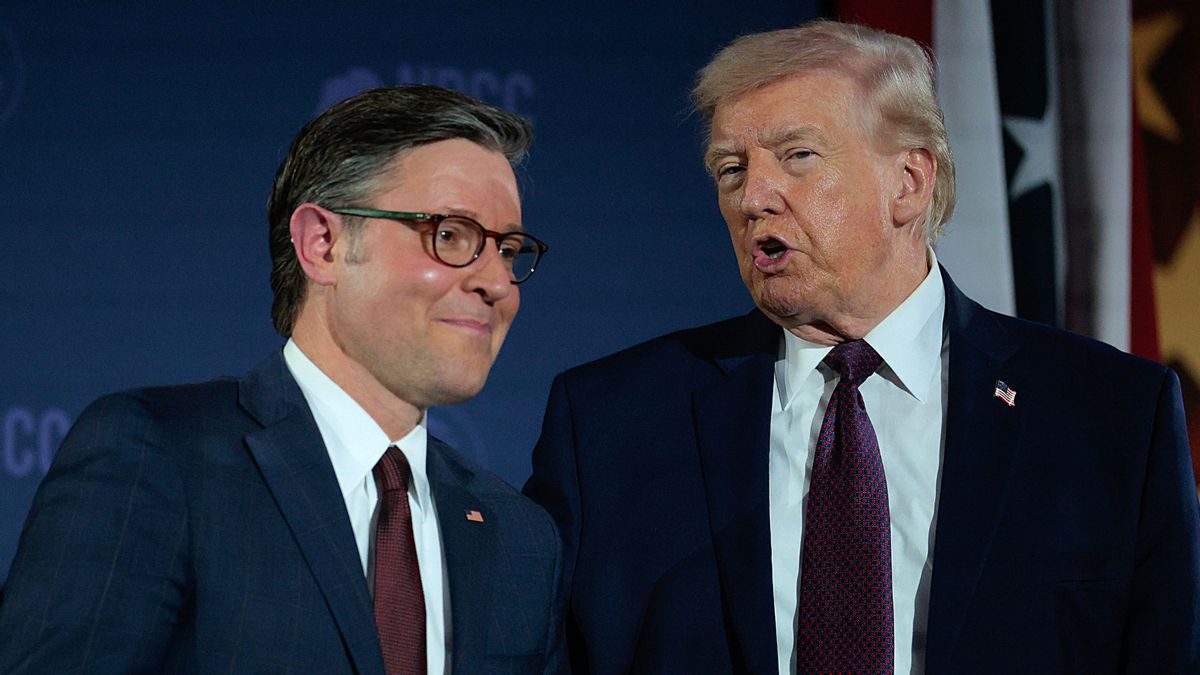
House Speaker Mike Johnson, who was at the dinner, thanked first responders “who acted so quickly,” while House Democratic Leader Hakeem Jeffries said he was “thankful for the swift law enforcement action” and added, “The violence and chaos in America must end.”
The pattern of violence has intensified in the Trump era, and the president himself has been its direct target multiple times, but it is bigger than one party, one president, or one event.
The U.S. Capitol Police said its Threat Assessment Section investigated 14,938 concerning statements, behaviors and communications in 2025, up from 9,474 in 2024, and said members of both parties receive threats through mail, email, telephone, and social media.
A West Point Combating Terrorism Center review of federal data found that cases involving threats to public officials averaged 38 federal charges per year from 2013 to 2016 and 62 per year from 2017 to 2022, with ideologically motivated threats rising over the period studied.
Princeton’s Bridging Divides Initiative reported that threats and harassment against local officials continued to intensify in 2024 and warned that such hostility can chill participation in civic life, public events, and reelection bids.
The easy moral is that rhetoric has consequences. The harder one is that America has built a political culture in which isolated people can convert grievance into performance almost instantly, or righteous mobs fueled by ideological hatred feel morally compelled to use violence as a political tool.
Not every threatener becomes an attacker, and officials should not treat protected speech as pre-crime. But every attacker operates in a world where threats, doxing, fantasies of violence as cleansing, and public notoriety are already in circulation.
The dinner shooting is therefore less an interruption of normal politics than a flare from the infrastructure beneath it.
The FBI’s Challenge Is Triage
The FBI’s deeper challenge than dealing with this particular incident is whether federal and local authorities can identify the next person moving from grievance to mobilization in time.
In December 2025 testimony, FBI Operations Director Michael Glasheen said the bureau had seen a “particularly concerning uptick” in the radicalization of young people. He warned that domestic terrorists often self-radicalize online, through social media and encrypted communications platforms.
The same testimony said terrorists and other adversaries use modern technology, including artificial intelligence, to influence people, recruit followers, encourage attacks, and spread instructions for weapons and explosives.
The FBI’s fiscal 2026 budget request sought $10.1 billion in salaries and expenses funding and said the bureau had more than 35,000 direct-funded positions across national security, intelligence, criminal law enforcement, and criminal justice services missions.
Those are large numbers, but the problem is bigger than headcount. A country of hundreds of millions can generate more angry, unstable, or ideologically fixated people than any agency can watch individually. The answer cannot be a dragnet broad enough to treat politics itself as suspicious.
It has to be sharper triage: credible leakage, weapon acquisition, fixation on targets, proximity planning, past violence, and warnings from relatives, schools, employers, or online communities.
That won’t be easy. But it is vital for the future health of American democracy.
What a Freer Country Needs
The Secret Service’s National Threat Assessment Center says threat assessment is a proactive approach meant to prevent targeted violence before it occurs, and its research exists to support both the protective mission and other public-safety officials nationwide.
The Government Accountability Office reported in 2025 that federal agencies had taken steps to implement most activities in the 2021 National Strategy for Countering Domestic Terrorism, but it also recommended additional actions to strengthen coordination and measure progress.
Therein lies the sober path between denial and panic. The state should not acquire unlimited surveillance power because a dinner became a crime scene. Nor should political leaders pretend that condemnation statements, however welcome, can substitute for better systems.
The White House Correspondents’ Dinner is an elite Washington ritual, but its symbolism matters because it gathers the presidency, the press, and the political class in one room.
The strongest response would not be to move democratic life behind thicker walls, a tacit victory for antidemocratic political violence.
It would be to admit that the threat environment has changed, build faster pathways for credible warnings, protect officials without criminalizing dissent, and stop treating every near miss as proof that the system worked.
On Saturday night, it did work at the final moment. But a serious country worried about its democracy would not be satisfied with needing the final moment so often.
Hey gang, Carlo Versano here. I hope you enjoyed this article. As Newsweek‘s Director of Politics and Culture and editor of the 1600 newsletter, I’m keen to hear what you think. Now, Newsweek is offering a new service to allow you to communicate directly with me in the form of a text message chat. You can sign up and get a direct line to me, as well as the reporters who work for me. You can shape our coverage.
As a Newsweek member, we’re offering this service to you for free. You can sign up below, or read more about how it works here. Let’s talk!
Related Articles