Is it OK to keep it on your kitchen counter or in the pantry, or should you pop it into the fridge?
Key Takeaways
- Keep bread in a cool, dry place and seal the bag tightly to prevent staleness.
- Freezing bread in airtight packaging preserves its quality for up to three months.
- Whole grain bread may have a shorter shelf life than white, due to its higher moisture content.
Growing up, my family kept our sandwich bread on the bottom shelf of the fridge—something I've continued doing into my adult life. Is this a habit I should break, or is it the best way to store sliced bread so that it lasts longer?
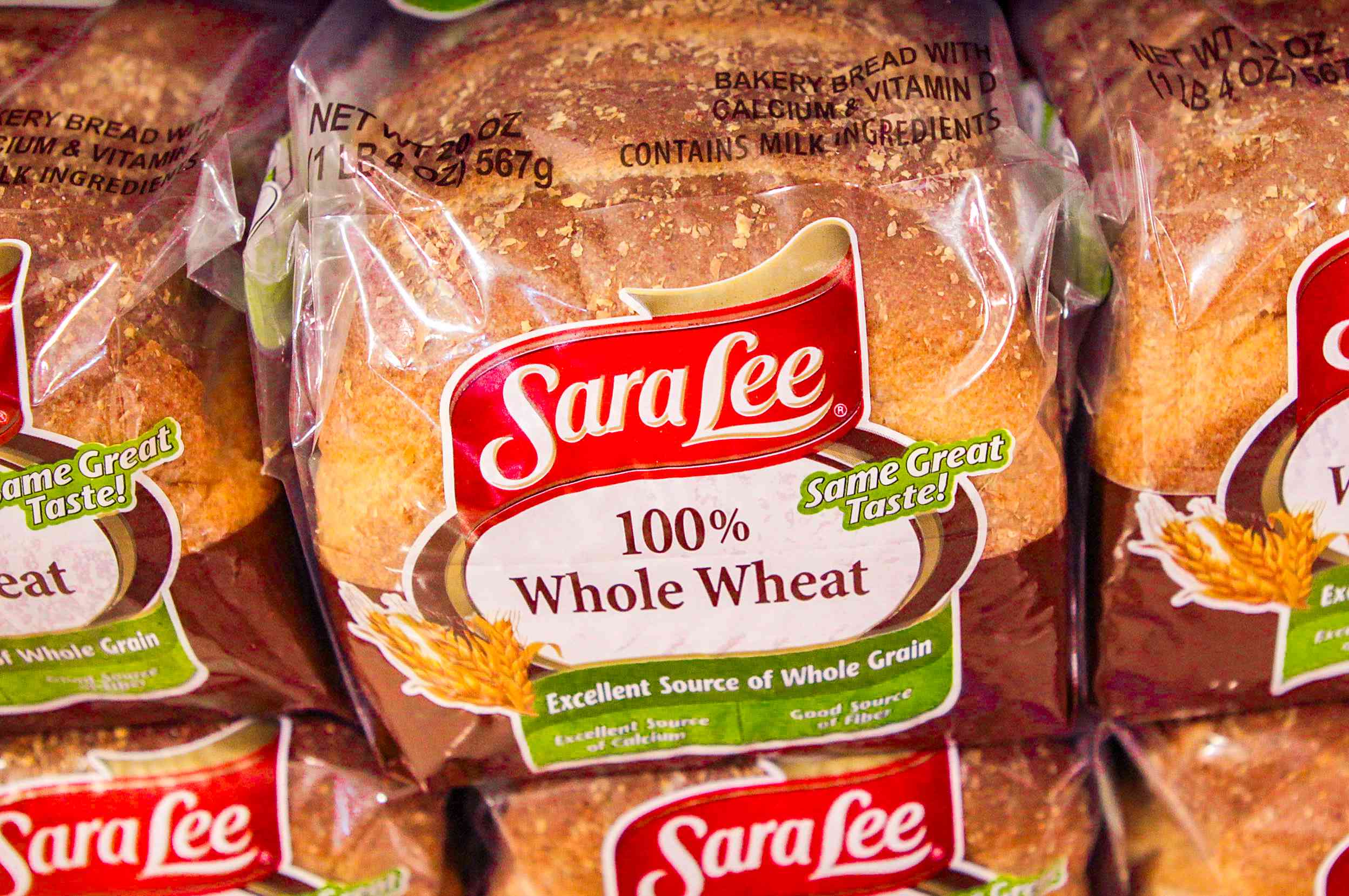
To get some answers, I chatted with Kathleen Robbins, Vice President of Research & Development at Bimbo Bakeries USA, the umbrella company that owns fan-favorite bread brands like Sara Lee, Oroweat, and Nature’s Harvest.
What Is the Best Way To Store Sliced Bread?
According to Robbins, “sliced bread should be stored at room temperature if consumers plan to eat it within the declared shelf life.” Which immediately proves my family wrong about our sliced bread storage methods!
“Store the loaf in a cool, dry place like a pantry,” she adds, “and be sure to close the bag tightly to prevent air from getting in.” The airtightness will keep moisture out and keep the bread from going stale.
“There can be slight differences in storage between various kinds of sliced bread,” says Robbins. Bread's moisture content differs depending on what kind of flour is used. “Whole grain bread, with its higher moisture content, may have a shorter shelf life at room temperature compared to white bread. White bread typically lasts longer due to its lower moisture content and benefits from following proper storage guidelines.”
The Telltale Signs That Your Bread Has Gone Bad
The most obvious sign that it's time to toss your bread is if you see any visible mold. “Mold may appear as fuzzy patches in various colors throughout the loaf,” explains Robbins.
Even if the mold is only on one slice of the loaf, discard the entire loaf. “Mold spores can travel and contaminate other parts of the bread even if you cannot see them.”
Furthermore, if you detect any pungent odors or if your loaf is excessively hard, it's time to throw it out. If it's stale but not rock hard, don't toss it because “slightly stale bread can be used for toast or croutons,” suggests Robbins.
Read More: Is It Dangerous To Eat Moldy Bread?
Tips for Extending the Life of Your Loaf
“Freezing sliced bread is the most effective way to save the product without losing the quality,” says Robbins, with the caveat that it must be stored in an airtight container to keep it safe from freezer burn.
Robbins estimates a three-month freezer life for bread. She recommends wrapping the bread tightly with “double layers (a second bag) of protection to prevent freezer burn.”
When it comes to defrosting, you can pop the bread in the fridge overnight to safely defrost it, and Robbins suggests placing the loaf on a cooling rack to ensure airflow and avoid condensation. If your loaf is pre-sliced, peel off a single slice and stick it directly in the toaster. She adds that there is no difference in freezing or defrosting practices between different kinds of sliced bread.
Read the original article on Simply Recipes