Tariff refunds could be distributed as soon as Tuesday, according to a news release from U.S. Customs and Border Protection.
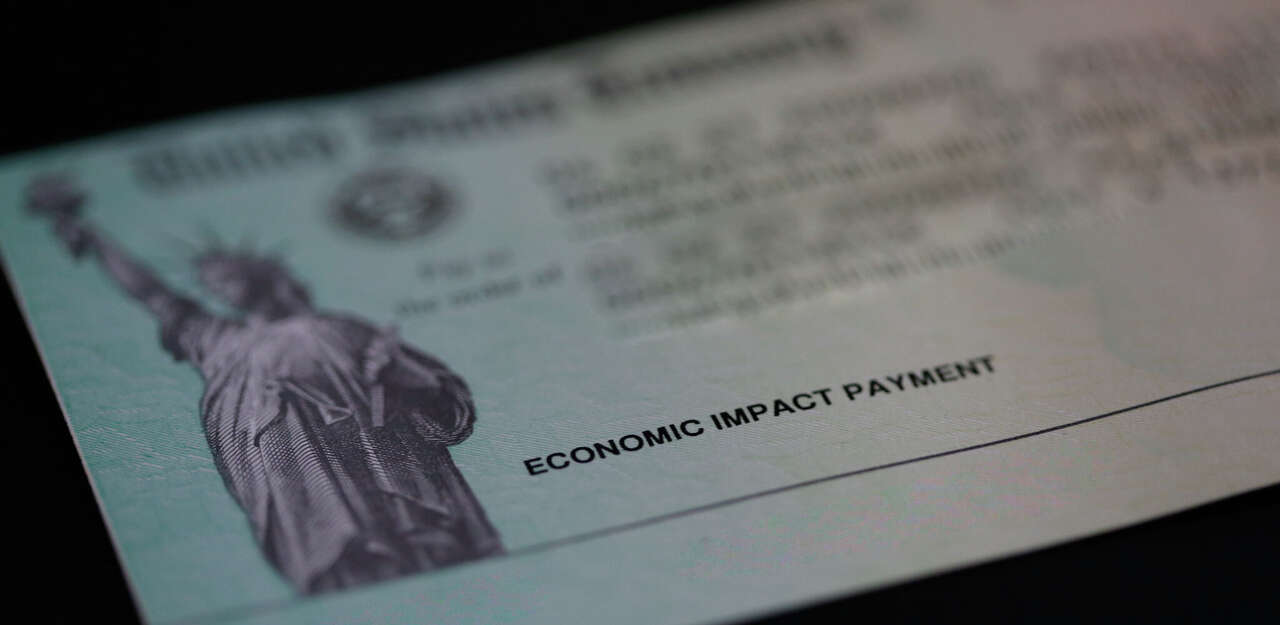
CBP said it has started the refund process after a Supreme Court ruling in February blocked President Donald Trump's proposed $2,000 "tariff dividend" payments to taxpayers and instead directed refunds to importers and brokers that paid the tariffs.
On April 20, CBP launched the Consolidated Administration and Processing of Entries tool, or CAPE, within the Automated Commercial Environment portal to process valid refund claims more quickly.
After CBP reviews claims, the U.S. Department of the Treasury will distribute payments through Automated Clearing House transfers. CBP said ACH transactions tied to IEEPA tariff refunds could begin as soon as Tuesday, May 12.
Here's what to know about who may receive the money - and whether Americans could still see direct payments.
What happens to tariff refunds?
The refunds are being issued to importers and brokers that paid tariffs, not directly to consumers.
Some shipping and logistics companies, including FedEx, UPS and DHL, have said they plan to pass refunded tariff costs back to customers.
A DHL spokesperson said the company "supports customers by following CBP-established procedures for eligible claims and refunds."
Some lawmakers, meanwhile, are pushing for direct payments to Americans.
Rep. Henry Cuellar, D-Texas, filed the American Consumer Tariff Rebate Act of 2026, which would provide rebates of up to $2,040 per household.
"Tariffs function as hidden taxes on families and create uncertainty for businesses," Cuellar wrote on X. "When companies pay more to import goods and materials, those added costs are often passed on to consumers."
Sen. Martin Heinrich, D-N.M., also introduced the "Tariff Refunds for Working Families Act" in March. CNBC reported the proposal would provide rebates of $1,200 to joint filers earning less than $180,000 annually, plus $600 for each child.
Is there a stimulus check coming in May?
There has been no official announcement that Americans will receive a stimulus check in May, and Congress has not approved any direct tariff rebate payments.
However, lawmakers have introduced proposals that would create rebate programs tied to tariff revenue.
White House economic adviser Kevin Hassett also said in a December interview with CBS News' "Face the Nation" that stimulus-style payments remain possible in 2026.
"The deficit relative to last year is down by $600 billion," Hassett said. "I would expect that in the new year, the president will bring forth a proposal to Congress to make that happen."
Hassett added that tariff revenue would be only one possible funding source and noted Congress ultimately controls how federal funds are spent.
What would need to happen for stimulus payments?
Any new stimulus or tariff rebate payment would require congressional approval through the legislative process.
That means lawmakers would need to pass a bill authorizing payments and the president would need to sign it into law.
At this point, no such legislation has been approved.
Related Reading
Austin Whole Foods introduces carts that track items as you shop
Texas gas prices top $4 for first time since 2022 amid Iran war. Austin, San Antonio paying more.
Austin-Bergstrom secures $1.18 billion bond sale for expansion program
Sign up for the Daily Briefing from the Austin American-Statesman. Start your day with the must-read headlines from Austin's most trusted news source.Read this story on statesman.com