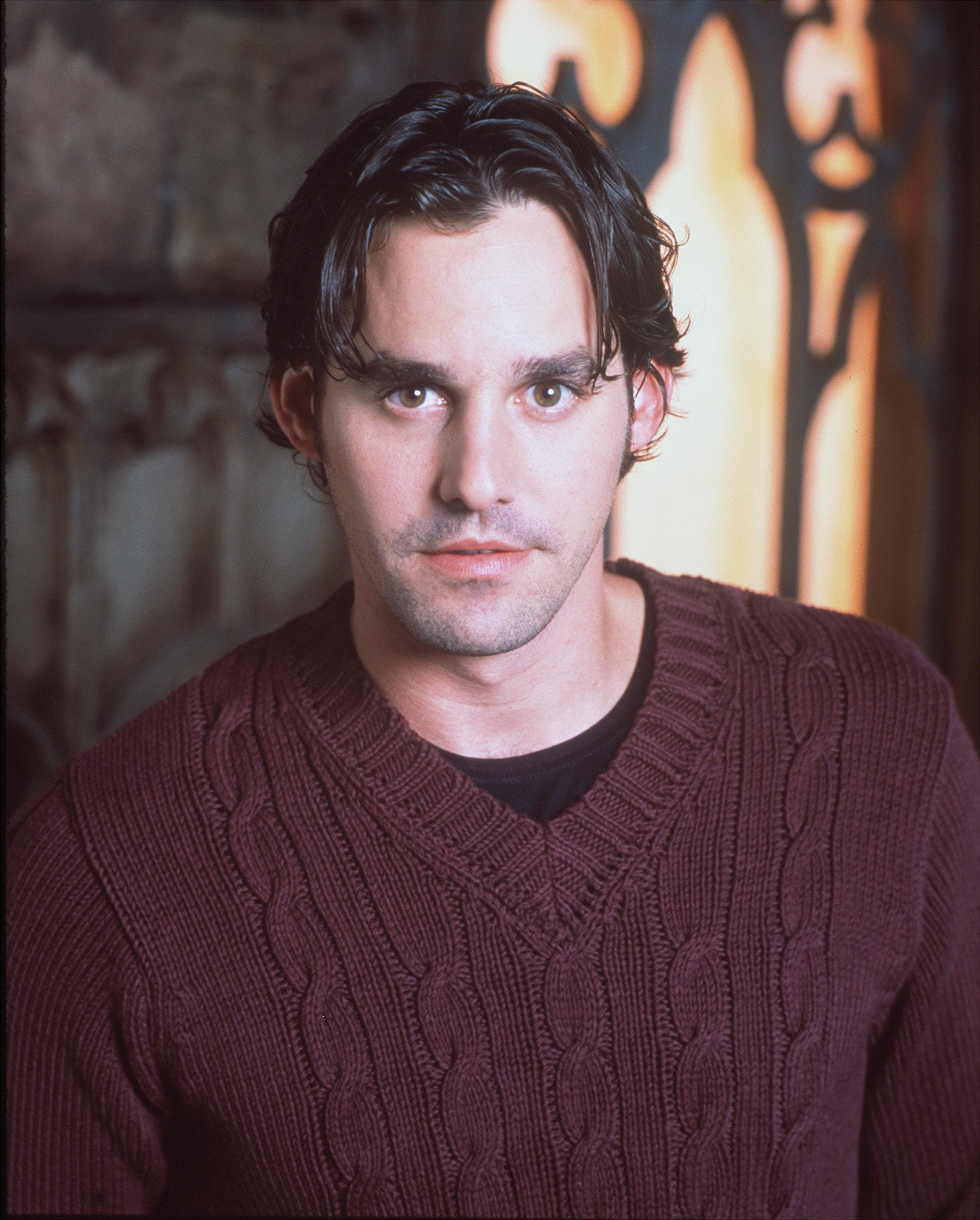
According to the Centers for Disease Control and Prevention, one person dies of cardiovascular disease every 34 seconds in the United States. In March, Nicholas Brendon became one of the plethora of people claimed annually by the disease, which remains the nation's leading cause of death.
According to a coroner's report reviewed by USA TODAY, the "Buffy the Vampire Slayer" actor, 54, died from atherosclerotic and hypertensive cardiovascular disease. The report also listed previous myocardial infarction (a heart attack) and acute pneumonia as contributing factors in his death, and the manner of death was determined to be natural.
Atherosclerotic cardiovascular disease is caused by plaque buildup in the arterial walls, according to the American Heart Association, which notes ASCVD-related conditions are "the leading cause of morbidity and mortality globally." Brendon had 90% blockage in his right coronary artery, the coroner's report said.
Start the day smarter. Get all the news you need in your inbox each morning.
Here's what to know about Brendon's condition, as well as what you can do about your risk for heart disease.
What is atherosclerotic cardiovascular disease?
According to Mayo Clinic, atherosclerosis involves the buildup of fats, cholesterol and other substances − also known as plaque − in the arteries. This causes the arteries to narrow, blocking blood flow, creating blood clots and leading to heart attacks and strokes.
Atherosclerosis usually doesn't have symptoms until an artery is significantly clogged or narrowed. When this happens, symptoms depend on which arteries are impacted.
If the affected arteries are in the the heart, symptoms may include chest pain or pressure, called angina. If the arteries are leading to the brain, symptoms may involve sudden numbness or weakness in the arms or legs, trouble speaking, slurred speech, sudden or temporary vision loss in one eye or facial drooping.
If the affected arteries are in the arms or legs, then symptoms may include leg pain while walking or low blood pressure in the limbs. If it's in the arteries leading to the kidneys, symptoms may include high blood pressure in these arteries or kidney failure.
Mayo Clinic advises seeking emergency medical help if you feel any of the following: sudden numbness or weakness in the arms or legs, trouble speaking, slurred speech, sudden or temporary loss of vision in one eye or drooping face muscles.
What is hypertensive cardiovascular disease?
According to the Cleveland Clinic, hypertensive heart disease involves damage to the heart due to years of unmanaged or undermanaged high blood pressure. It can cause heart failure and raises the risk of coronary artery disease, heart attack and stroke. Symptoms include swelling in the legs, chest pain, shortness of breath, fatigue, heart palpitations, dizziness and fainting.
Brendon's coroner's report states his longtime friend, who had been "spending more time with him due to his declining health," said the actor had "been having a persistent cough and had been self medicating with over the counter medications." The actor had also been complaining of chest pain, but declined when his friend suggested he go to a hospital.
What can you do about your risk of heart disease?
Heart disease is extremely common. While you can’t control your family history, sex, age and menopausal status, there are a number of modifiable lifestyle and health factors where you can make adjustments to reduce your risk for heart disease, Dr. Karol Watson, the co-director of the UCLA Program in Preventive Cardiology and director of the UCLA Women's Cardiovascular Health Center, previously told USA TODAY.
A few long-established risk factors for coronary heart disease include high blood cholesterol, high blood pressure, diabetes and smoking.
According to a study published in the Journal of the American College of Cardiology, 99% of the people who experienced a heart attack, stroke or heart failure had been exposed to at least one of the following four risk factors – blood cholesterol, blood pressure, blood glucose or smoking – above an acceptable level.
Dr. Philip Greenland, a professor of cardiology at Northwestern Feinberg School of Medicine who was one of the senior authors of the study, previously told USA TODAY it's important for researchers to evaluate multiple measurements, “because risk factors tend to fluctuate.”
Is heart disease preventable?
Health experts often estimate heart disease is at least 80% preventable, Watson previously told USA TODAY.
People aren’t always aware of their risk for heart disease, especially if they haven’t “had their blood pressure checked in a while, or they don't know their cholesterol,” Watson added.
But, if it’s detected that someone has an elevated cholesterol level, “then we are much more aggressive about treating their cholesterol, their blood pressure, their weight, diabetes, etc., in order to try to prevent them from having a heart attack down the road,” Dr. Eugene Yang, a professor of medicine and Carl and Renée Behnke Endowed Chair for Asian Health at the University of Washington School of Medicine, previously told USA TODAY.
The American Heart Association’s Life’s Essential 8 is a framework that details eight facets of cardiovascular health to consider: following a healthy dietary pattern, incorporating regular physical activity, quitting smoking, practicing good sleep hygiene, managing weight and keeping an eye on your blood cholesterol, blood sugar and blood pressure levels. Improving these lifestyle and health factors can vastly reduce your risk for heart disease, stroke and other life-threatening cardiovascular conditions, per the AHA.
From a prevention stance, “we need to focus more on (adhering to) those Life's Essential 8 behaviors, because that's really what will prevent heart disease,” Yang said.
Contributing: Brendan Morrow, Caroline C. Boyle
This article originally appeared on USA TODAY: Nicholas Brendon's tragic death and what to know about cardiovascular disease