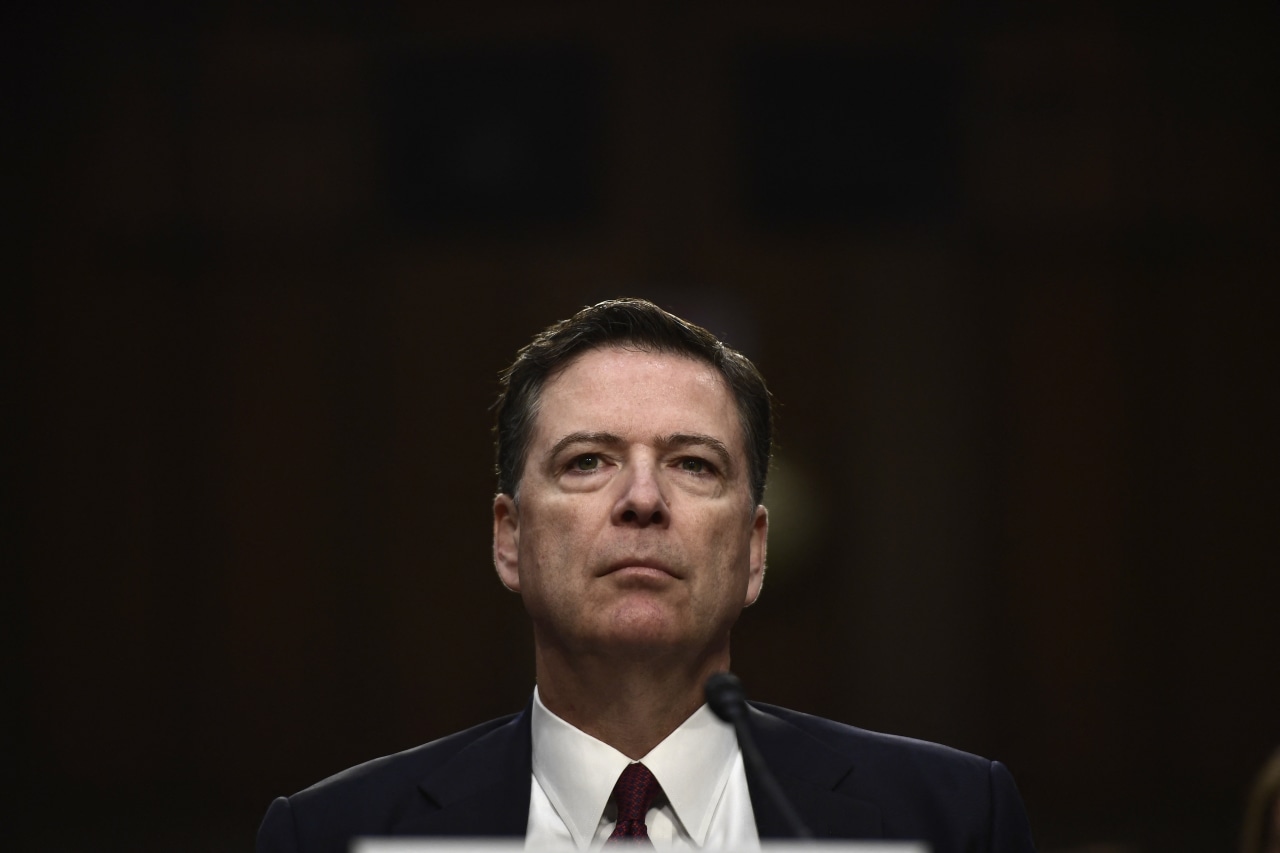
The Justice Department on Tuesday secured an indictment against James Comey in connection with a photo he posted on social media showing seashells arranged in a pattern that prosecutors said could be interpreted as a threat to kill President Trump.
The case is the Trump administration’s second attempt to prosecute Comey, the former director of the Federal Bureau of Investigation and a prominent Trump critic. He was charged in September with lying to Congress, but a judge dismissed that case.
The latest indictment charges Comey with making a threat against Trump and transmitting an interstate communication threatening to kill him. It centers on a May 2025 Instagram post in which Comey wrote, “cool shell formation on my beach walk,” under a photo of seashells arranged in the numbers “86 47.” Trump officials at the time said it was a threat to encourage killing Trump, as “86” is old-time slang for “get rid of,” and Trump is the 47th president.
The three-page indictment said “a reasonable recipient who is familiar with the circumstances would interpret [the “86 47” message] as a serious expression of an intent to do harm to President Trump.” It was filed in North Carolina, where the beach photo was taken.
“I’m still innocent, I’m still not afraid, and I still believe in the independent federal judiciary. So let’s go,” Comey said in a video posted Tuesday on Substack. “This is not how the Department of Justice is supposed to be.”
Comey said at the time of the post that it didn’t occur to him that it would be read as a threat, and that he opposed such violence. He apologized and took the post down. The Secret Service questioned Comey about it in May 2025.
“He knew exactly what that meant,” Trump said of the post in an interview last year on Fox News. “A child knows what that meant. If you’re the FBI director and you don’t know what that meant, that meant assassination.”
The case underscores the lengths to which Trump officials have gone to pursue the president’s political adversaries, an effort they have stepped up after Pam Bondi was ousted as attorney general this month, at least in part over what the president saw as the slow pace of such probes. In September, Trump named Comey in a social-media post he intended as a private message to Bondi pressuring her to bring cases. “We can’t delay any longer, it’s killing our reputation and credibility,” Trump wrote.
Trump tapped Acting Attorney General Todd Blanche as Bondi’s temporary replacement in what White House officials have said might be an audition for the permanent job.
Blanche since has taken a number of steps Trump has called for, including bolstering a separate investigation into former Central Intelligence Agency Director John Brennan. The department last week charged the Southern Poverty Law Center, the civil-rights organization that has long been a target of Trump and other Republicans who accuse it of unfairly maligning Christian and conservative groups by labeling them as extremists.
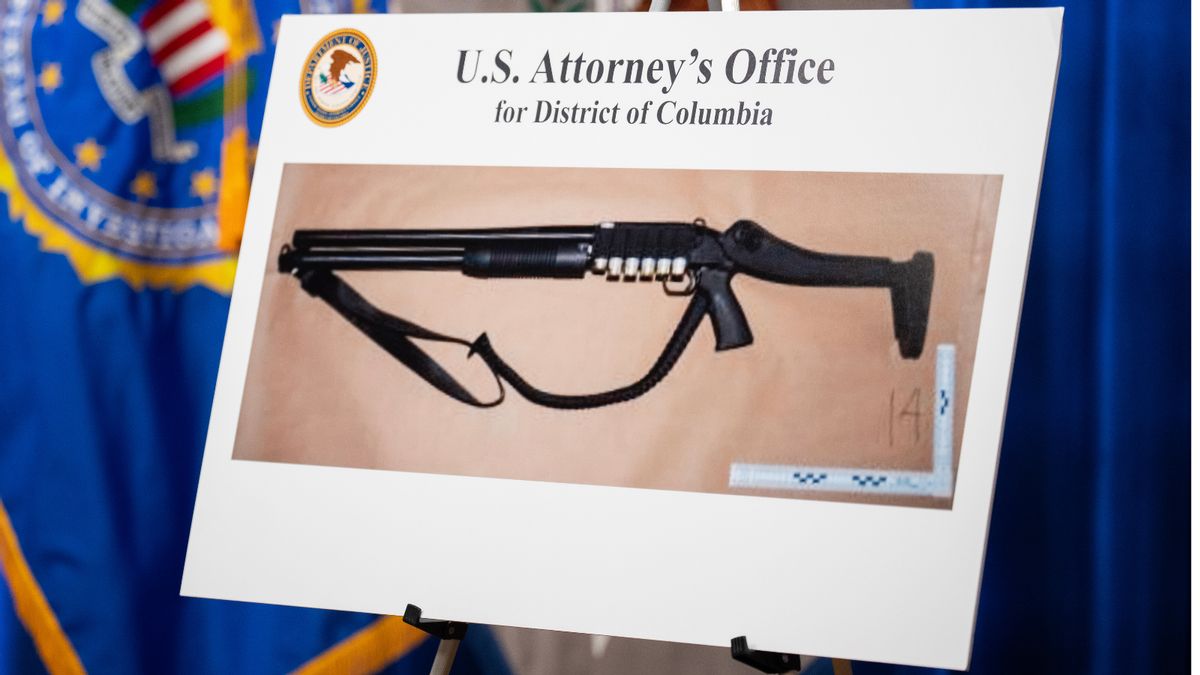
The indictment of Comey comes amid heightened concerns about Trump’s safety, after a man with a loaded shotgun allegedly charged toward a hotel ballroom where the president and cabinet members were attending the White House Correspondents’ Association dinner on Saturday. It was the third attempt on Trump’s life in two years, officials said, raising questions about how the Secret Service protects the president and fear of potential copycats. The White House has blamed heated rhetoric from Democrats and other Trump critics for fueling threats to his safety.
Blanche told reporters Tuesday that prosecutors brought the Comey case nearly a year after the photo was posted because the probe was expansive and time-consuming. Blanche said the case was just like dozens of others the Justice Department has recently brought charging people with threatening Trump and other politicians of both parties.
“While this case is unique, and this indictment stands out because of the name of the defendant, his alleged conduct is the same kind of conduct that we will never tolerate, and that we will always investigate and regularly prosecute,” Blanche said.
Without elaborating, Blanche said prosecutors have witnesses and documents that would help prove Comey’s intent, which will be the central challenge for prosecutors if the case goes to trial.
The case was assigned to U.S. District Judge Louise Flanagan, an appointee of former President George W. Bush, according to court records.
Trump has long viewed Comey, a Republican who was appointed to the FBI by President Barack Obama, as a nemesis, and fired him in 2017. His firing came as he oversaw the initial investigation into the Trump campaign’s alleged ties to Russia that dogged much of the president’s first term.
The Justice Department secured an indictment against Comey in September on charges that he lied to Congress in connection with testimony at a 2020 hearing, days before the five-year statute of limitations was set to expire. A judge later dismissed the case, finding that the prosecutor who brought it was improperly appointed. The judge also tossed a mortgage-fraud case against another Trump critic, New York Democratic Attorney General Letitia James, for the same reason. The Justice Department has appealed the dismissals.
The department fired Comey’s daughter, Maurene Comey, a former federal prosecutor in Manhattan, last year. She sued, saying her ouster was for political reasons, and on Tuesday, a judge said that lawsuit could proceed.
Write to Sadie Gurman at sadie.gurman@wsj.com and C. Ryan Barber at ryan.barber@wsj.com