Past presidents have treated unified government — that is, one-party control of the White House and Congress — as an opportunity to enact bold legislative agendas. Franklin Roosevelt’s New Deal reshaped banking protections and labor law and started Social Security. Lyndon Johnson’s Great Society featured Medicare, Medicaid, civil rights and voting rights bills, as well as education reform. Barack Obama induced Congress to pass the Affordable Care Act, financial reform, and an $800 billion economic stimulus package.
But the 119th Congress, rather than using control of Washington to legislate, has voluntarily surrendered power to a president eager to take it.
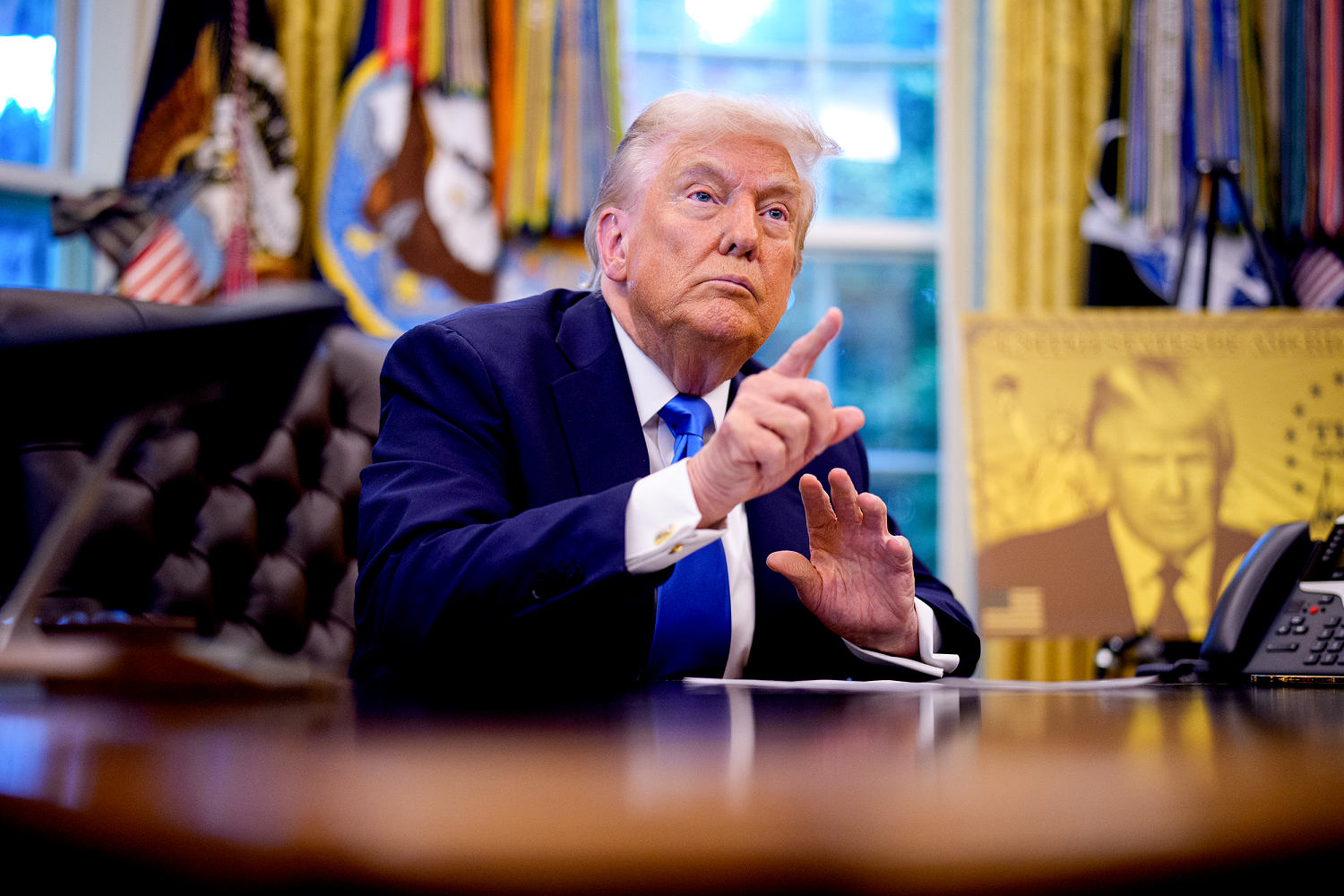
Presidents of both parties have stretched the limits of executive power. But the scale and scope of President Trump’s ambition, and the supine acquiescence of Republicans in both houses of Congress, pose a palpable threat to the separation of powers in the federal government, the defining principle in American democracy.
Republicans’ principal legislative success this term is the “One Big Beautiful Bill Act,” a package of tax breaks and deductions disproportionately benefiting wealthy Americans, paired with cuts to Medicaid, clean energy credits, and federal food assistance.
Beyond that, Congress has mainly funded the government, including the annual defense appropriation, and approved a handful of narrow, partisan measures, such as the Laken-Riley Act, which requires the detention of non-citizens who have been convicted of certain crimes.
Despite repeated promises, Republicans have done little or nothing to “repeal and replace” the Affordable Care Act, pass a “massive” infrastructure program, reform drug pricing, or overhaul the immigration system.
Meanwhile, Trump has governed through executive orders, emergency declarations, agency directives, and questionable interpretations of existing statutes.
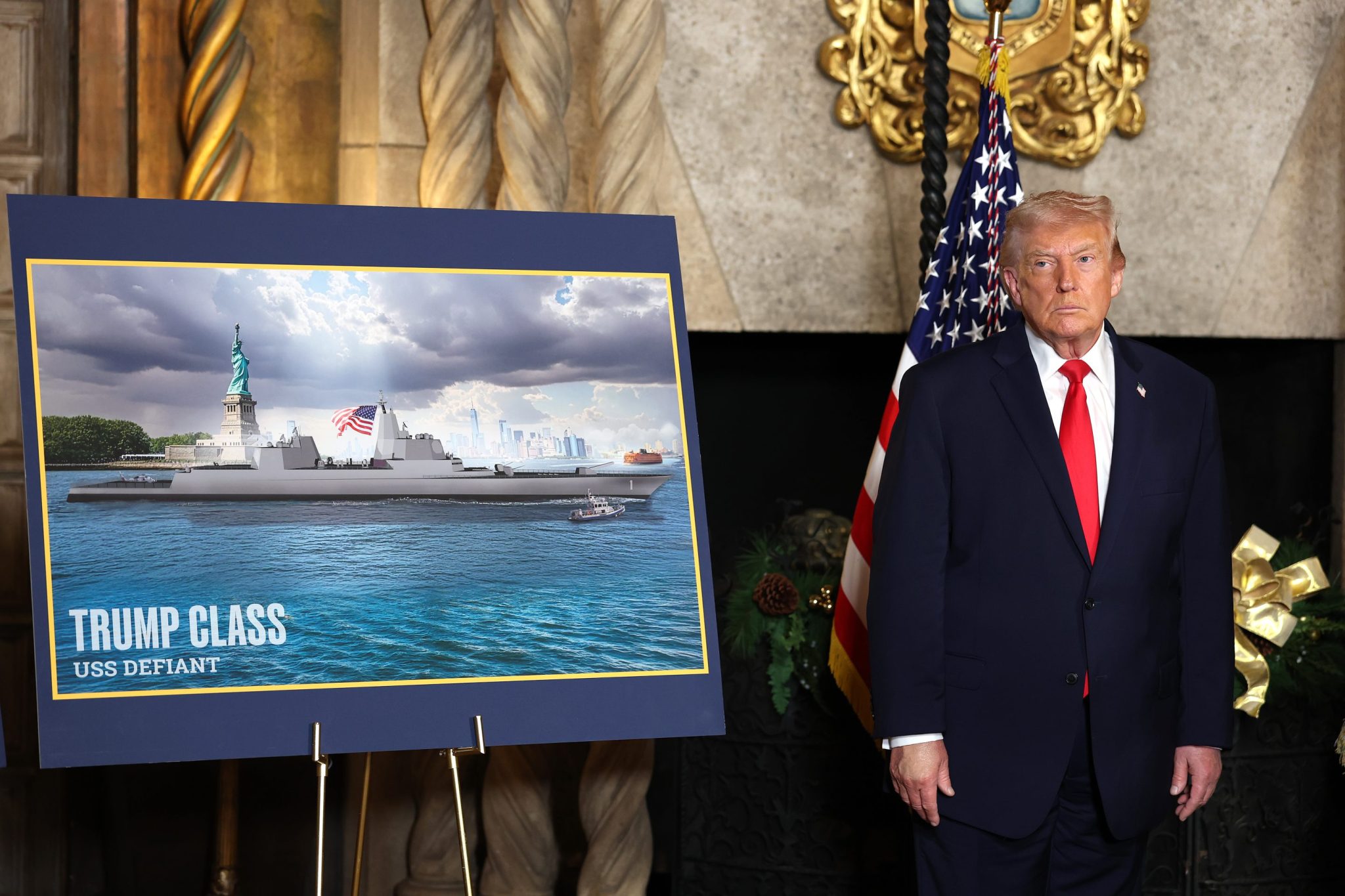
Trump has refused to spend money previously appropriated by Congress, launched military actions without substantive congressional consultation let alone approval, and largely dismantled the Department of Education, which was created by Congress.
With 256 executive orders — more than any president early in his term since Franklin Roosevelt — Trump has frozen federal grants, asserted control over independent agencies, changed federal election rules, reclassified civil servants, and paid Department of Homeland Security employees during a partial government shutdown without congressional approval. He has also imposed travel bans, asylum restrictions and refugee caps, and attempted to end birthright citizenship.
Trump has declared 10 national emergencies to justify hundreds of actions, from immigration to energy deregulation, that would ordinarily require congressional approval.
Most egregiously, he has used emergency powers to impose sweeping tariffs on allies and adversaries alike, even though the Constitution gives Congress, not the president, the power “to lay and collect taxes.”
When the Supreme Court found unconstitutional his reliance on the International Emergency Economic Powers Act to impose these tariffs, Trump declared the decision a “disgrace” and imposed new tariffs under a different and even more improbable statute.
Even as Trump usurps legislative authority, Republicans in Congress have said little and done less. And although Congress has the power to declare war and fund the military, it has played no role in what Trump calls his “excursion” into Iran.
In 2025, 38 bills were signed into law, the lowest number in the first year of a presidency in decades. The House set a new record for the fewest votes cast this century in the first session of a two-year Congress. In contrast, the 80th Congress, mocked by Harry S. Truman as the “Do Nothing Congress,” passed 388 bills in its first year.
Congress also set a record for the longest government shutdown in history — 43 days — triggered by disagreements over funding for an extension of healthcare subsidies. During the shutdown, more than 600,000 federal employees were furloughed, 1 million worked without pay, and tens of millions of Americans did not get the food aid on which they depend.
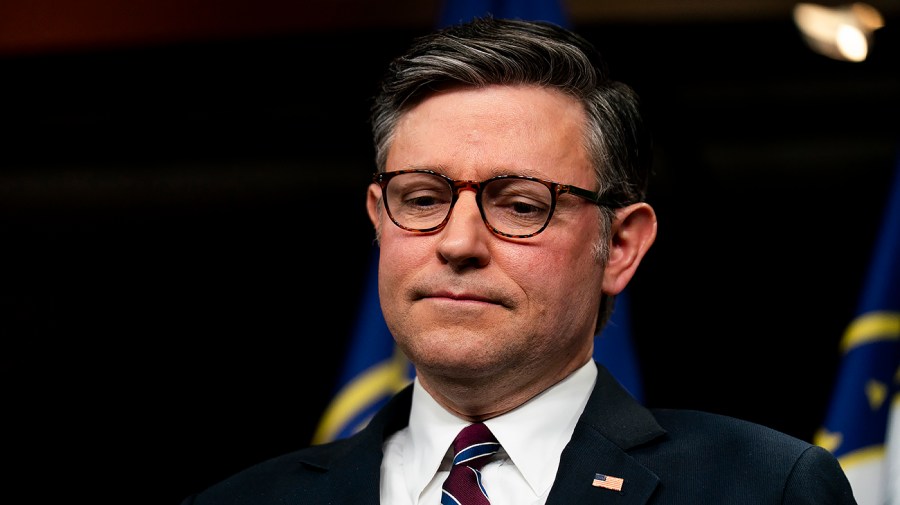
Instead of scheduling votes on bills that are difficult for the minority party to oppose, as the majority party typically does during a shutdown fight, House Speaker Mike Johnson (R-La.) put the House in hiatus. Critics (including some Republicans in Congress) viewed that decision as another example of the Speaker marginalizing his own institution.
With good reason, Trump has joked, “I’m the Speaker and the president.” He has also expressed little interest in further legislation; after he signed his One Big Beautiful Bill Act, Trump told Senate Republicans, “we don’t need to pass any more bills.”
To fulfill that vision, Johnson repeatedly used legislative gimmicks to block votes that might end Trump’s tariffs and resisted votes on other measures the president opposes, including legislation to compel the Justice Department to release its files on Jeffrey Epstein. Frustrated members of his own party have joined Democrats to set a record for the highest number of discharge petitions filed to force votes on measures the Speaker refused to bring to the floor.
Congress has surrendered so much power to the president that right-wing strategist and Trump ally Steve Bannon calls it “the Duma,” after Vladimir Putin’s rubber-stamp Russian legislature.
Having fought a revolution against King George III, the Founders intended Congress, the “people’s branch,” to be more powerful than the executive. They did not envision a Congress willing to diminish itself.
Unless Republicans in the Senate and House want to justify the claim, attributed to John Adams, “that one useless man is a disgrace, that two become a law firm, and that three or more become a congress,” they should at least try to reclaim their proper role.
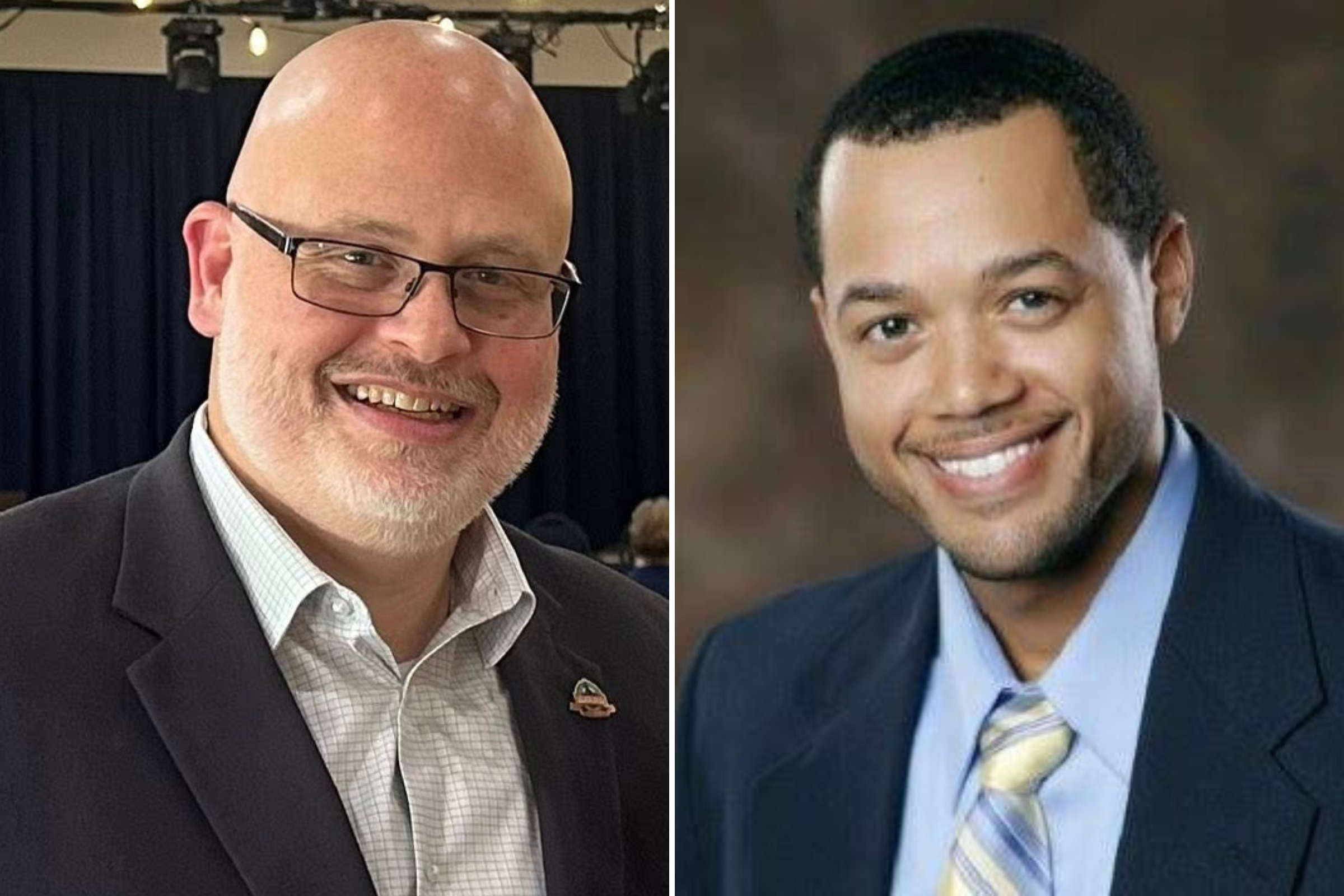
David Wippman is emeritus president of Hamilton College. Glenn C. Altschuler is the Thomas and Dorothy Litwin Emeritus Professor of American Studies at Cornell University.
Copyright 2026 Nexstar Media, Inc. All rights reserved. This material may not be published, broadcast, rewritten, or redistributed.For the latest news, weather, sports, and streaming video, head to The Hill.