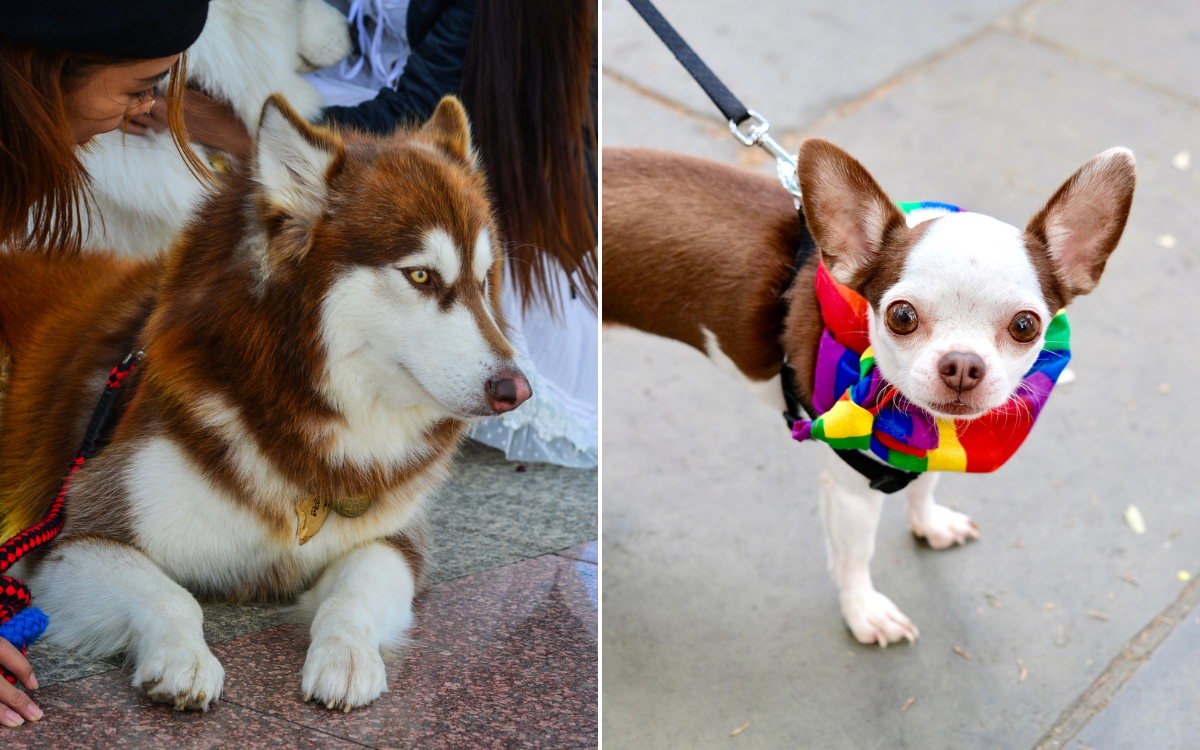
Helping a dog feel secure in a new environment is one of the biggest challenges owners face, whether they have brought home a rescue or a carefully selected puppy from a breeder. But, according to one expert, there are clear behavioral clues that reveal when a canine has finally relaxed into family life.
More than 56 million U.S. households own a dog, according to the American Veterinary Medical Association, and approximately 2 million canines are adopted each year, states the American Society for the Prevention of Cruelty to Animals (ASPCA).
While rescue dogs may need extra time and support to adjust, even puppies from reputable breeders don’t settle instantly. That leaves many owners wondering how to tell when their canine has finally relaxed and feels truly at home. To help answer that question, Newsweek spoke to Shannon Walker, a dog trainer and canine behaviorist based in the Pacific Northwest, Canada.
She said: “When a dog feels safe at home, it relaxes, seeks connection with you the owner, and trusts you to lead, True safety breeds calm confidence. This is ultimately the sign of a happy and content dog.”
5 Indicators of Emotional Safety in Dogs
Walker, the owner of Man’s Best Friend, a kennel and professional training facility, has shared the following signs that indicate emotional safety.
1. Relaxed Body Language
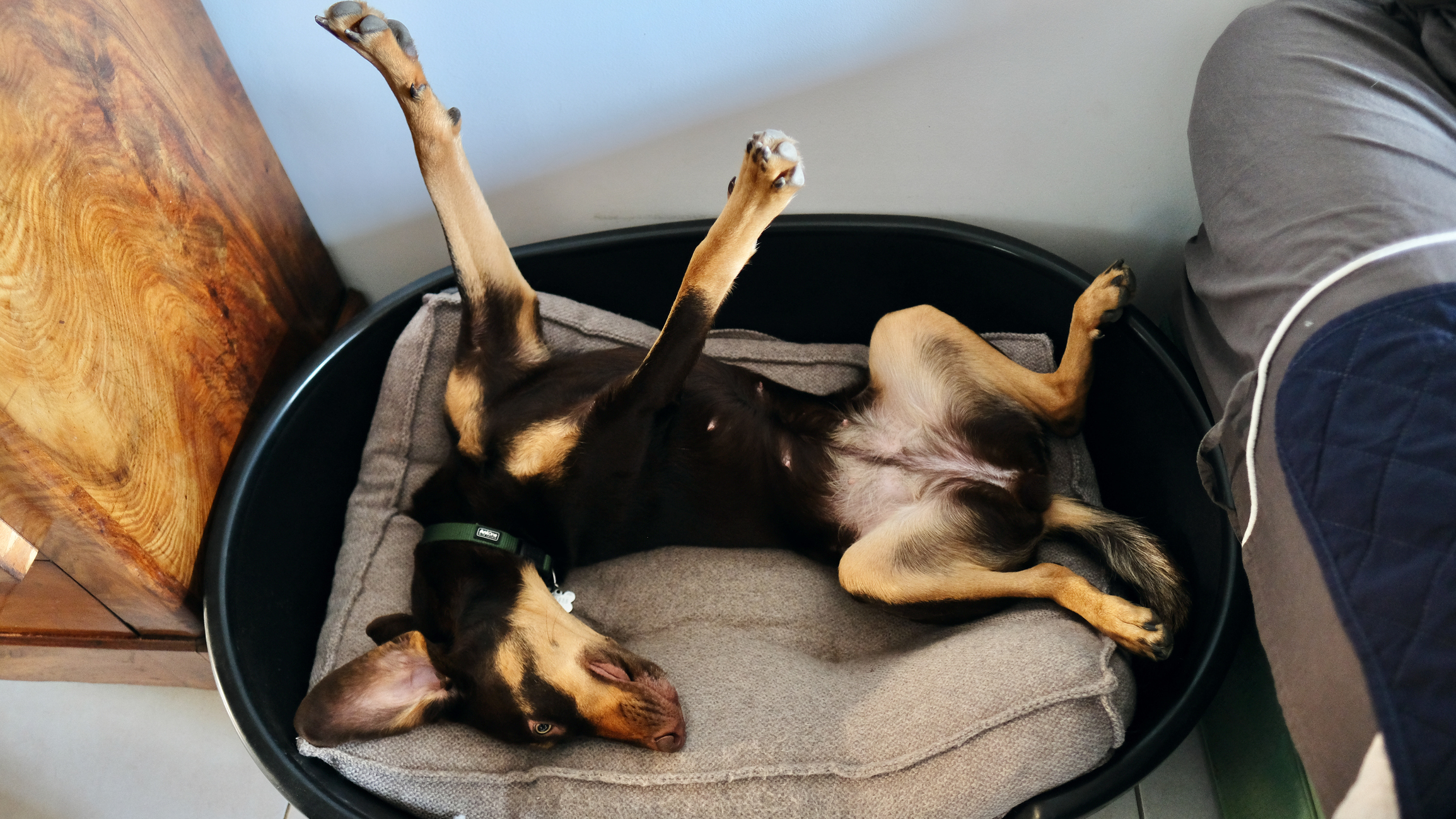
She told Newsweek: “If your dog has soft eyes, a relaxed mouth, relaxed ears and tail: this indicates that the dog is physically comfortable and not on high alert. He or she is emotionally safe and not on heightened alert.”.
2. Regular, Restful Sleep and Routine Behavior
The American Kennel Club reports that canines sleep or rest for the majority of the day, making their sleep patterns a useful window into how safe they feel.
Walker said: “If your dog is sleeping soundly and settling quickly, this shows that the dog trusts the environment and expects consistent care.”
3. Confident Approachability
Newsweek previously spoke to a groomer who noted that pups settling quickly in the salon often come from stable, loving homes.
Walker said: “If your dog willingly comes to you, seeks proximity or gentle contact, this means the dog trusts you and feels secure seeking attention.”
4. Calm Eating and Healthy Appetite
Studies have found that canines in multi-dog households, especially fearful, impulsive, or neutered male ones, were more likely to show resource guarding behaviors such as aggression, avoidance, or rapid ingestion.
Aggressive guarding tended not to occur alongside avoidance or rapid eating, while those two often co-occurred, suggesting pups may adopt relatively fixed strategies around valued items.
Walker said: “If your dog eats comfortably without guarding or anxiety, it means that it is not stressed and trusts in having enough food to survive.”
5. Playfulness and Curiosity
Playtime is an important part of a canine’s life; not only does it strengthen the bond between a pup and its owner but it also burns off any excess energy.
Walker explained that, if your “dog acts curios and plays around” then this is a clear indicator that the animal is not under any stress.
By paying attention to these behaviors, owners can better gauge their pet’s emotional state and take meaningful steps toward building a stable, trusting home environment.
Reference
Jacobs, Jacquelyn A., et al. “Factors Associated with Canine Resource Guarding Behaviour in the Presence of Dogs: A Cross-Sectional Survey of Dog Owners.” Preventive Veterinary Medicine, vol. 161, Dec. 2018, pp. 134—42. PubMed, https://doi.org/10.1016/j.prevetmed.2017.02.004.
Related Articles