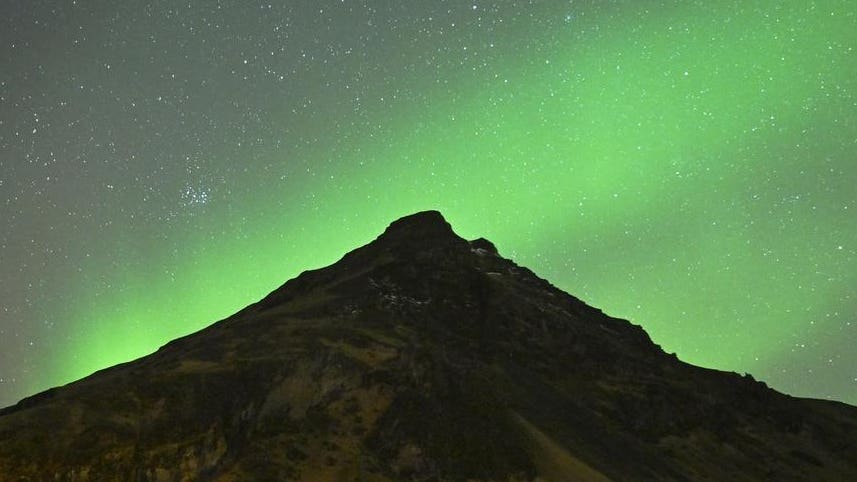
Year after year, Acadia is among America’s most visited national parks, and it’s easy to see why.
“It is just stunningly beautiful,” said Perrin Doniger, vice president of communications and marketing for Friends of Acadia, an independent nonprofit that's been supporting the park for 40 years.
“The granite mountains rise right out of the ocean so you have sweeping, beautiful views,” she added. “The way the Maine coast twists and turns can give you both sunrise views and sunset views which are very unique on the East Coast.”
Start the day smarter. Get all the news you need in your inbox each morning.
That’s not all that’s unique to Acadia.
Location
Much of Acadia is on Maine’s Mount Desert Island and reachable by road. However, the purposefully less developed Schoodic Peninsula is on the mainland.
There are also portions of the park on Isle au Haut, which is reachable by third-party ferry, and several Outer Islands that visitors can see on commercial boat tours.
Why it matters
There are 63 officially designated national parks within the National Park System.
Acadia was the first permanent one east of the Mississippi River, and it’s still the only one in the Northeast. It was also the “first national park created from private lands gifted to the public through the efforts of conservation-minded citizens,” according to the park's website.
Long before that, it was the ancestral homeland of the Wabanaki people, who have stewarded the land since time immemorial, Amanda Pollock, deputy chief of Interpretation at Acadia, told USA TODAY by email. Specific tribes include the Houlton Band of Maliseet Indians, the Mi’kmaq Nation, the Passamaquoddy Tribe at Motahkokmikuk, the Passamaquoddy Tribe at Sipayik and the Penobscot Indian Nation, according to the park.
Acadia also protects over 47,000 acres of land that are home to a wide variety of wildlife, including peregrine falcons, whose population the park helped restore.
“(It’s) a really unique place ecologically because you have an overlap of a lot of species, plants and animals that are sort of northern climates and then southern climates, and Acadia is kind of at the intersection of them,” Doniger said.
What to see today
Dramatic seaside cliffs, tranquil ponds and scenic mountain vistas welcome visitors, along with more than 150 miles of hiking trails and 45 miles of carriage roads gifted by John D. Rockefeller, Jr. Horse-drawn carriages, cyclists and pedestrians still use those today.
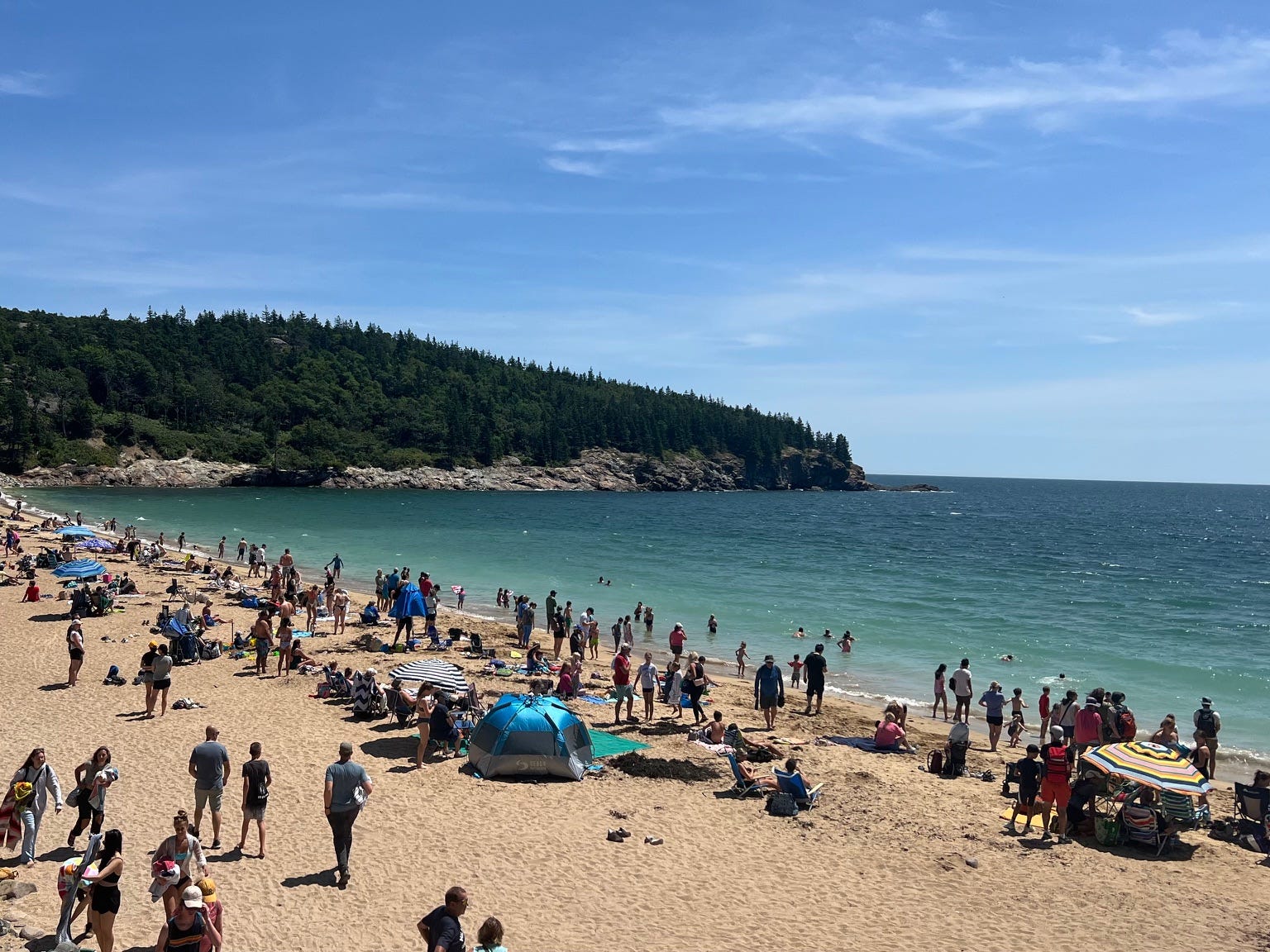
The east side of Mount Desert Island boasts popular sites like Cadillac Mountain, Sand Beach and Thunder Hole. The west side of MDI includes Bass Harbor Head Light Station, the Seawall and more.
“One particularly unique thing to see in Acadia National Park is the Carroll Homestead. This small, unassuming cabin provides a glimpse of life on Mount Desert Island 200 years ago,” Pollock said. “Built by the Carroll family in 1825, the homestead tells the story of hardworking settlers who farmed the land and raised families in this rugged coastal environment.”
Ask a local
Parking is very limited in the area, but the free Island Explorer shuttle stops throughout the park and the surrounding communities. Visitors can take the shuttle over to Bar Harbor for a variety of restaurants, inns and tourist offerings without leaving Mount Desert Island.
Plan your visit
Best time: Early fall is among the best times of year to visit the park. Summer crowds have wound down, but everything is still open and colorful fall foliage is at its peak.
Doniger also enjoys winter in the park. “This year we had lovely snow in Acadia, and one of the things that Friends of Acadia does is we have a volunteer group that does ski trail grooming of the carriage roads for skate skiing and also for classic cross country skiing,” she said. “It's just a really magical time of year to come.”
Hours/admission: The park is open year-round, but many areas close seasonally, like visitor centers, campgrounds, Echo Lake and Lakewood beaches, Jordan Pond House and various roads. Pollock noted the park staffs Sand Beach Entrance station year-round and supports Bar Harbor Chamber of Commerce Visitor Center staffing throughout the winter. The new Acadia Gateway Center in Trenton will open for peak season. Travelers should check the park’s website for location-specific operating details.
Park entry costs $35 per private vehicle for U.S. residents. New this year, there's an additional $100 per person fee for non-residents over age 15, unless they have an America the Beautiful public lands pass, which costs $250 for non-residents.
Additionally, visitors who want to drive up Cadillac Summit Road between May 20 and Oct. 25 must book timed-entry reservations for $6 per vehicle.
Getting there: There is a small airport, Hancock County-Bar Harbor Airport, less than 15 minutes from the park. It's served by JetBlue in partnership with Cape Air. The next closest airport is Bangor International Airport, a little over an hour’s drive from Acadia.
Learn more: Details can be found at nps.gov/acad.
This article originally appeared on USA TODAY: Why so many travelers flock to Acadia National Park and you should, too