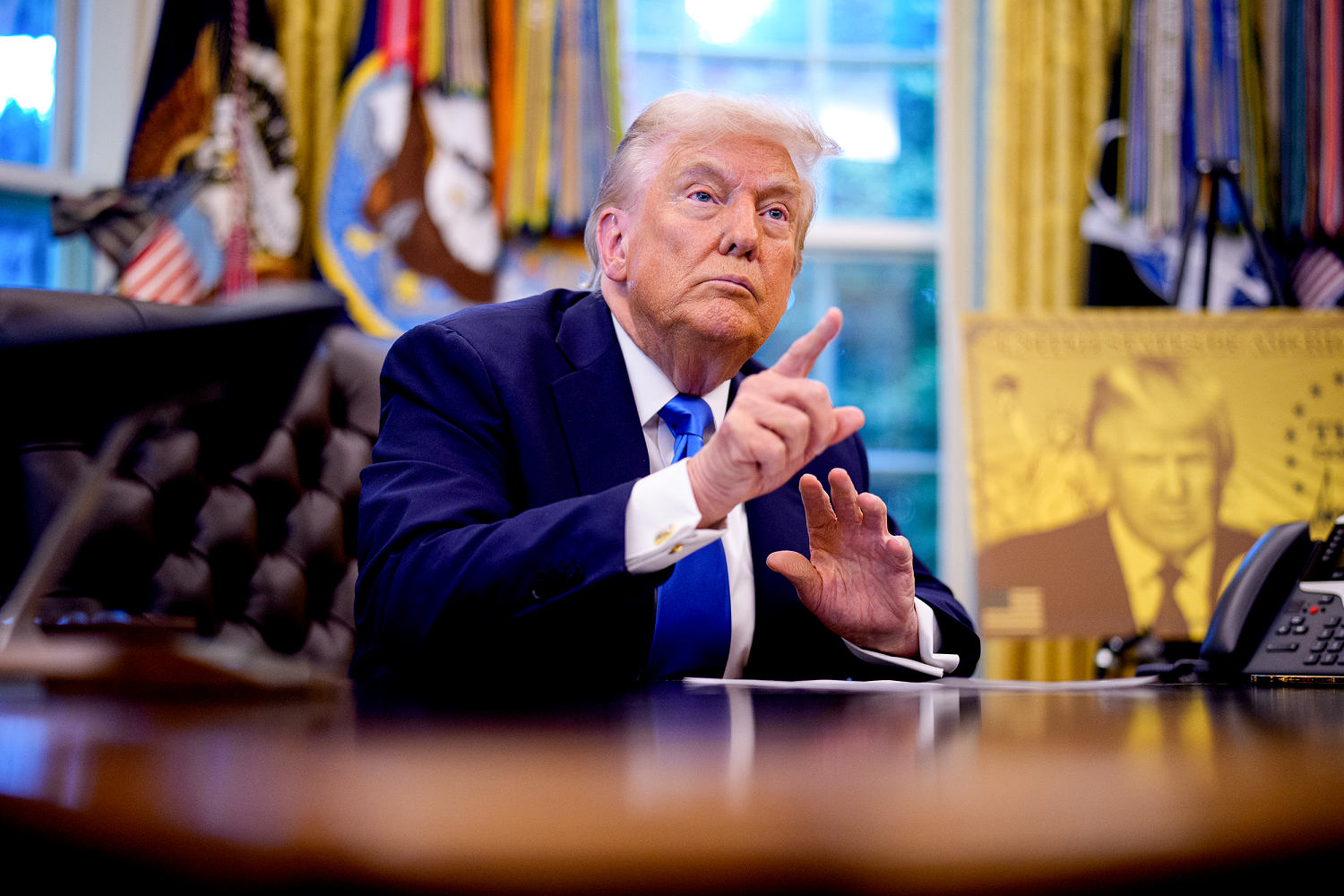
President Donald Trump has cast doubt on the prospects of a peace deal with Iran, saying Tehran has “not yet paid a big enough price” after it submitted a new proposal aimed at ending the conflict in the Middle East.
The warning comes as Iran reportedly sent a 14-point peace plan to Pakistani officials involved in mediation efforts, according to Iran’s semi-official Fars news agency. A senior Iranian official separately said the “ball is in the United States’ court.”
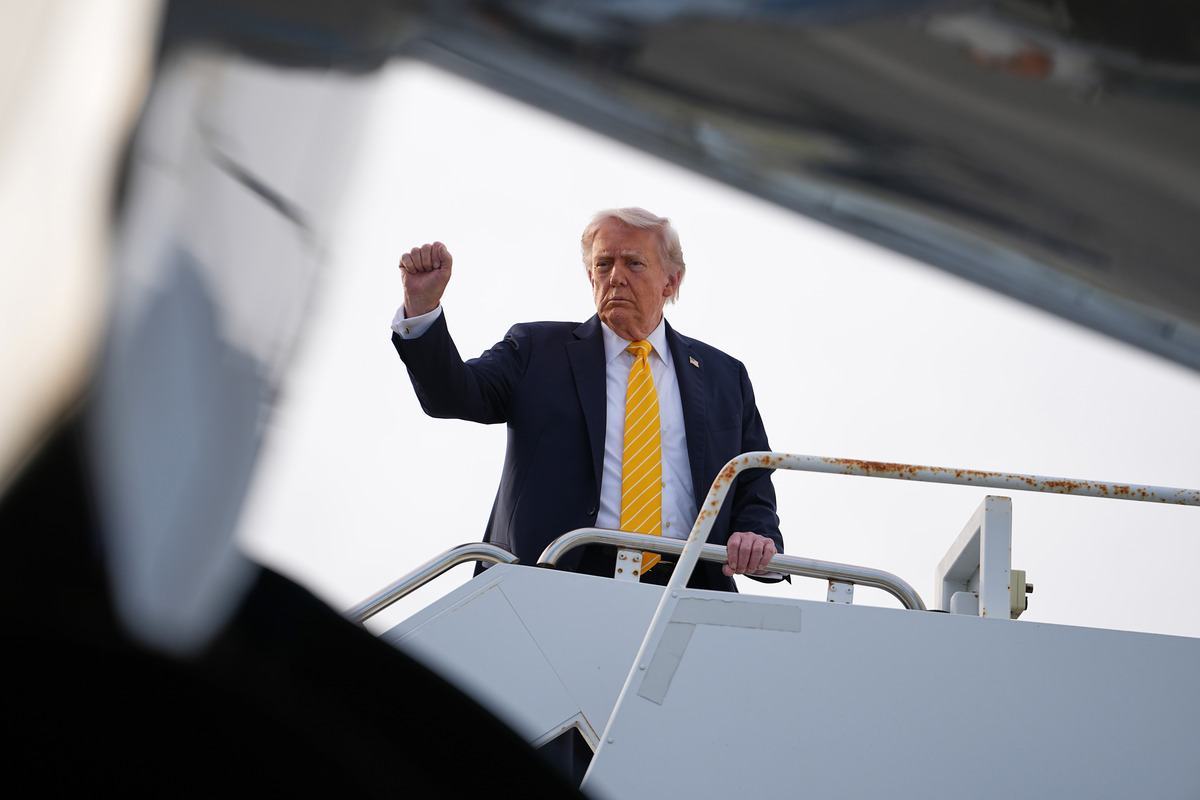
Speaking to reporters as he boarded Air Force One on Saturday, Trump said he had yet to review the “exact wording” of the proposal.
In a later post on social media, Trump said he would consider the plan, but questioned whether it could be accepted, arguing Iran had “not yet paid a big enough price for what they have done to Humanity, and the World, over the last 47 years.”
The current clerical regime in Tehran came to power following the country’s 1979 Islamic Revolution.
Trump Keeps Military Option on Table as Talks Stall
Despite Trump indefinitely extending a ceasefire with Iran last month, he has also kept future military action against Tehran on the table.
Earlier this week, he rejected an Iranian suggestion to first open the vital Strait of Hormuz shipping lane—which has been effectively shut for more than two months—while postponing contentious talks on Iran’s nuclear program to a later date.
The U.S. and Israel have said they launched their initial attacks on Iran from late February to make sure Iran cannot make a nuclear weapon.
Iran has long said its nuclear program is peaceful and designed to generate energy for a civilian population using an increasing amount of electricity.
But it is generally accepted that uranium enriched to 3.67 percent works for civilian reactors, and Iran has enriched uranium close to what it is needed to make a nuclear weapon. United Nations experts say more than 400 kilograms of highly-enriched uranium is still in the country.
Economic Pressure and Escalating Strategy
Meanwhile, Iran has kept up its chokehold on the Strait of Hormuz, threatening to attack any ship it sees as unfriendly since early March.
There have been at least 41 reports of incidents affecting ships in the strait and nearby waters since February 28, according to the United Kingdom Maritime Trade Operations Centre, which is backed by the British military.
Around a fifth of the world’s oil and gas supplies usually pass through the strait, with the blockage wreaking havoc on global energy prices and sparking supply fears.
Oil prices surged again this week after new reports suggested the U.S. was gearing up to extend its own blockade of Iranian ports, cranking up the pressure on the Iranian economy, alongside planning renewed strikes on Iran.
Iran briefly declared the strait open last month, only to quickly reverse course.
Trump has suggested a new plan under which the U.S. would keep up its blockade and work with American allies to economically punish Iran, The Associated Press reported on Friday, citing an anonymous source.
The U.S. government has warned any ships paying tolls to Tehran for passage through the Strait of Hormuz could be violating American sanctions on the country.
What Happens Next
With Iran pressing forward with a new proposal and Washington signaling continued pressure, both sides remain far from agreement.
Any breakthrough is likely to depend on whether negotiations over nuclear restrictions, shipping access, and sanctions relief can be aligned into a single framework.
Update 5/3/2026 at 5:15 a.m. ET: This article has been updated with additional information.
Related Articles