A fractured OPEC. A blockaded Persian Gulf. A U.S. emboldened by its world-leading fossil-fuel output.
The Iran war is scrambling the longstanding foundations of the oil market, ushering in a more fragmented and potentially more volatile energy world. The free flow of petroleum across oceans is out. Resource nationalism is in.
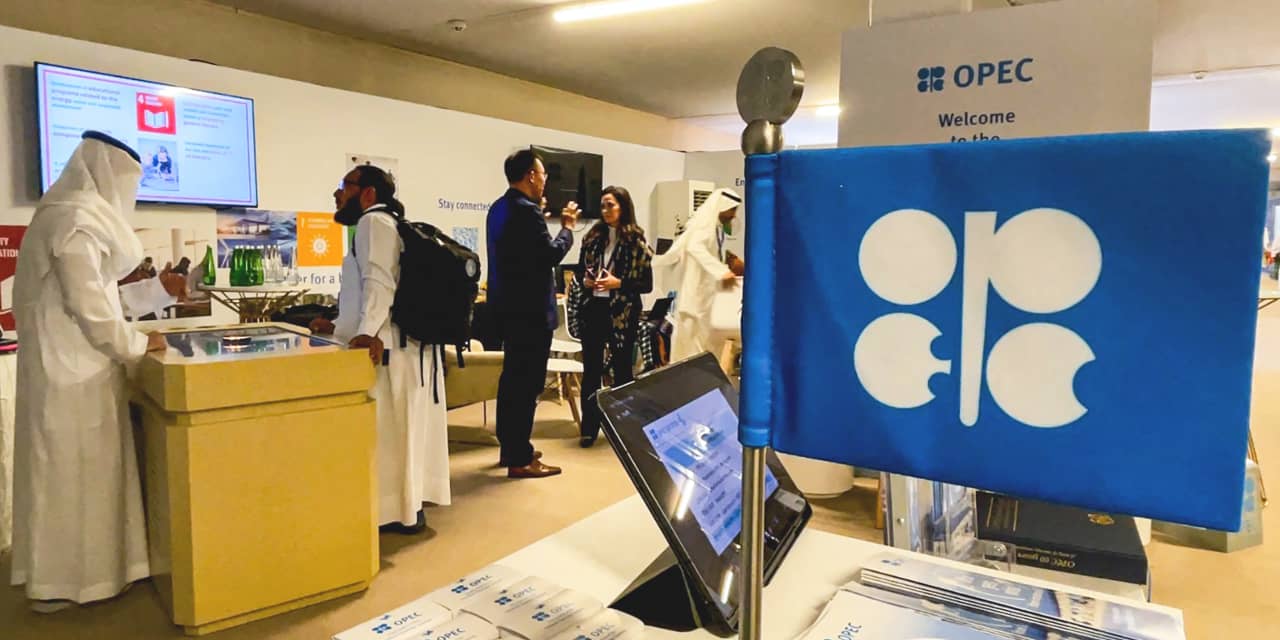
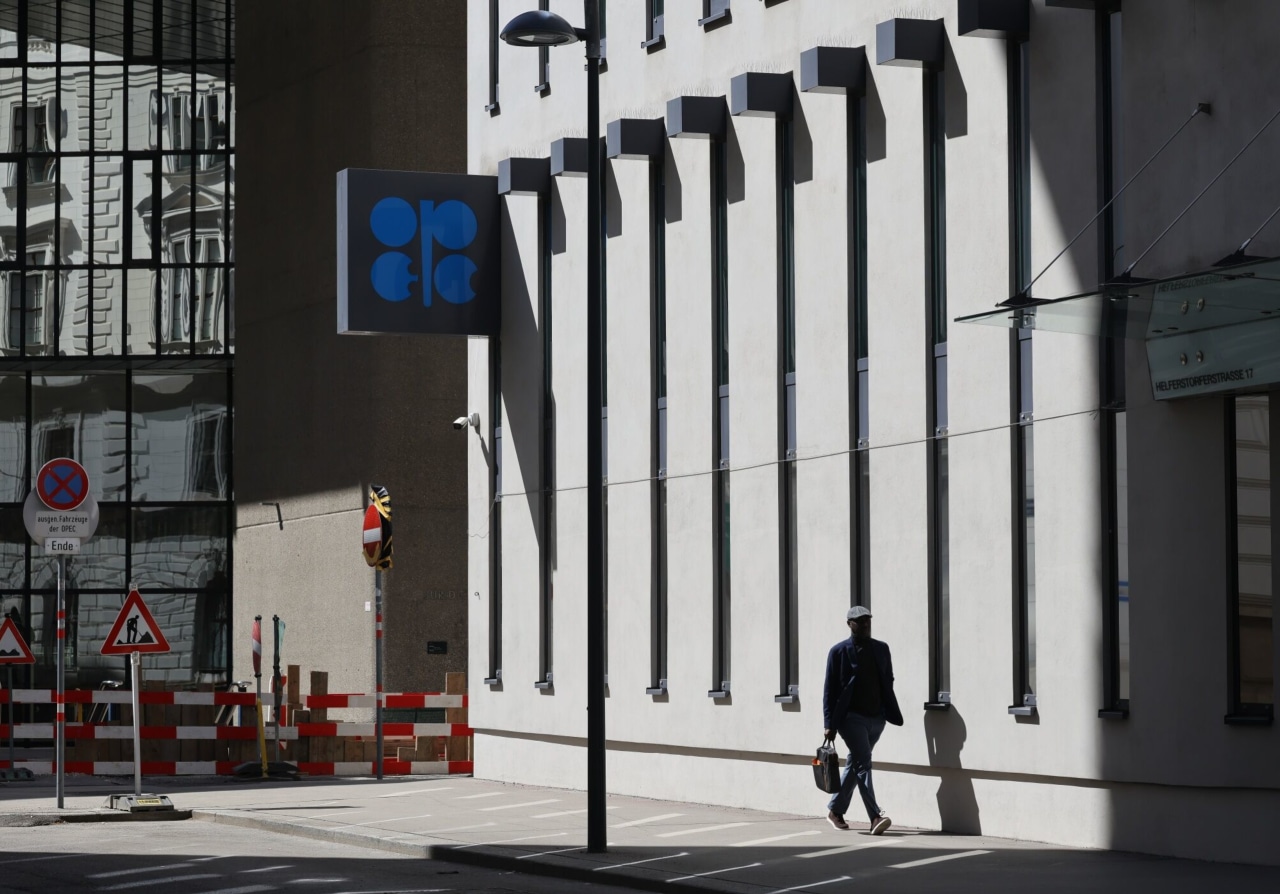
The latest rupture of the global energy map came Tuesday, when the United Arab Emirates said it would leave Saudi Arabia-led Organization of the Petroleum Exporting Countries, dealing a major blow to a cartel of oil producers that was designed in part to tame an industry famed for booms and busts. Instead, the U.A.E. is striking out on its own.
That and other moves are accelerating a shift from an oil market structured around economic efficiency toward one shaped by politics and conflict. Major importers in Asia and Europe are racing to wean themselves from Middle Eastern fossil fuels, pare back their energy usage or ramp up domestic production. Huge exporters—including the U.S.—are vying to gobble up market share in a world where the prospect for demand growth was already uncertain before a once-in-a-generation energy shock.
“It means it’s an every-man-for-himself situation,” said Gregory Brew, a senior analyst on Iran at the Eurasia Group.
The question is for how long. Many of the oil market’s guardrails traced back to the 1970s, when OPEC established its pricing power in earnest. Western nations including the U.S. built reserves to ward off supply shocks. Futures markets later sprang up to help diffuse risk and smooth over volatility. In energy-hungry America, the Carter Doctrine highlighted the free flow of oil through the Persian Gulf as a vital national interest.
“Now, the relationship is flipped,” Brew said. “The U.S. is still a major consumer, but it seems policymakers are also thinking of the U.S. as a producer—a force to shape the oil market.”
Even as Iran’s effective closure of the Strait of Hormuz has pushed Americans’ prices at the pump to their highest levels in years, Washington ramped up its pressure campaign on Tehran with a blockade of its own that has kept tanker traffic to a trickle. In recent meetings, including on Monday, President Trump opted to continue squeezing Iran’s economy and oil exports by preventing shipping to and from its ports, The Wall Street Journal reported.
Trump has suggested the U.S., whose shale drillers were long an OPEC nemesis, could ultimately benefit from high prices that have come as a result. He has urged other countries to buy American oil and gas, urging Exxon Mobil, Chevron and others to ramp up their production plans in response.
Energy executives and Wall Street investors believe American companies won’t dial up output in earnest in the coming months. But the Emirati export powerhouse—untethered from OPEC’s stringent quota system—could capitalize by flooding the market with crude.
The U.A.E.’s Ministry of Energy and Infrastructure said in a statement that it would “continue to act responsibly, bringing additional production to market in a gradual and measured manner, aligned with demand and market conditions.”
The finance world isn’t convinced, even as OPEC and its Russia-linked allies—a group collectively known as OPEC+—share an immense market footprint.
The U.A.E.’s departure from the group took out “one of the few shock absorbers [the market] had left,” Rystad Energy analysts said. “If other producers begin prioritizing market share over quota discipline, OPEC’s ability to manage orderly markets through coordinated supply adjustments may increasingly be called into question,” Ole Hansen, head of commodity strategy at Saxo Bank, told clients.
Already, cartel member Venezuela has begun boosting its long-languishing output following the U.S. removal of President Nicolás Maduro this year. Non-OPEC producers including Guyana, Brazil and Canada are also planning to pump out more oil in a bid for economic growth.
At the same time, buyers in Europe and Asia are bidding up prices for crude, fuel and liquefied natural gas from regions far afield of the conflict.
“There might be a security benefit to domestic production and reducing trade in energy. But maybe there’s a cost as well,” said Jason Bordoff, director of Columbia University’s Center on Global Energy Policy. “How much of a premium on energy security are policymakers willing to pay?”
For now, Western nations are attempting to tamp down prices with record drawdowns from their oil stockpiles, including a projected 172-million-barrel release that would take the U.S. Strategic Petroleum Reserve to its lowest level in decades. Trump’s social-media posts on extended war deadlines and ongoing peace talks have also beaten down periodic price surges that have rippled through financial markets.
Benchmark global futures on Monday topped $111 a barrel, their highest since Washington announced a cease-fire with Tehran in early April. Some analysts expect additional hikes could push oil prices to levels last seen in the aftermath of Russia’s full-on invasion of Ukraine in 2022.
“What’s very clear is that this has driven home a point to Canada and other countries around the world of how much we are at a hinge moment, how much the system we all took for granted around free trade, around free flow of energy, has been ruptured,” said Tim Hodgson, Canada’s minister of energy and natural resources.
“Some countries may have thought after Russia’s invasion of Ukraine that that was a one-off,” Hodgson added in a March interview. “This is a very clear signal for everybody that we are at a time of heightened volatility.”
Write to David Uberti at david.uberti@wsj.com