
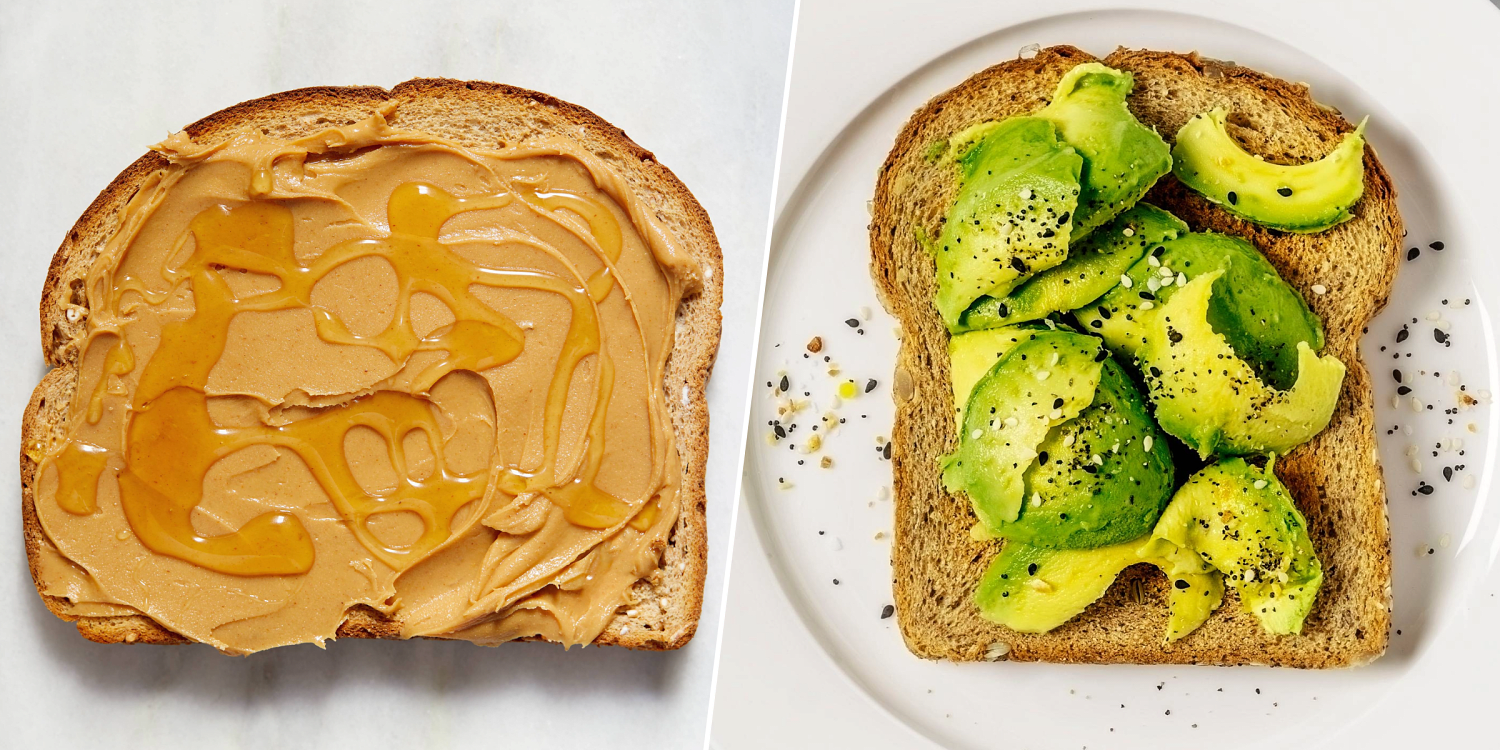
Toast is a great base for a nutritious and filling breakfast, especially if you start with a healthy bread that's high in fiber. The toppings for your toast can also dramatically boost the nutrient profile, with some of the healthiest options including fruits, veggies, Greek yogurt and nut butters.
If you're choosing between two popular breakfasts — avocado toast and peanut butter toast — you can feel confident you'll be adding some extra fiber and healthy fats to your plate, both of which help keep you full long after eating.
Both also spreads contain protein and other essential nutrients. Here’s how they compare across key nutrition categories, and which I would choose as a dietitian.
Fat
Both peanut butter and avocado are rich in unsaturated fats, which can improve heart health markers when they replace saturated fat in the diet.
Avocados are especially high in monounsaturated fat, known for supporting healthy cholesterol levels. One-third of an avocado contains about 6 grams of unsaturated fat, and avocados are one of the only fruits that provide this important macronutrient.
Peanut butter contains a mix of mono- and polyunsaturated fats, with about 6 grams of unsaturated fat in one tablespoon. But it may also include added sugars, salt and oils, depending on the brand. Choosing natural peanut butter made with just peanuts is key to keeping this a healthy breakfast spread.
In terms of calories, one-third of an avocado has about 80, while one tablespoon of peanut butter has about 90 calories. Both are nutritious fat sources within a similar calorie range, but avocado has a slight edge for heart health because it contains no added sugar or salt.
Protein
If you’re looking for more protein, peanut butter toast wins. One tablespoon of peanut butter provides about 4 grams of protein, while one-third of an avocado has about 1 gram.
Bread also contributes some protein — about 5 grams per slice of whole-wheat bread and about 2 grams per slice of white bread. Still, the clear winner is peanut butter toast, which can deliver more than 6 grams of protein per slice.
Protein supports muscle repair and helps you feel satisfied longer, which is especially important for active people or those eating breakfast before a workout.
That said, neither option is a high-protein meal on its own. To boost protein, you can:
- Add chia seeds or hemp seeds.
- Pair your toast with yogurt or a glass of cow’s milk or soy milk.
- Top your toast with eggs or tofu scramble.
Fiber
Avocado toast shines when it comes to fiber. One-third of an avocado provides about 3 grams of fiber, or roughly 11% of daily needs. Fiber supports digestion, heart health and blood sugar control, and it also helps promote fullness after meals.
One tablespoon of peanut butter contains about half that amount. If constipation, gut health or cholesterol management are priorities, avocado toast may be the better pick.
The type of bread matters too. Whole-wheat or whole-grain bread provides significantly more fiber than white bread.
Micronutrients
Each option brings unique vitamins and minerals to the table.
Avocado toast provides potassium for blood pressure regulation, folate for cell growth, and vitamin K for blood clotting.
Peanut butter toast is a good source of magnesium for muscle and nerve function, vitamin E for skin health, and B vitamins for energy metabolism.
Neither option is a micronutrient powerhouse on its own, but both contribute meaningfully to a nutrient-rich breakfast when paired with fruits or vegetables.
Which Toast Keeps You Fuller?
Both options contain fat and fiber, which slow digestion and help stabilize blood sugar compared to plain toast.
Peanut butter toast may feel more filling due to its higher protein content, while avocado toast may promote fullness through its fiber and volume.
What you add on top matters even more. Refined toppings like honey or sugary spreads can spike blood sugar, while toppings such as seeds, vegetables or eggs improve balance and satiety.
Which Is the Healthier Choice?
Rather than choosing a single winner, the healthiest approach may be rotating both into your routine. Variety helps ensure a wider range of nutrients and prevents food boredom.
Peanut butter toast may be the better choice if you need more protein after a workout, are focused on weight maintenance, or have limited access to fresh produce. It’s also shelf-stable and budget-friendly, making it a practical everyday option.
Avocado toast may be the better choice if you want more fiber to support digestion and heart health. The creamy texture of avocado also pairs well with vegetables like tomatoes, arugula, and radishes, adding even more nutrients.
Both peanut butter toast and avocado toast are healthy choices with different benefits. Peanut butter offers more protein, while avocado delivers more fiber. The “healthier” option ultimately depends on your nutrition needs, taste preferences and lifestyle.
If your toast includes whole grains, minimal added sugar, and a mix of healthy fats, fiber, and protein, you’re already making a smart choice — no matter which spread you reach for.
This article was originally published on TODAY.com