It's not what we expected.
Food waste is a major issue in the U.S.—and it’s not just about tossing out the slimy bag of spring mix you optimistically bought three weeks ago. Most of it happens on a much larger scale: grocery stores, restaurants, and fast food chains. Between over-preparation, best-by dates, and strict freshness standards, about a third of the food produced in the U.S. never actually gets eaten.
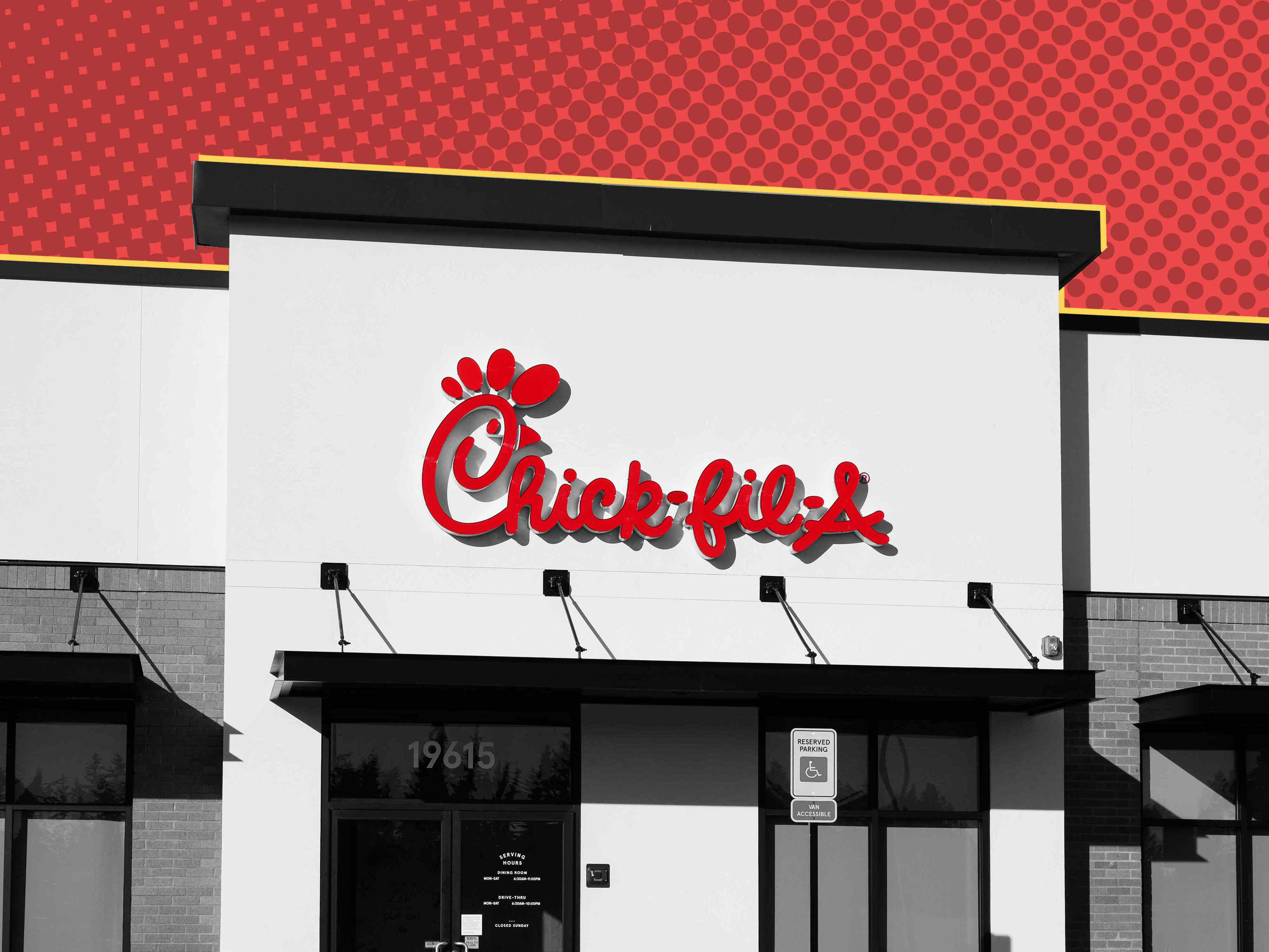
So when we started looking into what one of our favorite fast food chains, Chick-fil-A, does with leftover chicken, we braced for a pretty grim story. But to our relief, it actually has a much better ending than we expected.
What Happens to Chick-fil-A’s Leftover Chicken?
For years, Chick-fil-A’s leftovers met the same fate as most fast food surplus: the trash. But about 30 years ago, that started to shift.
Marshall Wilkins, a Chick-fil-A Owner-Operator in Tennessee, noticed just how much extra food his restaurant was producing each week. Instead of accepting it as the cost of doing business, he called Knoxville Area Rescue Ministries to see if they could use it. They could—and the idea eventually grew into a company-wide effort known as the Shared Table program.
Officially launched in 2012, Shared Table is designed to help address food insecurity across the U.S. Through the initiative, Chick-fil-A restaurants donate surplus food—especially chicken—to local organizations serving people in need.
Here’s how it works. At the end of each day (except Sundays, of course), employees sort and package surplus food that’s still safe to eat, from chicken nuggets to salads and biscuits. Chick-fil-A partners with Food Donation Connection to help restaurants connect with local nonprofits like soup kitchens, senior centers, and after-school programs.
And here’s where it gets even better: that donated food is turned into entirely new meals—think chicken parmesan, chicken cacciatore, chicken and dumplings, and orange chicken—before being served. Chick-fil-A even released a cookbook, "Extra Helpings," with recipes designed specifically to repurpose these donations.
Because Chick-fil-A locations are independently owned, participation in the program isn’t automatic. Still, more than 2,500 restaurants across the U.S. and Canada take part, representing a large portion of the chain.
Not everything can be saved—food safety rules are strict for good reason. But still, the impact has been significant. Since 2012, the program has helped create tens of millions of meals, and since 2020 alone, more than 60 million pounds of food have been kept out of landfills.
So, even in fast food, waste isn't inevitable. Chick-fil-A actually means what it says in its slogan—“Eat Mor Chikin.”
Read the original article on Allrecipes