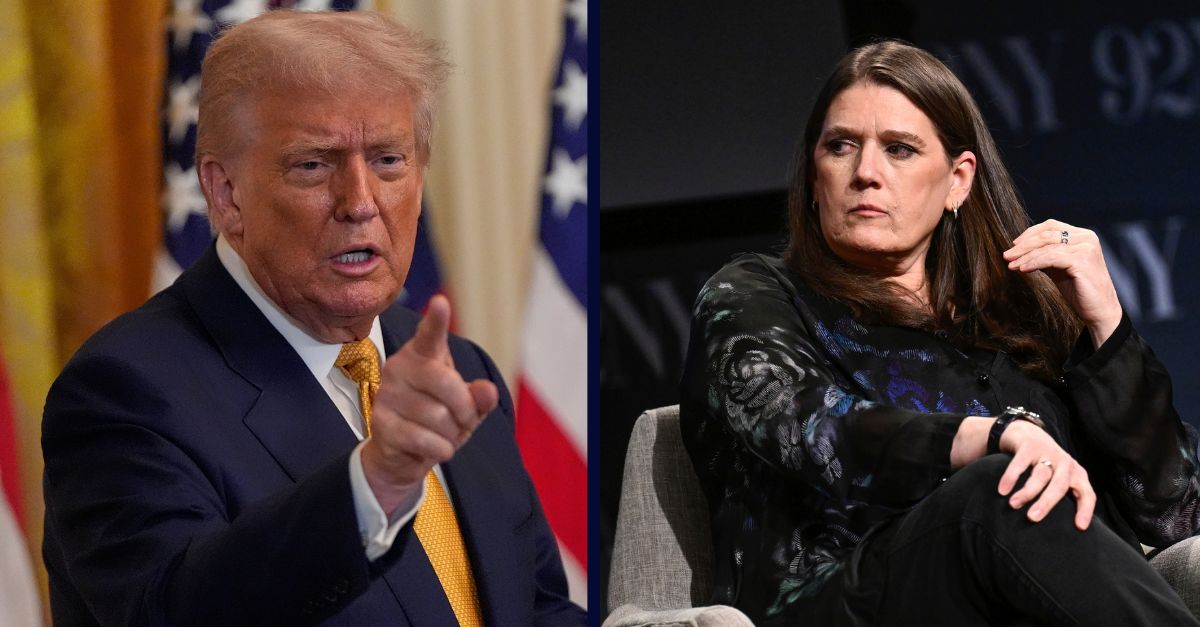
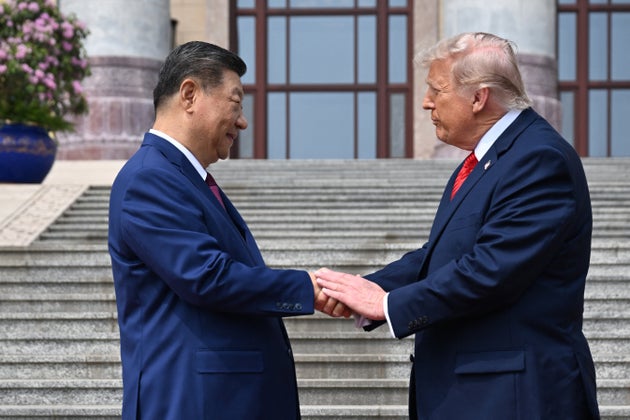
On Thursday, President Donald Trump and Xi Jinping, China’s leader, greeted each other during the first U.S. presidential visit to China in nearly a decade with a long handshake.
For two world leaders in a high-stakes summit, this was not just a common professional courtesy –– it was also a way of sizing the other up. Handshakes can foreshadow what’s on someone’s mind, according to experts.
Life: 9 Mental Health Benefits Of Mahjong Experts Want You To Know
“They’re telling you how they’re going to deal with you and what they think,” said Traci Brown, a body language expert and behavior analyst.
Body language analysts told HuffPost they were struck by the differences between how Trump greeted Xi, compared to past world leaders. “Trump usually does his ‘yank-and-grab,’ and he didn’t do that this time,” Brown said. “He was, this time, either more respectful or trying to show less power –– that’s the biggest thing.”
Trump is known for pulling peopletoward him when he shakes their hands. When Ukrainian President Volodymyr Zelenskyy met Trump in Washington, D.C., for example, he manhandled Zelensky and put his arm around him, and when he bid farewell to French President Emmanuel Macron, Trump briefly knocked Macron off balance in his 25-second handshake. But that did not happen here.
Here’s what body language experts noticed:
Xi took control by how he started the handshake.
In the first handshake, Xi initiates it by opening his hand to greet Trump as he walks towards him, which “is well played,” said Denise M. Dudley, a psychologist and author of “Making Relationships Last,” because it prevents Trump from doing “his normal steamroller” handshake. “He literally starts by offering a handshake before Trump is even there. And that’s very unusual. Normally, we wait for somebody to walk up to us.”
Dudley said a handshake is typically executed from the elbow, and it involves about three shoulder pumps while the hands are vertical. But Xi “immediately turns Trump’s hand upside down” so that Xi’s hand is on top, Dudley said.
By making Trump’s hand go under his, “that is an absolute show of “dominance,” Dudley said. If Dudley were to judge, she thinks Xi “won” this handshake because he “always maintained control,” she said.
Like this article? Keep independent journalism alive. Support HuffPost.
Then, the handshake doesn’t end and continues long past the perfunctory few shoulder pumps in a typical welcome. There are at least ten shakes of the hand. It’s like “a tug of war,” Dudley suggested.
Xi looks at Trump directly with his eyes while Trump tilts his head throughout the handshake, which can either be interpreted as a questioning gesture or a pandering one that is also unprofessional, Dudley said. “To me, it’s basically trying to minimize the importance of a president,” she said.
Trump’s pats on Xi’s hand are “demeaning.”
As the elbow pumps continue, Trump pats Xi’s hand with his other hand. If Xi and Trump were good friends, this would be a “warm, friendly” touch to signal closeness, Dudley said.
But on a world stage in front of cameras, this gesture is unprofessional, experts said. “That’s demeaning a little bit. It’s like, ‘Oh, good boy,’” Brown said, saying that it’s how you pat your dog, not your fellow leader.
Dudley, meanwhile, said the hand pat and a later shoulder pat are “patronizing.” “You wouldn’t be patting unless you knew them and you love them,” she noted. “That’s not the case, so it’s only to diminish Xi’s power.”
After the initial handshake, Trump repeatedly praised Xi as his “friend” during the state visit and said that he experienced a “magnificent welcome like none other.” In contrast, Xi took a more measured tone, saying that he wants “be partners, not rivals” while also warning Trump that their differences on Taiwan could lead to conflict.
But you don’t need to read these public remarks to get a sense of how they feel about each other. You can also watch this complicated power dynamic in their handshake.