BALTIMORE—Beth Hawks closed her waterfront boutique to attend a recent midday hearing at City Hall. On the agenda: a fierce debate over whether to give the city’s inspector general greater access to scrutinize spending by the administration of Mayor Brandon Scott.
Hawks, like other locals, was in the high-ceilinged chamber to support the inspector general. “We as taxpayers have every right to know where our dollars are going,” she said, criticizing records shielding as “no different than the Epstein files.”
Scott and Inspector General Isabel Mercedes Cumming are locked in a power struggle that has spilled into the courts and animated voters. The conflict escalated after Cumming’s office flagged potential fraud in a city-run youth-diversion program and dinged the mayor’s office for skirting spending rules. One finding cited about $50,000 spent over roughly three years on treats such as crab cakes and Old Bay wings at city-owned stadium skyboxes during Orioles and Ravens games.
The row has turned ugly; Scott’s camp jabbed that Cumming follows “Trump-aligned ‘MAGA’ ” X accounts, while Cumming apologized for sharing a video with an AI-generated image of the Democratic mayor smoking a cigar amid stacks of cash.
The clash also has riled up the public at a time when the perceived misuse of taxpayer money for waste or lavish perks has become a flashpoint for outrage. Similar fights are surfacing across the U.S. At the federal level, President Trump fired or forced out some 20 inspectors general across various agencies.
“People who can’t pay their own bills are saying, I pay my taxes, I’m working three jobs,” said David Paleologos, director of the Suffolk University Political Research Center in Boston, while officials “are just blowing money on crab dinners and [sky]boxes and all of these extra amenities.”
‘Our access was gone’
Cumming was named Baltimore’s inspector general in 2018 by then-Mayor Catherine Pugh, who later went to prison for a criminal scheme in which she illegally profited from the sale of self-published children’s books.
The rift between Scott and Cumming ignited earlier this year during her probe of a pilot youth-diversion program, which she had criticized for issues including poor data collection. The program ended in 2024. (She later referred two potentially fraudulent invoices to law enforcement.)
That probe soon ballooned into a fight over access to records.
After the city gave Cumming heavily redacted invoices in January, she issued a subpoena for unmarked ones. The city ignored the demand, instead announcing it had discovered the IG had “unapproved and unfettered access” to legally protected confidential work product and communications.
“Just like that,” Baltimore’s Deputy Inspector General Matt Neil told a City Council committee, “our access was gone.”
In early February, the city publicly laid out big changes to the inspector general’s office it said state law required. The changes included mandatory confidentiality provisions for personnel, medical and financial information.
To bolster its case, the city pointed to a letter the office Maryland Attorney General Anthony Brown office gave a state lawmaker about a different community. But Brown’s spokeswoman confirmed to the Journal that the office wasn’t opining on Baltimore’s IG specifically.
Scott says he backs the IG’s watchdog role, but maintains state law limits what her staff is permitted to see. “We are in full support of transparency,” the twice-elected mayor said in an interview with The Wall Street Journal. “But it has to be done the right way.”
The inspector general disagrees: “This is an attempt to stop transparency.”
‘Fresh fruit tray’
Scrutiny intensified in late February when Cumming released a report detailing $167,000 in spending over roughly three years, much of it for food, by mayor’s office staffers who didn’t get necessary waivers. The report referenced “birthday celebrations, employee appreciations, baby showers, and flowers for a selective few, including executive leadership.” It also cited correspondence from 2025 stating an unnamed mayor’s office executive would like a “fresh fruit tray available to everyone in the mayor’s suite daily.”
Public backlash was swift. Terence Dickson, a Baltimore cafe owner, objects to the spending when people, including him, are struggling financially. “You can go to Sam’s Club and get a bag of oranges for $8 and a bag of apples for $8, and you put them in a bowl on a desk,” he said.
The mayor’s office said it had strengthened internal controls, while challenging some of the inspector general’s “characterizations and implications” about the spending.
Scott defends the stadium spending, noting his office often invites “everyday Baltimoreans” and rank-and-file city workers. (Political figures get invites, too). City officials said the questioned expenses equated to 0.19% of the mayor’s office budget for the period.
Scott has also found himself on the hot seat over his $163,000 city SUV. He has said it is “a police vehicle with police equipment on it.”
Meantime, Cumming sued the Scott administration over her lost access. The city tried to have the case dismissed by arguing the city can’t sue itself. A judge has allowed the suit to proceed.
Friction worsened in April, when Cumming shared on her personal Facebook page a YouTube video about the administration’s spending. It contained an AI thumbnail, depicting a stogie-smoking Scott holding shopping bags and what looks like booze, surrounded by piles of cash.
Cumming’s Facebook post said the video “ties many things together.” She quickly apologized, saying she didn’t notice the AI image before posting the video and didn’t endorse or support it.
Scott, 42 years old, said he was “very disappointed” by her post. He noted that he doesn’t drink or smoke, adding that “luxury to me is an Under Armour sweatsuit.”
“That just adds on to the fire that we’re talking about, like, oh yeah, it is a young Black guy, he has to be corrupt,” Scott said.
Scott’s chief of staff filed an ethics complaint soon after, arguing the image and several social-media posts raised “serious questions” about Cumming’s objectivity.
Cumming called the focus on the AI image a distraction. “My motivation is for the public,” she told the Journal. “We are an independent watchdog.”
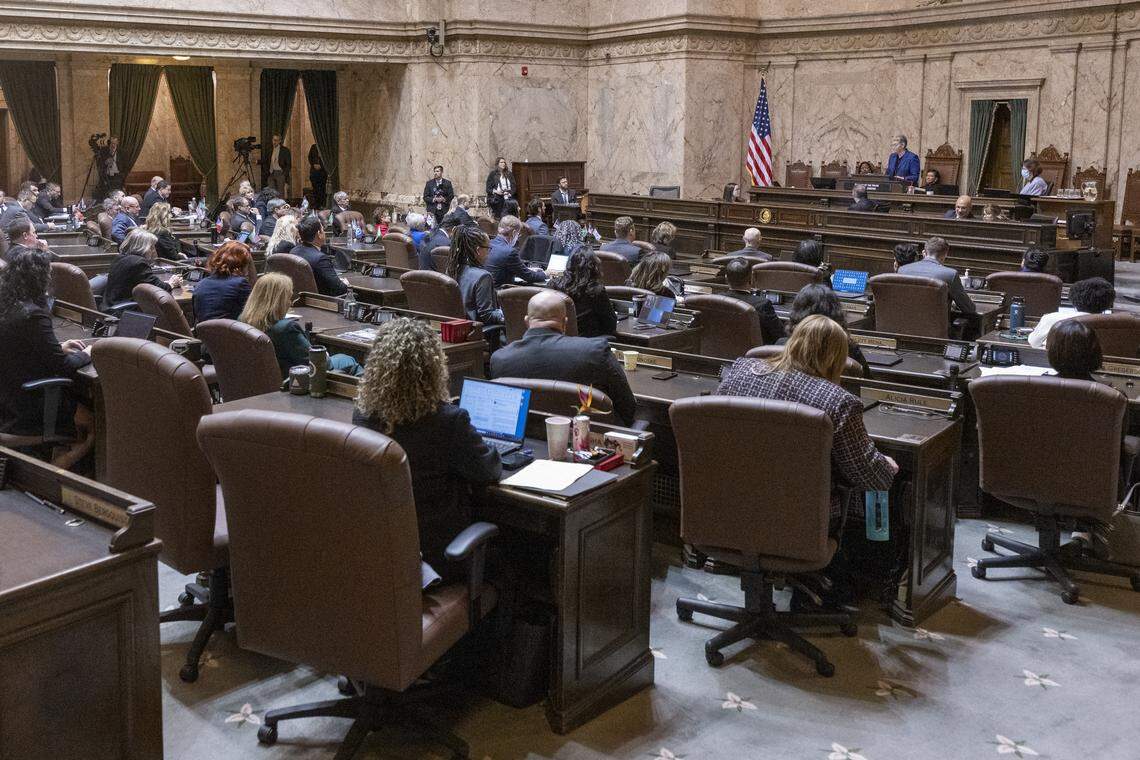
Tensions peaked recently at Baltimore’s ornate City Hall, where members of the all-Democratic City Council considered a proposal—which would require voter approval—to explicitly grant the inspector general access to records.
The chamber was packed, with many people there to criticize the mayor’s office, either remotely or in person, during two-minute speaking slots. “Any waste is an injustice to the people,” said resident Carson Ward. “Transparency is not a threat to those who have nothing to hide.”
But the proposal stalled. A city lawyer framed it as an illegal end-run around the state Public Information Act itself. And on Monday, in a win for Scott, the City Council declined to vote it out of a committee, reducing the chances of it reaching the fall ballot. The lone “yes” vote came from Councilman Mark Conway, the sponsor, who earlier urged his colleagues to resist political pressure from the mayor’s office.
Conway drew sustained applause from spectators at the hearing, where Hawks, the boutique owner, stood to show her support.
Write to Scott Calvert at scott.calvert@wsj.com