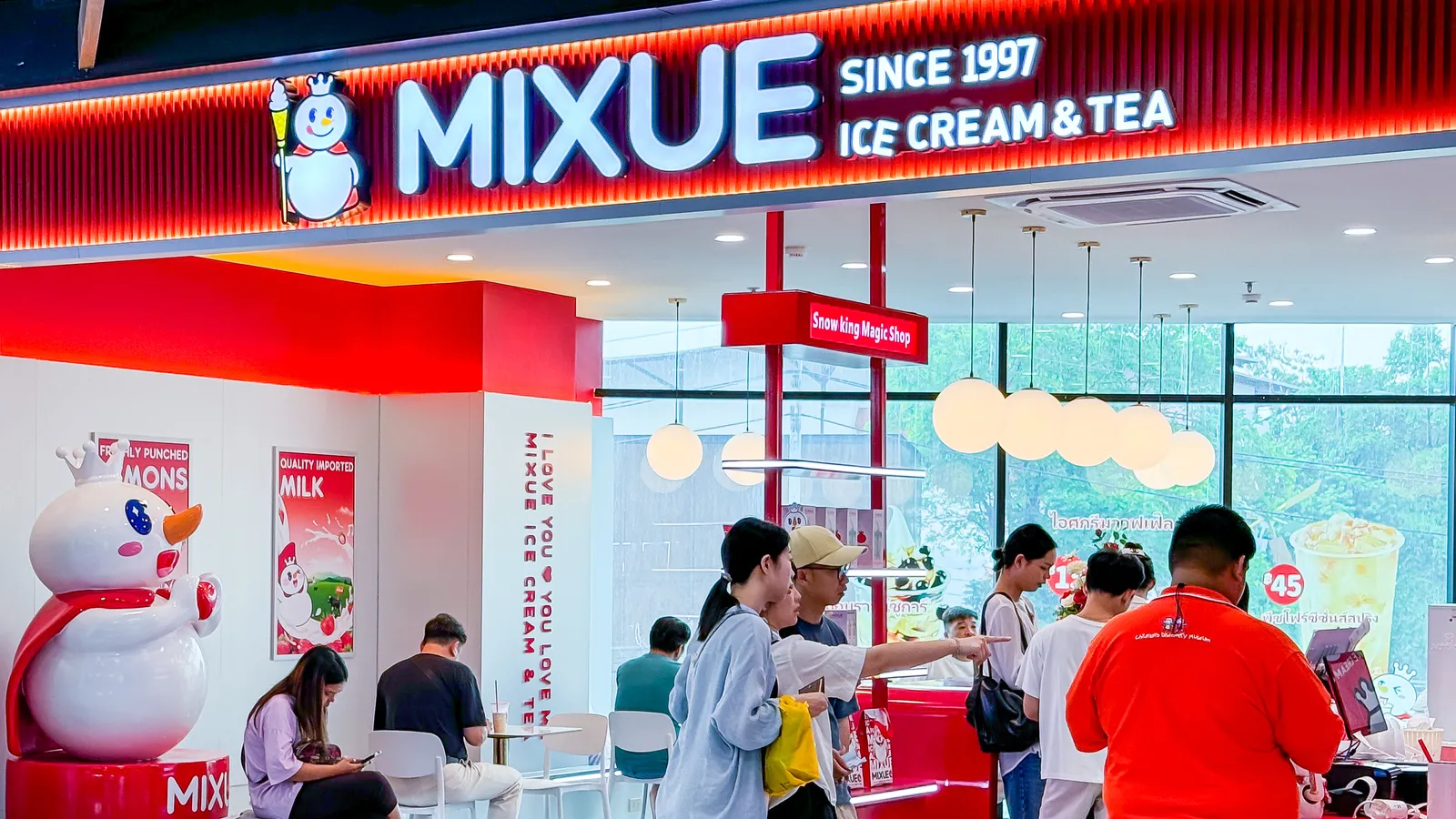
Mixue has entered the U.S.
A fast-growing chain that many Americans are only now discovering has officially landed in the U.S. Mixue, the China-founded ice cream and tea chain, has started its U.S. push with early stores in New York City and Los Angeles after growing into the world’s largest chain by store count, according to its latest year-end filing.
That makes this more than just another dessert opening. Mixue’s whole pitch is built around bright branding, quick service, and prices that stay well below what many U.S. chains now charge for a basic drink or soft serve.
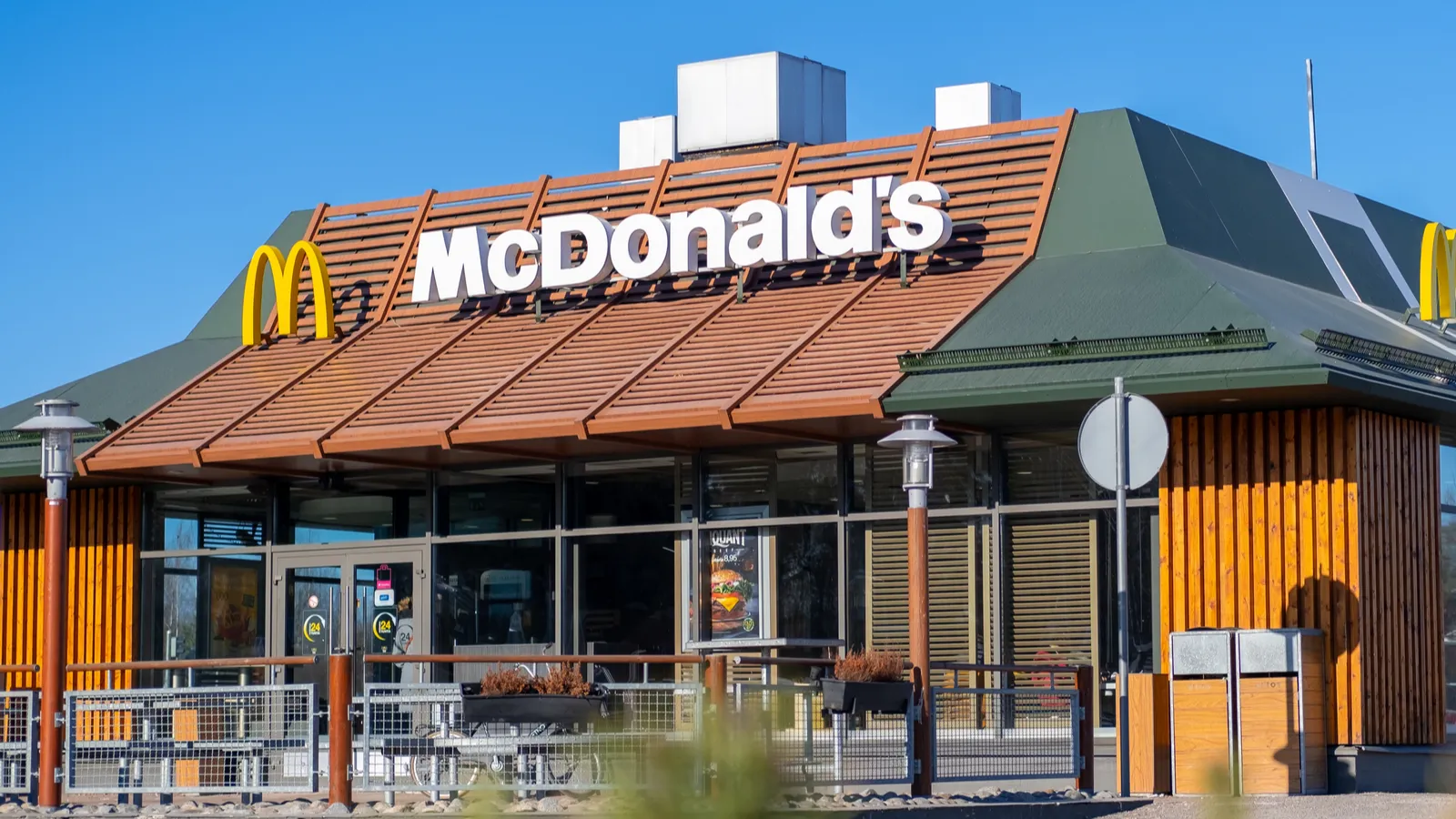
Mixue is bigger than McDonald’s
That sounds hard to believe, but Mixue’s store count is what makes the story so striking. Mixue’s latest year-end filing shows 59,823 stores worldwide as of Dec. 31, 2025, which helps explain why it’s often described as the largest chain by location count.
The key difference is what Mixue sells. It is not trying to beat burger chains at burgers. Instead, it dominates through soft serve, tea drinks, fruit drinks, and ultra-low pricing that helped it spread rapidly across Asia and beyond.
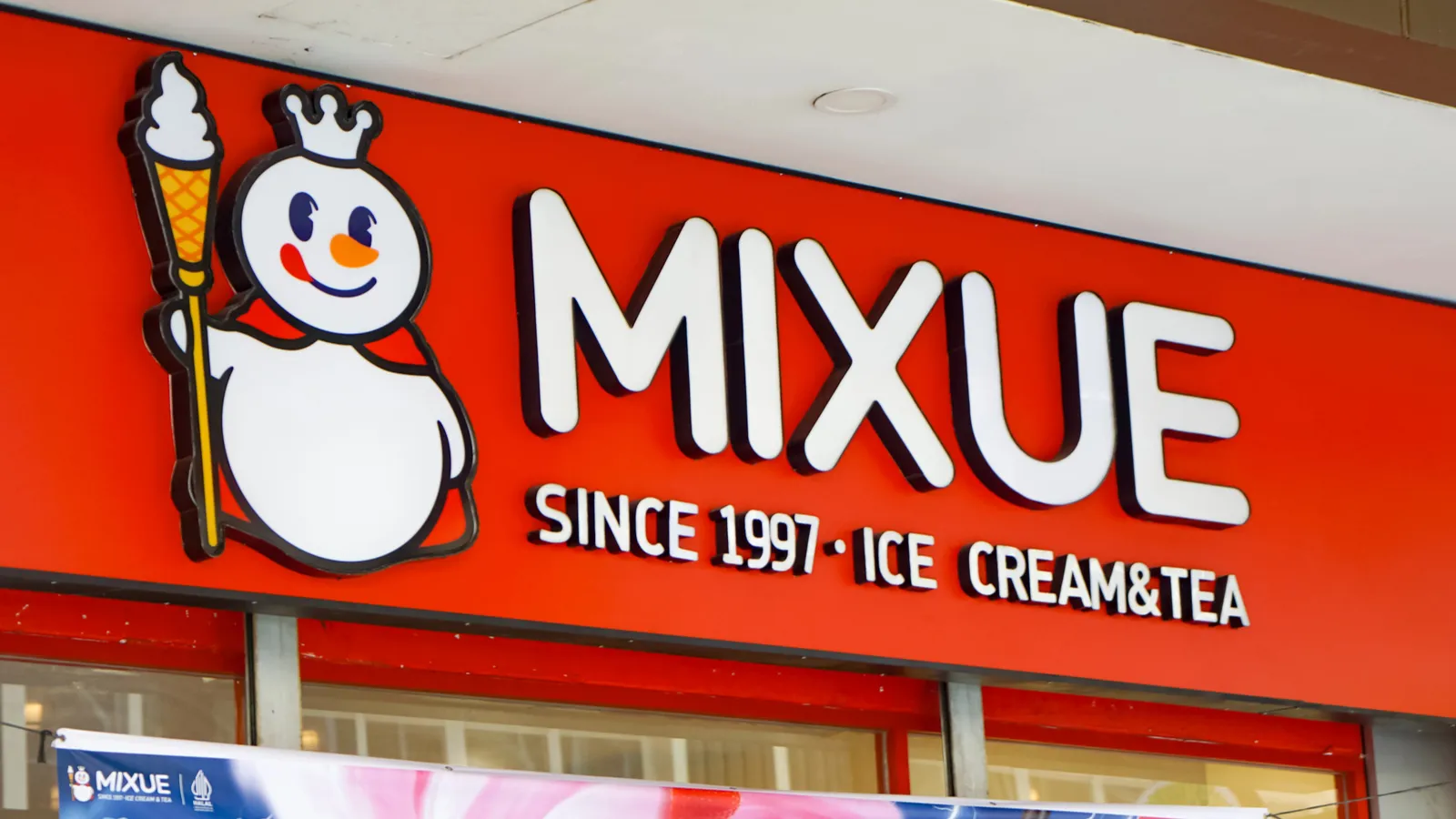
Mixue built its name on value
Mixue was founded in 1997 in Zhengzhou, China, and its growth came from a simple idea: keep drinks and desserts cheap enough to feel like an easy everyday treat. That same value-first model is now being tested in the U.S. market.
In its early American rollout, Mixue has leaned into the same message that made it huge elsewhere. Great-looking drinks, low menu prices, and a cheerful brand identity are meant to catch the attention of shoppers who still care deeply about value.
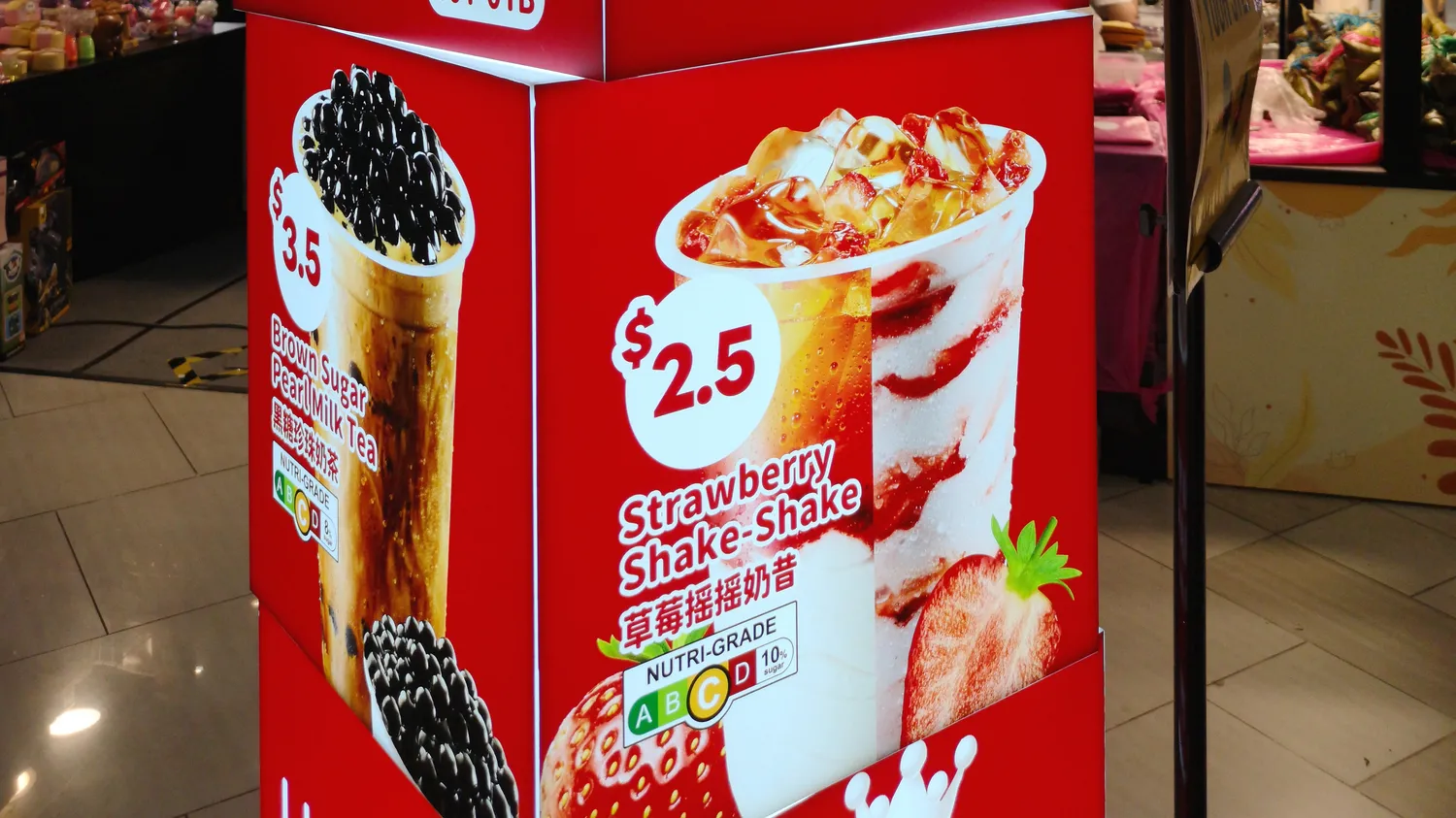
The prices are the real hook
The biggest reason people are lining up is easy to understand. Food & Wine highlighted Mixue’s menu as largely under $5, including a $1.69 matcha soft serve and $1.99 fresh lemonade.
That is a striking price gap in cities where café drinks can easily cost twice as much or more. Even before people decide what tastes best, Mixue’s pricing alone makes it feel different from much of the U.S. fast-food and beverage market.
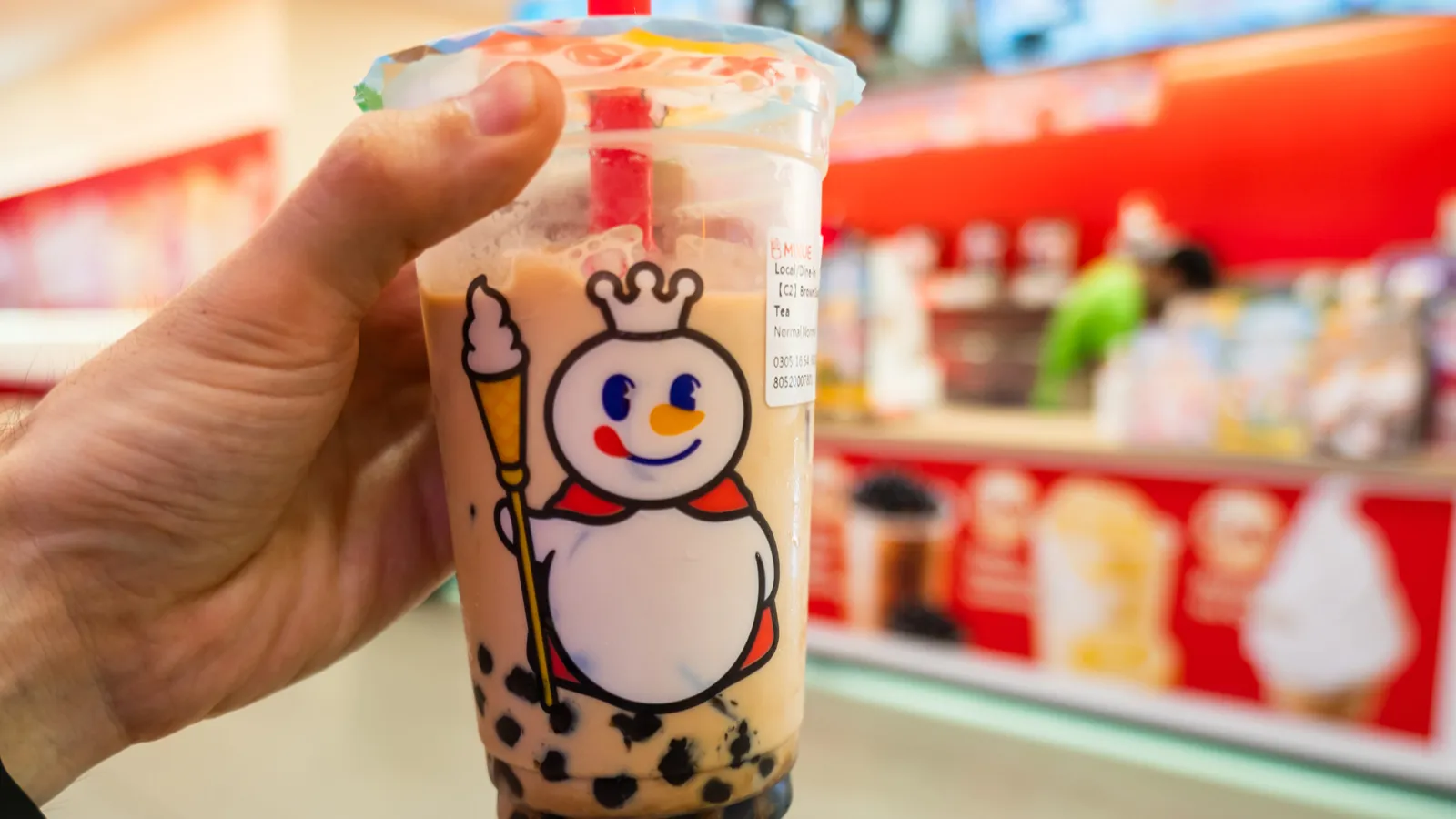
The menu is built for quick cravings
Mixue’s menu focuses on items that are easy to grab and easy to repeat. Food & Wine said the strongest categories were soft serve, milk teas, fruit drinks, lemonades, and bubble tea-style drinks with customizable sugar and ice levels.
That kind of lineup matters in the U.S. because it fits several habits at once. It can work as a dessert stop, an afternoon drink run, or a cheaper alternative to bigger chains that sell similar items at higher prices.
Fun fact: Food & Wine highlighted the Super Mango Sundae at $3.49 as one of Mixue’s best-value items.
New York gave it instant visibility
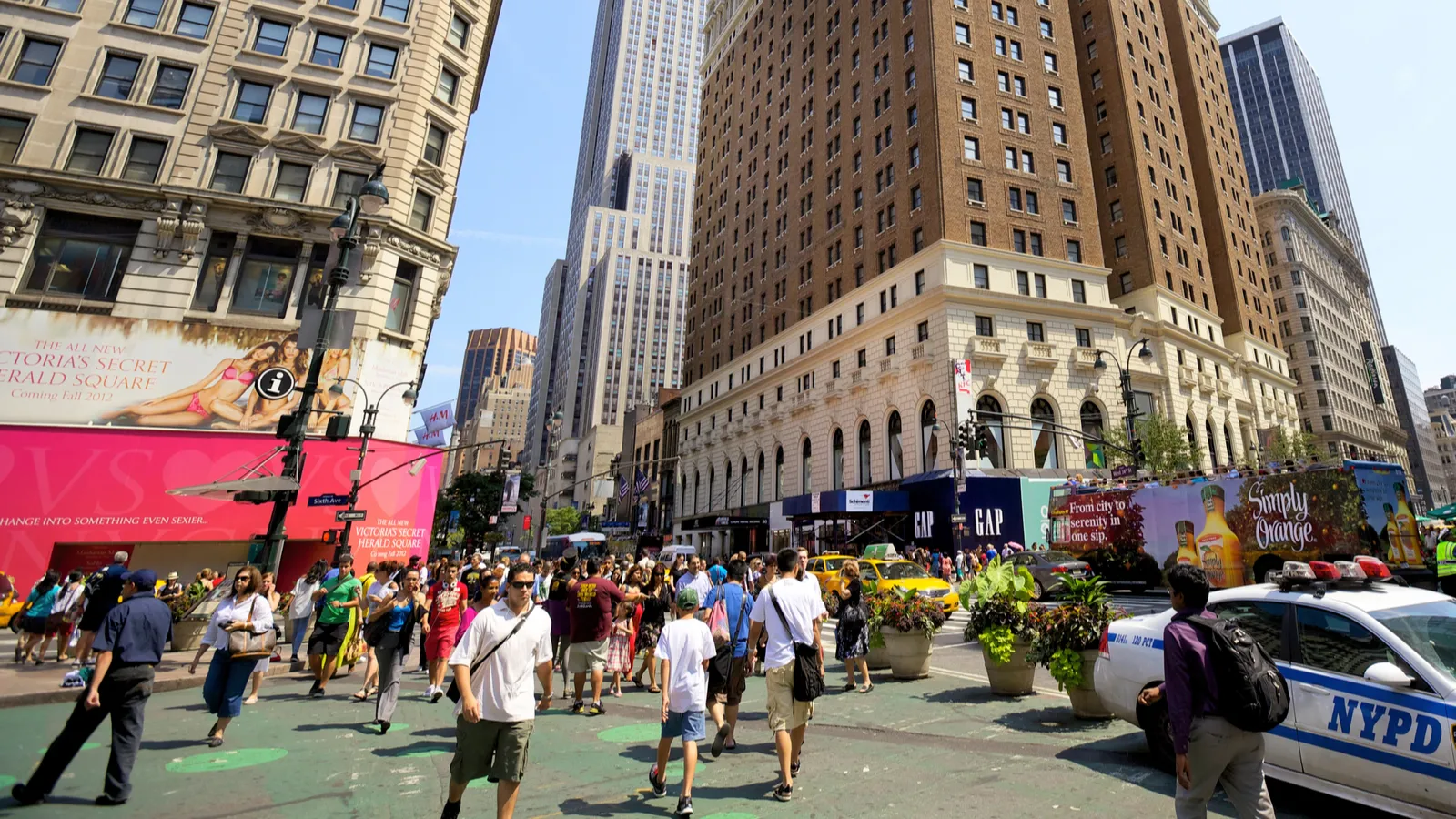
New York was a smart place to test American demand. Food & Wine says Mixue’s NYC rollout includes stores in Hell’s Kitchen, Herald Square, and Chinatown, where sellouts have been common.
Those stores also gave reviewers a chance to see how the concept performs under pressure. Early reports described long lines, quick service, and a grab-and-go setup that fits the pace of Manhattan.
Fun fact: Eater reported that Mixue’s NYC debut included locations in Times Square and Koreatown.
Los Angeles is part of the launch, too
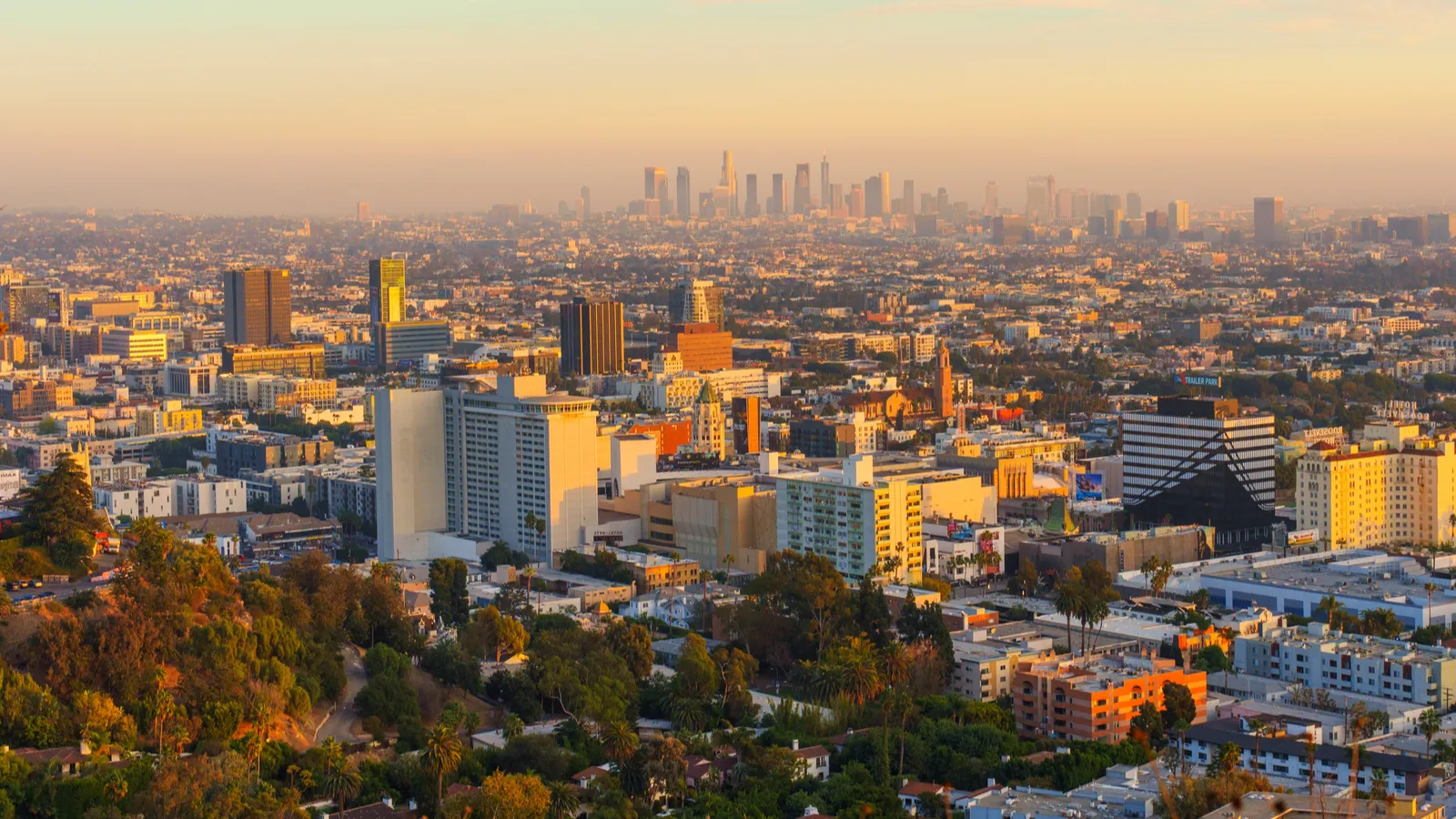
This is not just a one-city experiment. Business Insider reported that Mixue’s first U.S. wave included locations in New York City and Los Angeles, which gave the chain a foothold on both coasts right away.
That matters because success in those markets would send a strong signal. If a value-driven tea-and-soft-serve concept can attract crowds in two of the country’s most competitive food cities, it has a better shot at wider expansion.
Reviewers liked the value most
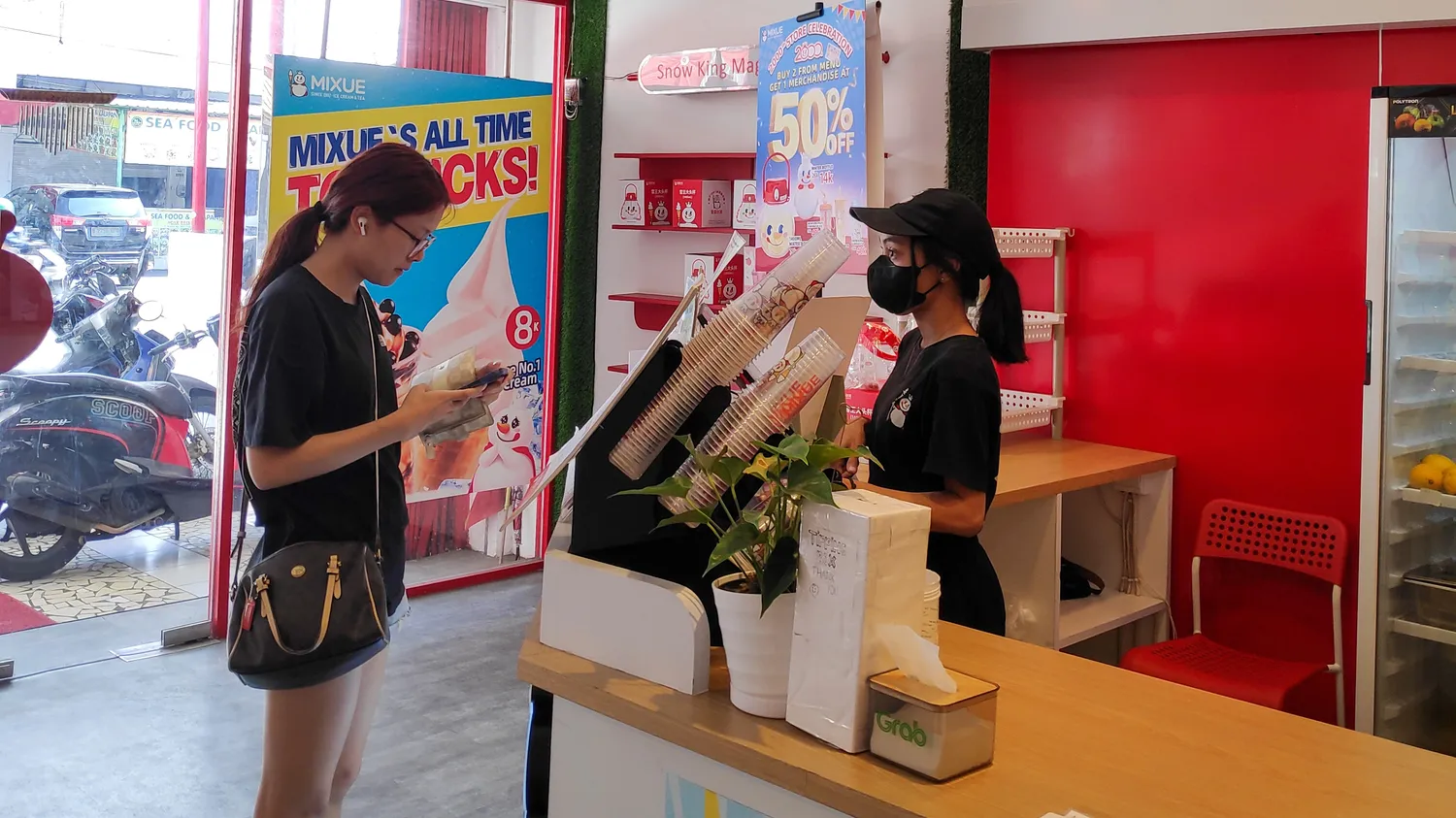
The early reviews were not glowing about every single item, but they were clear on one point: the value is real. Food & Wine praised Mixue’s teas, juices, and ice cream most, while The Takeout called Mixue’s $1.19 cone one of the best soft-serve deals it had found in New York.
That is important for a chain at this price point. Mixue does not need every menu item to become iconic. It mainly needs enough core favorites to make people feel like they got more than they paid for.
Not every item is a winner
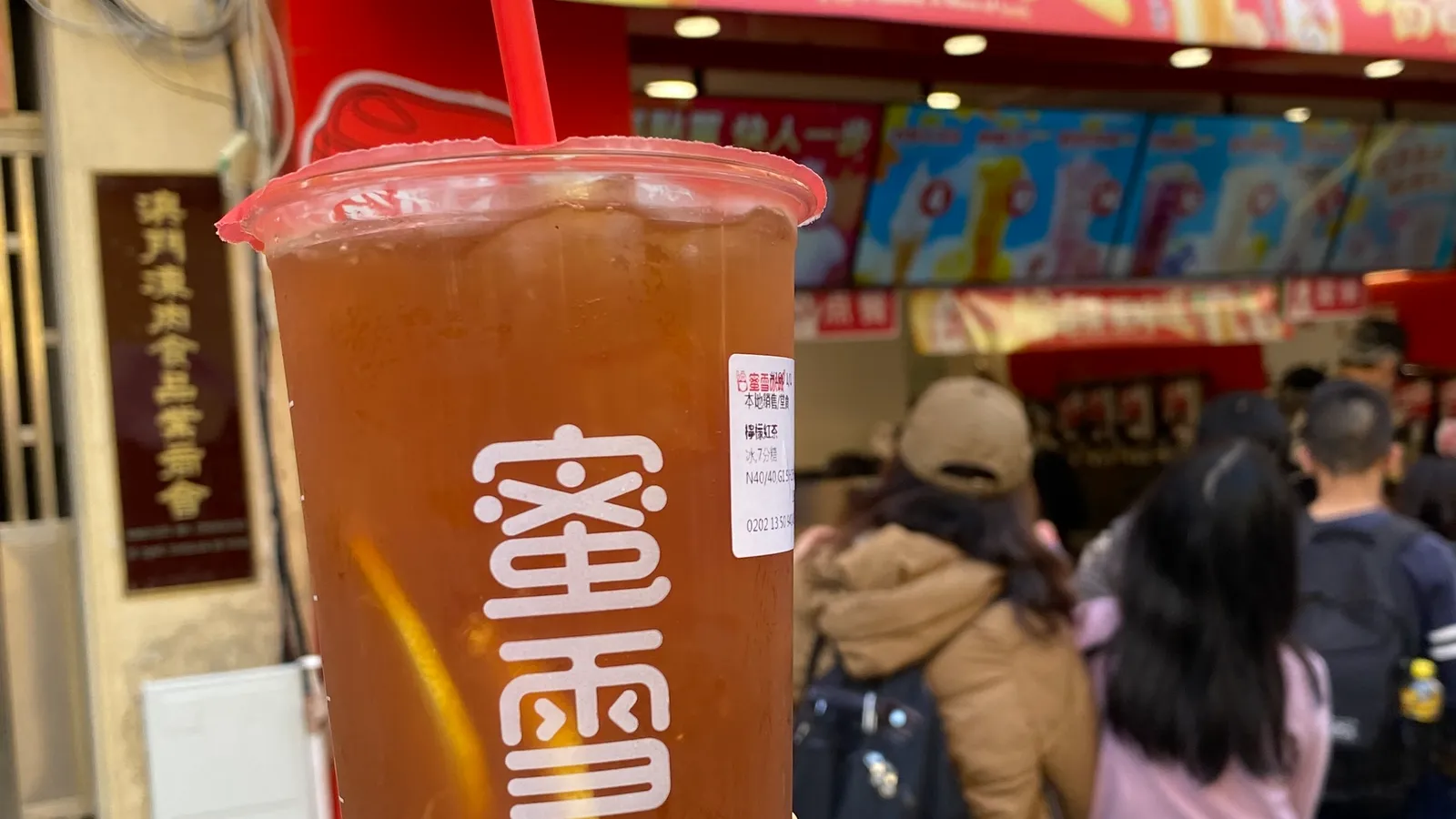
Even low-cost chains still have weak spots. Food & Wine said Mixue’s coffee tasted bitter without sweeteners, and the matcha latte did not impress as much as the chain’s matcha soft serve.
That is not unusual for a fast-growing chain entering a new market. The early takeaway is that Mixue works best when customers stick to its strongest categories, especially fruit drinks, tea drinks, and soft serve.
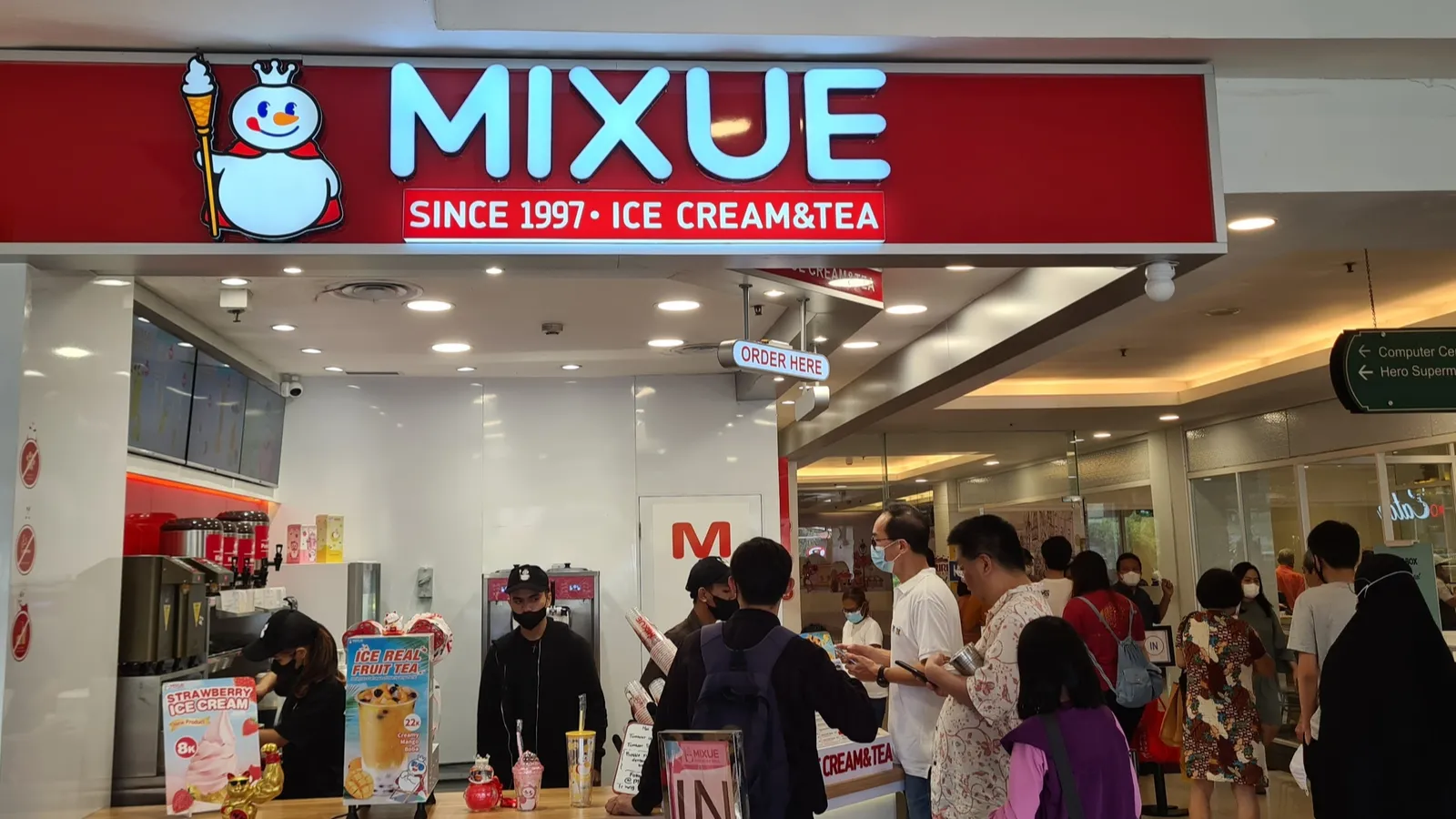
Crowds have already tested operations
Mixue’s prices are low enough that demand has sometimes outrun supply. Food & Wine reported that items were sold out, including a handwritten “No Ice Cream” sign at one New York location during an evening visit.
That is both a challenge and a clue. It shows the brand is drawing real attention, but it also suggests Mixue is still learning how much staffing, stock, and production it needs to keep up with American demand.
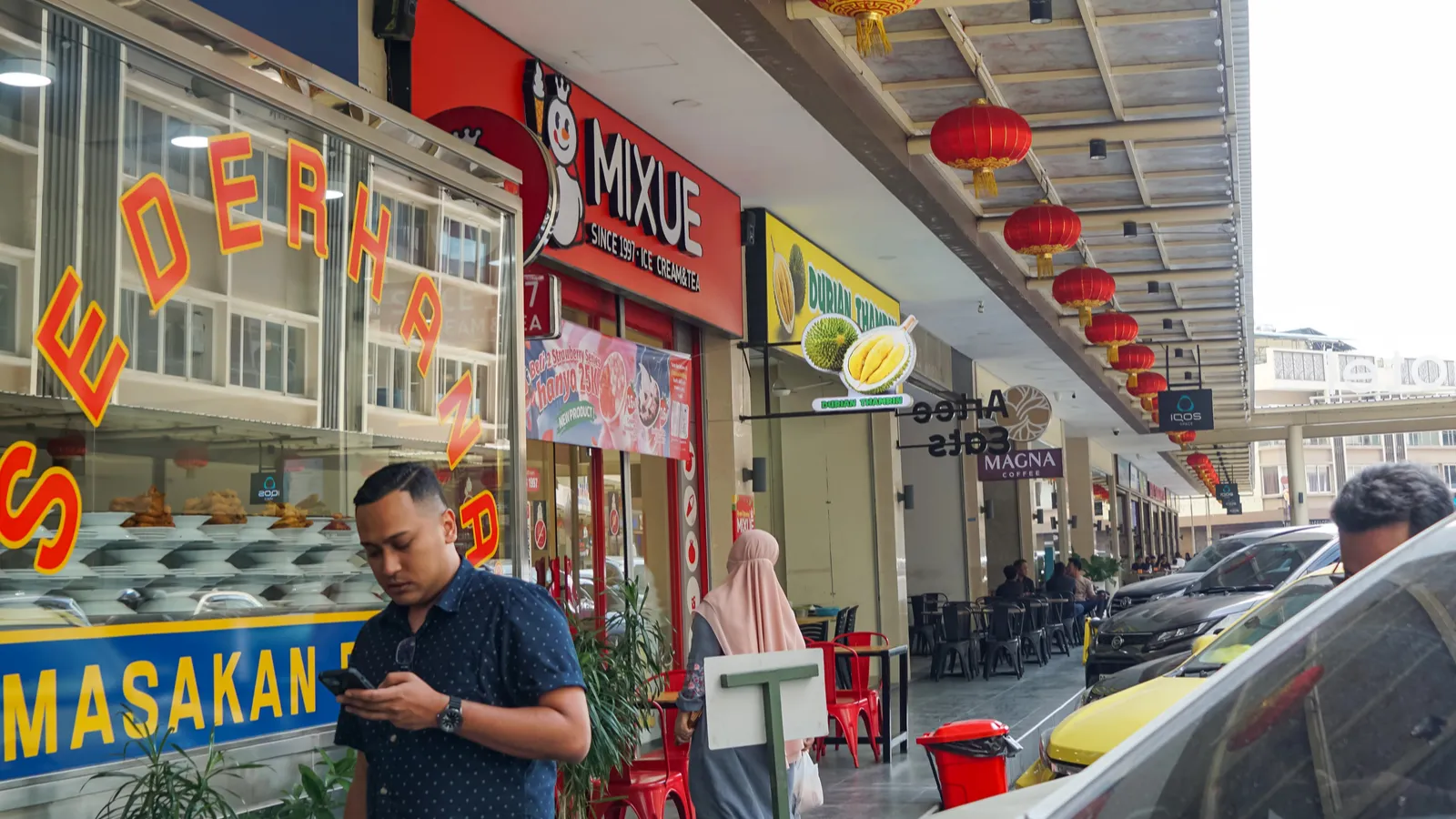
Value is its biggest weapon
Mixue is arriving at a moment when U.S. diners are watching every dollar. That helps explain why a chain with sub-$5 drinks and desserts could stand out so quickly, especially as many major fast-food brands fight to prove they still offer value.
Its edge is not a giant food menu or a classic American combo meal. It is the ability to offer a cheap, colorful, shareable treat that feels fun without feeling like a splurge.

Expansion will be the real test
A few busy stores do not guarantee national success. The next question is whether Mixue can keep prices low, avoid constant sellouts, and build a reliable U.S. supply chain as it expands beyond its earliest locations.
That is where many international chains hit friction. American diners may love the value, but long-term growth usually depends on consistency, availability, and finding neighborhoods where the model works day after day.
To see how fast food chains are adjusting to higher labor costs, find out more about how California’s new fast food wage law is reshaping menus and jobs.
This could shake up value menus
Mixue may not replace burger chains, but it could still shake up the value conversation. When a global brand shows up selling drinks and soft serve for prices that feel years out of date, rivals have to pay attention.
The chain’s U.S. arrival proves there is an audience for ultra-low-cost treats, even in expensive cities. Whether Mixue becomes a national player or stays a niche favorite, it has already shown that Americans still line up hard for real value.
To see how value and lighter choices can both shape fast food decisions, find out more in a New York and California guide to lighter fast food meals.
Do you think this new arrival could change how fast food chains compete on value? Share your thoughts and drop a comment.
This slideshow was made with AI assistance and human editing.
Read More From This Brand: