Iran has issued a stark warning to Britain, urging it not to “escalate the crisis” in the Middle East by sending warships to the Strait of Hormuz.
Iran’s deputy foreign minister said that the presence of French and British warships in the key shipping route, effectively controlled by Tehran in retaliation for US and Israeli attacks, “will be met with a decisive and immediate response”.
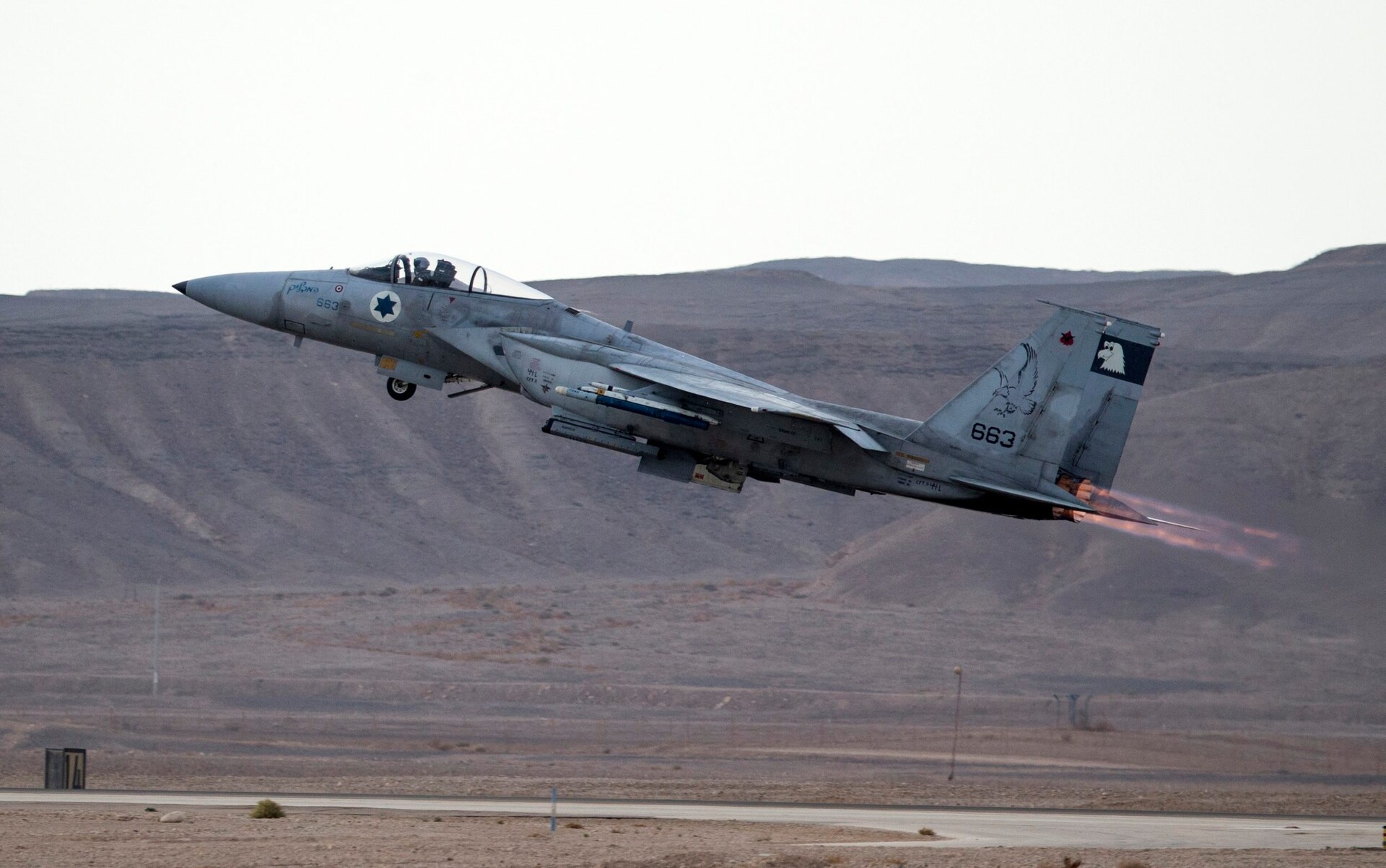
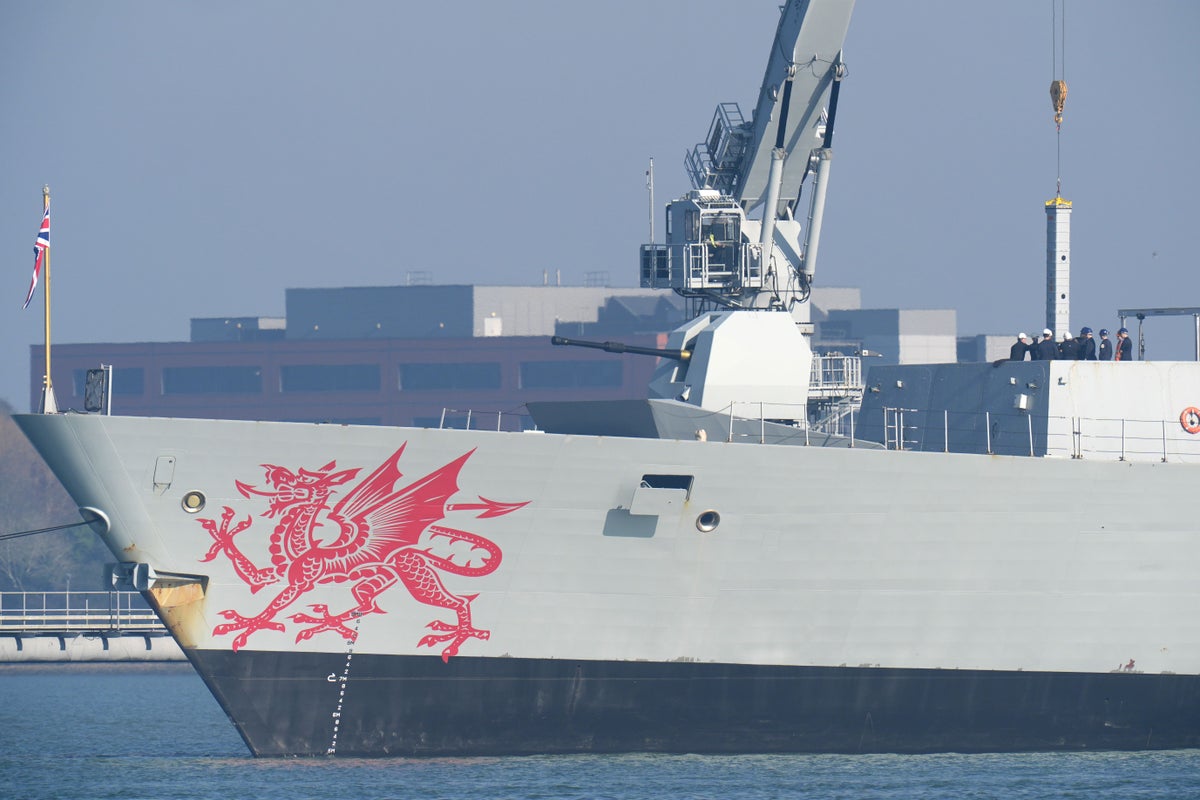
It comes after the UK’s Ministry of Defence (MoD) said the Royal Navy was sending the HMS Dragon warship to the Middle East, where it could join an international mission to safeguard shipping in the Strait of Hormuz.
Sir Keir Starmer has said the mission, planned alongside French president Emmanuel Macron, would only take place once fighting in the region ends.
A ceasefire has been in place between the US and Iran since April, but both countries have accused each other of launching attacks in the strait, where 20 per cent of the world’s oil and liquified natural gas is transported through.
In a post on social media, Iran’s deputy foreign minister Kazem Gharibabadi said: “Any deployment and stationing of extra-regional destroyers around the Strait of Hormuz, under the pretext of ‘protecting shipping’, is nothing but an escalation of the crisis.
“The presence of French and British warships, or those of any other country potentially accompanying the illegal and internationally unlawful actions of the United States in the Strait of Hormuz, will be met with a decisive and immediate response from the armed forces of the Islamic Republic of Iran.
“Therefore, they are strongly advised not to complicate the situation further.”
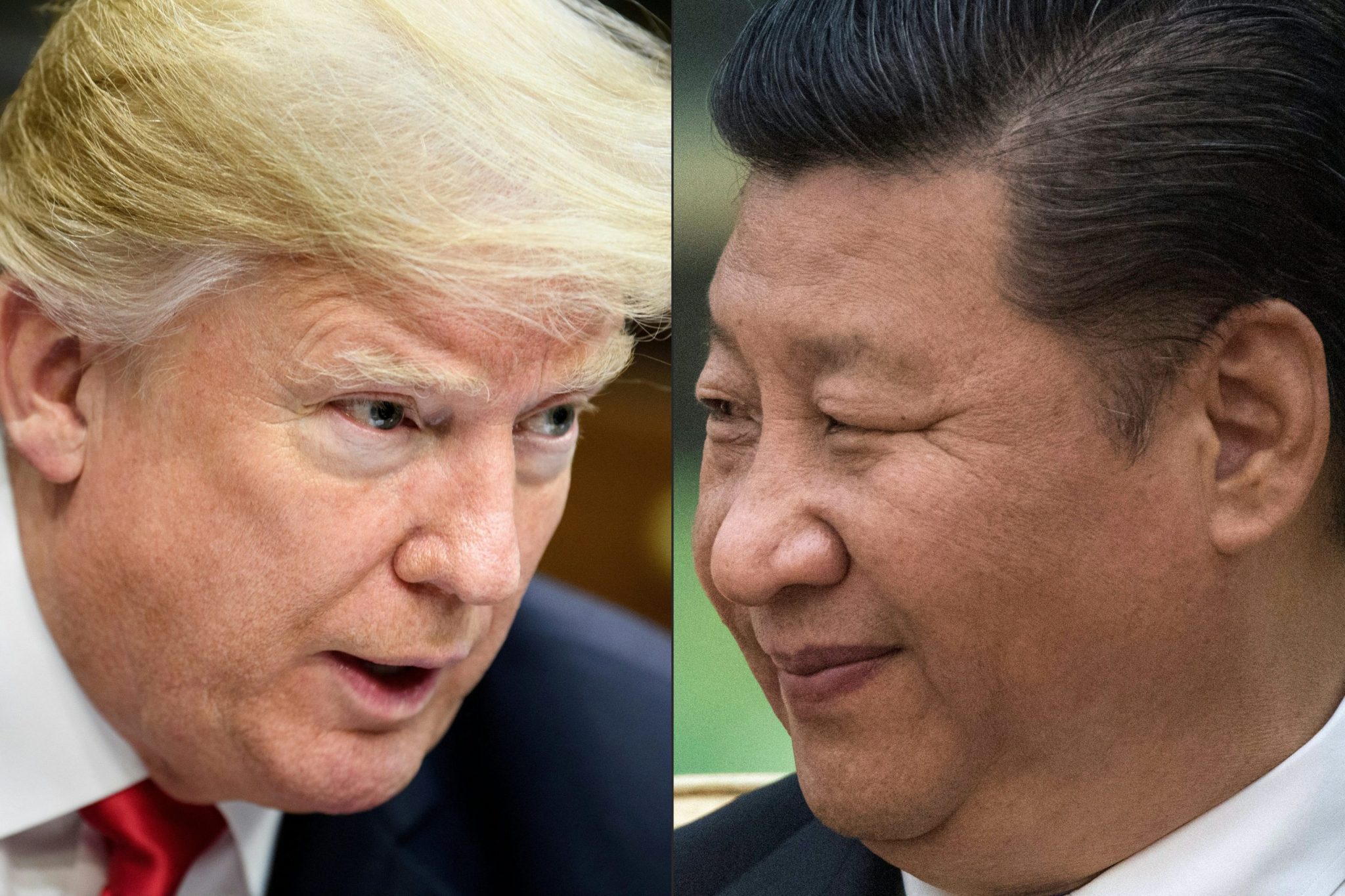
Hours before the warning, Tehran announced it had responded to a peace proposal put forward by Donald Trump’s peace plan proposal, which would end fighting before starting talks on more contentious issues, including Iran’s nuclear programme.
The response was said to focus on ending the war on all fronts, especially Lebanon, and on the safety of maritime traffic in the Gulf and the Strait of Hormuz. It also included a demand for compensation for war damages and an emphasis on Iranian sovereignty over the strait, state media said.
However, Donald Trump responded on Sunday night, writing on his Truth Social platform "I don’t like it — TOTALLY UNACCEPTABLE”.
Despite a month-old ceasefire in the conflict and after some 48 hours of relative calm, hostile drones were detected over several Gulf countries on Sunday, underlining the threat still facing the region.
Iran also threatened to tighten its grip on the Strait of Hormuz on Sunday, with its army warning that countries complying with US sanctions against Tehran will now “face difficulties” crossing the key shipping route.
Vessels have been repeatedly struck by Iran in the strait, as it continues to block the waterway.
The US enforced a blockade of Iranian ports in response to the closure of the Strait of Hormuz, and it has continued to attack ships that attempt to pass through the waters.
Iran warned it would launch a “heavy assault” on US assets in the Middle East if there are further attacks on vessels.
Qatari prime minister Mohammed bin Abdulrahman al-Thani warned that using the Strait of Hormuz as “a pressure tool” would only deepen the crisis in the Gulf.
He told Iran’s Abbas Araghchi that all parties in the conflict should respond to mediation efforts to end the war.
The Independent is the world’s most free-thinking news brand, providing global news, commentary and analysis for the independently-minded. We have grown a huge, global readership of independently minded individuals, who value our trusted voice and commitment to positive change. Our mission, making change happen, has never been as important as it is today.