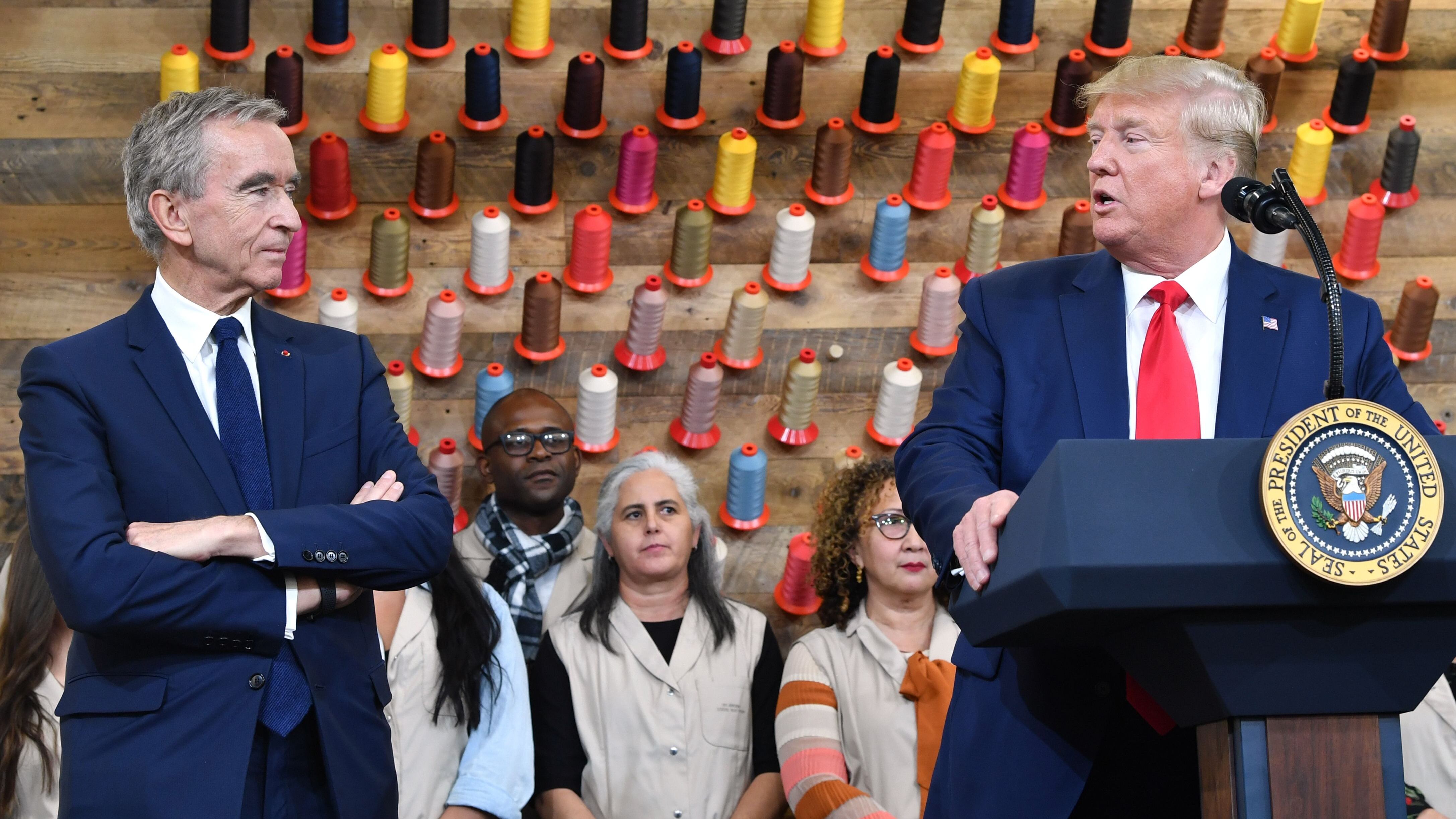
One of the world’s wealthiest men and a fashion tycoon who Donald Trump counts among his most prominent international admirers has delivered a stark warning to the president.
Bernard Arnault, CEO of LVMH and the fifth-richest person on the planet, told shareholders at the company’s annual general meeting in Paris that the conflict in Iran is pushing the global economy toward “world catastrophe.”
He complained that his pal’s Middle East crisis had already left a visible mark on his business, cutting the luxury giant’s first-quarter organic sales growth in half, to just one percent.
“The world is now in a pretty serious crisis in the Middle East,” Arnault, suddenly a budding diplomat, said. “Either it’ll be a world catastrophe with very serious and very negative economic impact—in which case, who can say how 2026 will unfold—or it will be resolved more rapidly in some shape or form that we all hope for, even if it doesn’t seem to be easy, in which case, business will recover and resume their normal course.”
The comments carry particular weight given Arnault’s relationship with the president. Sources previously told NYNext that Trump “really looks up to” the French tycoon and “wants to make him happy.”
VMH stock, which began the year above 700 euros a share, has since fallen 35 percent following Trump’s first tariff announcement in February, according to The New York Times.
Arnault was joined on the shareholders’ stage by son Alexandre, deputy CEO of Moët Hennessy, and daughter Delphine, CEO of Dior.
Ivanka Trump’s husband, Jared Kushner, has a long-standing friendship with Alexandre and Arnault’s other son, Frédéric, CEO of TAG Heuer. This predates his marriage.
Alexandre strengthened those bonds during his time running Tiffany’s out of Manhattan, regularly spending time with Jared and Ivanka, and later moved a Louis Vuitton store into a Trump Organization building. Delphine Arnault, meanwhile, bought a stake in Thrive Capital, the venture capital fund run by Jared’s brother, Josh Kushner.
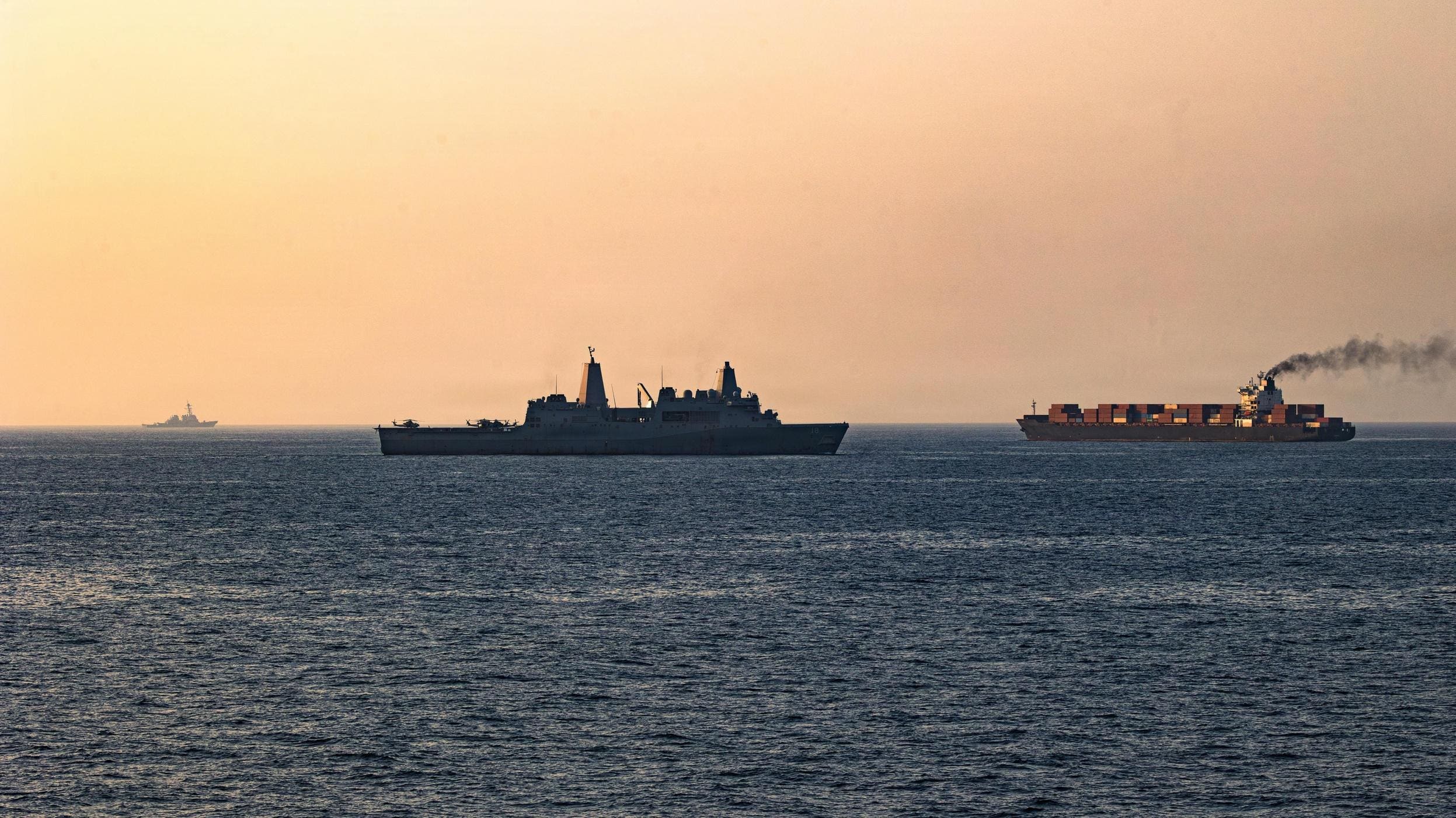
If a resolution can be reached, Arnault said he expects growth to return in the second half of the year. But a ceasefire remains fragile, and the Strait of Hormuz—through which around a fifth of global oil normally flows—remains closed, acting as a bargaining chip for both Washington and Tehran.
The head of the International Energy Agency told CNBC the effective closure of the strait represents the “biggest energy security threat in history.”
McKinsey Senior Partner Gemma D’Auria told CNBC the conflict has created “a double whammy of consumer sentiment declining, traffic declining, and spend declining” across the luxury sector.
The Middle East accounts for around mid-single digits of total sales for most major luxury companies—but profitability in the region tends to run higher, meaning the hit to bottom lines could be more severe than headline figures suggest.