Scientists have found that two factors related to birth are linked to lower intelligence scores and poorer educational outcomes later in life.
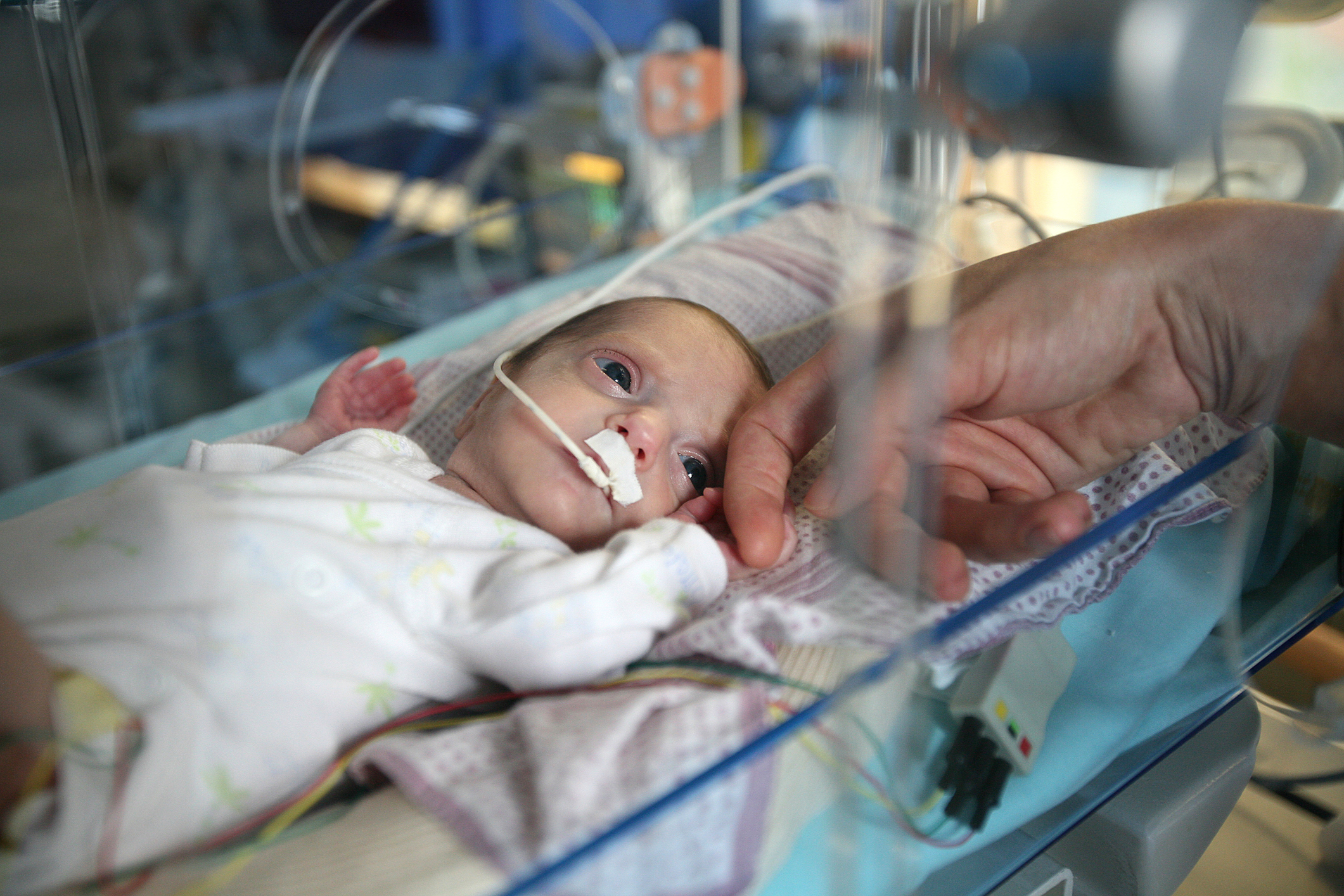
Babies born before 37 weeks of gestation, known as preterm births, face a higher risk of long‑term challenges affecting learning and thinking skills, according to a large new review of existing research. Low birth weight, defined as weighing less than 5.5 pounds at birth, was also linked to similar outcomes.
In the United States, preterm birth remains common. In 2024, there were 377,204 preterm births nationwide, accounting for 10.4 percent of all live births, according to the March of Dimes, a nonprofit organization focused on improving the health of mothers and babies.
According to Centers for Disease Control and Prevention (CDC), babies born too early—particularly before 32 weeks of pregnancy—face higher rates of death and long‑term disability. Babies who survive may experience breathing and feeding difficulties, cerebral palsy, developmental delays and vision or hearing problems.
While medical advances have greatly improved survival rates, new research suggests that the effects of early birth can extend well beyond infancy.
The latest findings come from a large umbrella review led by researchers at the Nuffield Department of Primary Care Health Sciences at the University of Oxford. The team examined what previous studies have found about how being born preterm or at a low birth weight affects cognitive ability and educational outcomes across the lifespan.
The researchers reviewed dozens of existing systematic reviews, drawing on evidence from hundreds of earlier studies. These reviews explored links between early birth or low birth weight and outcomes such as intelligence scores, school performance, and the need for additional educational support.
Major academic databases were searched for relevant studies published up to April 2025, and two independent reviewers assessed study quality and reanalyzed the data to ensure consistency.
The results revealed on average, people born preterm or with low birth weight scored lower on intelligence tests and performed worse academically than those born at full term and a healthy weight. Differences were seen across several areas, including reading, mathematics, and spelling, and these individuals were more likely to require special educational support.
Overall, the difference in IQ was roughly equivalent to about 10 points.
The gaps in cognitive ability and learning were most noticeable in childhood. Although the differences tended to lessen during adolescence, they did not disappear entirely and were still evident in adulthood.
There was also limited evidence suggesting that people born preterm or with low birth weight were less likely to complete school and that their education may involve higher costs due to additional support needs.
The researchers concluded that being born too early or too small can have lasting effects on learning and educational outcomes across a person’s life. They emphasized the importance of early identification of at‑risk children, along with long‑term medical and educational support, to help improve outcomes as these individuals grow.
Do you have a tip on a health story that Newsweek should be covering? Do you have a question about IQ? Let us know via health@newsweek.com.
Reference
Hu, M., Truong, T., Zhu, S., Vidiella-Martin, J., Johnson, S., Quigley, M. A., & Petrou, S. (2026). Cognitive and Educational Outcomes After Preterm Birth or Low Birth Weight: An Umbrella Review and Meta-Analysis. JAMA Pediatrics. https://doi.org/10.1001/jamapediatrics.2026.0533
Related Articles