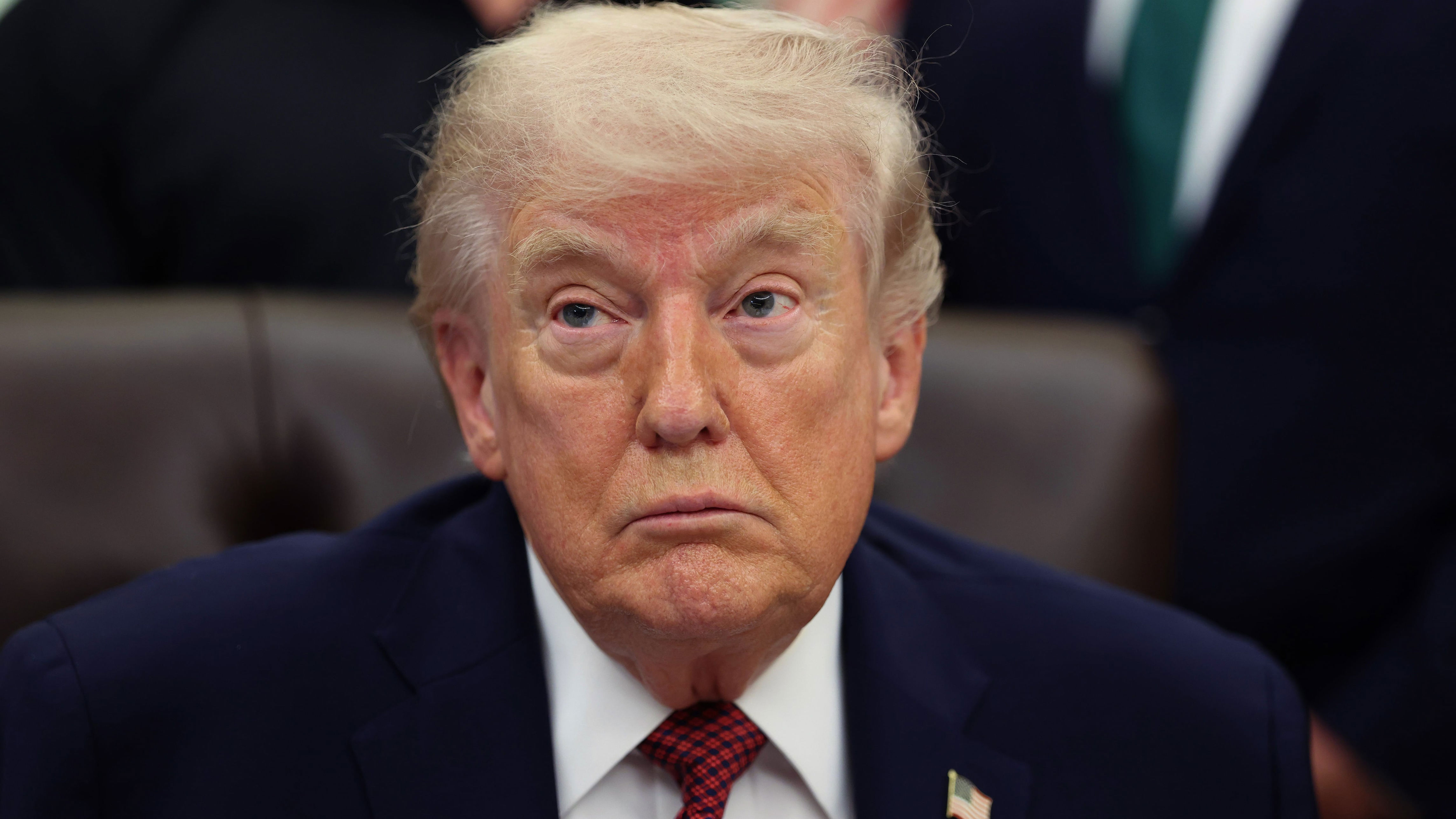
President Donald Trump has lost his second ambassador to Ukraine in as many years.
Julie Davis, the acting U.S. ambassador to Ukraine, has left her role and will leave Kyiv in the next few weeks. Davis replaced Bridget Brink after her departure in April 2025.
Davis had become frustrated in the role as a result of differences with the president over his lack of support for Ukraine, three people familiar with the matter told the Financial Times.
She was initially nominated by President Joe Biden to serve as ambassador to Cyprus, a role for which she remains accredited. People familiar with the matter said she plans to retire from diplomatic service entirely after leaving Kyiv, marking the end of three decades of work.
Davis reportedly felt “blindsided” after learning from news reports that Trump had nominated Republican donor John Breslow to serve as the next ambassador to Cyprus.
State Department spokesperson Tommy Pigott said in a statement to the Daily Beast that suggestions Davis resigned over differences with Trump were “false,” adding, “Ambassador Davis has been a steadfast proponent of the Trump administration’s efforts to bring about a durable peace between Russia and Ukraine.”
“She will continue to proudly advance President Trump’s policies until she officially departs Kyiv in June 2026 and retires from the Department.”
Davis’ departure comes as tensions between the White House and Ukrainian President Volodymyr Zelenskyy continue to rise, and just one year after Brink, who had served as ambassador to Ukraine for three years, also resigned.
Brink’s resignation was the result of an “unusual mix of personal and policy concerns,” according to three sources familiar with the matter who spoke to CBS News, including layoffs at USAID. Brink also said that she opposed the pressure the Trump administration was placing on Ukraine while letting Russia off the hook.
Brink, who is now running for Congress as a Democrat, has accused Trump of corruption and appeasing Putin, expressing concern that the U.S. is “playing into Russia’s hands.”
Trump similarly struggled to retain ambassadors during his first term, with the president recalling Ambassador Marie Yovanovitch from her post in Kyiv in 2019, describing her as disloyal and “bad news.”
The president also appears to be losing favor with his Ukrainian counterpart. Zelenskyy, who has historically sought to maintain a cordial relationship with Trump despite repeated insults and a flagging of U.S. support, delivered some of his sharpest criticism of Trump since his return to the White House just weeks ago.
“The problem is they trust Putin. And it’s a pity,” Zelenskyy said on The Rest is Politics. “They don’t want to recognize that Putin will lie to them and that he can continue the occupation even after such steps. The Americans are sure that they can trust Putin.”
Trump, 79, has had a less antagonistic relationship with Russian leader Vladimir Putin than many of his predecessors, even going so far as to host a summit for the pair in Alaska last year over the issue of the Ukrainian war, to which Zelenskyy was not invited.
The Kremlin has not shied away from publicly humiliating Trump, however, including when it undermined the U.S. president’s version of events regarding a phone call with Putin.
Hours after Trump claimed that he and Putin had a “positive call” regarding the Russia-Ukraine conflict and that he’d urged his Russian counterpart to “get [the war] over with,” Kremlin spokesperson Dmitry Peskov told reporters that Trump did not ask Putin about a ceasefire, noting that the conversation focused on Trump’s war with Iran.