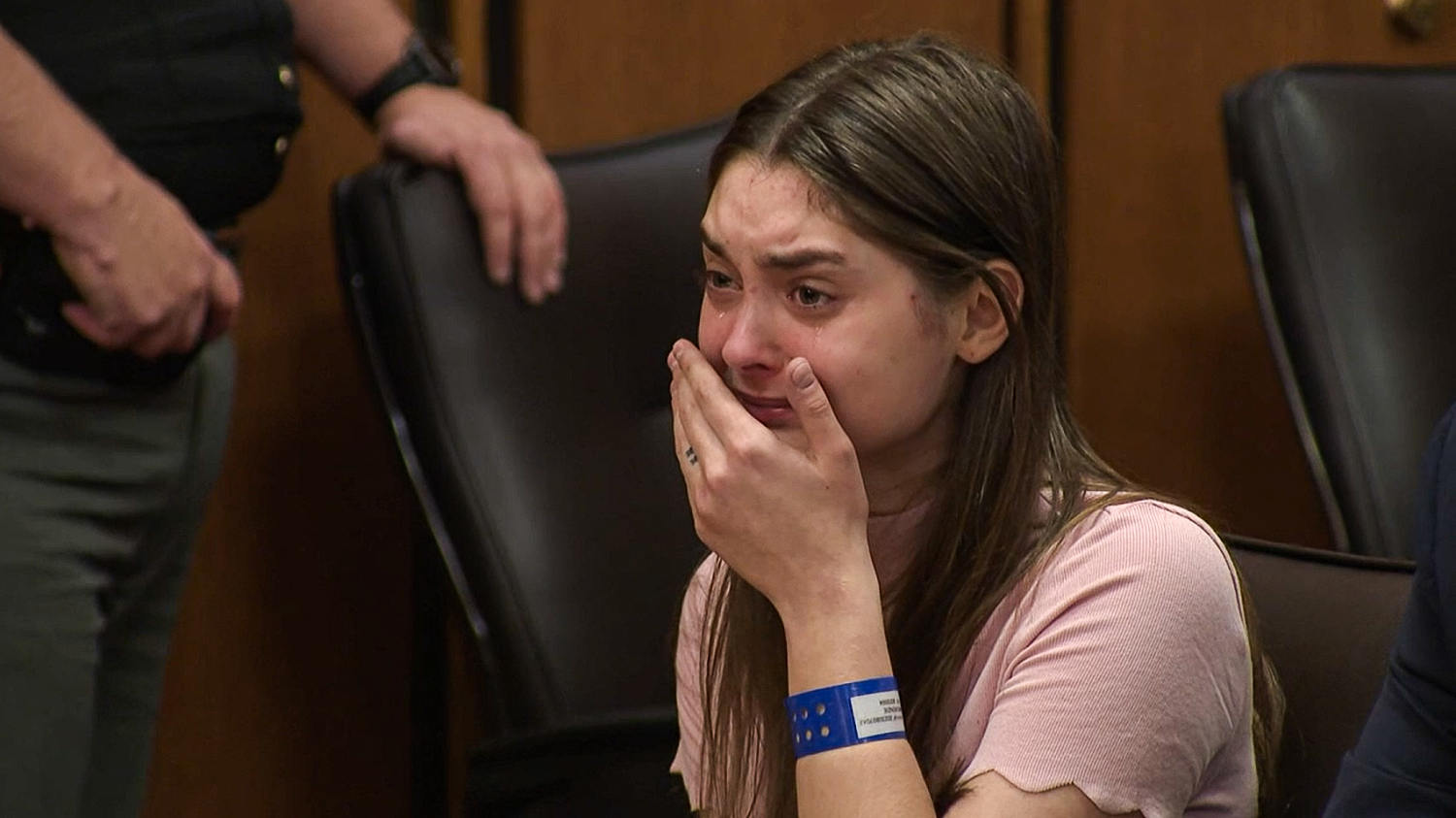
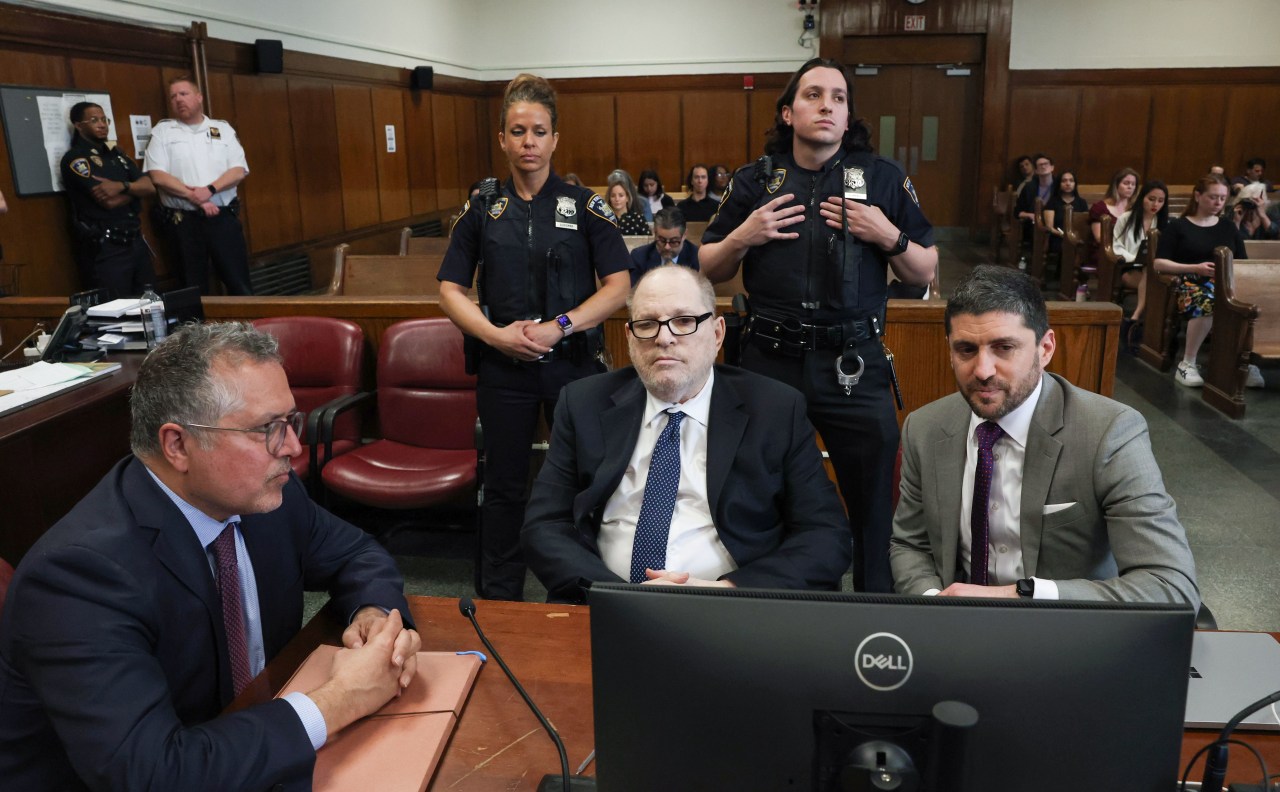
A New York judge declared a mistrial Friday in the criminal trial of Harvey Weinstein, marking the second time a jury has deadlocked on whether the disgraced Hollywood producer raped an aspiring actress in a Manhattan hotel room.
A separate jury last year had also deadlocked on whether Weinstein raped the woman, Jessica Mann, in 2013.
“After hearing the evidence multiple times and seeing two juries unable to reach unanimity, it’s clear there is significant reasonable doubt here,” said a spokesman for Weinstein.
Manhattan District Attorney Alvin Bragg, whose office brought the case, said that for nearly a decade, Mann had fought for justice. “Over the course of many weeks during three separate trials, she relived unthinkably painful experiences in front of complete strangers,” said Bragg. “Her perseverance and bravery are inspiring to the members of my office, and more importantly, to survivors everywhere.”
Prosecutors have 30 days to decide whether to retry the case.
Weinstein, 74 years old, is still expected to be sentenced in the coming months on a previous criminal-sexual act conviction. He faces up to 25 years on that count.
The verdict comes in Weinstein’s third New York trial, and after more than a decade of criminal proceedings in the state, where Manhattan prosecutors began investigating the producer in 2015. Dozens of allegations against Weinstein kicked off the #MeToo movement in 2017 and led to the downfall of the once-powerful Hollywood figure.
During the weekslong trial, Weinstein, who is being held at the Rikers Island jail complex, watched the proceedings from his wheelchair. He declined to take the stand.
The trial revolved around the testimony of Mann, a then-aspiring actress who alleged that Weinstein raped her at the DoubleTree hotel in March of 2013.
Prosecutors argued that Weinstein wielded professional influence over Mann, who made efforts to stay on his good side even after the alleged incident.
“This case will come down to power, to control, to manipulation,” prosecutor Candace White told the jury.
Weinstein’s legal team pointed to Mann’s consensual sexual activity with Weinstein and to years of friendly messages between the producer and actress. “Miss you, big guy,” she wrote in one message, several months after the alleged rape.
Defense attorney Jacob Kaplan said Mann hid the relationship to protect her image. “She didn’t want to have the reputation that she slept her way into Hollywood,” he said.
In 2020, another Manhattan jury convicted Weinstein on two counts—first-degree criminal sexual act, for forcing oral sex on “Project Runway” production assistant Miriam Haley in 2006, and a third-degree rape count for the alleged assault on Mann. The jury acquitted him of more serious charges that carried a possible life sentence. The judge sentenced him to 23 years in jail.
Several years later, the state’s highest court tossed the conviction, saying the trial judge improperly allowed testimony from women who spoke about alleged past acts by Weinstein that weren’t part of the charges in the case.
After a second trial last year, the jury convicted Weinstein of the Haley count, acquitted him of another charge, and deadlocked on the count related to Mann. Prosecutors chose to retry the Mann count, leading to the third trial.
Weinstein was separately convicted of sex crimes in California and sentenced to 16 years in prison. He is appealing that conviction.
Write to Corinne Ramey at corinne.ramey@wsj.com