(Bloomberg) -- Iran attacked the United Arab Emirates for the first time in almost a month on Monday, fracturing an uneasy calm since a ceasefire was agreed between Tehran and the US-Israel alliance.
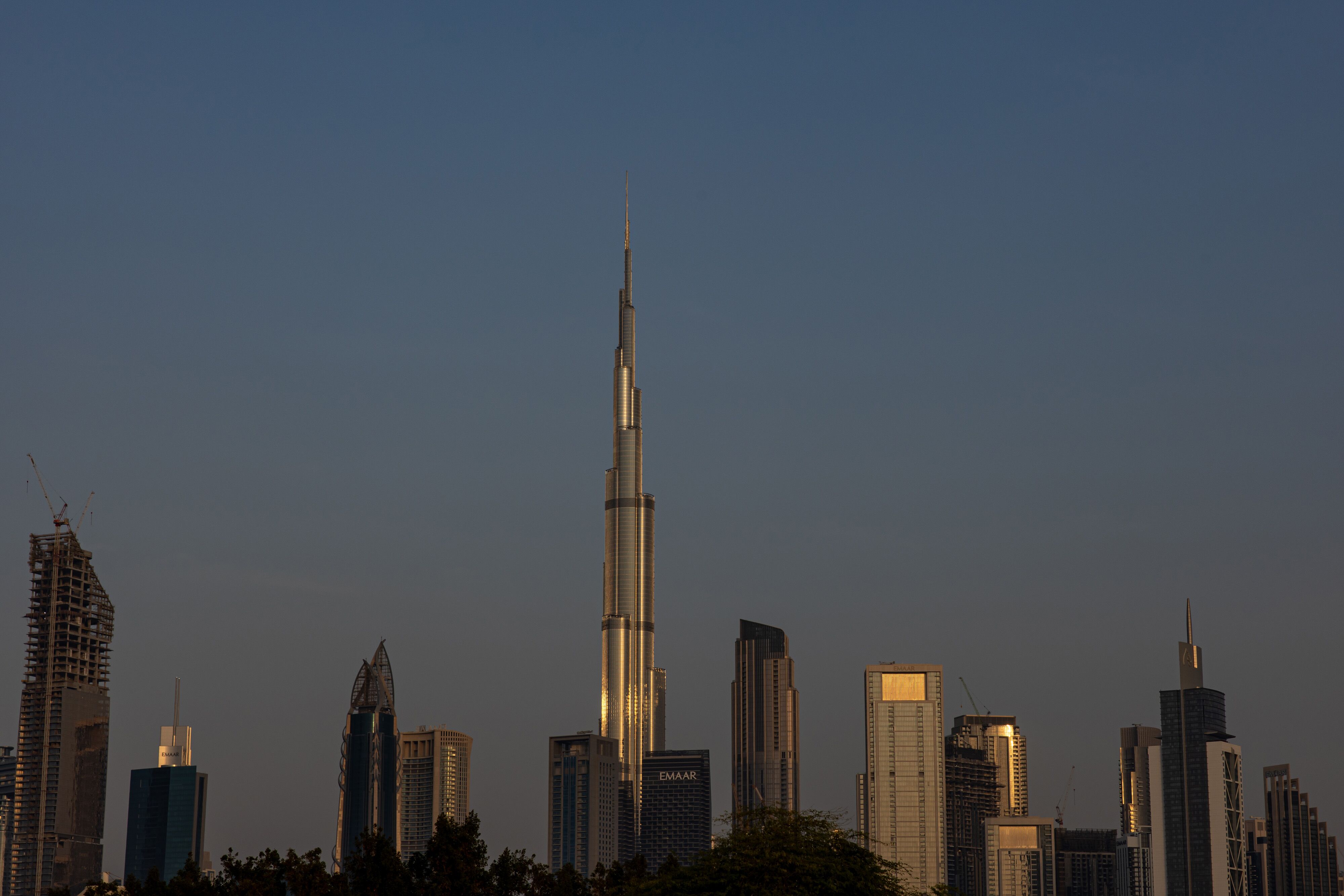
The UAE said its air defense systems were activated to counter 12 ballistic missiles, three cruise missiles and four drones fired from Iran. Several mobile-phone alerts were sent to residents in Dubai and other emirates including Abu Dhabi, urging them to get to safe areas.
The fresh attacks underscore the fragility of the truce, though US President Donald Trump stopped short of saying Iran had violated the agreement. One Iranian missile “got through” the UAE’s defenses and there was no “huge damage,” Trump said, according to an interview with American broadcaster ABC.
Listen to the Here’s Why podcast on Apple, Spotify or anywhere you listen.
An oil terminal part owned by Vitol Group was attacked in the port city of Fujairah, according to people familiar with the matter, who asked not to be identified because they weren’t authorized to discuss the matter publicly.
| Oil Surges After Iran Strikes Energy Facility in UAE’s FujairahFujairah Oil Terminal Struck in Latest Aerial Attacks on UAEUAE Says Swap Talks With US Are About Joining ‘Elite’ Group |
Fujairah’s media office reported a large fire after a drone strike from Iran. The “unacceptable” attack injured three Indians, India’s Ministry of External Affairs said Tuesday. The UAE said the injuries were moderate.
Oil jumped on the developments, with Brent crude trading almost 6% higher at roughly $114 a barrel on Monday. It was steady in early trading on Tuesday. Stock indexes dropped in both Dubai and Abu Dhabi.
The war began in late February with US and Israeli strikes on Iran, which retaliated by firing thousands of missiles and drones at Israel and Gulf Arab states before the truce started around April 8. The UAE was targeted more than any other country.
Thousands of people have been killed across the Middle East, mostly in Iran and Lebanon, where Israel is fighting a parallel conflict against Tehran-backed Hezbollah militants.
In a statement late on Monday, Abu Dhabi condemned “the renewed unprovoked Iranian aggression” and said it reserves the right to respond, without disclosing if it would strike back at the Islamic Republic. The UAE threatened to retaliate before the ceasefire kicked in, but never did so.
After the attacks, the UAE said it would restart distance learning at schools for the rest of the week, mirroring a move at the start of the conflict.
In-person classes resumed on April 20 and UAE residents have been returning to offices after many worked remotely or relocated abroad temporarily.
In the years before the war started, the world’s biggest financial firms beefed up operations in the Middle East, including in Dubai and Abu Dhabi, where wealth funds and state-owned entities have emerged as prolific dealmakers on the global stage.
While the ongoing conflict threatens to hamper that momentum, many executives are betting that Gulf governments will use their oil wealth to keep making deals worldwide.
Goldman’s ‘Unwavering’ Support Shows Gulf’s Lure for Wall Street
The alerts in the UAE capped a chaotic day around the Strait of Hormuz after the US began what Trump said was a “humanitarian” effort to get ships stranded in the Persian Gulf out. Iran warned it would attack US forces if they came near Hormuz and told commercial ships not to cross the waterway without its permission.
A tanker owned by Abu Dhabi National Oil Co. was fired upon by Iranian drones near the strait, while South Korea confirmed an explosion and fire on a bulk carrier from the country. There were no casualties reported on either ship.
Still, the US military said it helped two American-flagged merchant vessels get through the strait. It added it had destroyed small boats going after commercial ships.
Two American destroyers also navigated the waterway, supported by Apache helicopters and other aircraft, CBS news reported. They faced a series of threats during the passage.
--With assistance from Romy Varghese and Onur Ant.
(Updates with more details.)
More stories like this are available on bloomberg.com
©2026 Bloomberg L.P.