
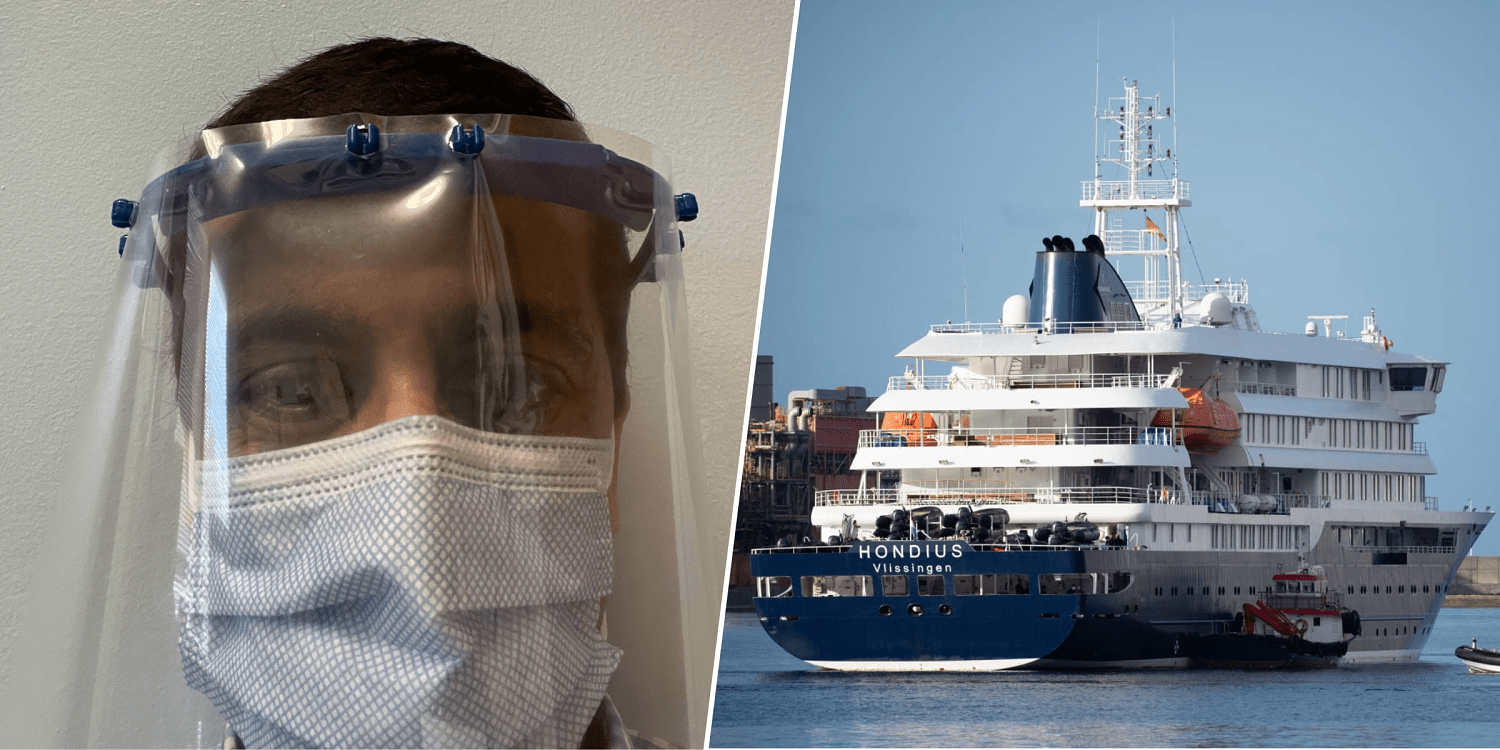
The recent hantavirus outbreak aboard the MV Hondius cruise ship brings back vivid memories of a patient I treated during the 2012 Yosemite hantavirus outbreak as an infectious disease doctor.
That summer, 10 visitors contracted the virus from deer mice infesting the tent cabins in Curry Village.
What began as a quest to experience nature’s raw beauty spiraled into a tragedy that claimed three lives. Sometimes, getting a deadly infection may simply start with bad luck, being at the wrong place at the wrong time.
I was directly involved in the care of one of those patients — a case that tested everything I knew to save someone’s life.
While some clinical details have faded 14 years later, the core lessons on how to manage such a critical patient remain etched in my memory.
Here’s what I learned from the experience — and what I think much of the public is misunderstanding about the ongoing hantavirus outbreak.
Person-to-Person Transmission of Hantavirus Is Extremely Rare
Public health officials emphasize hantavirus rarely spreads between people. It is typically contracted when people accidentally inhale the virus found in rodent waste during routine activities like sweeping, cleaning infested spaces or sleeping around contaminated areas.
However, the type involved in the Hondius outbreak, according to the World Health Organization, is the Andes virus, the only known hantavirus to spread between people.
It’s endemic to South America. A 2018 hantavirus outbreak in Argentina killed 11 people after the disease spread at crowded events, leading to 34 infections.
While this type of spread is extremely rare, it can occur through close, prolonged contact with an infected person’s bodily fluids, such as sharing a bed or living in cramped quarters, like on a cruise ship.
There Are 2 Different Sets of Symptoms
The symptoms of hantavirus may depend on where in the world a person is infected.
Hantavirus Pulmonary Syndrome
In the U.S., people who get infected with hantavirus may progress to a life-threatening illness that causes lung damage known as hantavirus pulmonary syndrome (HPS), which happened to 80% of the patients in the Yosemite outbreak, including my own.
HPS is usually caused by hantaviruses found in North, Central and South America, per the U.S. Centers for Disease Control and Prevention.
The illness presents in two phases: one that mimics the flu and another that causes severe breathing problems.
The danger lies in how easily these early symptoms are dismissed as a common cold. Like the patient I treated, many continue their daily routines, only seeking help once the virus attacks their lungs and makes every breath seem like a struggle.
With hantavirus pulmonary syndrome, the flu-like symptoms — such as fatigue, fever, muscle aches, headaches, dizziness, chills and nausea — can start one to eight weeks after contact with an infected rodent.
Then, four to 10 days after this phase of illness, people develop more severe respiratory symptoms, like chest pain, shortness of breath and fluid in the lungs. HPS kills approximately a 38% of people due to respiratory symptoms.
Hemorrhagic Fever With Renal Syndrome
The other set of symptoms is called hemorrhagic fever with renal syndrome (HFRS). Only one type of hantavirus found in the U.S. causes this type of illness, per the CDC. The others are found in Western Europe, Scandinavia, Asia and Russia.
HFRS is characterized by internal bleeding and acute kidney damage. (Patients with HPS can also suffer temporary kidney injuries from the infection, as was the case with my patient.)
HFRS symptoms usually develop within two weeks of exposure and include intense headaches, back pain, fever, nausea and blurry vision. Flushing of the face, redness of the eyes or a rash can also be a sign of HFRS.
Symptoms may then become life-threatening, such as low blood pressure, lack of blood flow to vital organs, internal bleeding, and acute kidney failure, which can lead to too much fluid in the body if you can’t urinate.
The severity of the disease varies depending on the strain virus causing the infection.
Hantavirus Is Difficult To Diagnose
Early diagnosis is challenging because initial symptoms are non-specific. People may also discount their symptoms until the second phase of illness develops, when the infection has already progressed in the body to the lungs and kidneys.
Much like the ongoing battle with measles, hantavirus presents another unique hurdle: Many doctors have never seen it.
Because the disease is so rare, it rarely comes to mind when a clinician is trying to come up with typical diagnostic possibilities. So even when your diagnosis is still uncertain, tell your doctor of any recent travel history and pest or animal exposure, even if it may not seem relevant.
Cruise Ships Are Prime for Outbreaks of Any Kind
On cruise ships, the combination of dense, semi-enclosed spaces and shared facilities creates a petri-dish effect for gastrointestinal and respiratory infections. This risk is heightened for travelers with chronic conditions, who are particularly vulnerable to serious complications.
The type of medical facilities on cruises depends on the ship, but the CDC estimates 95% of acute illnesses and injuries are managed onboard.
As an infectious disease doctor, to stay healthy on cruises, I recommend:
- Washing hands with soap and water after using the bathroom.
- Undergoing a medical evaluation and ensuring your ship can support your needs before traveling if you have chronic health issues.
- Getting up to date on your vaccinations based on your destination.
- Packing your own prescription and over-the-counter medications, especially for seasickness.
- Getting travel insurance with medical evacuation coverage.
- Taking insect bite precautions during port visits.
The Right Treatment Is Complex — and Critical
Although there is no specific treatment for hantavirus, I was struck by how many medical specialties are involved to save a life — respiratory and speech therapists; nutritionists; physical therapists; lung, critical care and infectious disease specialists; as well as nurses providing 24/7 bedside care.
Respiratory decline in hantavirus patients frequently requires intensive care because they often need a ventilator. I remember having only seconds to guide the tube into the windpipe before my patient stopped breathing.
But sometimes even ventilators don’t work the way you hope. When my patient’s oxygen levels became unsustainable, we had to turn to another life-support machine called ECMO, which takes over heart and lung function for the body.
If you suspect you may have hantavirus, it’s crucial to seek care at a facility that has access to a ventilator and ECMO.
The main thing I’ve learned from treating hantavirus is that safety starts before you travel. Check for recent local outbreaks, see if other recent travelers have reported issues, and learn the specific steps to keep yourself safe.
This article was originally published on TODAY.com