Oil prices dipped below $100 a barrel on Wednesday after new reports suggested a deal between the U.S. and Iran to end the war in the Middle East could be on the horizon.
Brent crude—the international benchmark—fell below $98 a barrel, its lowest price in two weeks, roughly a week after it surged to more than $126 a barrel at the end of April.
This was its highest point since Russia’s full-scale invasion of Ukraine in early 2022, and was prompted by reports the White House was looking at new options to strike Iran despite a ceasefire that has been in place since April 8.
The White House is nearing an agreement with Iran on a one-page document, Axios reported on Wednesday, citing anonymous officials who described this as the closest the two sides have been to an deal since the start of the Iran war on February 28.
Reuters separately reported Washington and Tehran inching toward initial terms, citing an anonymous Pakistani source. Pakistan has been a key broker of talks between the two countries.
Newsweek contacted the White House via email on Wednesday about a possible new framework for a deal.
National average gas prices pushed past $4.50 per gallon for the first time since July 2022 on Wednesday, according to the latest data by the American Automobile Association (AAA).
The national average hit $4.536 as of Wednesday, a rise of about 5¢ from Tuesday’s average of $4.483, the AAA said.
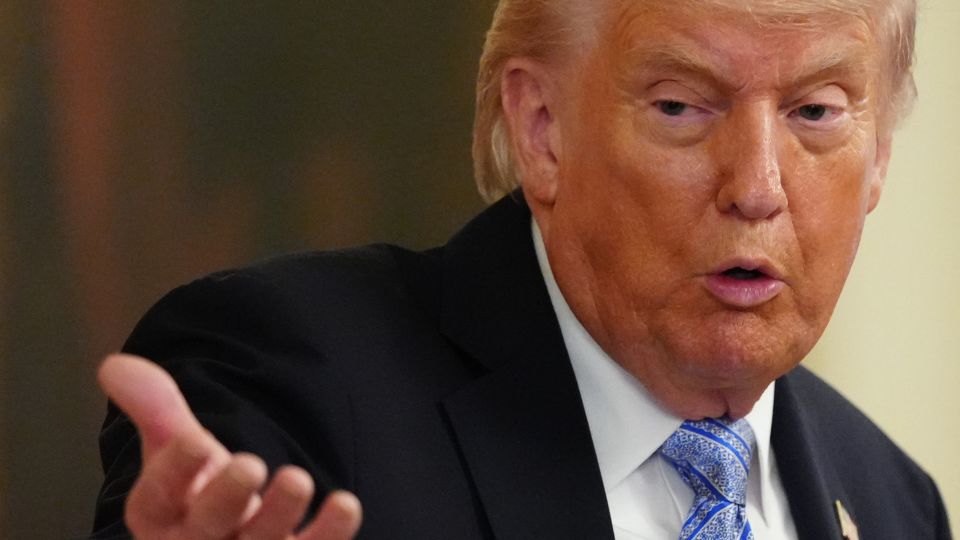
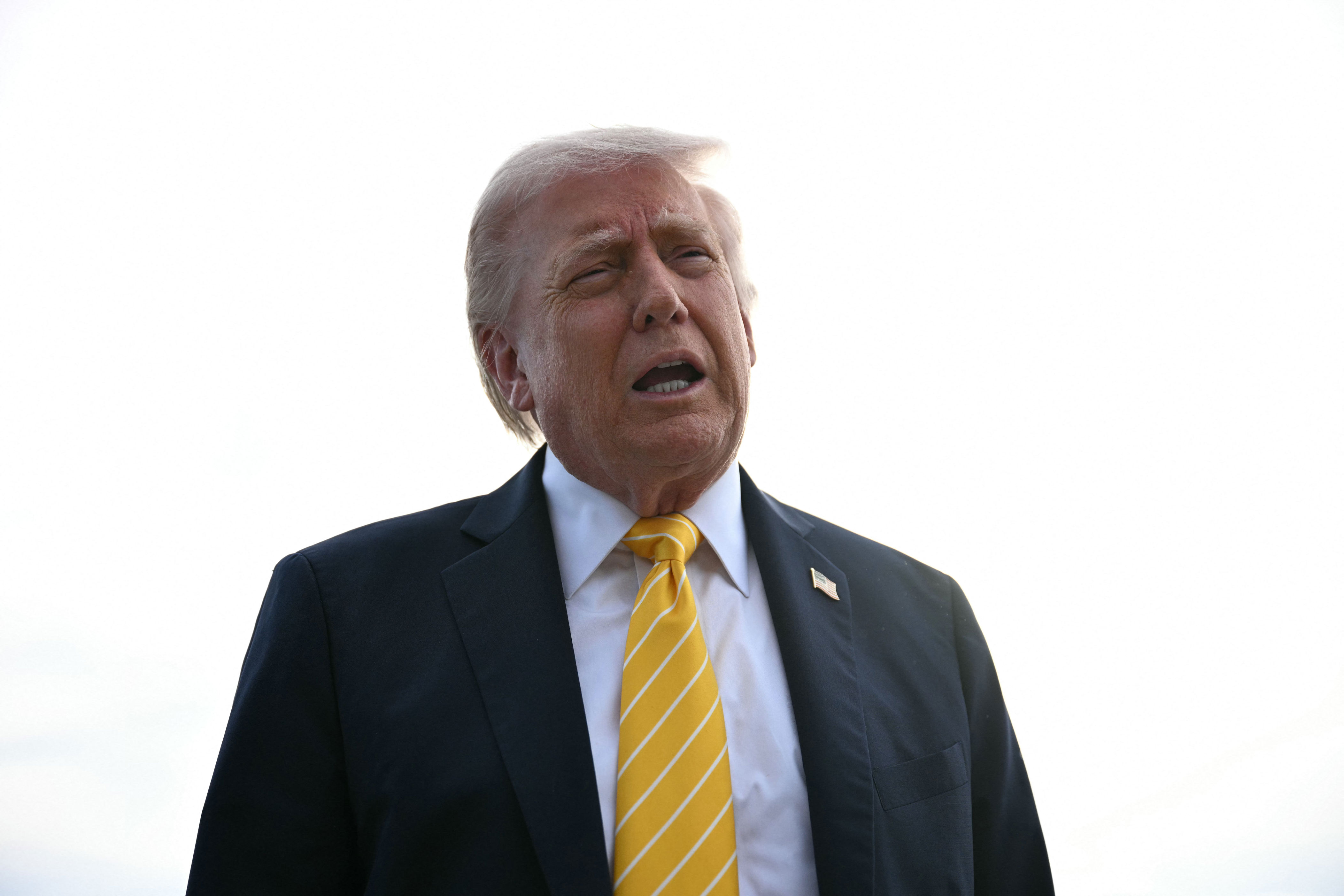
U.S. President Donald Trump posted on Truth Social shortly after the reports emerged, that bombing would restart “at a much higher level and intensity” than before the April 8 ceasfire to end the U.S. campaign dubbed operation Epic Fury.
“Assuming Iran agrees to give what has been agreed to, which is, perhaps, a big assumption, the already legendary Epic Fury will be at an end, and the highly effective Blockade will allow the Hormuz Strait to be OPEN TO ALL, including Iran,” he wrote.
Late Tuesday, Trump halted an initiative in which U.S. forces would escort vessels out of the vital Strait of Hormuz shipping route, to defend them against the threat of Iranian attack.
The U.S. initiative, dubbed Project Freedom, would be “paused for a short period of time” to see whether the U.S. and Iran could reach a peace agreement, Trump said. Iranian state media celebrated the move as a win for Tehran, and the semi-official Tasnim news agency—an outlet linked to Iran’s powerful Islamic Revolutionary Guard Corps—said Trump had “retreated.”
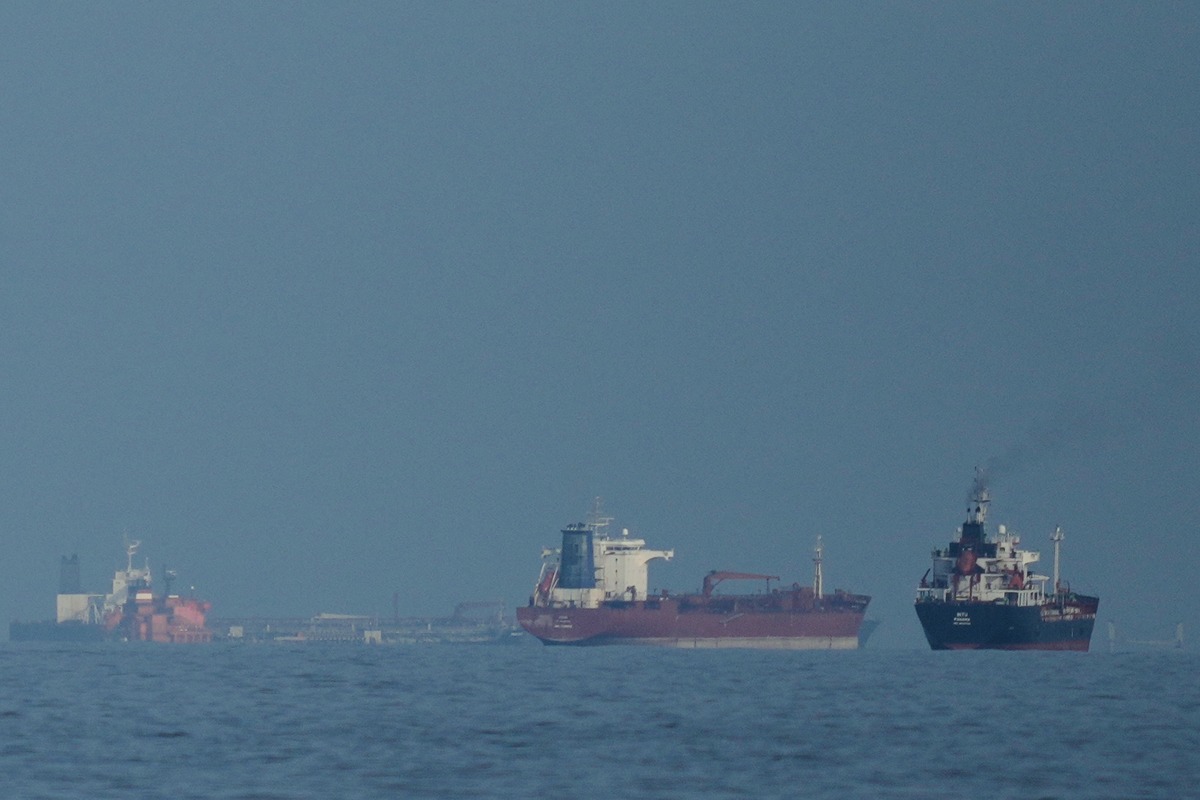
Approximately 1,550 vessels have been unable to move through the strait since Iran vowed to strike ships it deemed unfriendly following initial American and Israeli attacks on the country, according to the U.S.
Civilian traffic through the Strait of Hormuz has remained limited this week, far from recovered after dropping by 95 percent at the start of March.
Roughly a fifth of the world’s oil and gas usually travels through the Strait of Hormuz, and Iran’s threats to attack tankers and cargo vessels sent fuel prices yo-yoing as concerns over supply deepened.
Iran’s foreign minister, Abbas Araghchi, said Tehran pursued a “fair and comprehensive agreement” with the U.S. He was speaking during a visit to China, which is taking place just before Trump travels out to Beijing to meet with Chinese premier, Xi Jinping.
Iranian media has previously reported Iran’s delegation delivered a 14-point proposal to Pakistani mediators, which would mean the U.S. withdraws troops from close to Iran and ends its blockade of Iranian ports.
Trump said over the weekend Washington had received a new plan from Iran but suggested Iran has “not yet paid a big enough price.”
The U.S. is unlikely to accept any proposal that doesn’t address Iran’s nuclear program, which has been a main focus for U.S. and Israeli strikes.
The U.S. and Israel say it is unacceptable for Iran to be able to create nuclear weapons, although Iran has long said its nuclear program is peaceful and geared up to generate energy for a civilian population using an increasing amount of electricity.
But international experts say Iran has enriched more than 400 kilograms of uranium to levels far beyond what is needed for civilian nuclear energy, close to weapons-grade.
This stockpile of highly-enriched uranium is still unaccounted for, although United Nations experts say it is thought to be at the central Iranian nuclear site of Isfahan.
Related Articles