A version of this story appeared in CNN Business’ Nightcap newsletter. To get it in your inbox, sign up for free here.
The evidence, both anecdotal and quantitative, is piling up: Inflation is back with a vengeance.
Two back-to-back reports this week showed painful price increases across the economy, and they’re not going away soon. Consumers are flagging, pummeled by years of high prices and the sense that no one in power really cares.
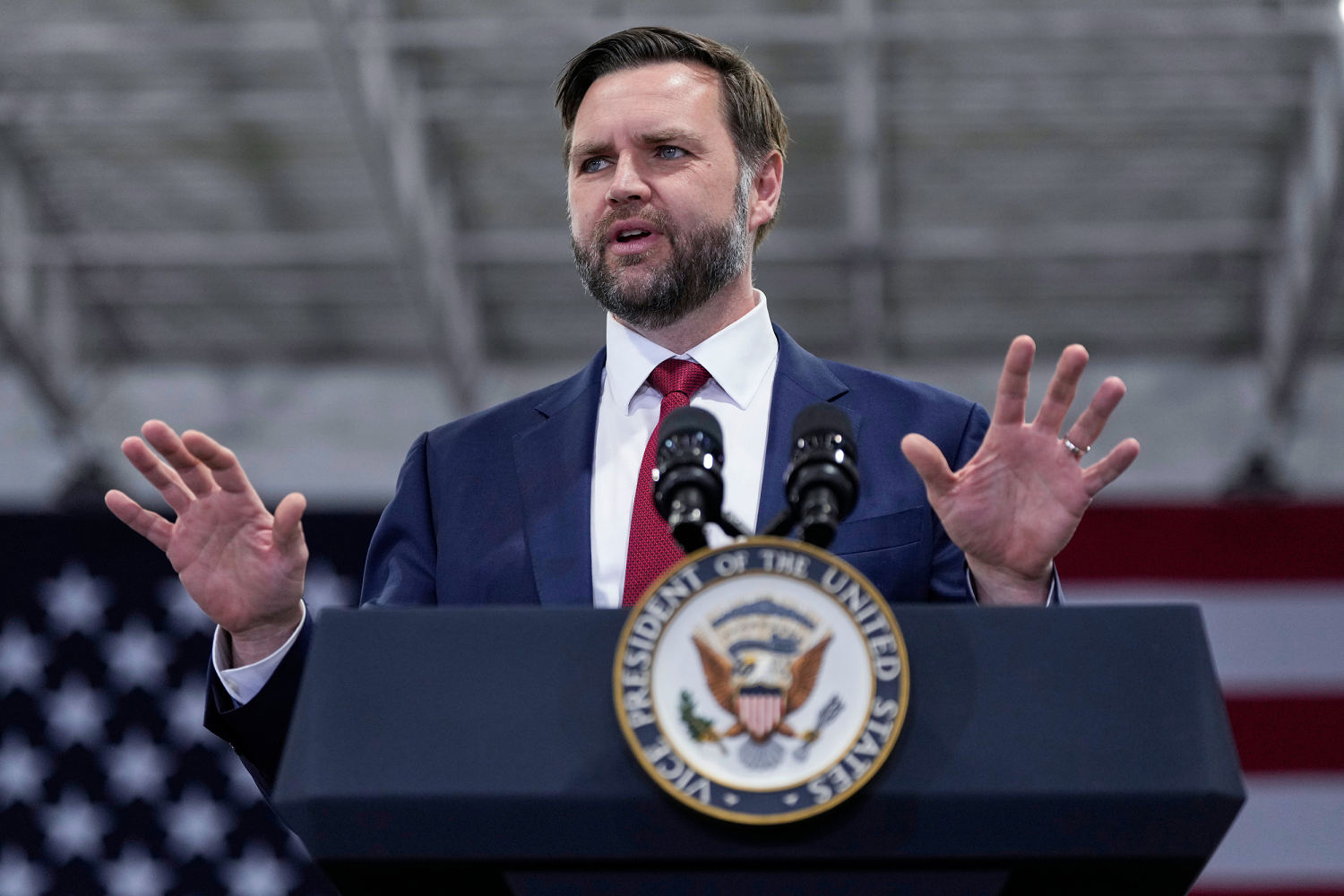
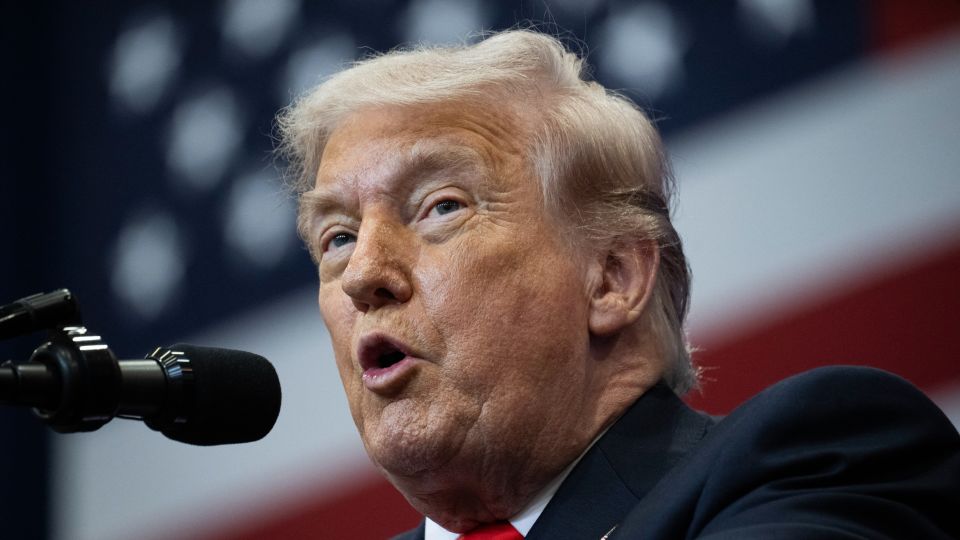
“I don’t think about Americans’ financial situation,” President Donald Trump told reporters when asked whether the strain on Americans was a consideration in his negotiations with Iran. “I don’t think about anybody. I think about one thing: We cannot let Iran have a nuclear weapon, that’s all.”
Much like his predecessor, Joe Biden, Trump has an inflation problem. The difference is that the price surges happening on Trump’s watch are indisputably, directly linked to his policy decisions: namely, tariffs and the Iran war. Not even Biden’s harshest critics can argue in good faith that he somehow caused a global pandemic before taking office or that his policies prompted Russia to invade Ukraine.
Of course, there are plenty of fair critiques of Biden’s handling of the aftermath of those two inflationary events. His administration injected nearly $2 trillion into the Covid economy, which propped up consumer demand and likely made inflation worse. Its signature Inflation Reduction Act of 2022 was arguably too little, too late to have a meaningful impact on voters, who, obviously, didn’t give him a second chance.
Trump returned to the White House having campaigned on the economic grievances of regular Americans when inflation was trending steadily downward. The Consumer Price Index was around 3% in early 2025 — higher than the Fed’s 2% target, but much lower than the Covid-era peak above 9% in 2022 — and it stayed mostly below that threshold for the year.
Then came the war with Iran — an unpopular conflict from the start, and one that is only deepening Americans’ economic frustrations.
Inflation roars back
ICMYI: The Consumer Price Index report released Tuesday showed prices rising 3.8% year-over-year — up sharply from February’s 2.4% annual rate, before the US and Israel began attacking Iran.
Then came the even hotter hot mess of the Producer Price Index, which tracks wholesale prices that businesses pay one another and tends to foreshadow changes to consumer prices. That inflation gauge hit a 6% annual rate in April (vs. 4% in March).
On a monthly basis, the wholesale index increased 1.4% — double what economists had expected and the second-biggest monthly jump on record. (The largest monthly jump happened in March 2022, three months before consumer inflation peaked.)
“Our inflation is just short-term,” Trump said Tuesday, sounding a bit like Biden in 2021 when he said “most of the price increases we’ve seen are expected to be temporary.”
If only wishing made it so.
While it’s true that energy prices are volatile, and much of the April shock can be blamed on the fact that the war took 20% of the world’s oil supply offline virtually overnight, there’s more to these inflation reports than a one-time shock.
If you want to nerd out with the economists, you have to look at “core” inflation — the stats that strip out volatile factors like energy.
The big surprise in the April CPI came from “services”— as in, prices for rent, health care, car insurance, airfare, hotels, restaurants, etc.
As expected, Tuesday’s report showed an unusually high spike in housing prices that was effectively a methodology hangover from the most recent federal government shutdown. But even when you remove that quirk from the equation, services inflation looks “sticky,” as economists are fond of saying.
Core services, excluding energy and housing, rose 3.3% year over year, and 0.5% from March to April.
That’s a lot harder to ignore than a big jump in goods prices due to higher gas prices, said Heather Long, chief economist at Navy Federal Credit Union. “I don’t know how you tell such a rosy story if we have another month or two of services inflation up 0.5% a month.”
The pressure pushing up services is a sign of an economy that’s “overheating,” said Austan Goolsbee, Federal Reserve Bank of Chicago president, in an interview with NPR on Tuesday. “The Fed has got to be thinking about how do we break the chain of escalating inflation.”
Indeed, Wall Street’s expectations for a Fed rate cut this year have gone out the window. Bond traders bid up US Treasury yields on Wednesday, factoring in longer-term inflation worries that may force the central bank to raise rates. Investors now see a more than 30% chance of a rate hike by the end of the year.
Tariffs and war collide
The economic cost of the war is colliding head-on with the cost of Trump’s other signature policy move: tariffs, which act as a tax on US businesses.
The US government has collected more than $340 billion in tariff revenue in Trump’s second term. But because companies have had to eat some of the added costs, they’re now sitting on less of a financial cushion to absorb the energy price shock of the war.
At least some of the added costs will end up being footed by consumers. And consumers are not doing well.
A CNN/SSRS poll released Tuesday found that 77% of Americans, including a majority of Republicans, say Trump’s policies have increased the cost of living in their community. And 75% of Americans say the Iran war has hurt their finances.
The president has a career-low 30% approval rating on the economy, according to the poll.
“The fact that dissatisfaction on economic matters is reaching the 70% range suggests that some Republicans, as well as Democrats and independents, are angry at Trump,” my colleague Stephen Collinson writes. “In just two years, affordability — the weapon that Trump wielded against Democratic foes President Joe Biden and Vice President Kamala Harris in 2024 — has become an incumbent’s curse. Many voters turned to Trump to alleviate their economic pressures. Latest data and polling suggests he has failed to deliver.”
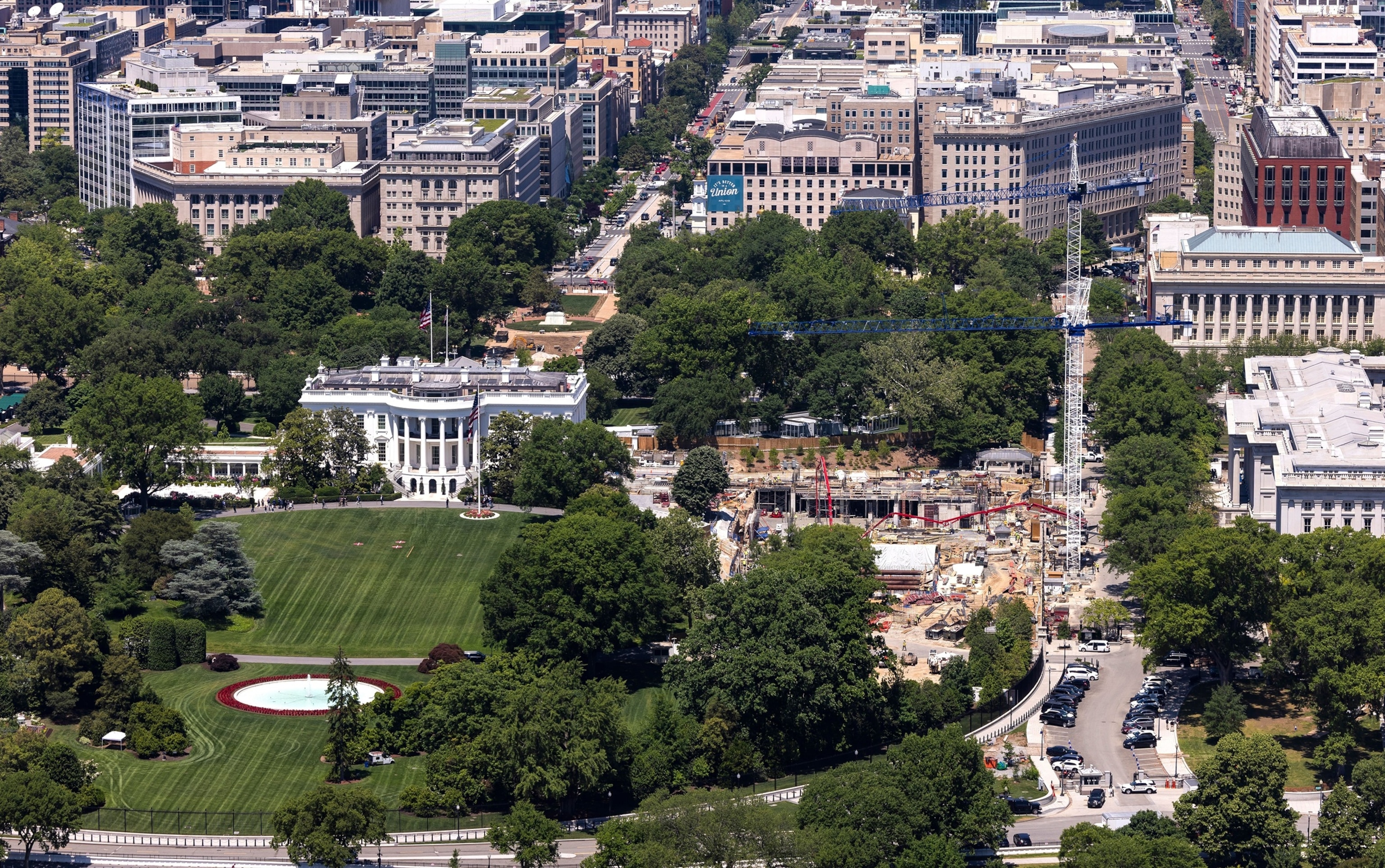
Bottom line: Biden got dealt a crummy hand, then he and the Democratic Party failed to get the messaging right around an economy that was, in fact, healing. Trump got dealt a much better hand. But rather than focus on selling his Iran plan to the American people while expressing sympathy for the hard times, he’s spinning out on social media, asking Congress for $1 billion for security upgrades to his White House ballroom renovation project, and awaiting delivery of a luxury new Air Force One — gifted by Qatar but adapted with taxpayer cash — among other extravagances.
For more CNN news and newsletters create an account at CNN.com