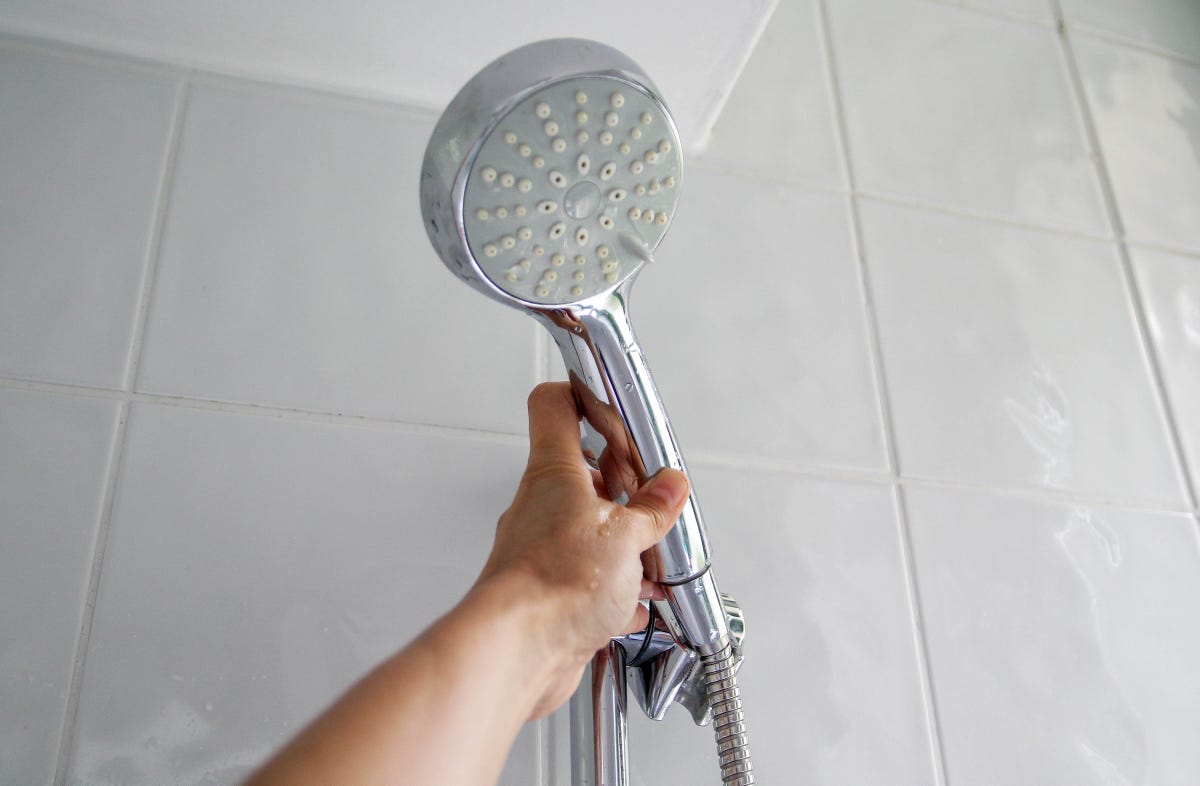
When it comes to daily routines, very few habits spark as much passionate debate as the question of morning vs. night showers. For such a simple choice, people have a lot to say. What may start as a casual poll among friends can quickly turn into a full-blown standoff, with each side pointing to benefits like energy, cleanliness, and skincare to make their case. But is one actually better for your health? To get a clear answer, we turned to the experts.
We tapped behavioral sleep medicine specialist, Dr. Sarah Silverman, MS, PsyD, and dermatologist and medical director of Curology, Dr. Whitney Tolpinrud, MD, FAAD, to break down the debate from both a sleep and skin perspective. Here’s what they said.
Does it actually matter what time you shower?
Short answer: yes. Long answer: It may not matter as much as other factors. “Shower timing matters far less than shower habits,” says Dr. Tolpinrud. “The real skin issues come from showers that are too long, too hot, or followed by skipping moisturizer.”
However, the answer becomes a bit more clear-cut when viewed through the lens of sleep. Alongside a steady regimen, “time of day likely matters the most,” says Dr. Silverman. “A warm shower or bath taken on a consistent basis can act as an anchor or signal that helps reinforce consistent routines.”
The case for morning showers
Many people who shower in the morning report feeling more refreshed and alert for the day ahead. Others base the decision on their hair, choosing A.M. showers to reduce frizz and breakage or better define curls.
There’s some science to support this. “A morning shower can feel refreshing and can help wash away overnight sweat and oil, which may be especially appealing if you wake up feeling oily or tend to exercise early,” notes Dr. Tolpinrud. It also creates a “fresh canvas” for your daytime skincare routine, since most products are designed to be applied to clean skin.
From a sleep perspective, morning showers can also help shake off grogginess. By raising your body temperature, they signal to the brain that it’s time to wake up, Dr. Silverman explains. This can be especially helpful for those who struggle to wake up or need to rise earlier than usual.
The case for night showers
For those firmly on Team Night, the appeal often comes down to washing the day away. Many people prefer getting into bed clean, while others say a warm shower helps them relax before sleep.
There’s evidence to support this, too. “[A night shower] can be particularly helpful for people with sensitive or eczema-prone skin, since it helps remove potential irritants before bed,” says Dr. Tolpinrud. It can also support the skin barrier: applying moisturizer while your skin is still slightly damp helps lock in hydration overnight.
While light is the most powerful regulator of your internal clock, temperature plays a supporting role. Showering before bed promotes thermoregulation, which can improve sleep quality, Dr. Silverman says. The natural rise and fall of core body temperature acts as a strong circadian signal and sleep trigger.
The verdict
If both options have clear benefits, which one is actually better for your health? The healthiest choice depends on your schedule, skin needs, and what helps you feel your best.
When it comes to sleep, though, nighttime showers stand out. “[There is] little to no evidence at this time that morning showers improve sleep,” says Dr. Silverman. In fact, they tend to do the opposite by increasing alertness. By contrast, the sleep benefits of nighttime showers are harder to ignore: they act as a frequent wind-down cue, which, when repeated regularly, can “lead to better sleep outcomes just by maintaining consistent [behavioral] anchors.”
From a skin perspective, nighttime showers also offer advantages, helping rinse away sweat, allergens, and environmental pollutants before bed. Still, the most important factor isn’t timing—it’s how you shower. Keeping it short (about five to 10 minutes), lukewarm, and gentle is key, since anything hotter or longer can leave skin dry, tight, and more vulnerable.