
Enjoy these foods in moderation for better kidney health.
Reviewed by Dietitian Casey Wing, RD, CDKey Points
- Limit processed meats and salty snacks to reduce sodium intake and support kidney health.
- Swap sugar-sweetened drinks for water or unsweetened beverages to lower kidney disease risk.
- A plant-forward diet can help prevent kidney disease and reduce the risk of kidney stones.
Kidney health may not be on your radar yet—but it should be. Nearly 1 in 7 U.S. adults have chronic kidney disease, but as many as 90% of them don’t know that they have it because symptoms in the early stages can go unnoticed. When they’re functioning as they should, your kidneys are a dynamic duo that filters about ½ cup of blood every minute to help remove waste and maintain your fluid and electrolyte balance.
Your diet plays a critical role in helping your kidneys perform at their best. While no foods are completely off-limits for kidney health, certain foods do make your kidneys work harder—especially if you are eating them regularly. Read on to find out which foods dietitians say are the worst for your kidney health and why you should enjoy them in moderation.
1. Processed Meats
When you consume lots of sodium, your kidneys have to work overtime to help filter out the excess sodium to maintain fluid balance. One food that can quickly rack up your daily sodium tally is processed meat. “Foods like bacon, sausage, hot dogs, salami, bologna and deli meat are packed with sodium,” says Melanie Betz, M.S., RD, CSR, FAND. For example, deli turkey, which most people assume is a healthier option, can have quite a bit of sodium—a 2-ounce serving contains around 450 milligrams. That’s nearly 20% of the 2,300 mg maximum of sodium most people should eat in an entire day, and that’s before you assemble the rest of your sandwich.
That extra sodium isn’t just making your kidneys work harder. “Eating too much sodium can contribute to high blood pressure, one of the leading causes of kidney disease. It can also increase the risk of kidney stones,” says Betz. If a deli sandwich is a lunchtime staple, you don’t have to give it up completely. Just try packing a lower-sodium sandwich filling like tuna salad, hummus or peanut butter and jelly a few times a week instead.
2. Prepackaged Foods
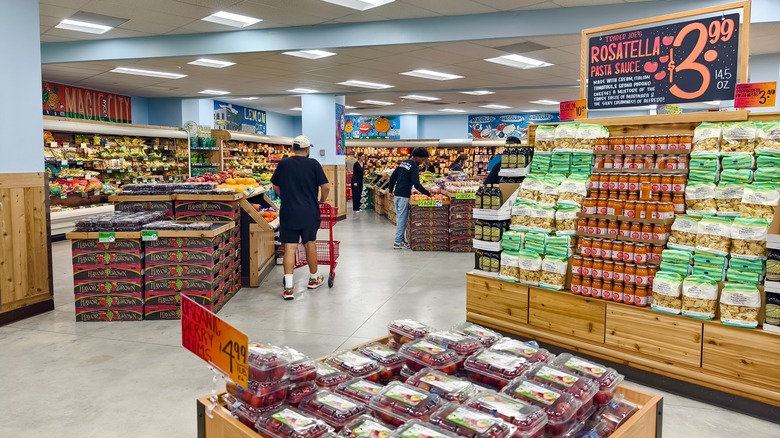
Packaged and processed foods are convenient and can cut down on the time commitment of cooking meals at home. The only downside is that they also typically contain higher levels of sodium. “The biggest culprit I see is commercially processed and packaged foods. Think canned soups, deli meats, condiments, breads and restaurant meals,” says Jen Hernandez, RDN, CSR, LDN. What’s more, the sodium in these foods quickly adds up—studies show that most of our excess sodium intake isn’t coming from the saltshaker but from these foods. “It’s baked into the food supply, which is why awareness of these hidden sources is so important for anyone focused on protecting their kidney health,” Hernandez adds.
This doesn’t mean you need to start making everything from scratch. Just make it a habit to read labels when shopping and preparing meals. When you can, make the swap to lower-sodium versions of your favorite staples. Look for options with less than 10% of the Daily Value for sodium or terms on the label like low sodium, salt-free or reduced sodium.
3. Sugar-Sweetened Beverages
Staying hydrated is important for your overall health, but not all beverages are equal when it comes to kidney function. “Sugary drinks like regular cola, sweet tea, lemonade and punch should also be limited,” Betz says. “These are associated with an increased risk of both kidney disease and kidney stones.” Research suggests that consuming more than seven servings per week (or one per day) of sugar-sweetened beverages significantly increases the odds of developing chronic kidney disease.
In addition to plain water, sparkling water, unsweetened tea and coffee (without added sugar) can help keep you hydrated without getting bored. Milk is also an underrated beverage for hydration that may actually lower your risk of kidney stones.
4. Salty Snacks
Love to snack? You’re in good company—U.S. adults eat an average of one to three snacks per day. However, if salty snacks like potato chips, pretzels and jerky are your go-to, it may be time to switch things up since these foods can put you over the sodium limit for the day. “Reducing your salt intake helps your kidneys manage how much fluid stays in your body, and if you have kidney disease, less salt in your diet can help reduce the amount of protein in your urine,“ says Melissa Prest, DCN, M.S., RDN, CSR, LDN.
If you’re not ready to give up your favorite salty snack cold turkey, try mixing half a serving with a lower-sodium snack like air-popped popcorn, unsalted nuts or dried fruit. You’ll still be able to enjoy your favorites, but with less overall sodium per snack session.
Other Tips to Support Kidney Health
Besides enjoying the aforementioned foods in moderation for better kidney health, here are a few other expert tips for showing your kidneys some love.
- Stay hydrated. “Being sure to drink plenty of fluids is one of the best things you can do for kidney health. Dehydration is one of the main causes of kidney stones, and severe dehydration can lead to long-term kidney damage,” says Betz. “The right amount of fluid is different for everyone, but for most people, aiming for about 2½ liters of fluid (or about 84 fluid ounces) is a good rule of thumb.” When in doubt, ask your dietitian or health care provider how much water is right for you.
- Eat more plant-based proteins. “Focusing on eating more whole-food plant proteins in place of animal protein is also beneficial for kidney health,” says Betz. “A more plant-forward diet can help both prevent and slow the progression of kidney disease, as well as reduce the risk of kidney stones. Swapping in just a few more plant-based meals a week can make a big difference.”
- Manage your blood pressure. High blood pressure is one of the leading causes of kidney disease, so it’s important to keep your blood pressure in check, says Prest. Adopting a heart-healthy, low-sodium diet and exercising regularly are some of the best first steps you can take to help regulate your blood pressure.
Our Expert Take
Your kidneys are part of your body’s cleanup crew, filtering out waste from everything you eat and drink throughout the day. So, it’s no surprise that what you eat plays a big role in your kidney function. In general, eating a diet that features lots of fruits, vegetables, whole grains and plant-based proteins can go a long way in helping your kidneys do their job. However, some foods, like processed meats, prepackaged foods, sugar-sweetened beverages and salty snacks, should be enjoyed in moderation, according to our experts, because they make it harder to keep your blood sugar and blood pressure in check—key factors for kidney health.
Read the original article on EatingWell