About one-third of the private-sector workforce lacks access to a retirement-savings plan at work.
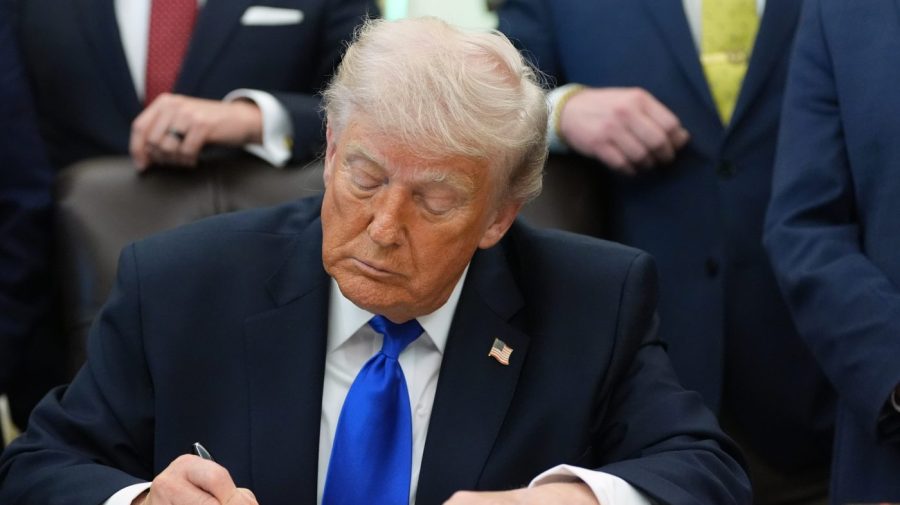
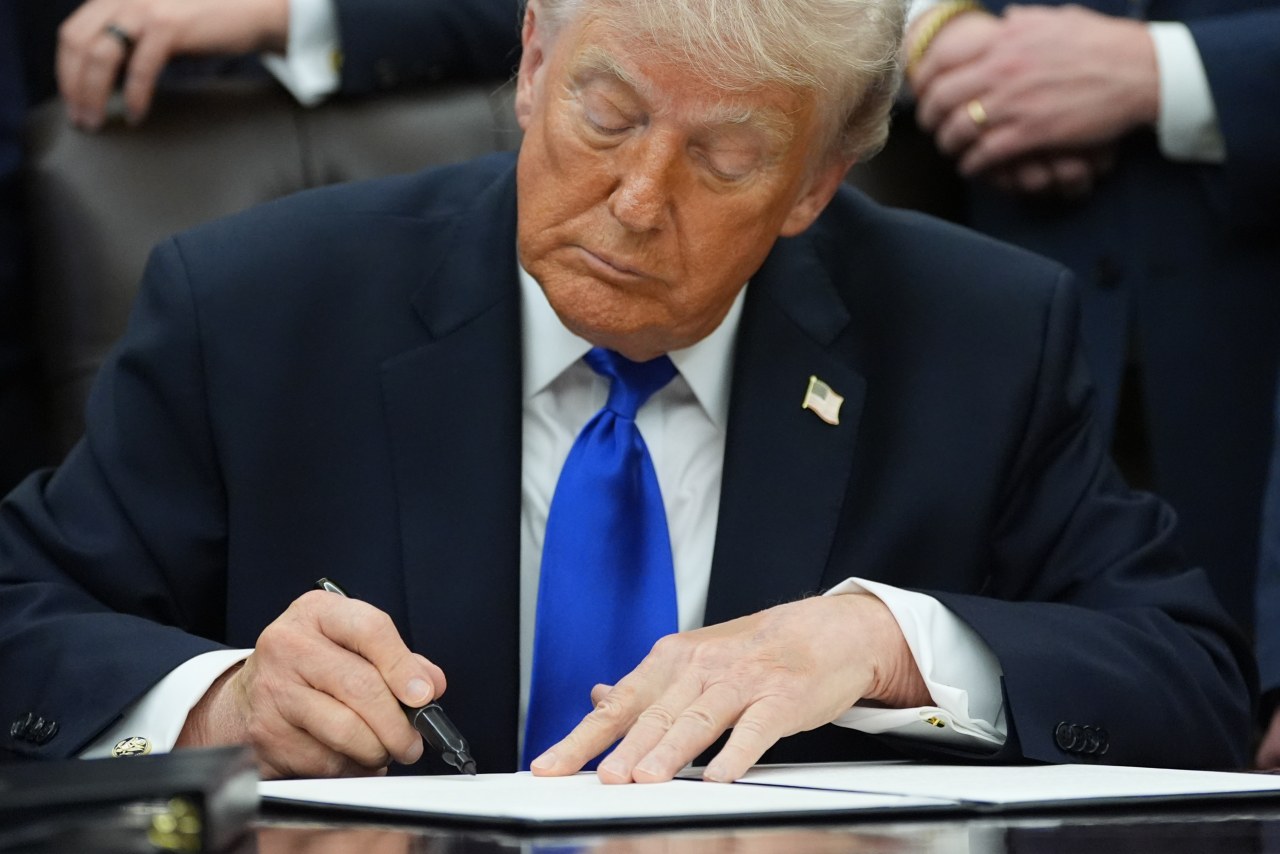
President Trump’s executive order on Thursday seeks to shrink that gap by rolling out a website to offer Americans low-fee retirement-savings accounts from private financial-services companies.
Trump’s embrace of expanded retirement-account access—first mentioned in the State of the Union address in February—signals Republican support for addressing the coverage problem.
Democrats previously had backed legislation that would have required most employers without a retirement plan to automatically enroll their workers in individual retirement accounts, or IRAs, but it failed to advance.
Here’s what we know about the executive order.
What is the problem that needs solving?
A swath of the workforce lacks access to an on-the-job retirement-savings plan, according to the Labor Department. While those people can save in IRAs, many fail to do so for reasons like a lack of awareness or difficulty committing to saving.
Those without coverage include many lower-income Americans who work for smaller businesses, which have lagged behind larger ones in offering 401(k)s, because of the time and cost of setting them up.
Currently, about 17 states have their own retirement savings programs, many of which require employers without a 401(k) plan to automatically enroll their workers in IRAs.
How does the executive order propose to solve the problem?
The executive order instructs the Treasury Department to launch a new website, TrumpIRA.gov, by the beginning of 2027. The goal will be to offer Americans retirement accounts that meet certain requirements, including low fees.
Workers would be able to use the website to select an IRA, although that’s something they already can do at banks and brokerage firms.
Allowing workers to be automatically enrolled in those accounts would accelerate adoption. That would likely require Congress to draft legislation, and Trump’s order didn’t mention this.
Participation rates in retirement savings plans without automatic enrollment are significantly lower than they are in plans that automatically sign workers up, giving them the option to opt out.
Will workers have incentives to sign up?
Under a law Congress passed in 2022, the federal government will provide up to $1,000 a year for people with low to moderate incomes who contribute to any type of retirement account. The matching contribution is scheduled to start next year.
The $1,000 match expands a current tax credit that many people qualify for but don’t use. The maximum match, which is 50% of what the worker puts in, shrinks as income rises. It fully phases out at an income of $35,500 for an individual and $71,000 for a married couple.
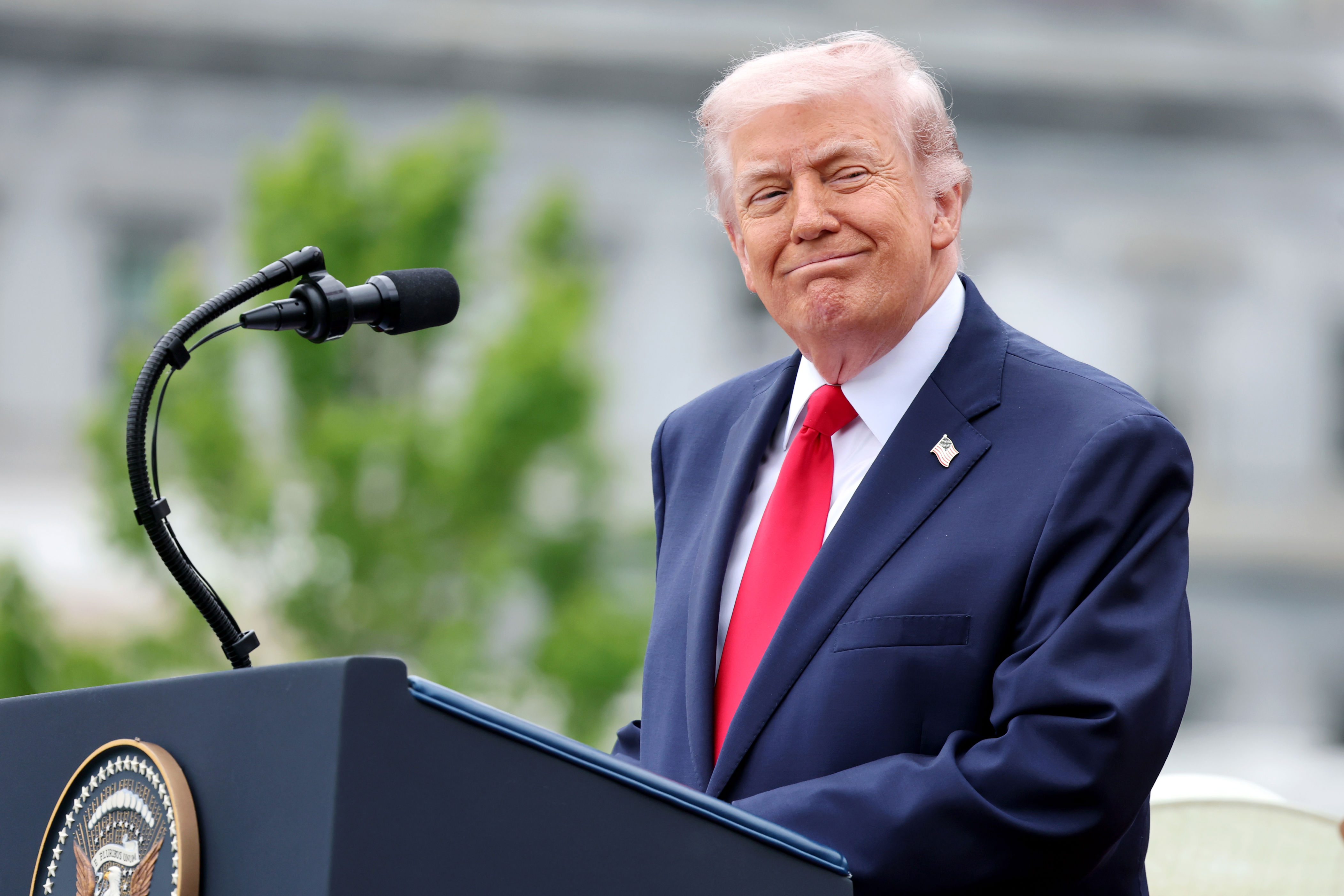
Trump said in a press conference that his administration is already working with some in Congress to possibly expand this match, by making more workers eligible, and is “looking for legislation this year.”
How will the new retirement savings accounts work?
Workers could use the government-backed website to find IRAs from financial services companies that accept the government matching contribution.
The administration said the site would allow people to sort and select IRA offerings by factors including fees.
To be offered on the website, an IRA would have to provide low-cost investment options– with overall net-expense ratios of 0.15% or less and no minimum-contribution or balance requirements.
The investment options would resemble those in the federal government’s 401(k)-like plan, called the Thrift Savings Plan. The TSP mainly offers low-cost stock and bond investments.
The government website might also allow charitable donations to IRAs, a feature that would resemble how Trump accounts work. Trump accounts will be available starting this summer for children under age 18. Billionaire Michael Dell has pledged donations to those accounts for children under 10 years old in certain ZIP Codes.
Write to Anne Tergesen at anne.tergesen@wsj.com