WASHINGTON - The U.S. sanctioned Iraqi officials over ties with Iran, and is urging the government to break with Tehran-backed militia groups following more than 600 attacks against U.S. diplomatic facilities since the start of the U.S. and Israel-led war, according to the State Department and a senior state department official.
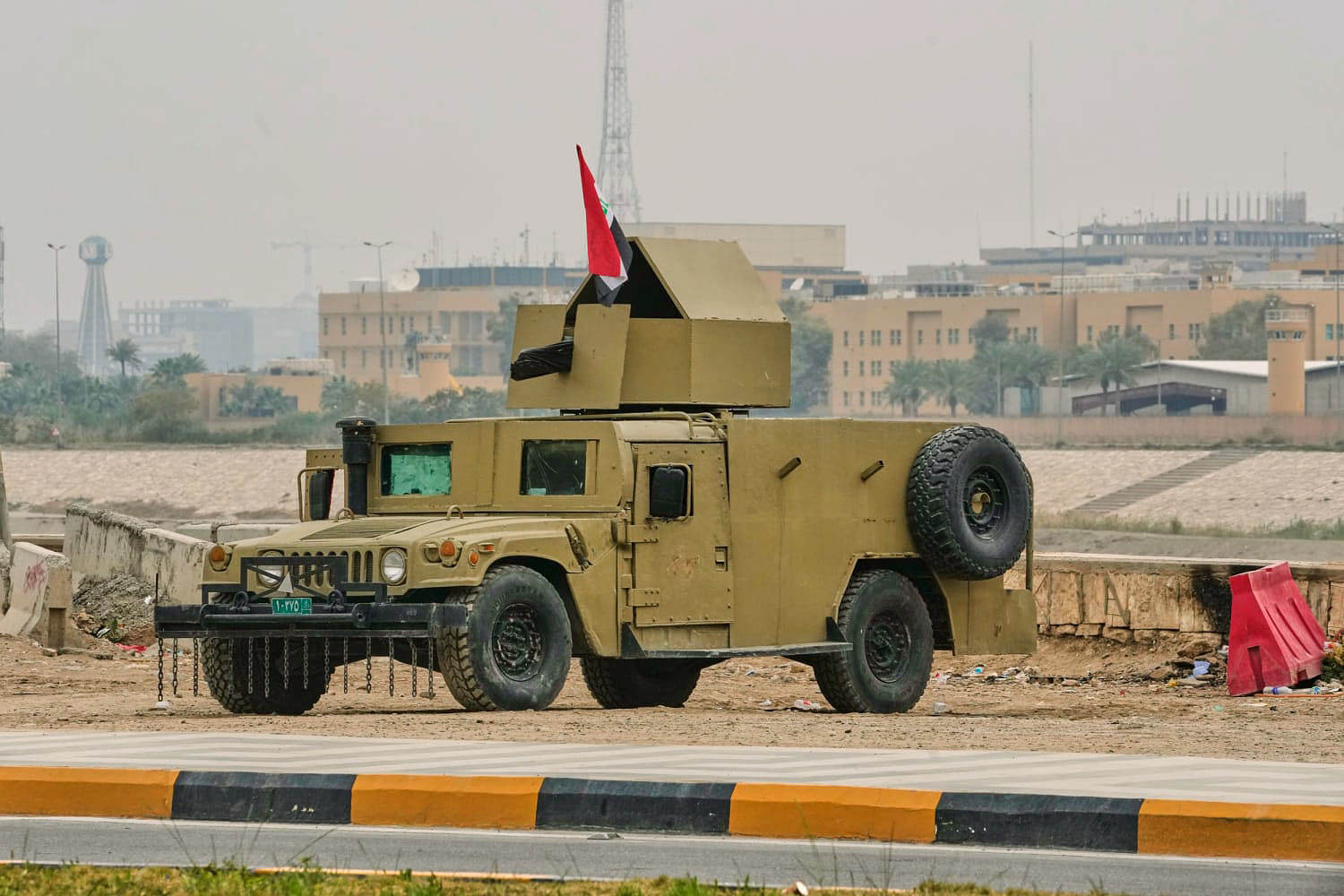
One facility, the Baghdad Diplomatic Support Center which is a logistics hub for U.S. diplomats, has been targeted by repeated drone strikes and was hit in mid-March. As recently as Tuesday, the U.S. Embassy in Baghdad urged Americans to leave Iraq, warning that “militias continue to plot additional attacks against U.S. citizens and targets associated with the United States throughout Iraq.”
Videos from some of the attacks showed smoke rising from a facility near the airport in April, and a fire on the roof of the Embassy in March.
The State Department on Thursday announced it sanctioned Iraq’s Deputy Minister of Oil Ali Maarij al-Bahadly, arguing he had abused his position to divert Iraqi oil in support of the Iranian regime. Iranian oil was mixed with Iraqi oil and sold for Iran’s benefit, spokesman Tommy Pigott said. Oil-sector companies that support militias were also hit with sanctions.
Iraq’s embassy in Washington did not immediately respond to request for comment.
It was the latest effort by the Trump administration to manage the growing presence of Iran inside Iraq, where Tehran-linked militia groups that would like to see U.S. troops expelled from the country have gained a foothold in the Iraqi government.
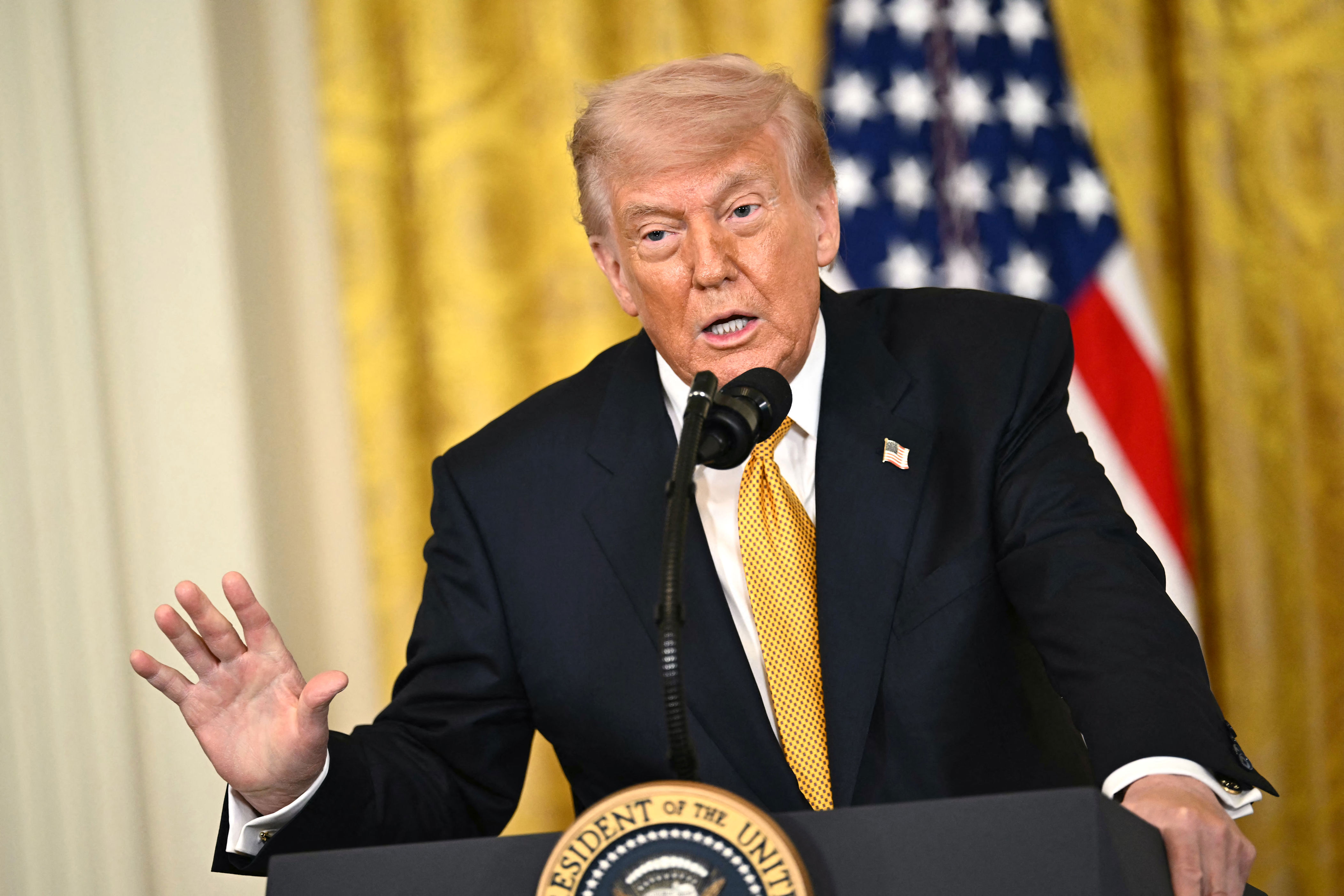
Newly elected Prime-Minister designate Ali al-Zaidi has been coming under pressure to take concrete action, including from President Donald Trump who last week in a social media post wished him “success as he works to form a new Government free from terrorism that could deliver a brighter future for Iraq.”
In April, the U.S. summoned Iraqi Ambassador Nizar Khirullah Washington, where Deputy Secretary of State Landau condemned the hundreds of attacks, including what the U.S. called an ambush of U.S. diplomats on April 8, the day the ceasefire began between the U.S. and Iran.
Landau emphasized the Iraqi government’s failure to prevent the attacks and said the U.S. “expects the Iraqi government to immediately take all measures to dismantle the Iran-aligned militia groups in Iraq,” according to a readout of the meeting.
“There is a very blurry line right now between the Iraqi state and these militias,” the senior state department official said said Tuesday, arguing that certain elements of the Iraqi state have continued to provide political, financial and operational cover to the groups. The official added that the Prime Minister understands the U.S. is looking for “action, not words.”
Concrete actions for the White House would be expelling militias, cutting off their support and denying payments, the official said.
One critical group where Iran aligned militias have gained influence is in the Iraqi state security service, the Popular Mobilization Force. The PMF started in 2014 as an umbrella group of several Shiite militias working together to fight the Islamic State in Iraq with support from Iran, but the PMF has now been formally integrated into Iraq’s national security forces.
The U.S. does not underestimate the “ the severity of the challenge or what it would take to disentangle these relationships,” the senior official said. “It could start with a clear and unambiguous statement of policy that the terrorist militias are not part of the Iraqi state.”
This article was originally published on NBCNews.com