As the space age soared and suburban life boomed, breakfast moved away from slow-cooked porridges toward "futuristic" convenience and bold, sugary innovations.
Breakfast in the 1960s looked very different from the grab and go routines of today. Families gathered around the table for meals that were filling, homemade, and often rooted in postwar convenience trends. Powdered drinks, hot cereals, buttery toast, and sizzling meats were all part of the morning ritual. Some dishes were born from marketing fads, while others reflected tight budgets and big appetites. This list revisits the flavors and habits that once defined the American breakfast table and have slowly faded from daily life. It was a time when the kitchen was the heart of the home and the morning meal was never rushed.
1. Hot Oatmeal with a Pat of Butter
Many families in the 1960s started the day with a steaming bowl of oatmeal topped with a square of butter slowly melting into the center. Sugar was sprinkled generously, and sometimes a splash of canned milk made it extra rich. Parents believed it was hearty enough to keep children full until lunch, especially during cold mornings. Instant packets were not yet the norm, so stovetop preparation was common. The texture was thick and slightly lumpy, nothing like today’s flavored varieties. Over time, sugary cereals and fast breakfast options pushed traditional oatmeal aside, turning it into more of a health food trend than a daily ritual.
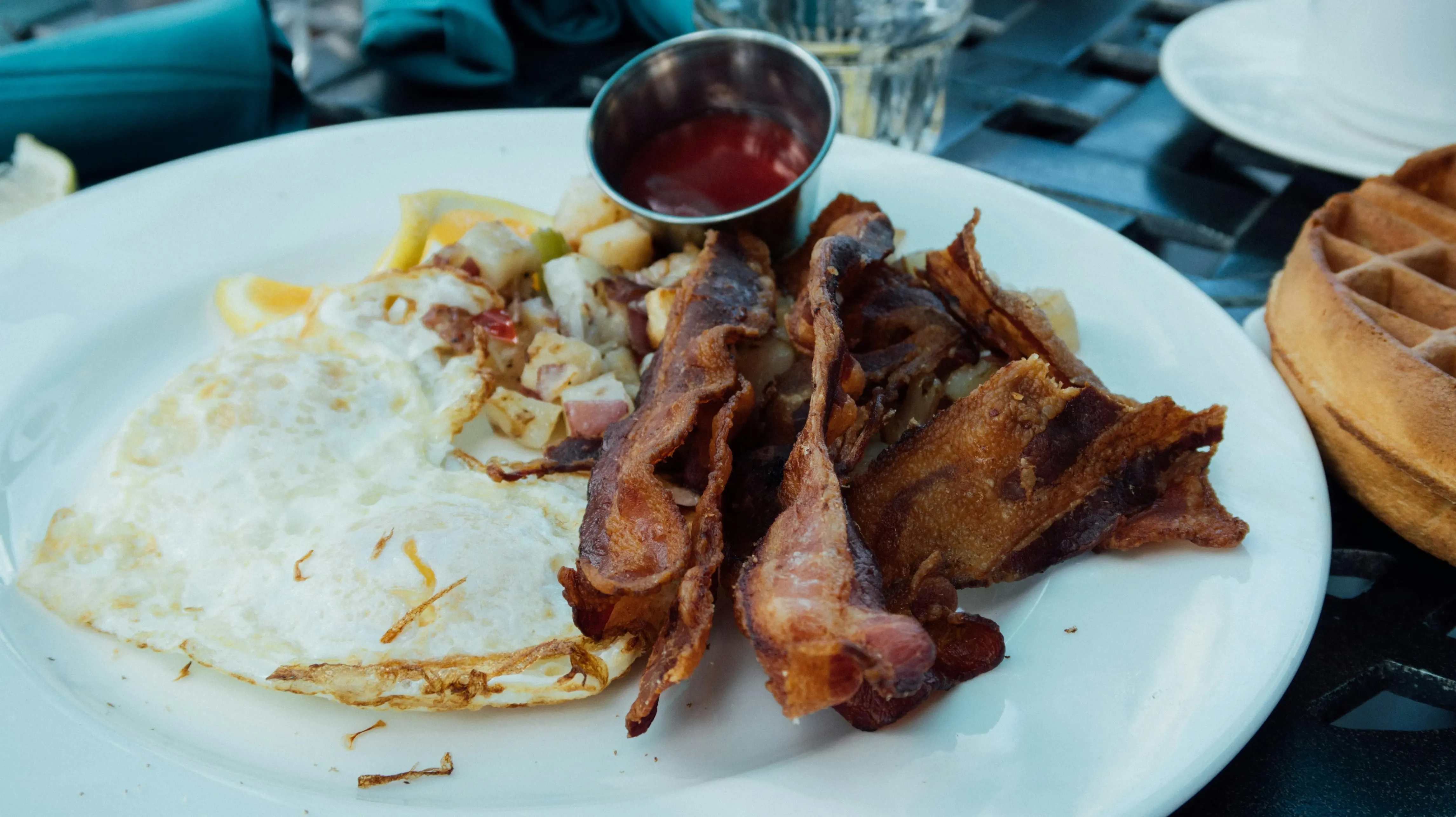
2. Bacon and Eggs Every Single Day
In many households, bacon and eggs were not reserved for weekends. They were a regular weekday breakfast. Fathers heading to work expected a hot plate, and mothers often woke up early to fry bacon until it curled and crackled. Eggs were scrambled, fried, or cooked over easy, depending on preference. The smell filled the house and lingered in the curtains and clothes. Cholesterol concerns were rarely discussed at the time, so portions were generous. Today, many families save this combination for special mornings or brunch outings. Busy schedules and changing health advice have transformed what was once a daily staple into an occasional indulgence.
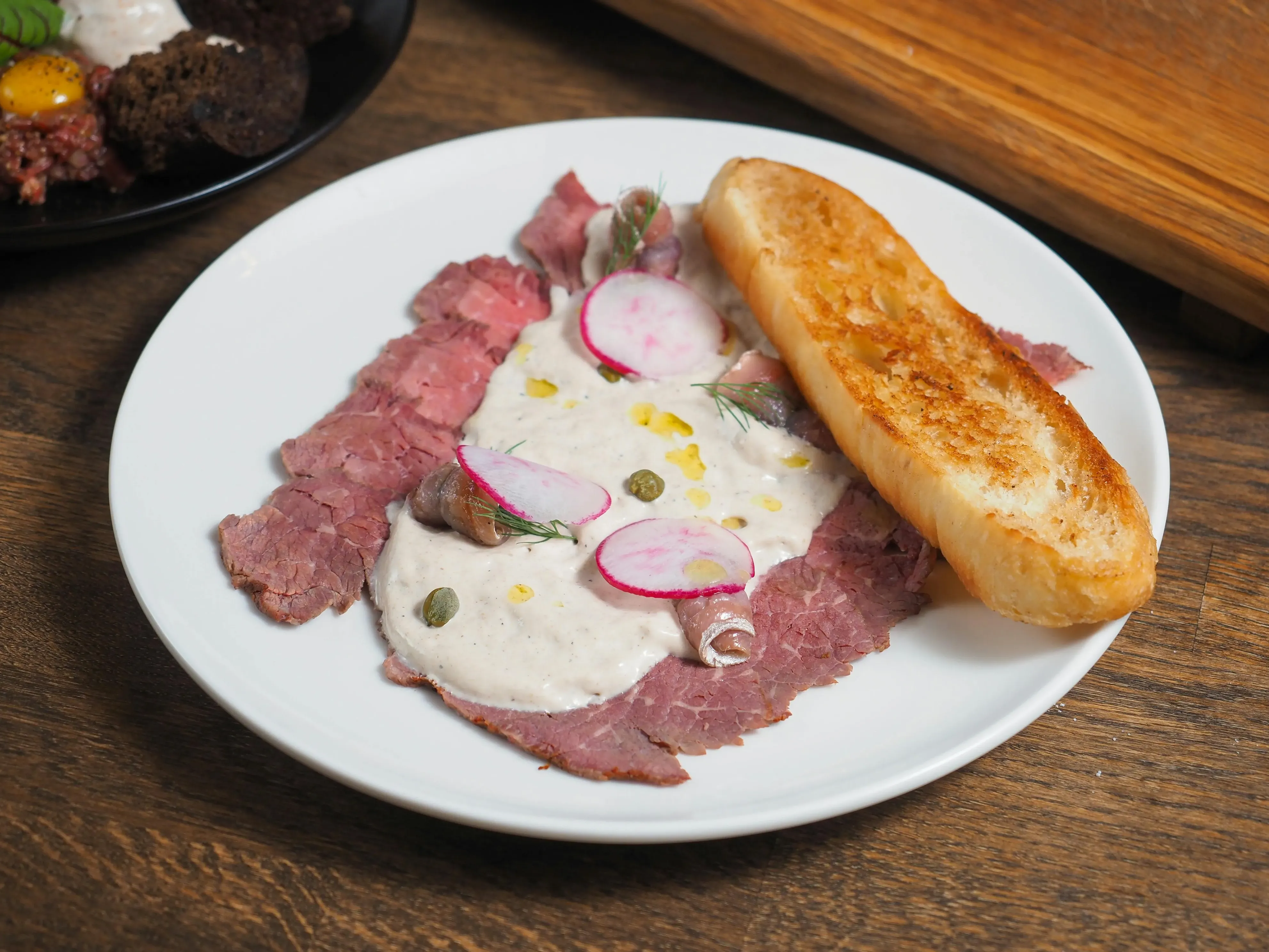
3. Creamed Chipped Beef on Toast
Known in some homes by less polite nicknames, creamed chipped beef on toast was a budget-friendly breakfast that stretched ingredients. Thin slices of dried beef were stirred into a thick white sauce and poured generously over toasted bread. It was salty, heavy, and filling. Families who had experienced wartime rationing appreciated meals that used preserved meats. Children did not always love it, but it appeared on the table often enough that it became familiar. As tastes changed and processed meats evolved, this dish quietly faded from mainstream breakfast menus. Today, it survives mostly as a nostalgic comfort food for older generations.

4. Half a Grapefruit with Sugar
Before smoothies and protein shakes, many adults began their mornings with half a grapefruit, served in its rind. A small serrated spoon rested nearby, and a spoonful of sugar helped cut the bitterness. It was seen as sophisticated and healthy, especially for mothers mindful of their figure. Magazine ads praised grapefruit as a slimming aid, which boosted its popularity at breakfast tables. Children often pushed it aside, preferring sweeter options. Over time, the ritual of carefully segmenting grapefruit lost its appeal. Convenience fruit cups and juices replaced the hands-on experience of scooping out citrus at the table.
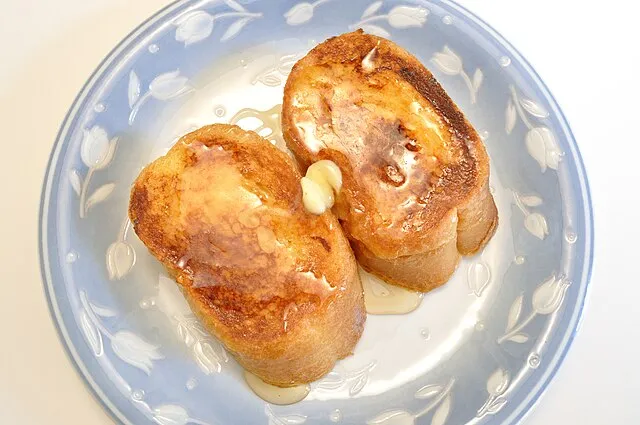
5. Thick Slices of French Toast
French toast in the 1960s was often made from leftover white sandwich bread dipped into a mixture of eggs and milk. It was pan-fried in butter until golden and slightly crisp at the edges. Families topped it generously with syrup or powdered sugar. Some added cinnamon, though it was not always standard. This dish helped reduce waste and turned stale bread into something comforting. While French toast still exists today, it no longer appears as a frequent weekday breakfast in many homes. The shift toward cereal bars and drive-through meals has made leisurely skillet cooking less common on busy mornings.
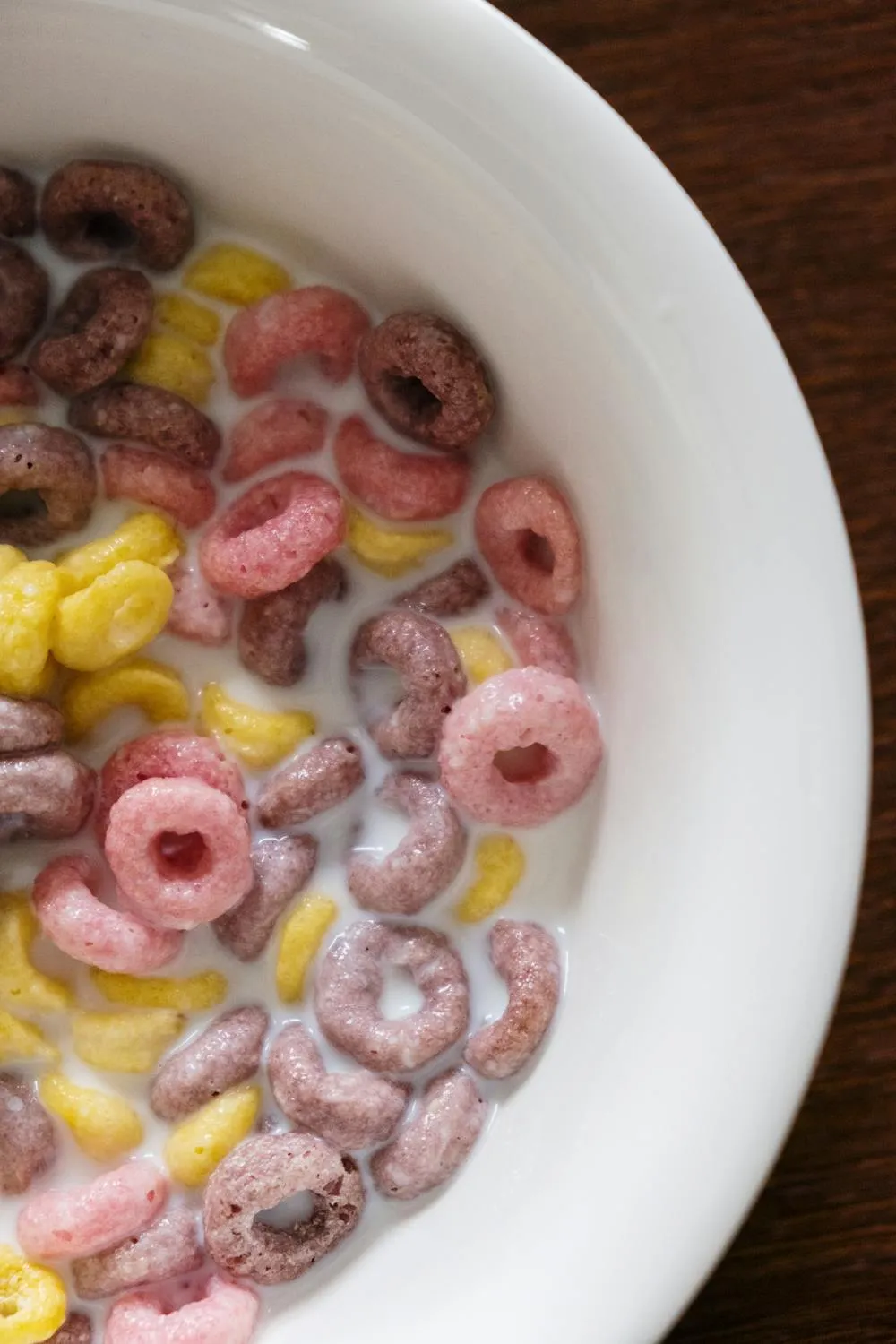
6. Brightly Colored Sugar Cereals
The 1960s marked a boom in sugary breakfast cereals aimed directly at children. Boxes featured cartoon mascots and puzzles on the back, making breakfast feel like entertainment. Parents poured milk over vividly colored shapes, turning the bowl sweet and slightly tinted. Nutrition labels were not closely examined at the time, and sugar content rarely raised concern. Saturday morning routines often included cereal eaten in front of the television. While sugary cereals still exist, many families now opt for lower sugar options or quick protein choices. The carefree attitude toward brightly colored breakfast bowls has softened over the decades.
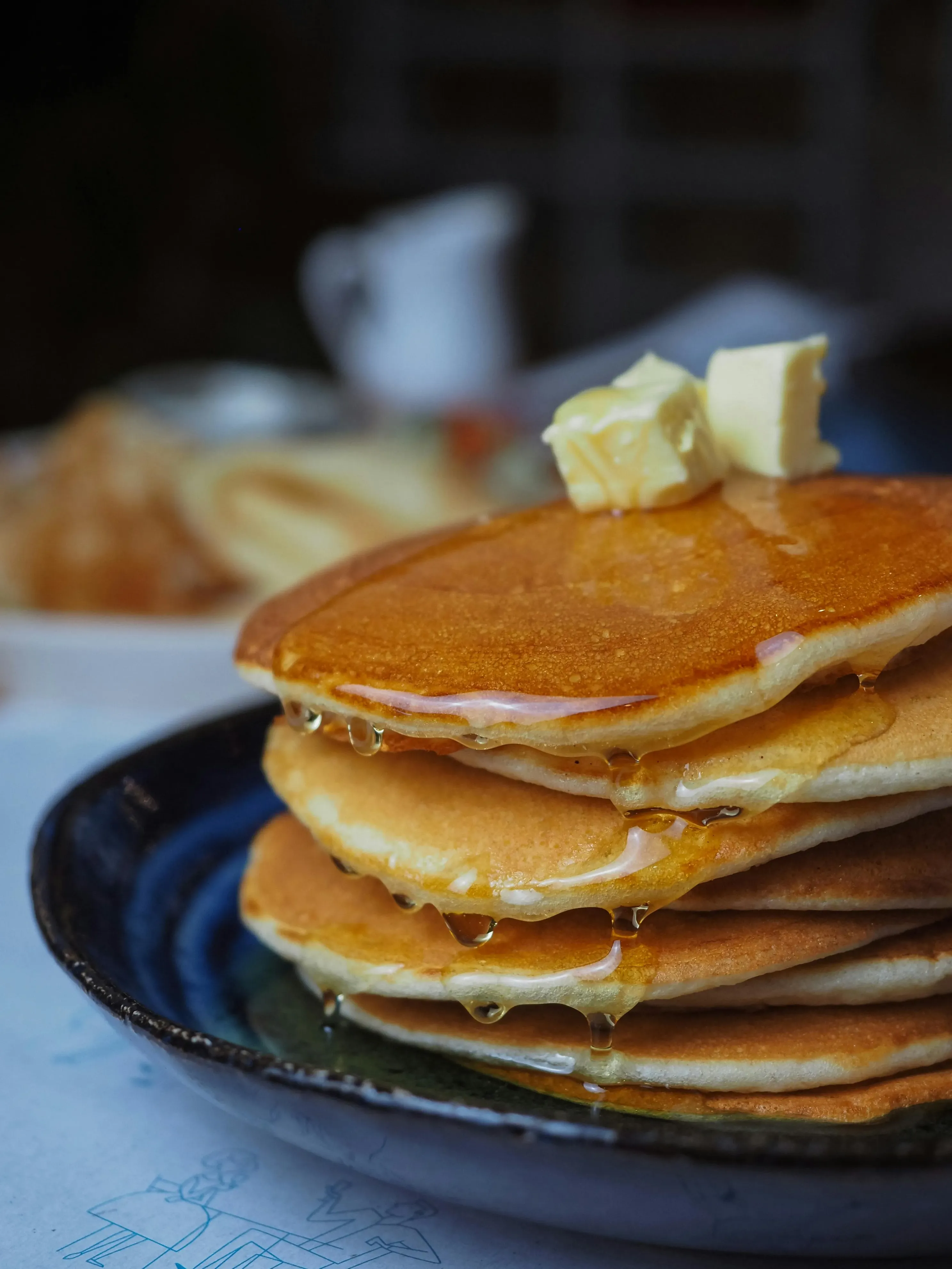
7. Tall Stacks of Buttermilk Pancakes
Pancakes were not limited to special brunches. In many 1960s homes, they appeared on ordinary school mornings. Mothers mixed batter by hand and poured circles onto a hot griddle, flipping them when bubbles formed on top. The result was soft, fluffy stacks layered with butter and syrup. Children competed for the biggest stack, and seconds were common. Store-bought mixes existed, but many families still relied on handwritten recipe cards. As mornings became busier and both parents joined the workforce, elaborate pancake breakfasts became less practical. Today, they are more often associated with weekends or restaurant outings.
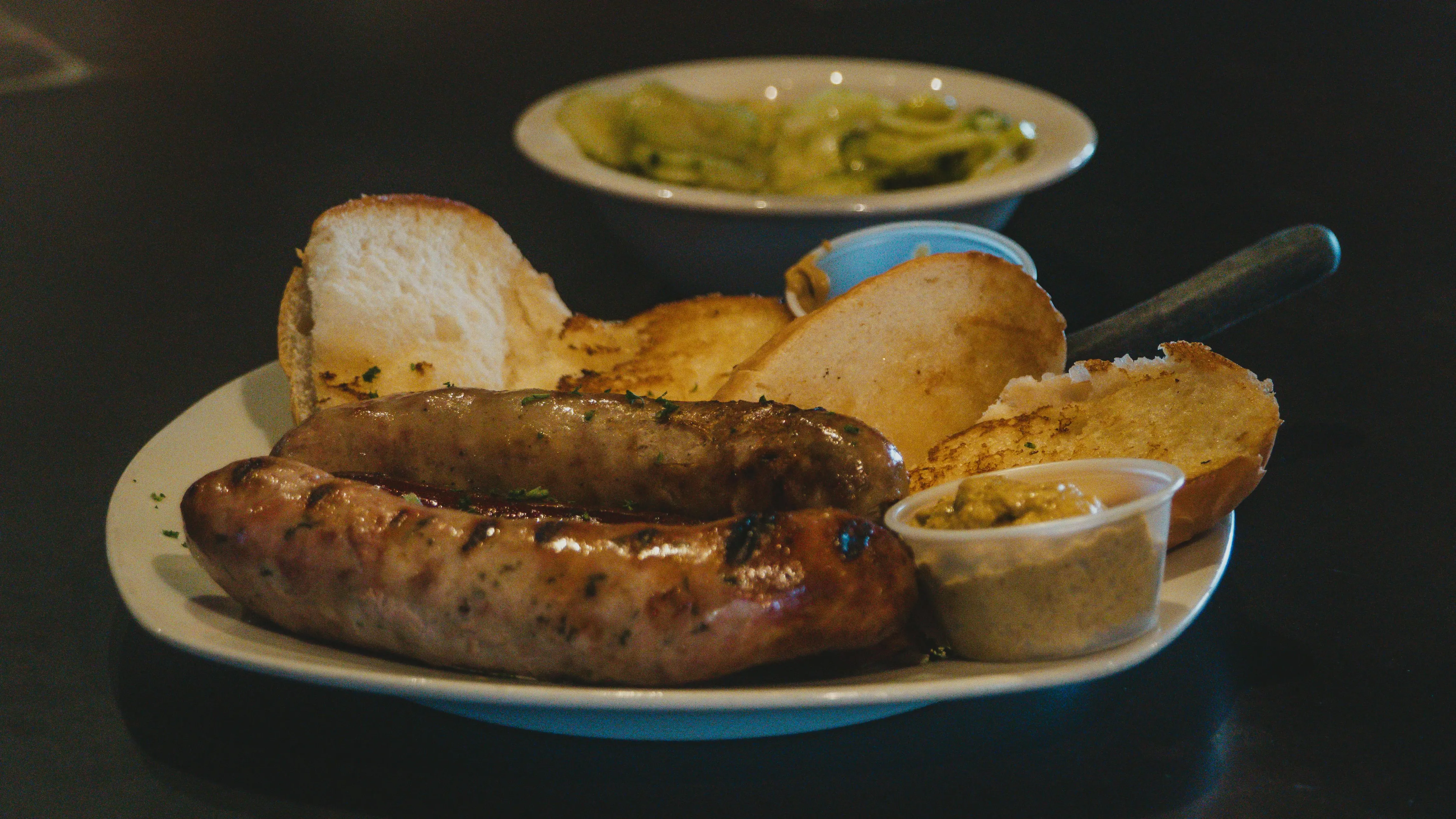
8. Pan Fried Breakfast Sausage Links
Sausage links sizzling in a skillet were a familiar sound in 1960s kitchens. They were served alongside eggs, pancakes, or even toast with jelly. The flavor was bold and peppery, and grease often pooled at the bottom of the pan. Paper towels were used to blot excess fat before serving. Meat-heavy breakfasts reflected the belief that a substantial morning meal fueled a productive day. As dietary guidelines shifted and concerns about saturated fat increased, sausage became less of a daily choice. Many modern families now reserve it for occasional breakfasts rather than a standard weekday plate. These savory links were a hearty centerpiece that brought everyone to the table.

9. White Toast with Plenty of Butter
White bread was king in the 1960s, and toast was a dependable breakfast companion. Slices were popped into metal toasters and spread generously with softened butter. Sometimes jelly or jam was added, but butter alone was common. The bread was soft, pale, and uniform, reflecting the era’s preference for processed convenience. Whole-grain options were not widely embraced yet. Toast is often accompanied by eggs or oatmeal, rounding out the meal. As whole wheat and artisan breads gained popularity, plain white toast lost its dominance. It remains available today, but it no longer defines the American breakfast table the way it once did.

10. Frozen Concentrate Orange Juice
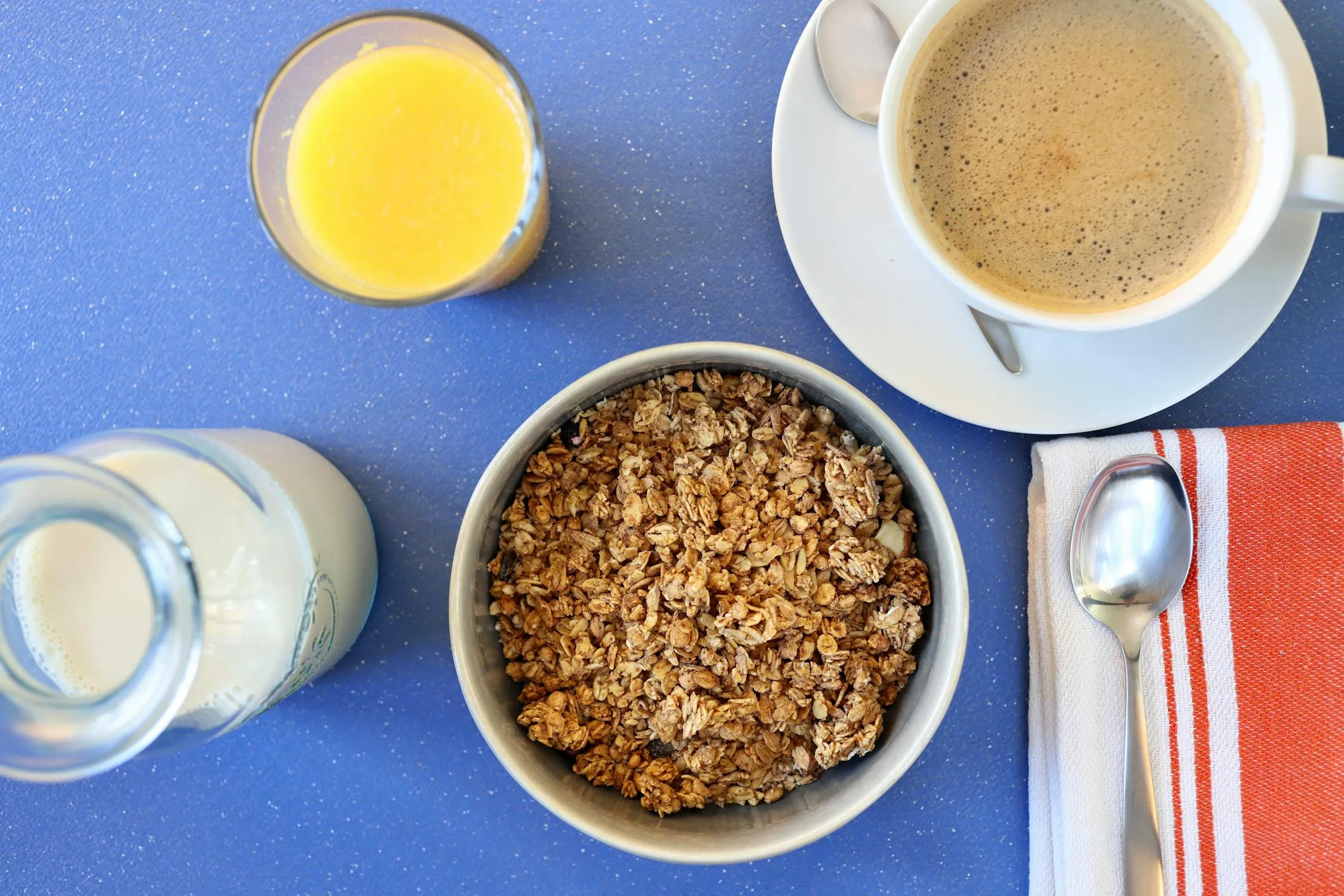
Many refrigerators in the 1960s held small cans of frozen orange juice concentrate. Mothers mixed the icy contents with water in a plastic pitcher and stirred until fully dissolved. It was affordable and convenient, offering a bright splash of color at the breakfast table. Fresh-squeezed juice was less common in average households. Advertisements promised vitamins and vitality in every glass. Over time, ready-to-drink cartons replaced concentrate in many kitchens. Today, some families still use it for cooking or for nostalgia, but it no longer has the same everyday presence it once did. It was a simple, chilly ritual that started the day with a tangy burst of flavor.
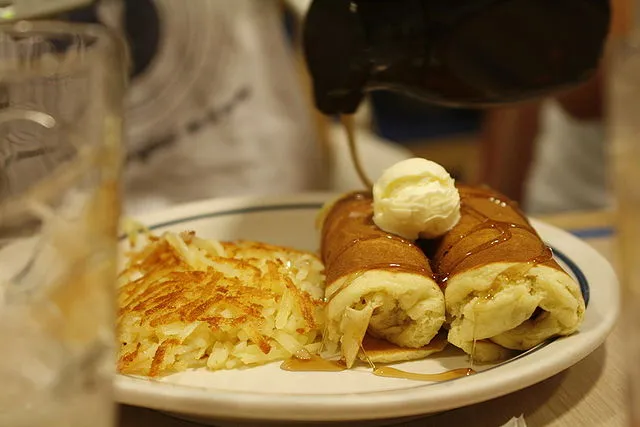
11. Sausage Wrapped in Pancakes
Long before frozen versions filled supermarket freezers, some families made their own sausage wrapped in pancakes. A cooked sausage link was placed inside a thin pancake and rolled up for easy handling. It combined sweet syrup and savory meat in one bite. Children enjoyed the novelty, and it made breakfast feel playful. Though similar products exist today, homemade versions have become less common. The shift toward individually packaged foods changed how this combination appeared on tables. In the 1960s, it was assembled fresh in the kitchen, reflecting a time when even creative breakfast ideas were still made by hand.
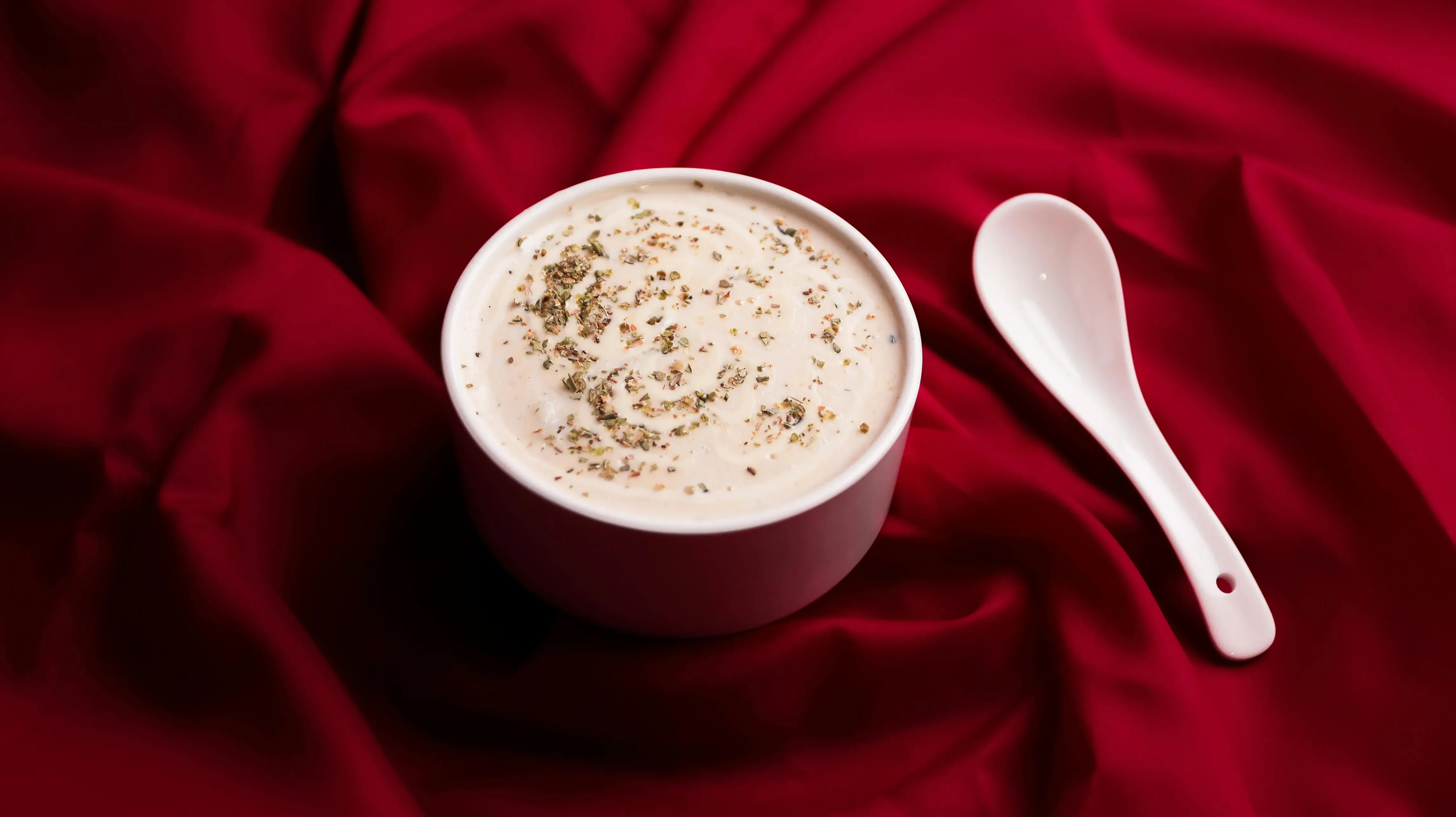
12. Cream of Wheat with Milk
Cream of Wheat was a smooth hot cereal that appeared frequently in 1960s homes. It cooked quickly on the stove and offered a mild flavor that welcomed sugar or a drizzle of milk. Parents appreciated its affordability and ability to stretch across several servings. Its texture was softer than oatmeal, making it appealing to younger children. Boxes often featured wholesome imagery that reinforced their reputation as a sensible breakfast choice. While it still exists, it no longer dominates morning routines the way it once did. Modern breakfasts have shifted toward cold cereals, yogurt cups, and portable options that require little preparation.
13. Thick Slices of Breakfast Ham
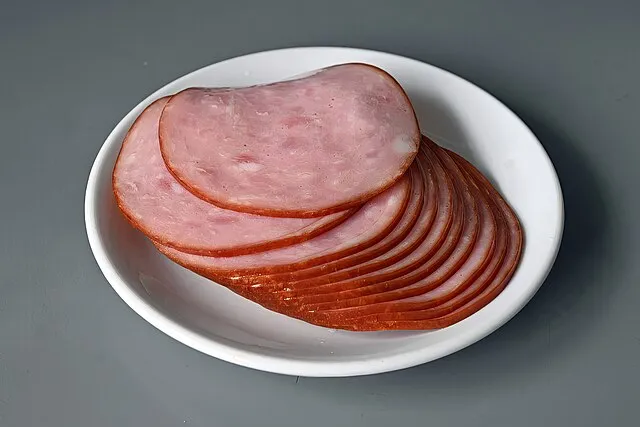
Breakfast ham was another protein-heavy favorite that appeared regularly on 1960s plates. Thick slices were pan-fried until lightly browned and served alongside eggs or toast. The flavor was smoky and slightly sweet. It reflected a time when meat was central to most meals, including breakfast. Leftover holiday ham often found its way to the morning table in the days that followed. As eating habits evolved and lighter breakfasts became more popular, ham became less common outside special occasions. It remains part of certain traditions, but it no longer defines the everyday American breakfast routine.

14. Sugared Doughnuts at the Table
Doughnuts were not only a bakery treat. In some 1960s households, they were placed directly on the breakfast table, especially on busy mornings. Powdered sugar clung to fingers, and crumbs scattered easily. They paired well with coffee for adults and milk for children. While not the healthiest choice, they reflected a relaxed attitude toward sugar that defined the era. Over time, increased awareness of nutrition reshaped morning habits. Doughnuts are still beloved, yet they are more often purchased on the go rather than arranged neatly at home for the entire family to share. They were a simple, sugary spark that made even the earliest morning feel like a special occasion.
15. Soft Boiled Eggs in Egg Cups
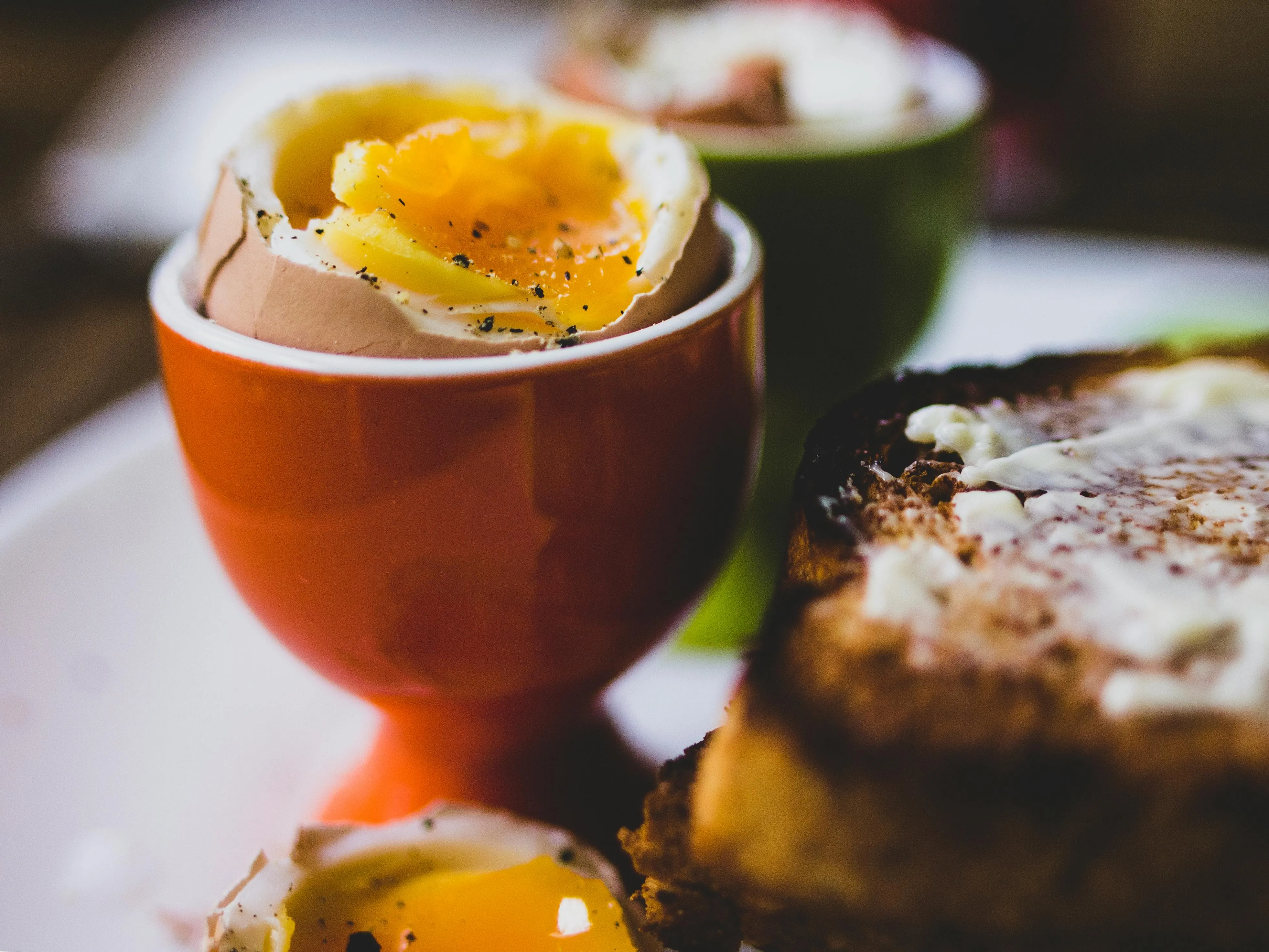
Soft-boiled eggs served upright in small egg cups were once a charming breakfast sight. The top of the shell was gently cracked, and toast strips were dipped into the warm yolk. It felt slightly formal, even on an ordinary weekday. Many households owned matching egg cups as part of their dish sets. Preparing them required careful timing to achieve the perfect consistency. As breakfast routines sped up, this delicate presentation became less practical. Today, soft-boiled eggs still appear in some kitchens, but the ritual of serving them in dedicated egg cups has largely faded from daily family life.
16. Cold Glass Bottles of Whole Milk
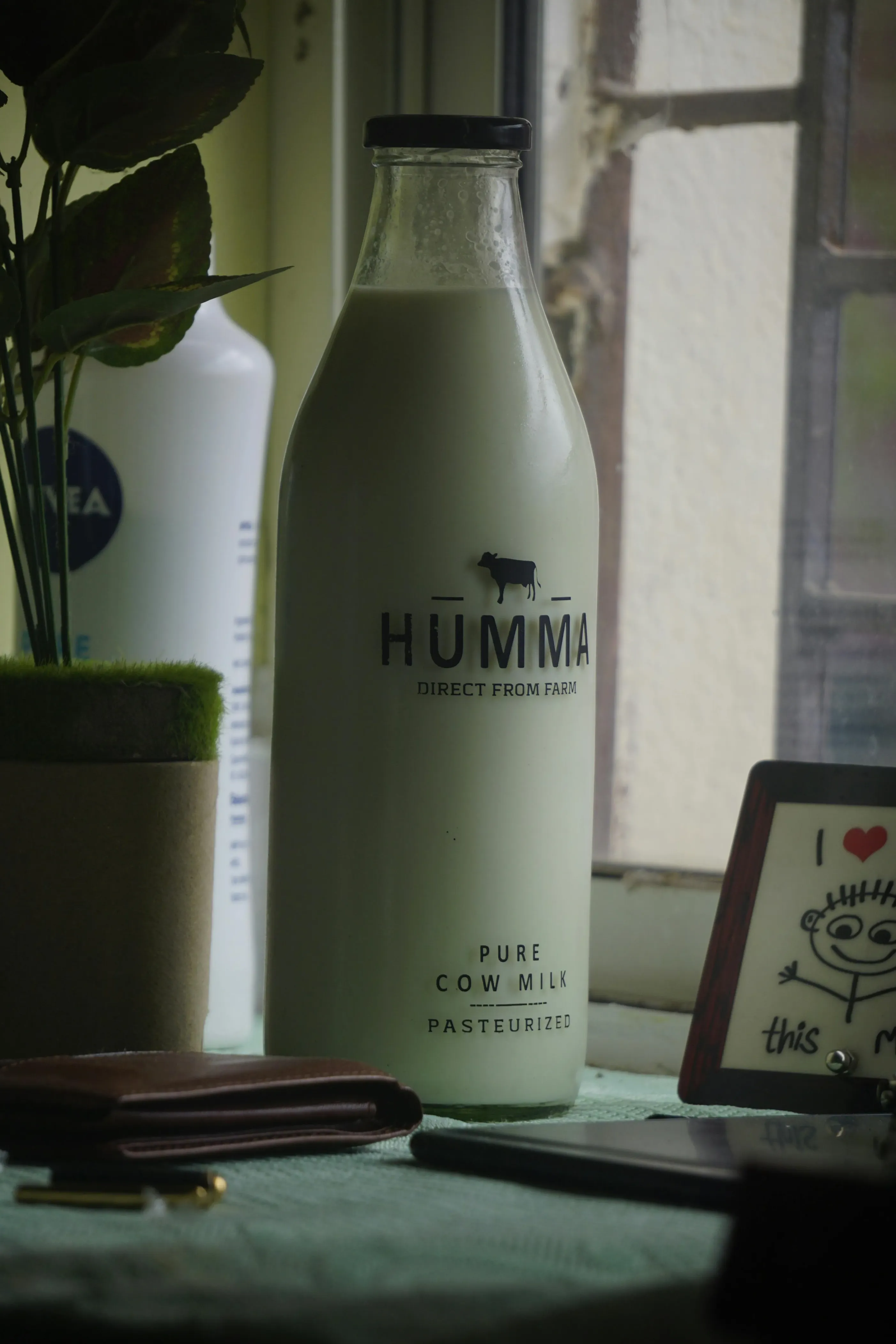
Whole milk delivered in glass bottles was a familiar presence on many 1960s breakfast tables. Children poured it over cereal or drank it straight from sturdy cups. Cream sometimes rose to the top, requiring a gentle shake before serving. Milk was considered essential for growing families, and few questioned its place at every meal. Delivery services left bottles on doorsteps early in the morning, adding to the daily rhythm. As cartons and plant-based alternatives gained popularity, glass bottles slowly disappeared. What was once an unquestioned staple has become a nostalgic reminder of a different era in American kitchens.