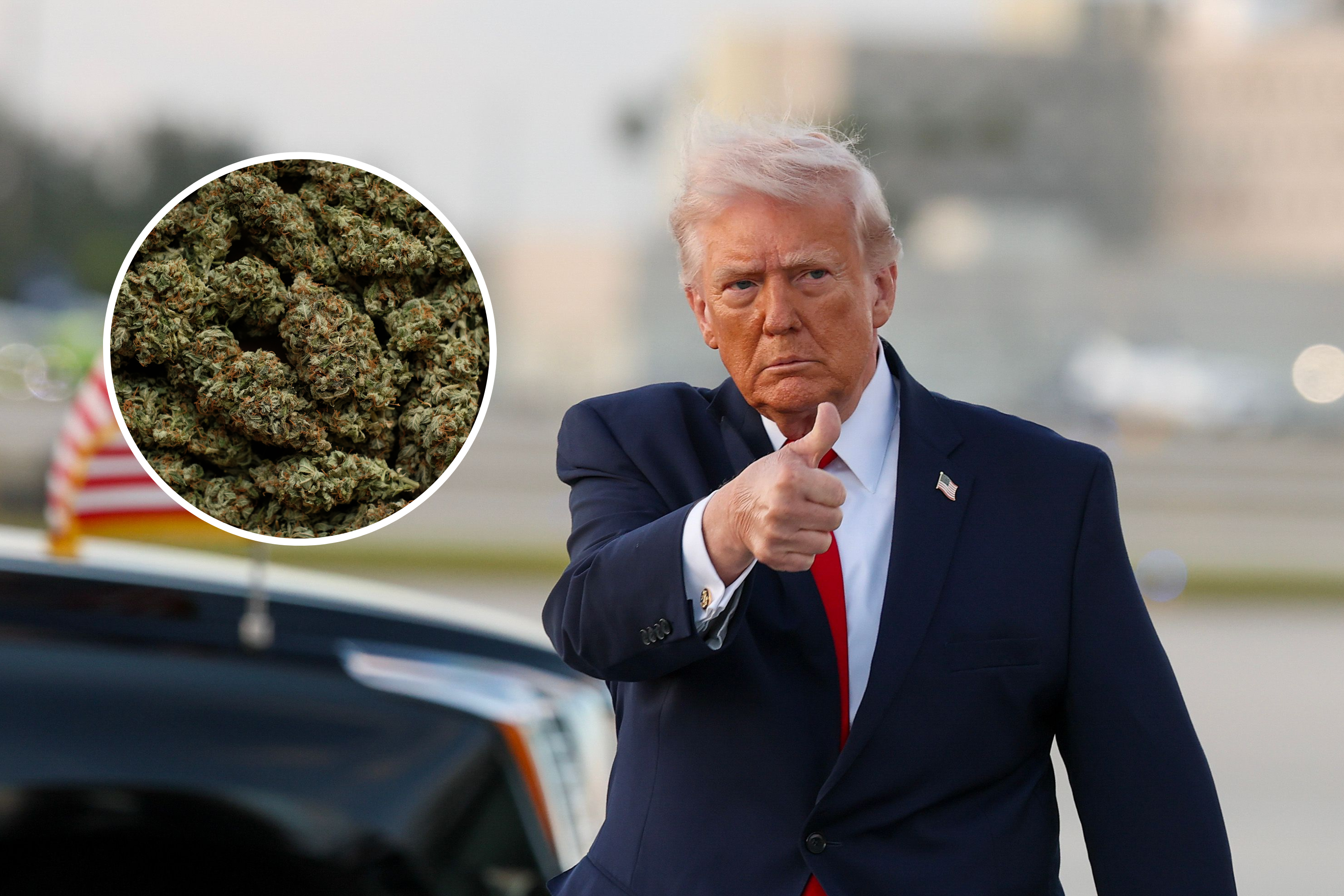
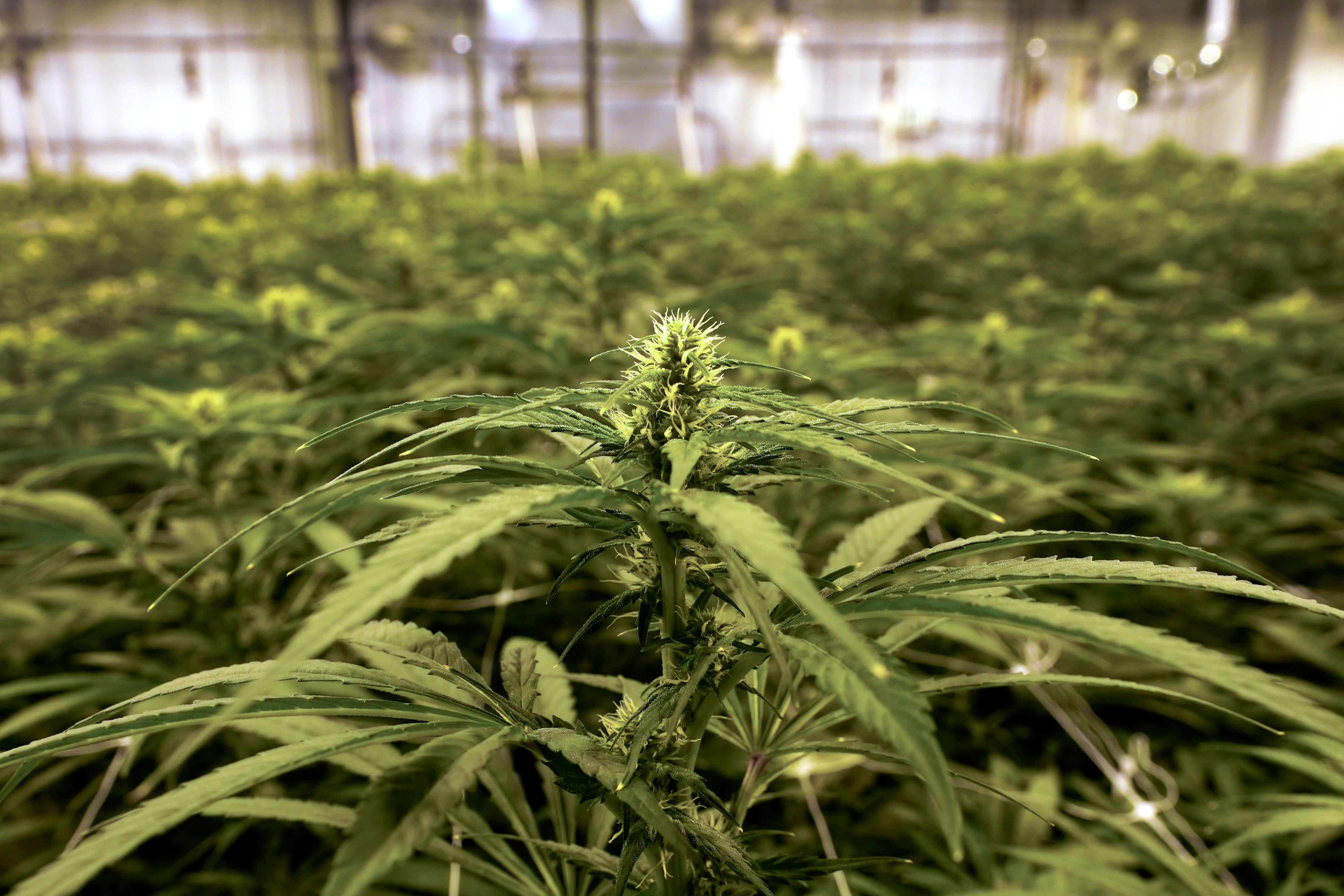
The Trump administration moved to boost medical research into marijuana Thursday by reducing federal regulation of the drug.
The expanded access for researchers will apply only to products approved by the Food and Drug Administration or by states that permit the use of medical marijuana.
The Justice Department announced that it would move those products from Schedule I of the Controlled Substances Act, for which research is restricted, to Schedule III. The Drug Enforcement Administration, which is part of the DOJ, regulates marijuana.
The department also announced it would schedule an administrative hearing on June 29 to expedite the process of rescheduling marijuana more broadly to Schedule III.
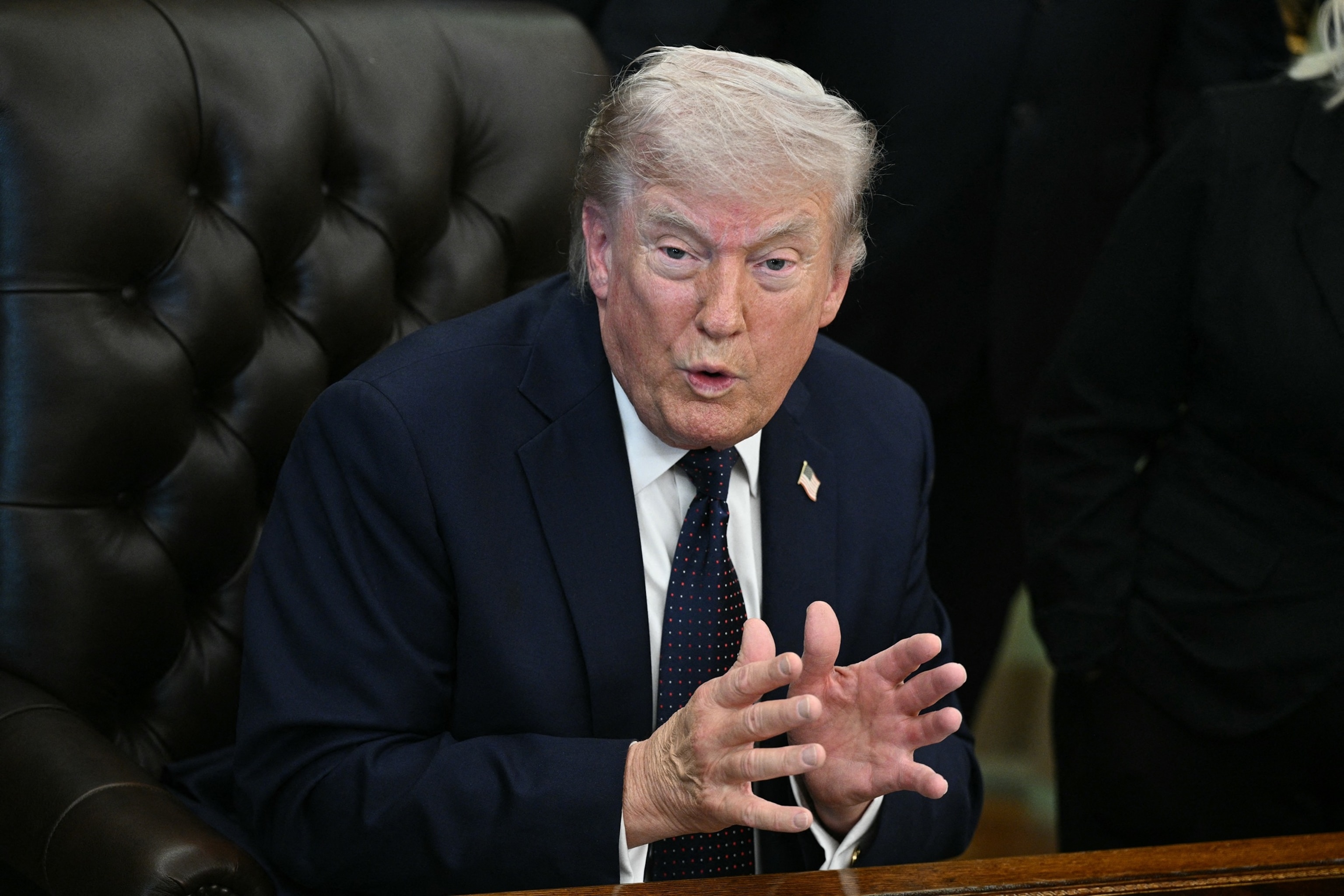
The rescheduling action comes roughly four months after President Donald Trump signed an executive order directing the DOJ to pursue marijuana reclassification.
The action is one of the most consequential federal marijuana policy changes in decades and could lend new legitimacy to regulated medical marijuana programs operating in more than 40 states.
“This rescheduling action allows for research on the safety and efficacy of this substance, ultimately providing patients with better care and doctors with more reliable information,” Acting Attorney General Todd Blanche said in a statement included in the release.
The FDA has not approved cannabis by itself for the treatment of any disease or condition, but it has approved one cannabis-derived drug product, Epidiolex, for the treatment of epilepsy, and three synthetic cannabis-related drug products: Marinol, Syndros and Cesamet for nausea stemming from chemotherapy.
Syndros and Cesamet were Schedule II drugs, Marinol was in Schedule III, while Epidiolex was removed from the controlled substances list six years ago during Trump’s first term.
Though the administration’s directive does not legalize marijuana under federal law, it’ll provide tax relief to marijuana companies.
In 2024, the Biden administration began the process of rescheduling marijuana, but the DEA had not completed its review by the time President Joe Biden’s term ended the following year.
Downgrading DEA oversight of marijuana has already drawn criticism from Republicans who oppose illicit drug use.
“Arkansans don’t want more dangerous drugs obtained more easily,” Sen. Tom Cotton (R-Ark.) wrote in a post to the social media platform X today in response to the DOJ’s announcement.
“A change to marijuana’s drug classification is a step in the wrong direction,” added Cotton, who, along with a handful of other Republicans, urged Trump to oppose marijuana rescheduling in December.
Kevin Sabet, CEO of Smart Approaches to Marijuana, which opposes the legalization of cannabis, said he supports more federal cannabis research but the cannabis industry is more likely than patients to benefit from the Trump administration’s decision.
“We're creating another tobacco industry in front of our eyes,” Sabet told POLITICO. “This is a day that the industry is rejoicing, because they're going to make a lot more money, and that's what it's all about.”
Cannabis companies are praising the change.
Kim Rivers, chief executive of Florida’s largest medical marijuana company, Trulieve, called it “the first ever meaningful policy shift related to cannabis in the history of America,” in a statement today.
Rivers, who has personal ties to Trump, helped persuade the president to include reclassifying marijuana in his December executive order. Trulieve has directed substantial funds to groups supporting Trump, including $750,000 to the president’s inaugural committee.
Howard Kessler, a billionaire financial services executive who founded The Commonwealth Project in 2019 to advocate for cannabis’ medical benefits, also championed the action in a statement shared with POLITICO. Kessler, a longtime friend of Trump’s, also influenced the direction of Trump’s December order.
“President Trump’s move of marijuana to Schedule III is more than a regulatory tweak — it’s a long-overdue correction that finally treats cannabis as medicine,” said.
CORRECTION: A previous version of this report misstated when President Donald Trump signed an executive order for marijuana reclassification.