Project Mohole and the Ocean Shortcut
Early on, researchers tried a clever shortcut by drilling through the ocean, where the crust is thinner. The U.S. launched Project Mohole in the 1960s to reach the moho, the boundary between crust and mantle, but costs and technical problems ended the effort after only a few hundred feet. The oceanic crust is younger and thinner, which made it the obvious first target, yet even that proved tougher than anyone expected.
The Kola Mission Begins in the Arctic
The Soviets picked up the gauntlet and started drilling on the Kola Peninsula in 1970, aiming to push farther than anyone before. They built a stepped system of narrow, nine-inch holes and kept upgrading tools as they hit new obstacles. Year after year they pushed deeper, planning an eventual goal that seemed almost unimaginable at the time.
Records, Snags, and a Tough Comeback
The Soviets shattered depth records in 1979 and kept going, but extreme wear and mechanical failures were constant threats. A twisted drill bit in the mid 1980s forced a two-year repair and a fresh start from 23,000 feet. Still, the team clawed its way to about 40,000 feet, a staggering achievement that came with longer delays and fading funding.
Heat, Plastic Rock, Fossils, and Water
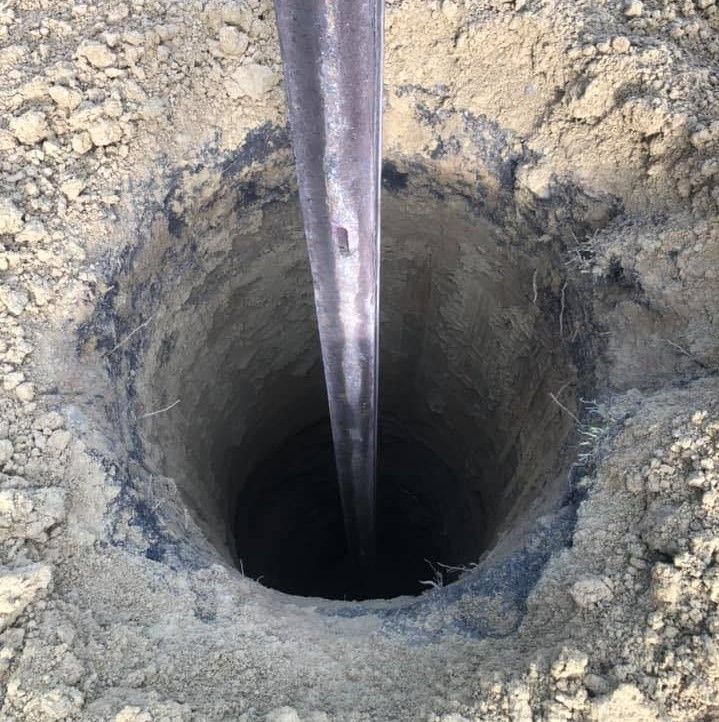
The deeper they went, the stranger the ground became. Temperatures climbed far past expectations, making the rock behave like plastic and the hole try to close itself whenever the drill came out. They also pulled up microscopic fossils and even found water trapped miles down, plus surprises about rock types that upended seismic assumptions. In the early 1990s the project shut down, capped and left as a curious, still-important piece of science history.
Taking Shortcuts
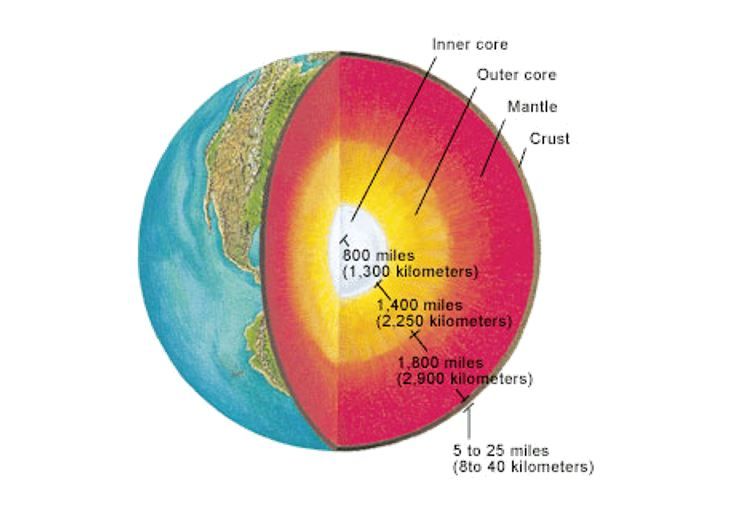
In the beginning, scientists took shortcuts to get closer to the core—by drilling through the sea. The Earth’s outer layer is made up of two types of crust: continental and oceanic crusts. The land lies on the continental crust and the oceanic crust sits under the sea floor. Because the continental sections are much older and thicker, they’re much tougher to drill through. The newer oceanic crust is only four to six miles thick, making it easier to reach the second layer through the ocean.
Project Mohole
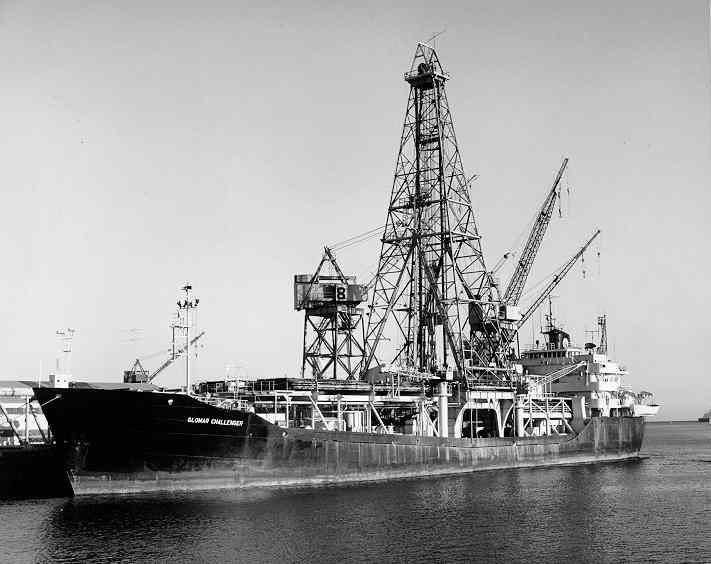
U.S. scientists led the first ever project of its kind, drilling into the ocean in the early 1960s. Just off the coast of Guadalupe Island, Mexico, their goal was to drill far enough into the Pacific Ocean that they could reach the boundary between the crust and the upper mantle. The project was known as the Mohorovičić discontinuity, or "moho", hence the witty name Project Mohole. Both sides had the same goal: to drill down deep and solve the mystery of the mantle. The Americans wanted to provide an underground counterpart to the space race and beat the Soviet’s efforts, but they weren’t as successful as they hoped.
Project Shut Down
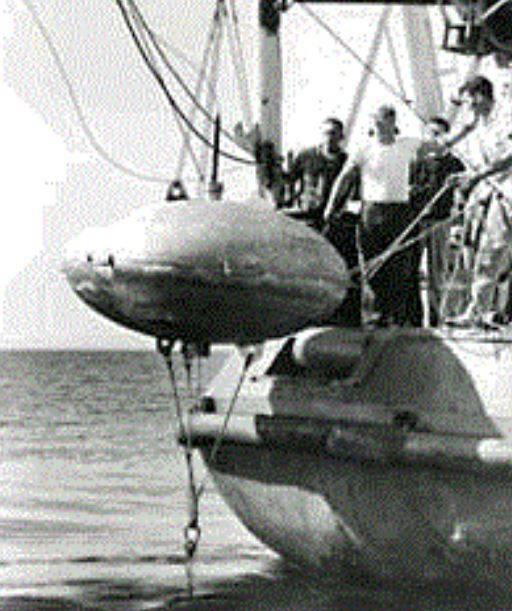
After five years of drilling, the project became too expensive and Project Mohole was abandoned hundreds of feet short of its goal. In 1966, the mission was defunded because the few hundred feet of digging cost the U.S. around $40 million in today’s money. The Americans only managed to drill to a depth of 601 feet into the crust, never reaching the mantle. This gave Soviet scientists the perfect opportunity to take the lead.
The Russian Mission
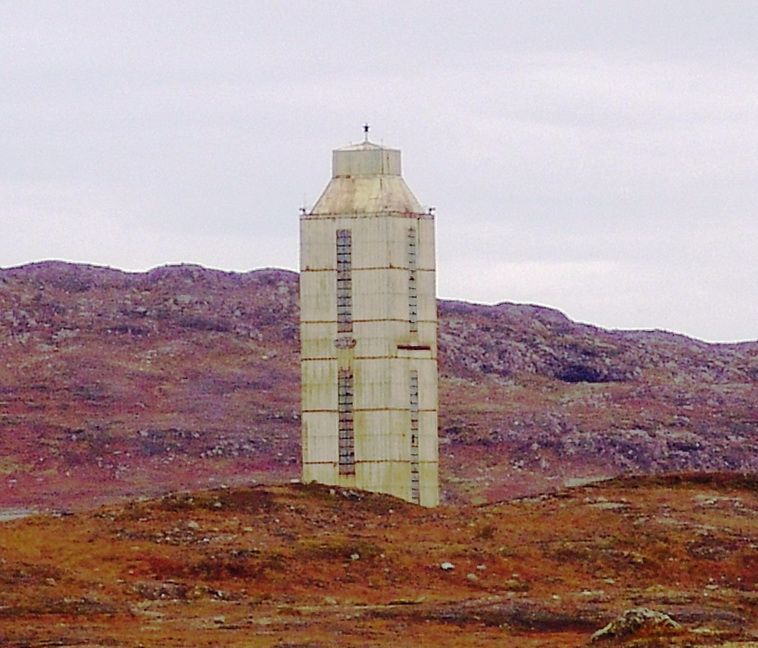
Soviet scientists were much more persistent—they wear eager to beat the American team who abandoned their project four years prior. In Spring 1970, the Soviet team began their mission—this time drilling into the continental crust of the Arctic Circle. On May 24, 1970, researchers began drilling into the Kola Peninsula, in the ground below the Pechengsky District of Murmansk, Russia. The goal was simple: drill as far as their tools and technology would allow them to, reaching further than the Americans’ previous efforts of 600 feet. Seems easy enough, right?
Into The Ground
The Soviet's mission became known as the Kola Superdeep Borehole. But before they could get started, they needed to develop special equipment for drilling to measure their findings because they were making huge advances in geology. Creating a series of several nine-inch holes, all branching from one central hole in the ground, they began drilling. But two years and 23,000 feet later, they had to modify their tools again so they could drill even further through the rocky earth.
Ambitious Goal
In 1974, they installed their new equipment and updated their goal to be even more ambitious at a staggering 49,000 feet deep—a depth that no one had ever been able to reach before. While the Soviets were slowly making progress, the two rival nations were taking turns in their race to uncover the Earth’s interior. But the Americans weren’t giving up on their exploration and they were about to set their own record.
The American Effort
In the same year, the Lone Star Producing Company in Washita County, Oklahoma began drilling for oil. In just a year and a half, they managed to create the "Bertha Rogers Hole", a man-made well reaching almost six miles, or 31,441 feet deep. This became the deepest hole on the planet, but not for long. Lone Star was forced to shut their project down after hitting a dangerous sulfur gas deposit, but the Americans held the record for five years—until the USSR re-joined the so-called Rock Race with a vengeance.
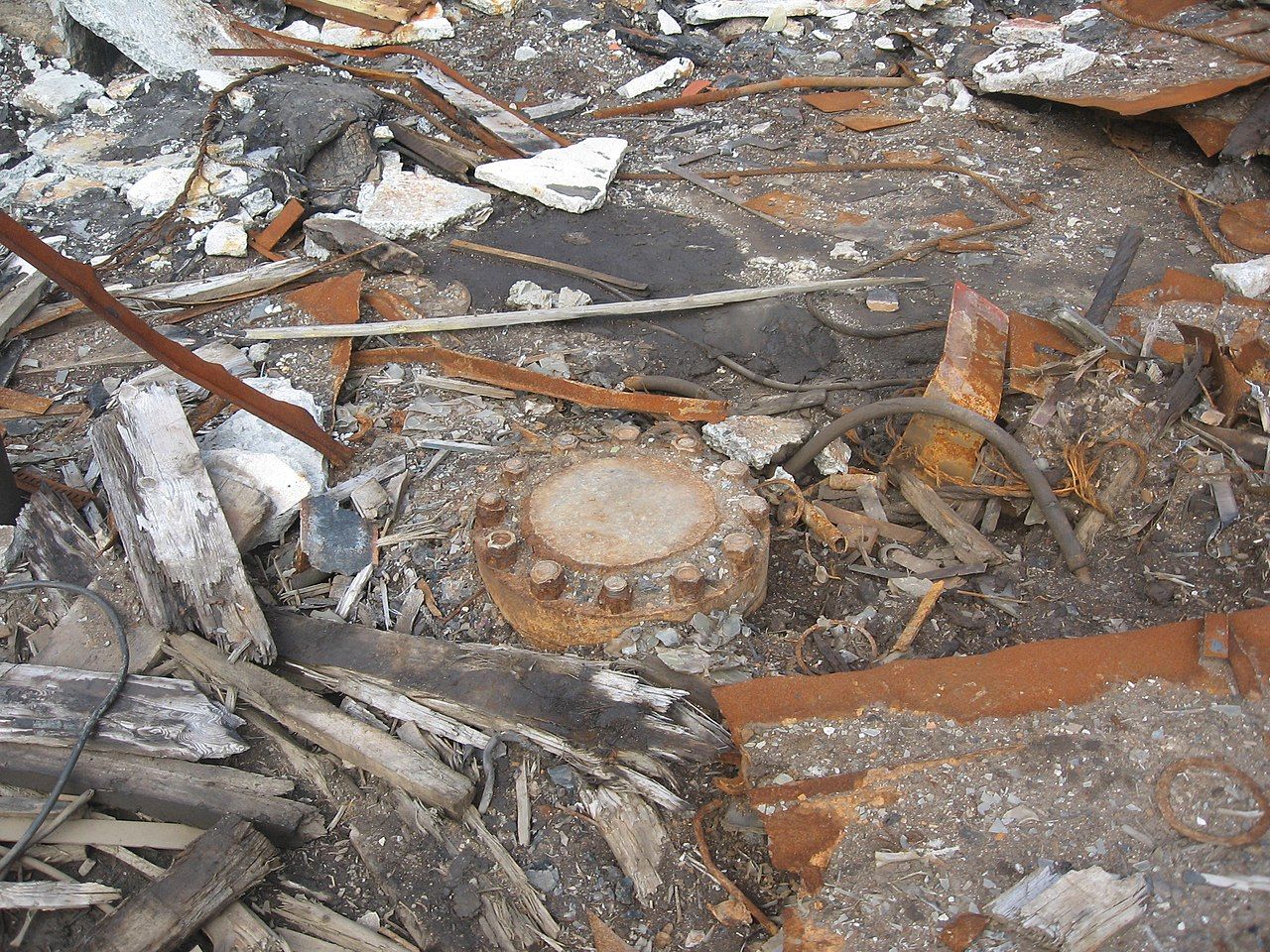
Kola Superdeep Borehole
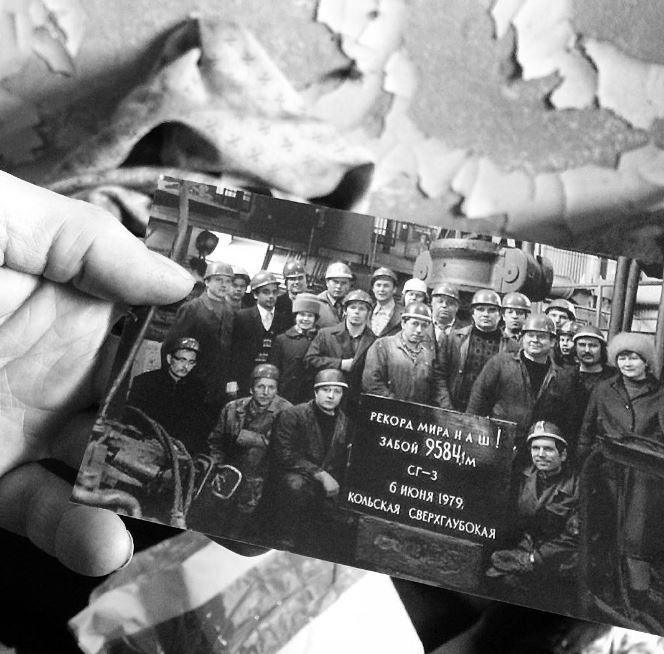
On June 6, 1979, the record set by the Oklahoma team was smashed by the Soviets. The first original borehole drilled in the Kola peninsula, named SG-3 plunged further into Earth than ever before. By October 1982, the same hole, just nine inches wide, reached a staggering 38,261 feet into the ground. The following year a second branch was drilled, connecting to the original borehole. But once the drill surpassed 39,000 feet in the second location, the researchers were forced to put a hold on their project.
A Pause in Operations
After achieving this milestone, the team downed their tools temporarily, to allow both scientific research and celebrations at the site. The drill was still 10,000 feet short of their goal, but work was suspended. They halted drilling for one year while people came to visit and in 1983, the site was featured in a geological exhibition. Following the celebrations, the experiment restarted. But when they came back to restart drilling, a whole host of technical problems forced them to grind to a halt again.
Breakdown and Back Again
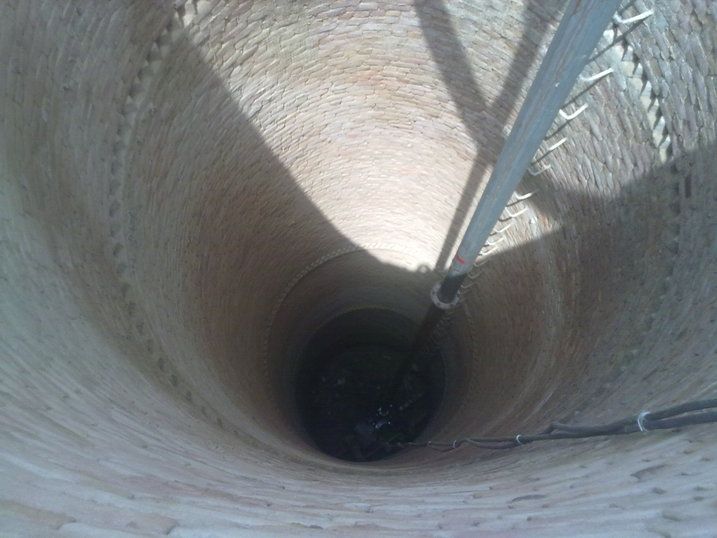
In September 1984, after reaching another record-smashing 39,687 feet, the drill broke down. A huge section twisted off and it took two years to repair the damage. New equipment had to be built again, but drilling so deep into the ground came with its own set of problems. However, the Soviet researchers weren’t going to be defeated. So, they abandoned their previous borehole and began again from the center at 23,000 feet. After three years of successful work, they managed to reach a record of 40,230 feet. That’s 7.5 miles into the Earth!
Something Unexpected
Their new record meant they were on target. Feeling encouraged, the workers expected the total depth to reach 44,000 feet by 1990. They were optimistic that they’d reach their big goal of 49,000 feet by 1993, but they ended up facing more equipment breakdowns after creating a third and fourth borehole. As the progress was becoming slower, people started losing faith in the project. Even still, they kept going. But they weren't prepared for what was lurking in the tundra below. It was going to make their mission a lot more difficult.
Things are Heating Up
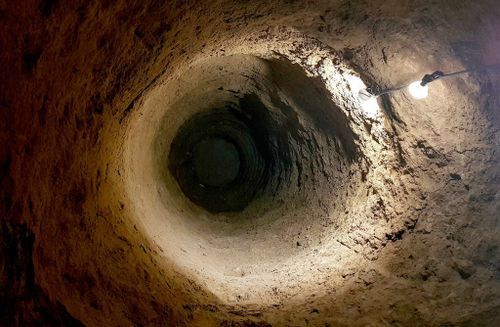
Under the ground, things can be unpredictable. Temperatures vary, and for the first 10,000 feet of their dig, the rock adhered to what the researchers expected to find. However, the deeper they went, the hotter it got. The temperature increased as they drilled further toward the mantle and at 40,000 feet, they predicted the rock would reach 212°F. The scientists were shocked when instead, the hole heated up at a much faster rate—to a staggering 356°F!
Strange Discovery
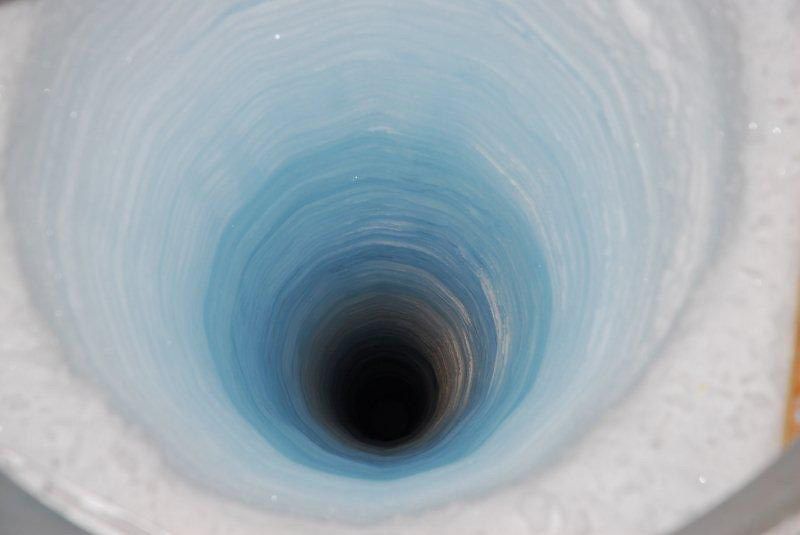
But that wasn't their only discovery. They had entered literally new ground and were making more discoveries the further they dug into the hole. The researchers also found that the rock at this depth was much less dense than they’d expected—resulting in a completely unpredictable reaction. Intense heat and pressure completely changed the texture and density of the hole, and it began acting more like plastic than rock. This plastic-like texture at a super high temperature meant it was almost impossible to drill through.
Mission Abandoned
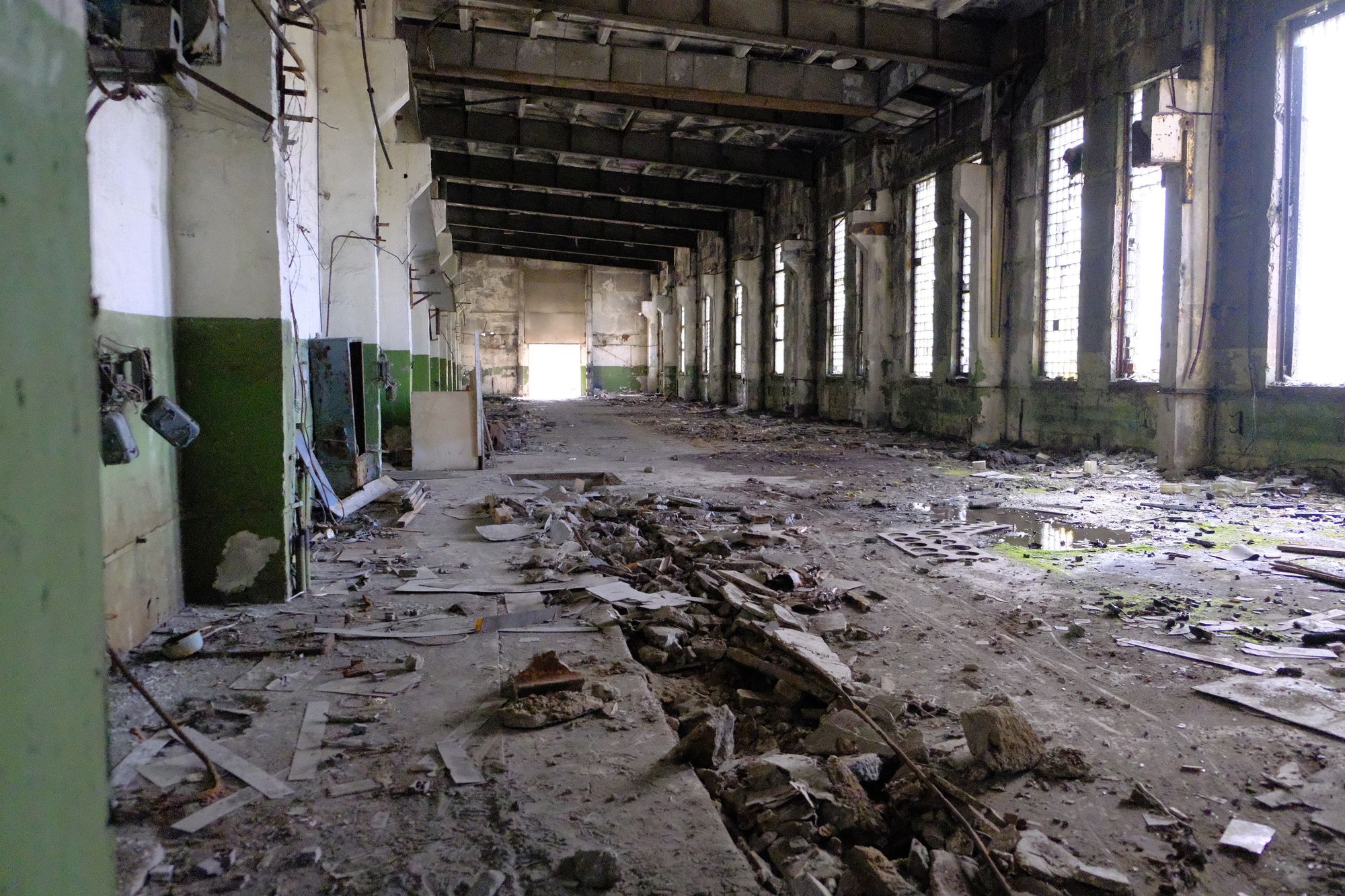
The team knew that their equipment could not handle such unpredictable changes. Temperatures at the bottom of the Kola Superdeep Borehole had exceeded 300°F! The drill parts began to change shape and the rock was so plastic that the hole started to shut whenever the drill was taken out. Despite having made discoveries at a depth never accomplished before, the researchers knew their journey to the center of the Earth was over. And by 1992, 22 years after the ambitious project began, it was abandoned.
Long Mission
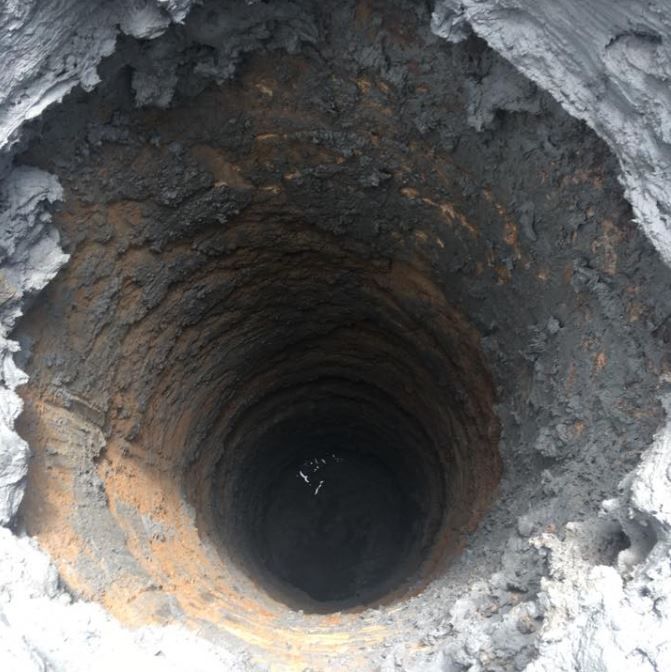
The team at Kola had been digging on and off for 22 years. Before their expedition, the study of the Earth was usually limited to seismic activity in tectonic plates and observation of the planet’s surface. The Kola Borehole allowed scientists to put geological theories to the test for the first time through a direct look inside the Earth. At its deepest point, the Superdeep Borehole reached 7.5 miles into the Earth’s crust. However, their goal to reach the mantle was still far from being achieved, as it's believed that the mantle doesn’t start until about 22 miles below the surface.
Miles to Go
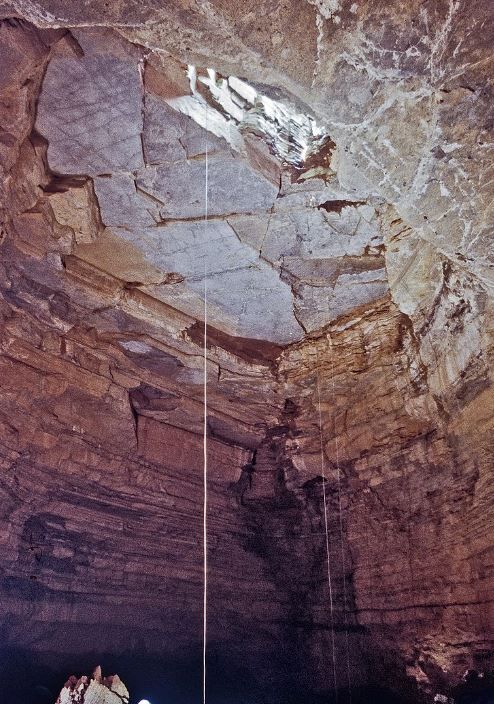
It took them 22 years to reach this far into the ground, but the drill only made it one-third of the way into the Earth’s crust before the project was stopped abruptly. The distance they dug is deeper than an inverted Mount Everest, but considering the Earth’s 7,918-mile diameter, they barely scratched the surface—literally. The hole at its furthest point was only ever nine inches wide, but the persistent and difficult drilling process was worth it to make this the deepest hole on the planet.
Other Discoveries
It wasn’t all for nothing, though. Researchers learned some fascinating and truly valuable lessons about the Earth’s geology before they sealed up the hole for good. Like the discovery of biological activity under the ground! They had clear evidence that there was life under the surface, billions of years ago. The hole was too small for anything other than the drill bit to fit into, so nobody was ever able to go inside. But this didn’t stop the researchers from making an intriguing discovery almost halfway down.
Life Underground?
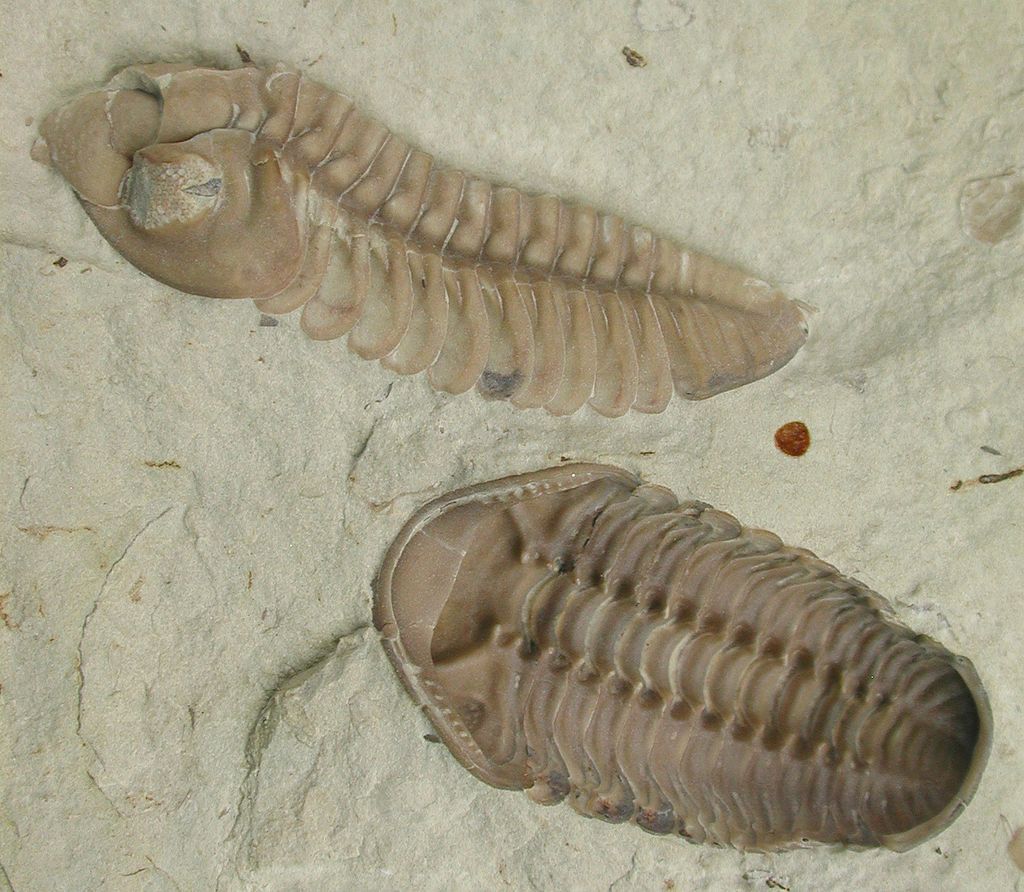
Halfway into the cavern, the researchers were able to find tiny microscopic fossils almost four miles below the surface of the Earth. They ended up finding evidence of 24 species of single-cell plankton microfossils. What’s even more surprising is they were still remarkably intact, considering that the rock they were encased in was thought to be over two billion years old! But it was at the deepest point of the cavern that the most groundbreaking discoveries were about to be made.
Groundbreaking Discoveries
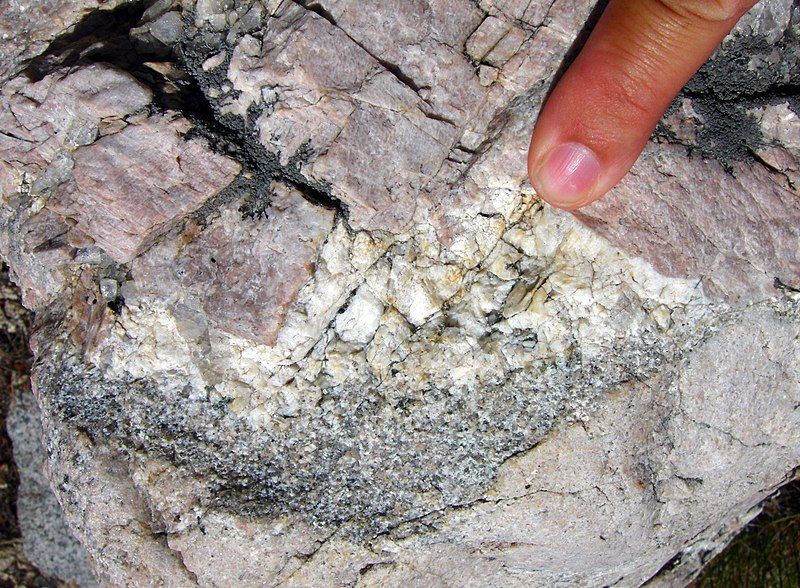
Before these holes were drilled, experts used seismic waves to determine the kind of rock inside the Earth. Scientists previously believed that the rock of the crust gradually shifts from granite to basalt rock at around two to four miles below the surface. The Soviet scientists were surprised when they found that this trend wasn’t the case in the Kola Peninsula. Instead, they found that the rock composition was made from only granite, even at the furthest point to the earth’s core. This helped them learn about metamorphic differences within the rocks. But they were about to have their biggest discovery yet—they were going to uncover something extraordinary buried deep within the earth’s crust.
Subterranean Water
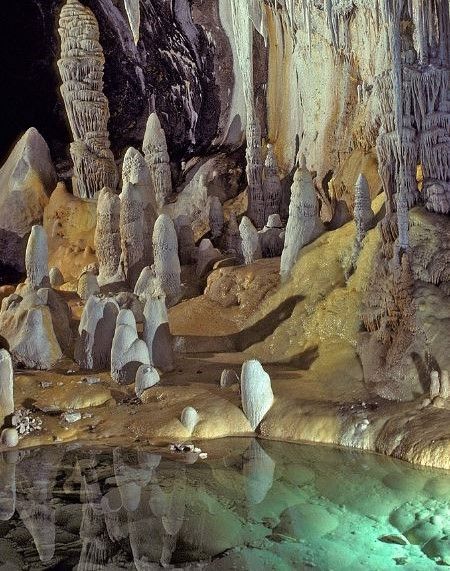
Arguably the most astonishing discovery was when they found flowing water, several miles deep where they didn’t think water could be found. This was a finding no one had expected, and some people even believed that the discovery of water inside the Earth proved the Bible is true! The researchers of course had a scientific explanation, believing that subterranean water was formed as a result of strong levels of pressure forcing oxygen and hydrogen to be squeezed out of the rock crystals. After this, impermeable rocks meant the water could no longer flow and the newly formed water was trapped within the rock below the earth’s surface.
Leaving Kola Behind
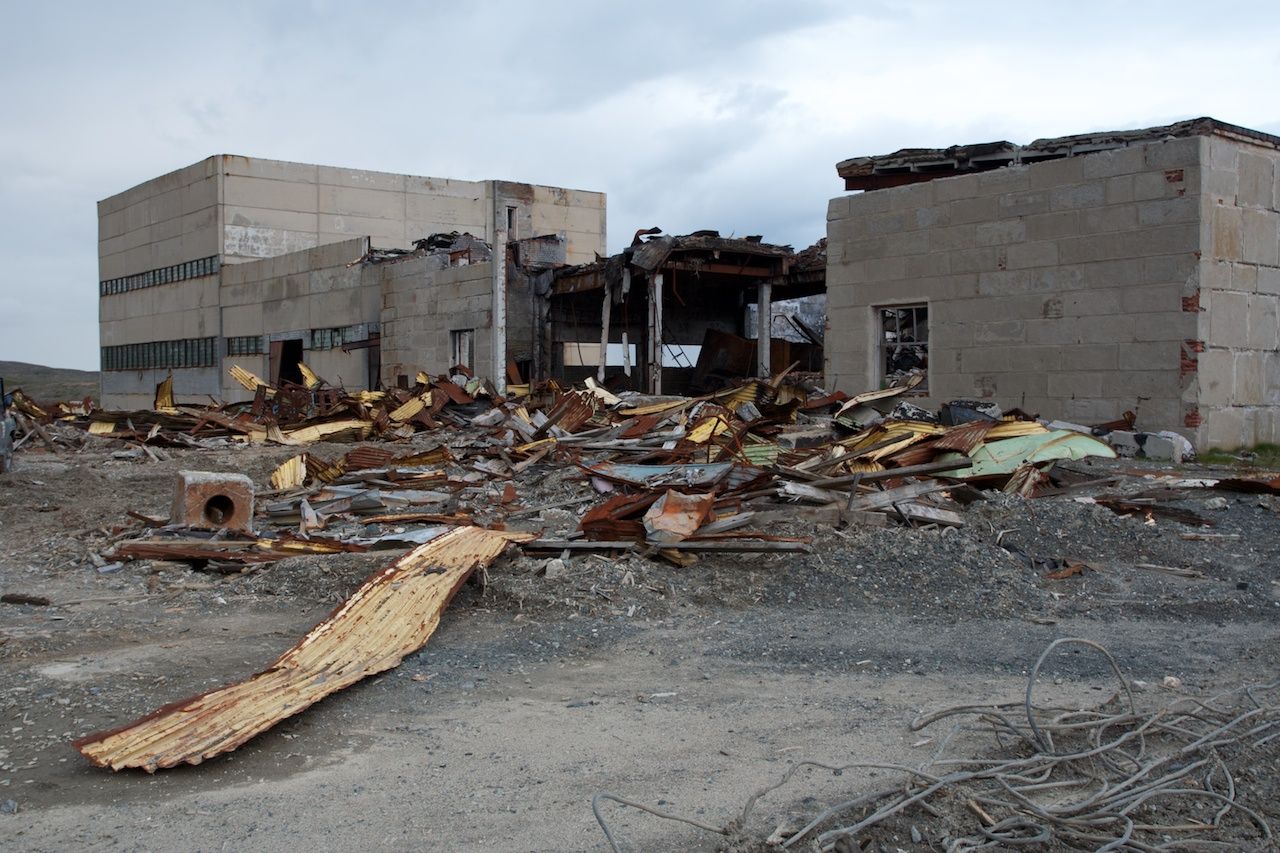
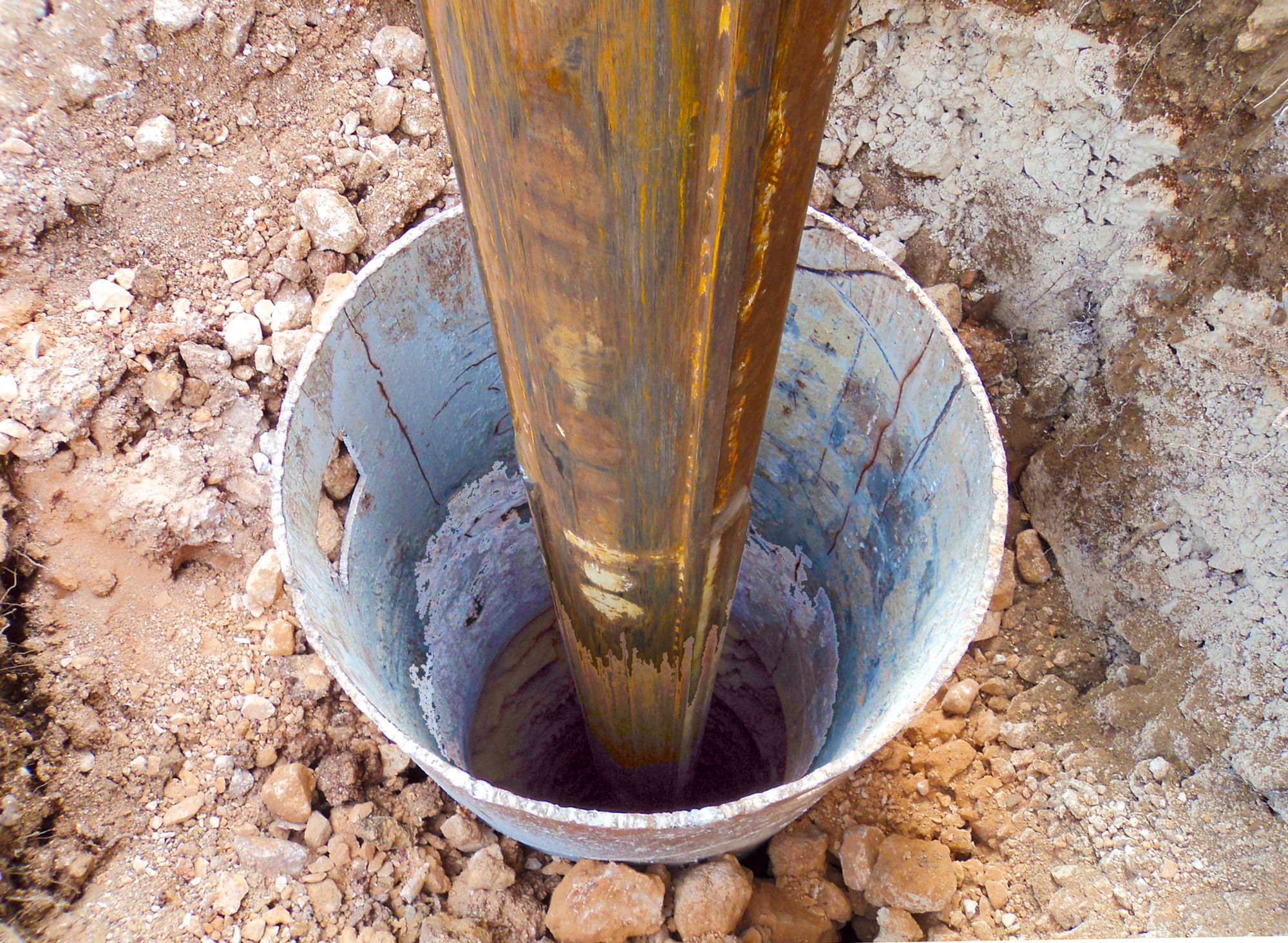
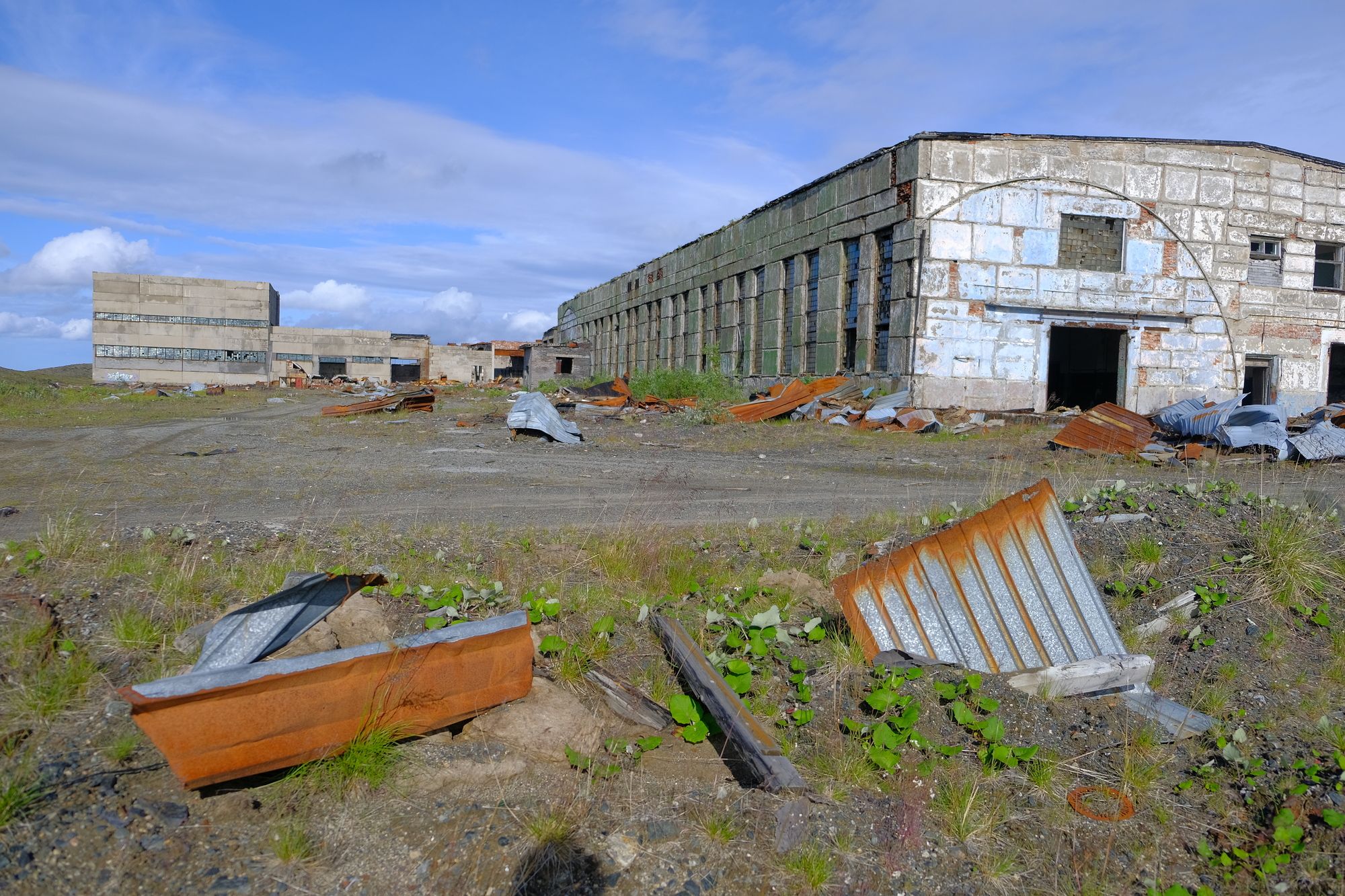
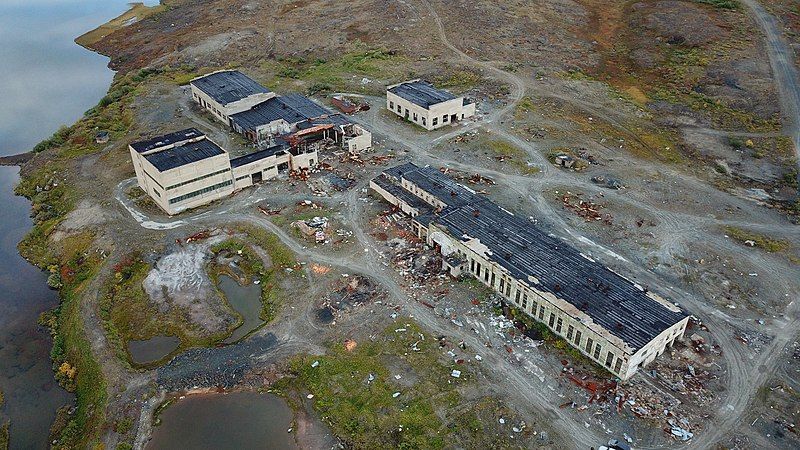
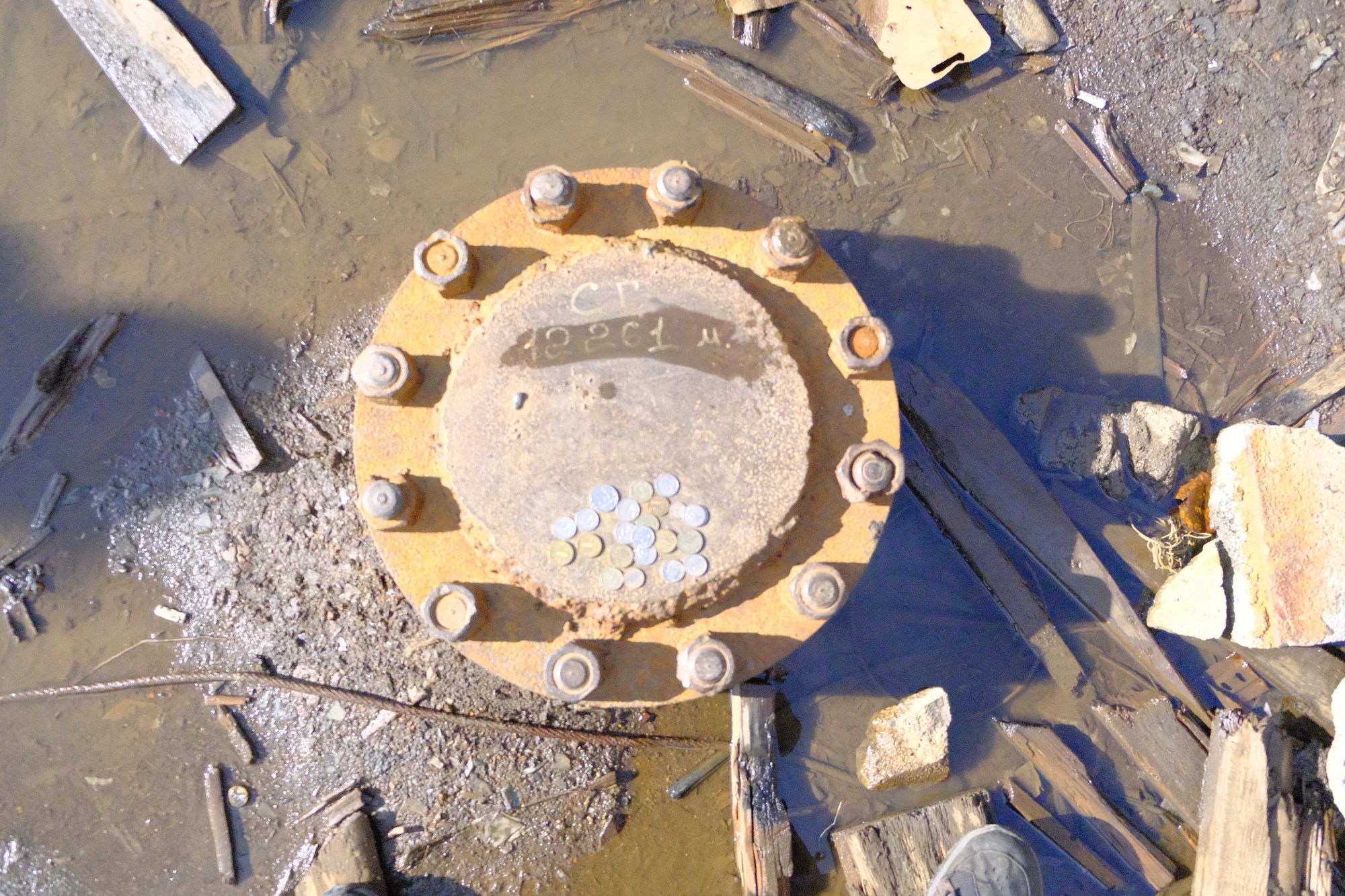
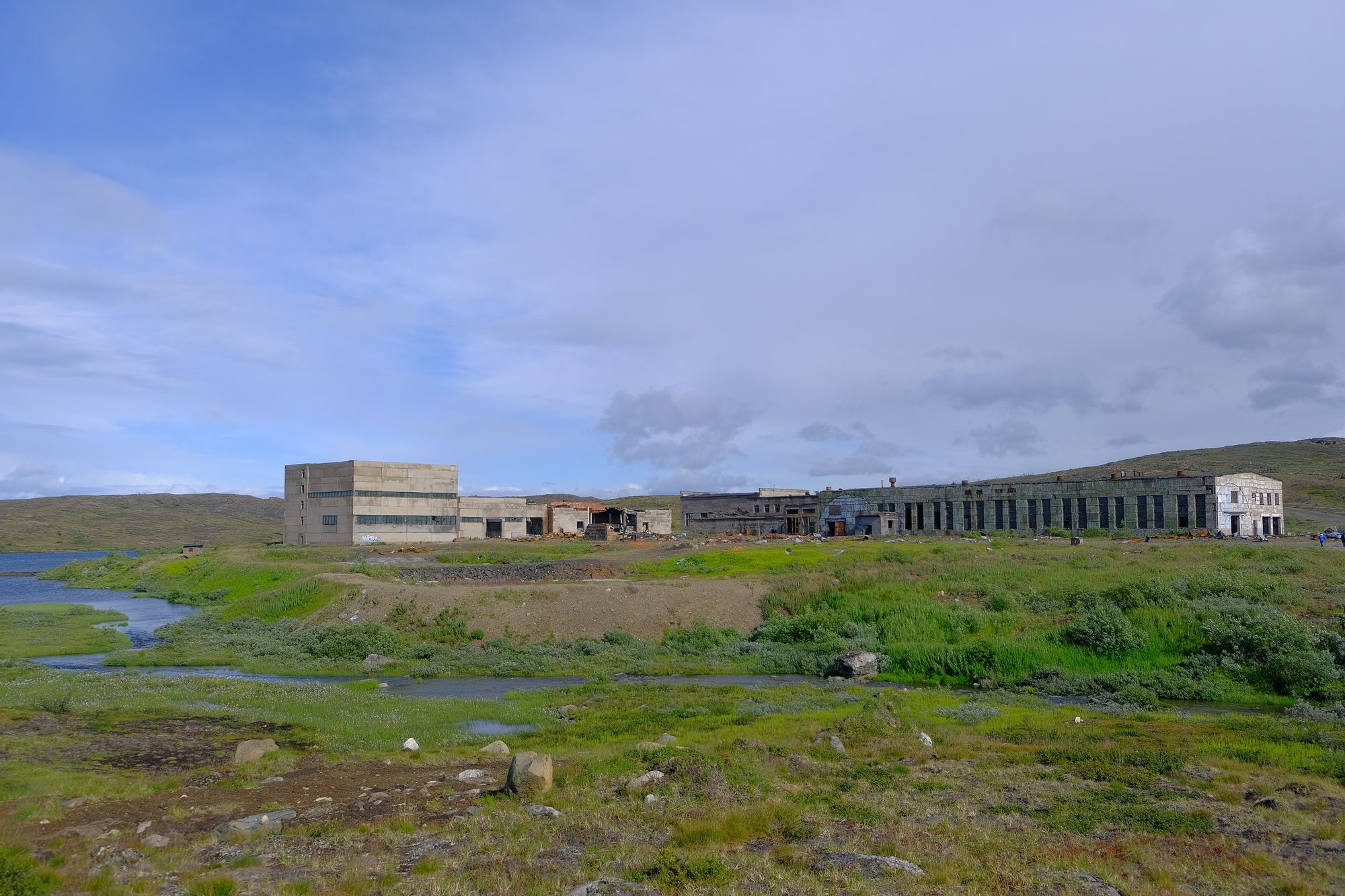
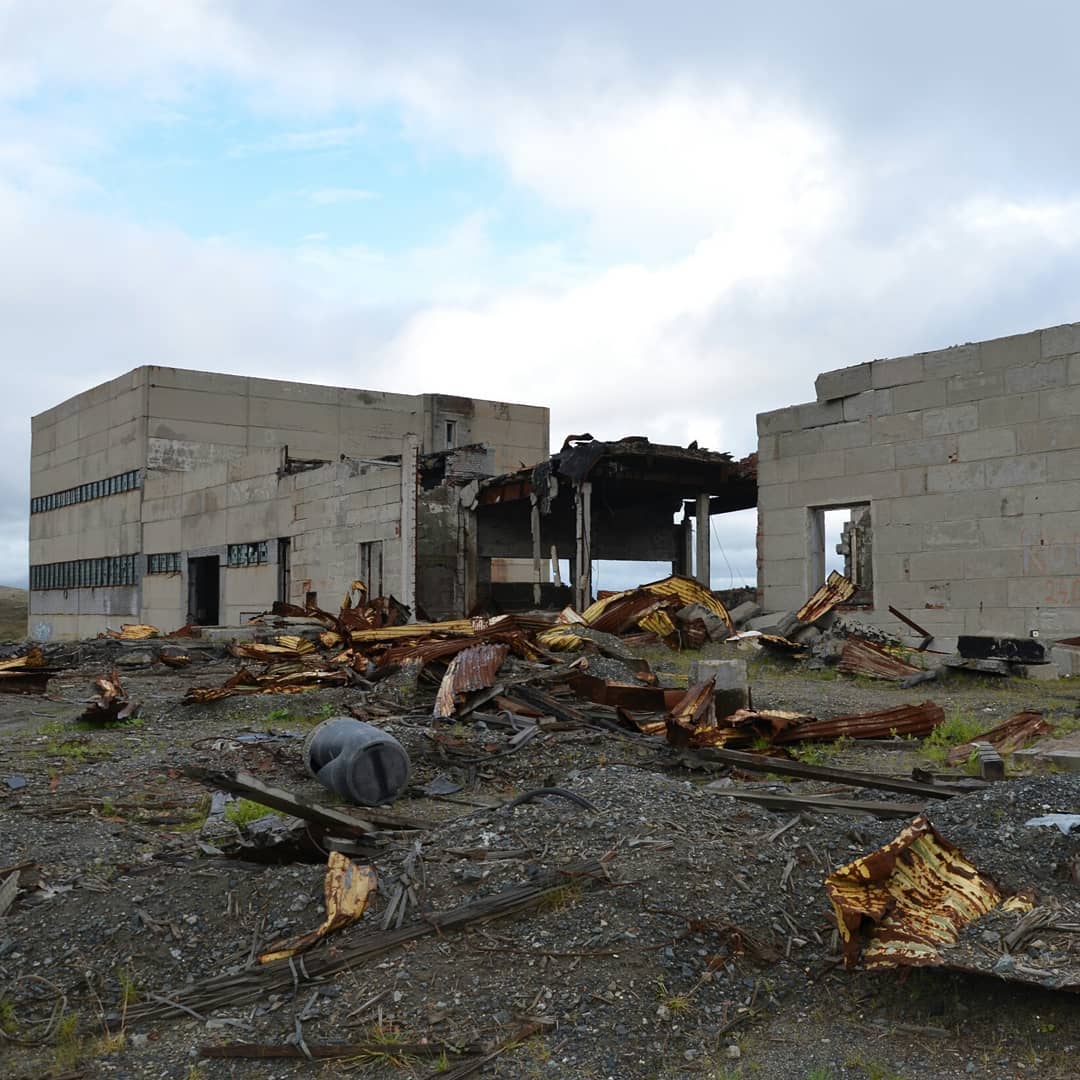
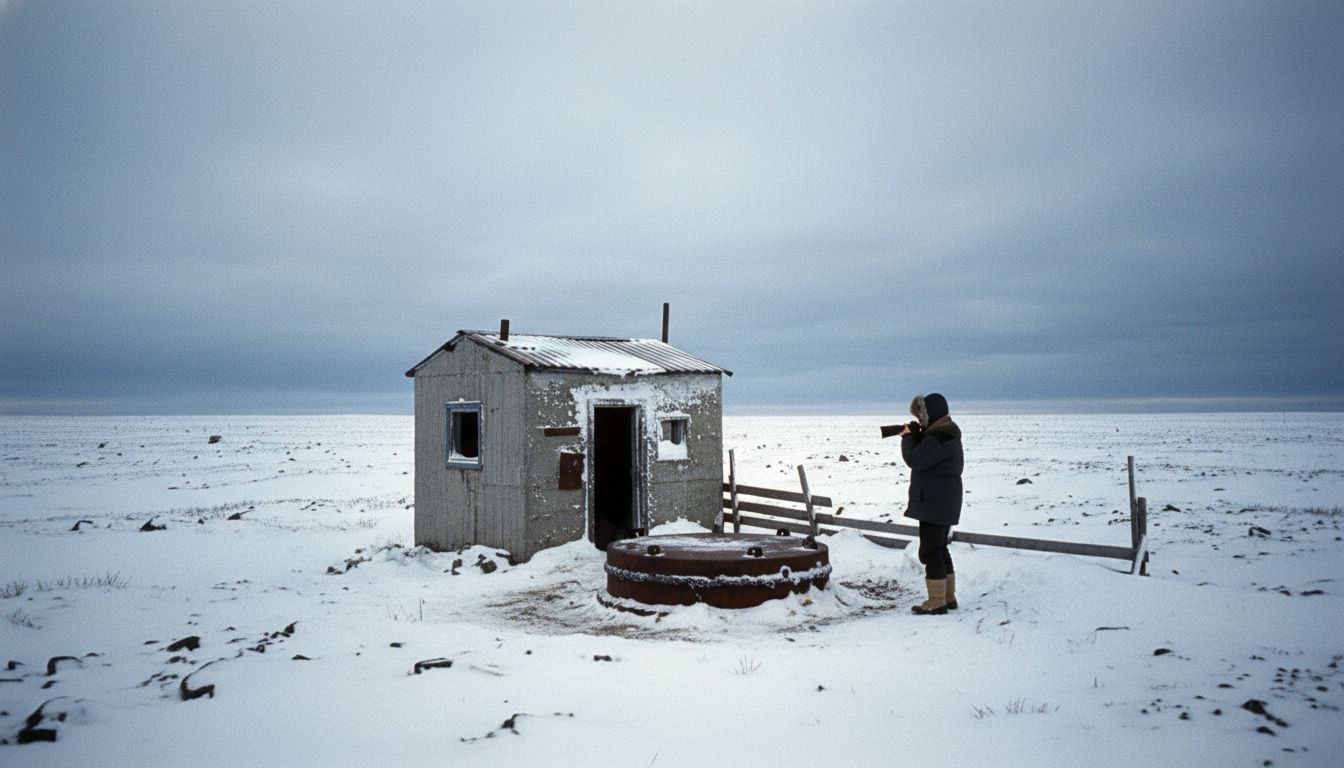
With all these discoveries made, the team left the project behind. The timing of the closure of the Kola Superdeep Borehole coincided with the fall of the Soviet Union, so funding for fundamental scientific research subsided. Drilling deeper was finally deemed unfeasible and was stopped in 1992 and the project was shut down permanently in 1995. The hole is now closed with a welded metal plate. Today, the site just looks like a crumbling building and a metal cap, sealing what remains a hugely important part of history.
What Still Remains
The Kola Superdeep Borehole is located six miles north of the town of Zapolyarny, in Murmansk Oblast, Russia. Today, 30 years later, the site bordering Norway is still flagged as an environmental hazard. But visitors can still come to the sparsely-populated town to see relics saved from the revolutionary Soviet experiment. The caps sealing the individual boreholes are still visible, but it looks like they won’t be opened any time soon. The estimated depth of the structures beneath the crust means that despite the 22-year effort, the Soviets only managed to drill 0.02% of the way to the center of the Earth.
Legendary Expedition
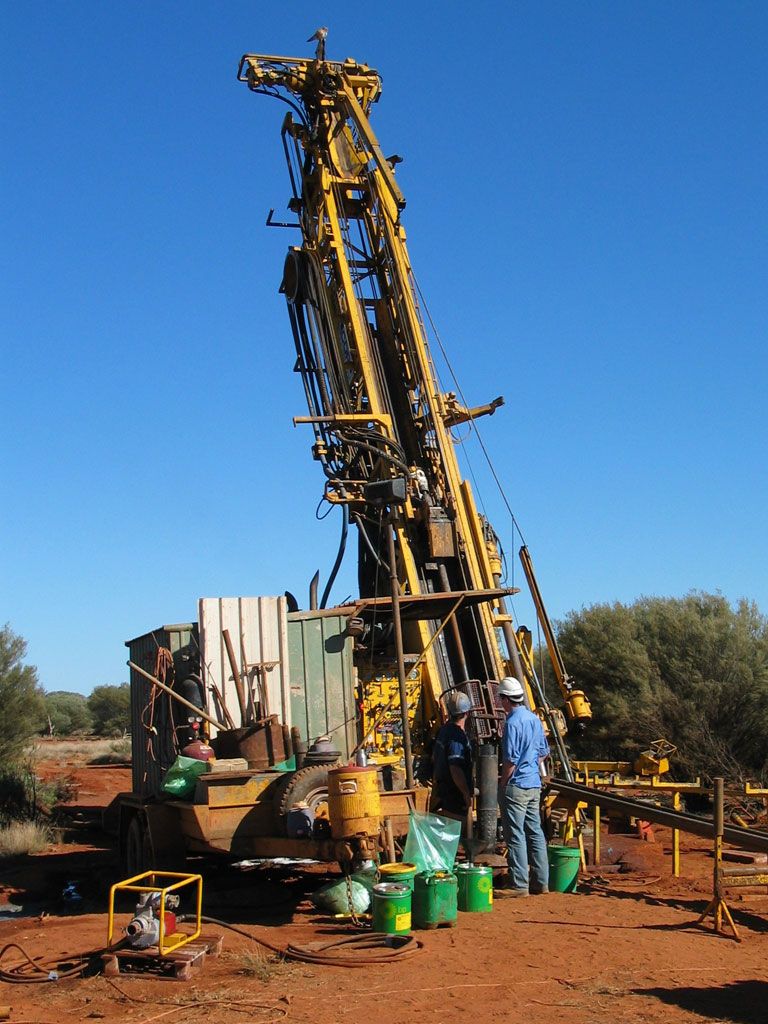
No borehole today is as legendary as the Kola Superdeep. It gave scientists hugely valuable insight into the composition of our planet and it gave us a look into the past, at what existed below the surface that we walk on today. No one has ever managed to drill deep enough to reach the mantle, but researchers are still searching for secrets from within the Earth’s surface and have still never technically beaten the seven-mile record—despite all the advancements made in technology. But this doesn’t mean that people haven’t tried.
Closest Competitor
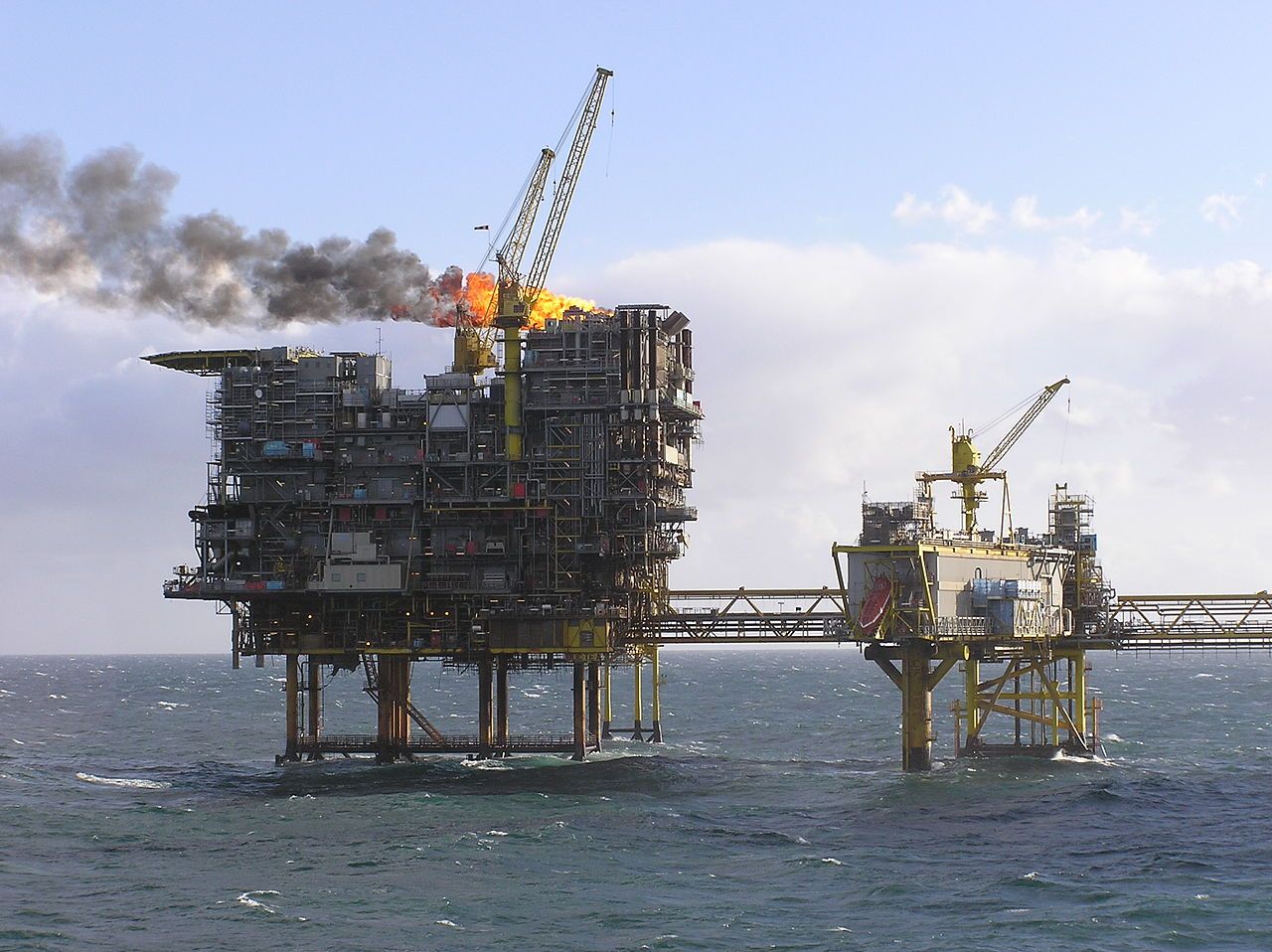
For two decades, the Kola Superdeep Borehole was the world's longest borehole in regard to measured depth, but in 2008, it was surpassed by another borehole. Oil giant Maersk Oil dug a well in the Al-Shaheen field, in Qatar that reached a whopping 40,318 feet in measured depth, taking over the record for the world's longest borehole in terms of measured depth! But in terms of true vertical depth, the Kola Superdeep Borehole remains still the deepest borehole in the world.
New Subterranean Adventures
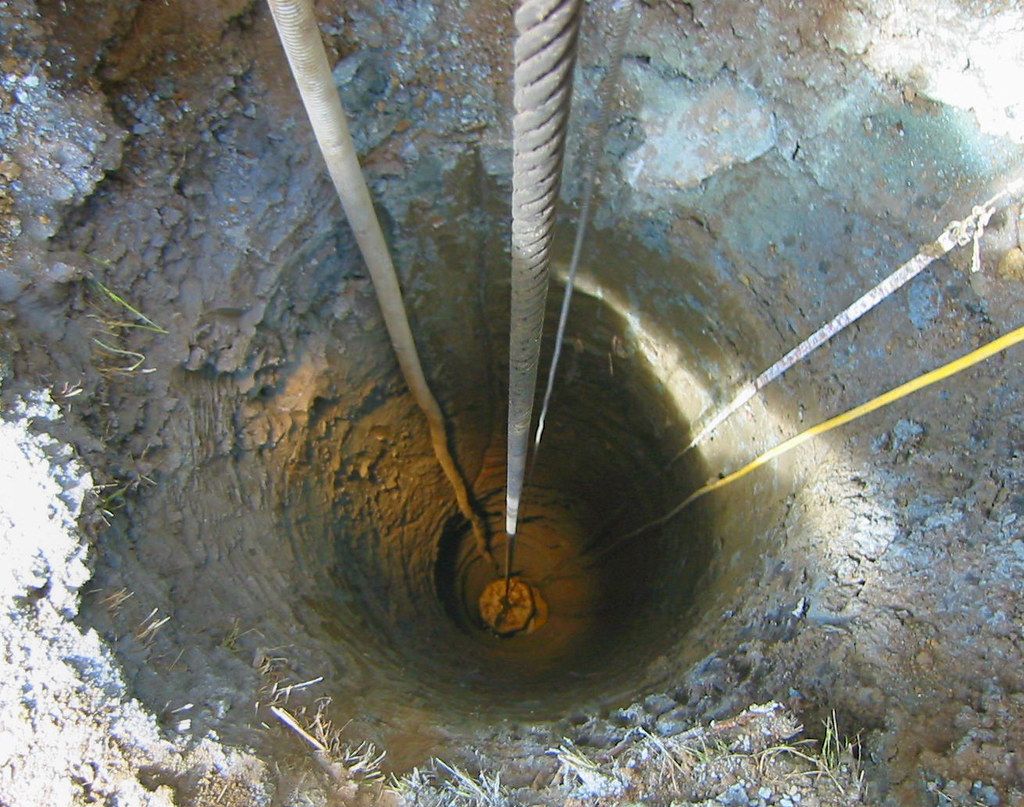
Earth’s deep interior has still never been directly explored and it's hard to know if it ever can or will be. The advances already made in space travel seem much more advanced than efforts to reach the center of the Earth and scientists have tried to explain why. “Going into space is just a lot easier than going down for an equivalent distance,” David Stevenson, a geophysicist at the California Institute of Technology, told *Discover Magazine*. “Going down from 5 kilometers to 10 is much harder than going from zero to 5.”
Looking to the Future
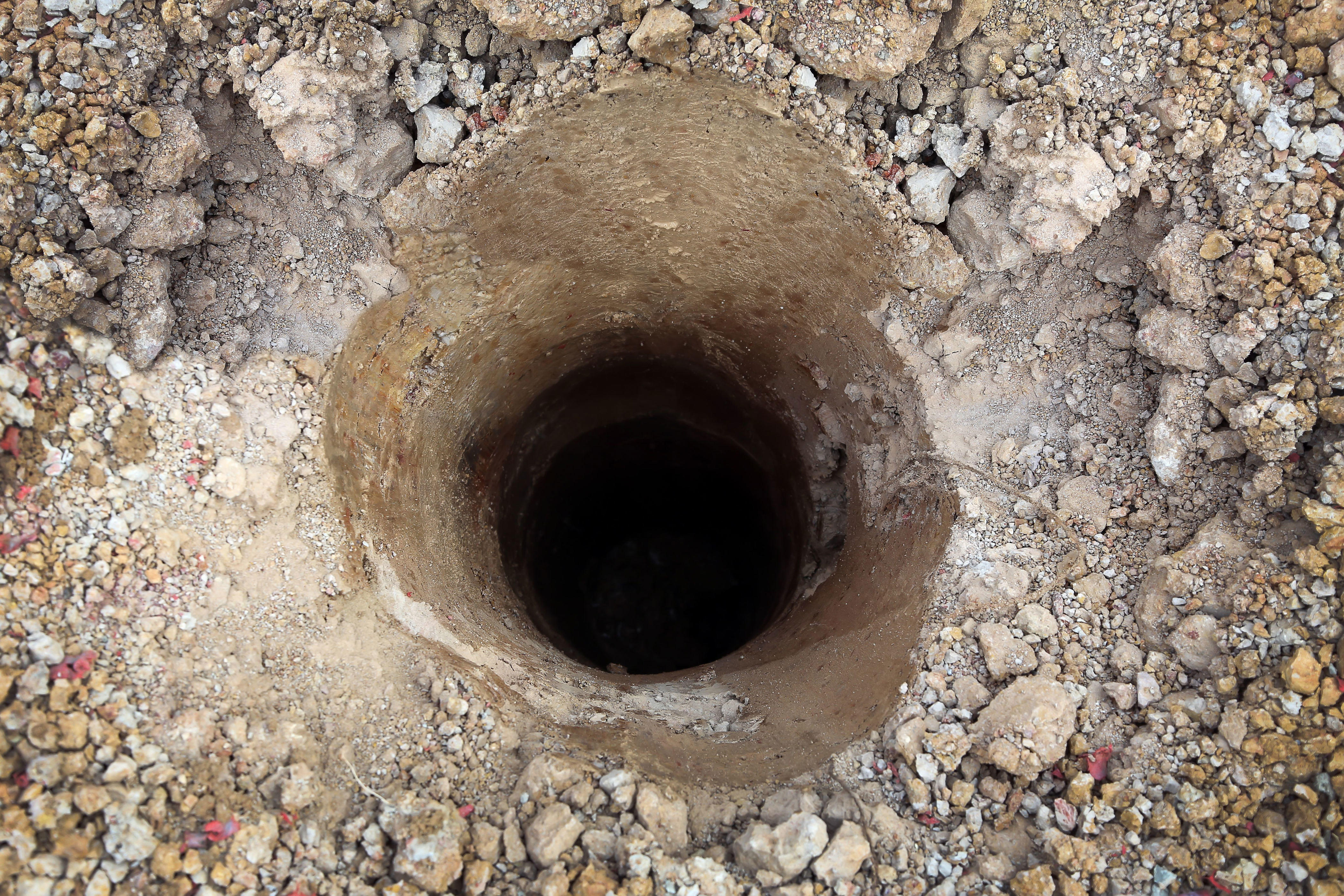
The borehole made by the Soviets began more than fifty years ago and it remains the deepest man-made point on the planet. Today, the original projects are long gone and the boreholes have remained unopened for decades. Researchers are still battling against subterranean obstacles like extreme temperatures and unpredictable rocks, but people are still curious about what lies beneath. Who knows, maybe there’ll be another mega subterranean exploration in the near future? It’s clear that there are still many secrets just waiting underground to be uncovered.
New Holes, Same Questions
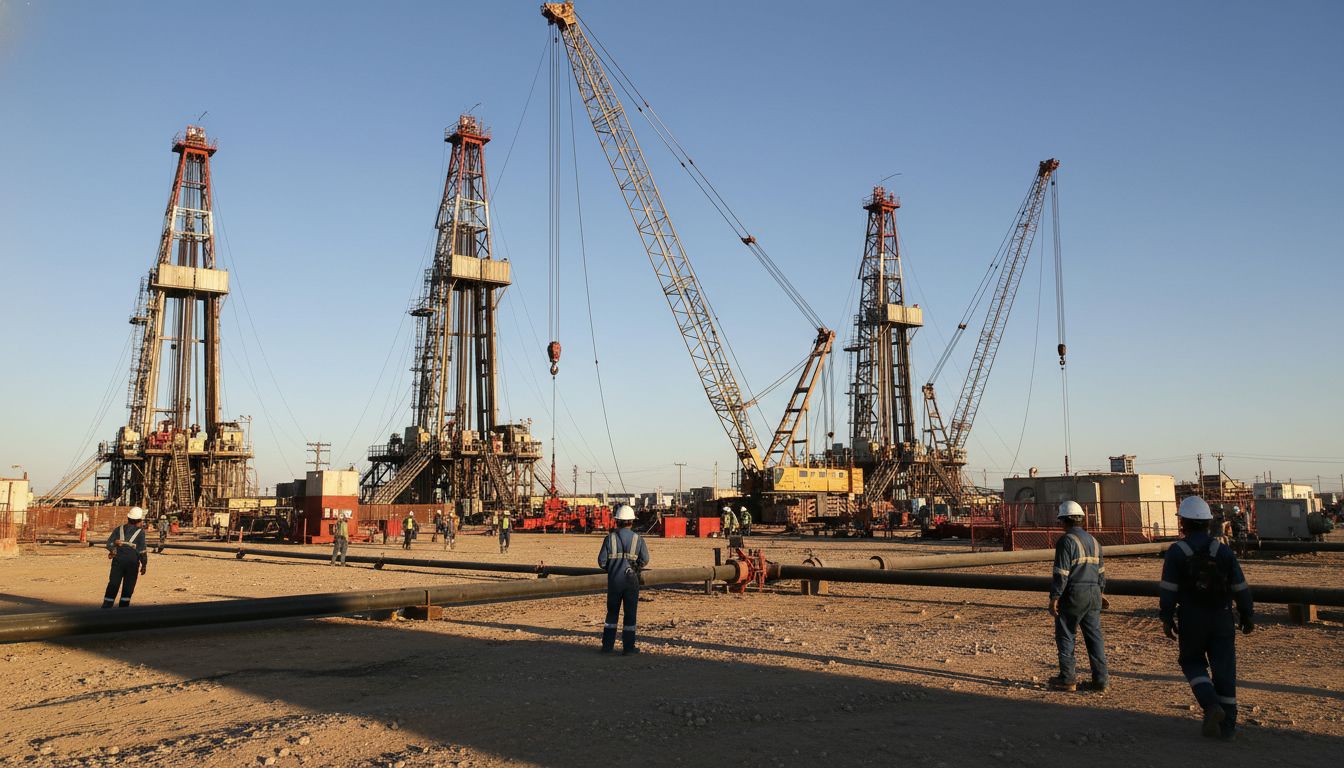
The race to dig deeper did not stop with the Soviets. In 2008 an oil well in the Al-Shaheen field, drilled by Maersk Oil, took the record for measured depth, but the Kola Superdeep Borehole still holds the record for true vertical depth. More recently, a very deep borehole in China pushed past ten thousand meters, setting a new regional milestone. Those moves show interest in deep drilling is still alive, even if the target remains the same.
Why the Kola Story Still Matters
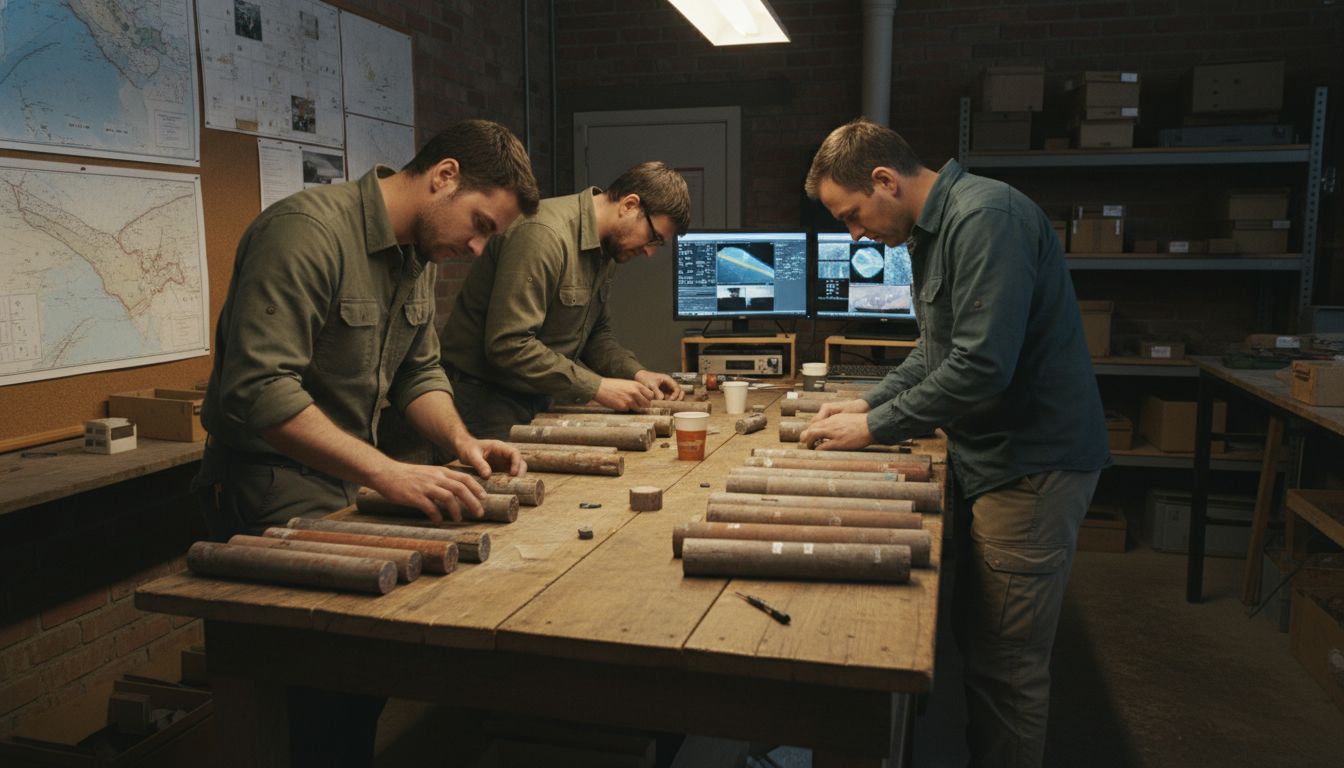
Kola's value is not a trophy, it is the samples and surprises. Researchers pulled up microfossils, unexpected water, and rock that behaved like plastic at high temperatures. Those findings rewrote ideas about crust composition and subterranean life, lessons no other borehole has matched in the same way. That is why scientists still point to SG-3 when they talk about deep drilling.
Ships and New Tools Try Again
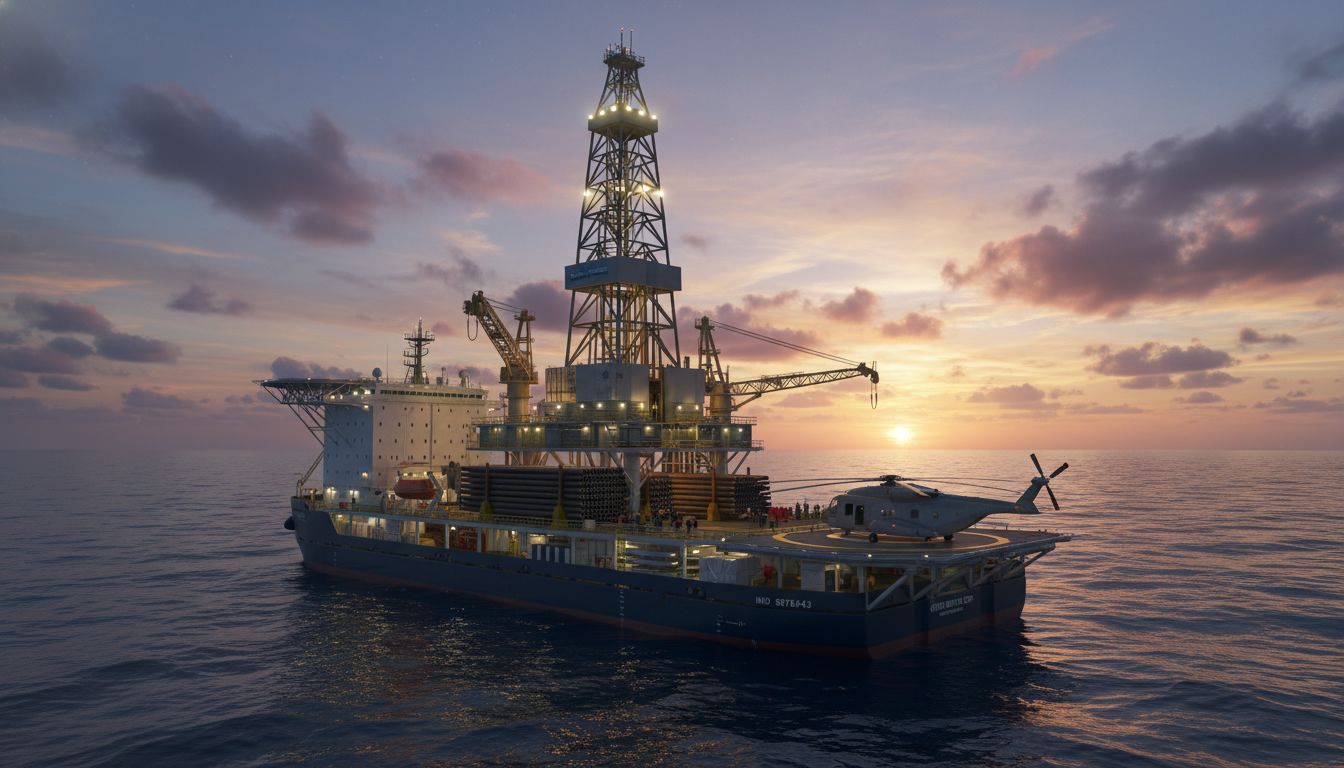
Project Mohole's ocean approach taught scientists a lot, and modern teams keep trying the sea route because oceanic crust is thinner. Specialized deep-water drilling vessels now exist that can reach places where the crust is most accessible, and international scientific drilling programs have carried that work forward. There is also renewed interest in drilling for geothermal energy, which pushes technology in useful directions for pure science.
Old Obstacles Still Bite
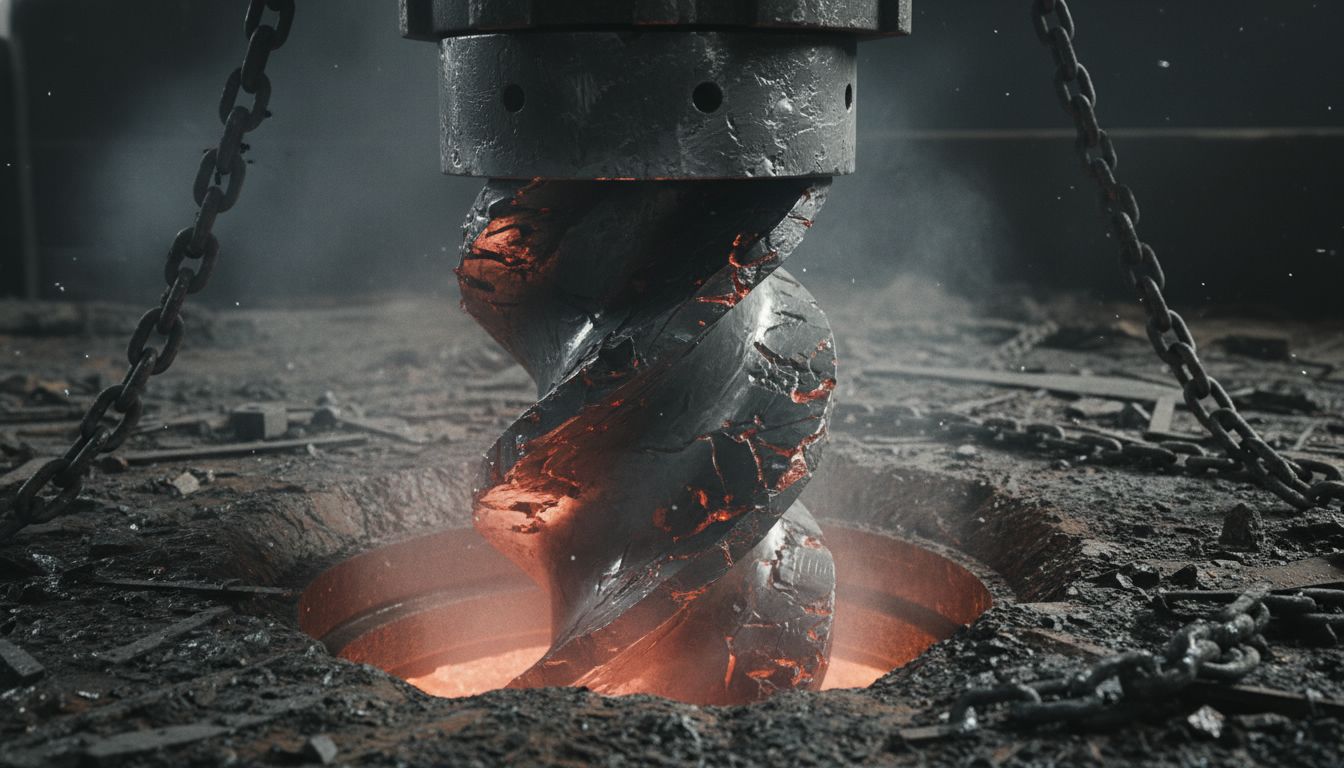
The same physical problems that stopped the Soviets keep showing up. Heat and pressure make rock behave like putty, drills twist and break, and the hole tends to close in when the tools come out. Engineers keep improving materials and cooling, but for now the planet's interior remains stubborn. That is the practical reason why Kola's depth still matters.
Where This Could Head Next
Scientists have not given up. Between ambitious national wells, ocean-based programs, and geothermal projects, people are still testing new approaches to reach the mantle one day. Any future push will stand on what Kola taught us: expect surprises, plan for extreme conditions, and value every sample pulled from deep rock. Who knows, maybe there will be another mega subterranean project that changes what we think we know.