
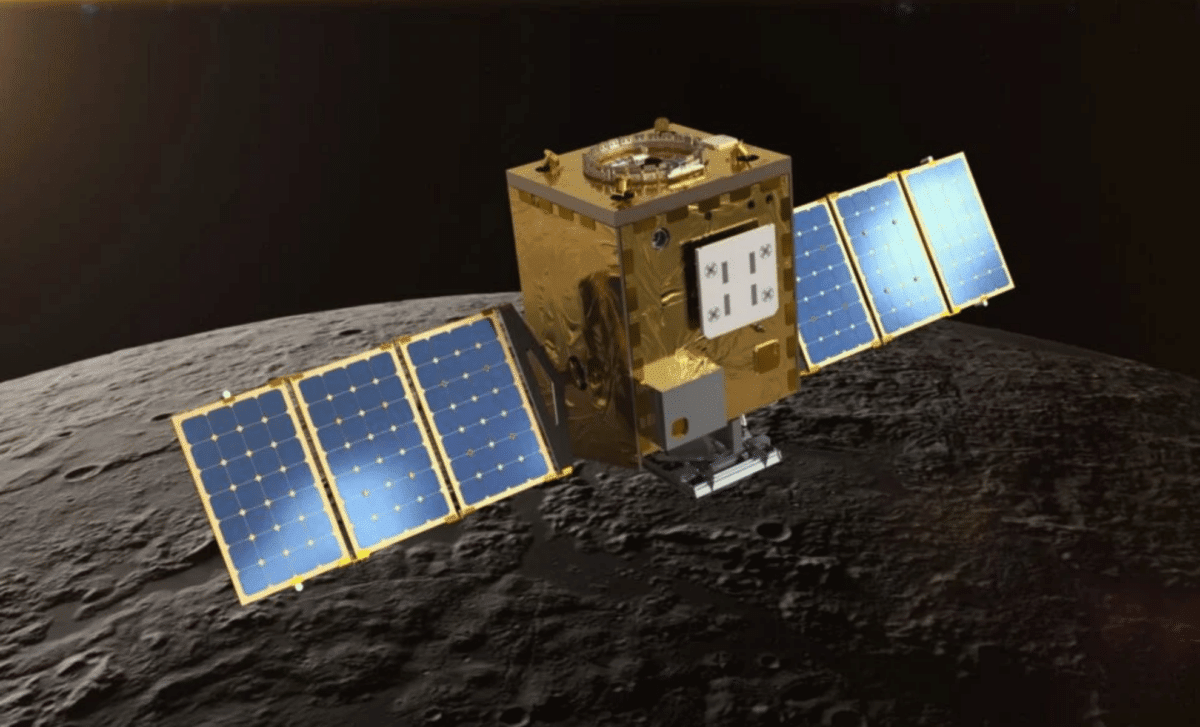
NASA’s Lunar Trailblazer mission was expected to be a groundbreaking step in lunar exploration. Designed to map and study the distribution of water across the Moon’s surface, this $72 million satellite mission seemed poised for success. However, it quickly fell apart on its first day after launch due to a critical software error. The satellite lost communication, sending NASA’s mission team scrambling to investigate what went wrong. A recent NPR report, published in February 2026, shed light on the technical mishap that doomed the mission and revealed the combination of errors that led to the failure. The satellite’s malfunction exposed flaws in testing procedures and engineering that contributed to the loss.
NASA’s Lunar Trailblazer: A Mission to Understand Lunar Water
The Lunar Trailblazer satellite was a vital part of NASA’s ongoing effort to understand the presence and distribution of water on the Moon’s surface. Scientists have long known that water exists on the Moon, but questions remain regarding its form, abundance, and how it is distributed across the lunar surface. Lunar Trailblazer was supposed to provide critical data, using advanced instruments to measure different forms of water on the Moon and their interaction with thermal properties. This would have been an essential asset for NASA’s Artemis program, which aims to establish a long-term human presence on the Moon.
However, the satellite’s mission came to a tragic halt just one day after launch. Despite successfully separating from the SpaceX Falcon 9 rocket and establishing initial communications, the satellite lost contact the following day. A thorough investigation revealed that software designed to orient the satellite’s solar panels towards the Sun malfunctioned, positioning them 180 degrees away. This error caused the satellite to enter a “cold state,” losing power and communication with Earth. The system’s failure was made worse by multiple erroneous onboard fault management actions, which further hindered recovery efforts.
Software Glitch Destroys Mission in a Single Day
NASA and its contractors, including Lockheed Martin, were left to pick up the pieces after the mission’s abrupt termination. The main issue was traced back to the software that controlled the satellite’s solar array. “Any single anomaly could have been recoverable given enough time, but the combination was too much to overcome,” the official report states. The combination of multiple errors, ranging from the misalignment of solar panels to the subsequent loss of power, proved insurmountable for the mission’s recovery. Despite NASA’s and Lockheed Martin’s best efforts to re-establish contact and recover from the glitch, the situation remained dire. By July, NASA officially declared the mission a failure after months of unsuccessful recovery attempts.
Although the mission was ultimately a loss, NASA’s team acknowledged that they had reached some critical milestones in the process.
“While Lunar Trailblazer didn’t achieve its mission goals, the team successfully demonstrated many milestones, including navigating a main engine swap and an intense vibration test campaign,” the statement reads.
These accomplishments, though overshadowed by the mission’s failure, still highlighted the team’s resilience in the face of setbacks.
The Importance of Testing and Risk Management
The Lunar Trailblazer mission highlights the importance of rigorous testing in space missions, especially for low-cost projects that carry higher risks. While NASA and Lockheed Martin worked hard to test the satellite’s systems, the failure of such a critical component just hours after launch demonstrates the complexities involved in space exploration. According to the investigation, insufficient testing of the solar array system was a significant oversight, and it is likely that a more thorough testing phase would have revealed the software error before launch. This oversight was especially concerning given that the satellite’s sole purpose was to map water on the Moon, an essential component of NASA’s future lunar exploration efforts.
For future missions, particularly those targeting the Moon or Mars, the necessity of comprehensive testing cannot be overstated. Rigorous testing of all spacecraft components, including software systems, solar arrays, and communications systems, is crucial to avoid costly and potentially mission-ending failures. In light of the Lunar Trailblazer disaster, NASA has vowed to strengthen its testing and risk management protocols for upcoming missions.
Enjoyed this article? Subscribe to our free newsletter for engaging stories, exclusive content, and the latest news.