Why the Far Side Matters to Scientists
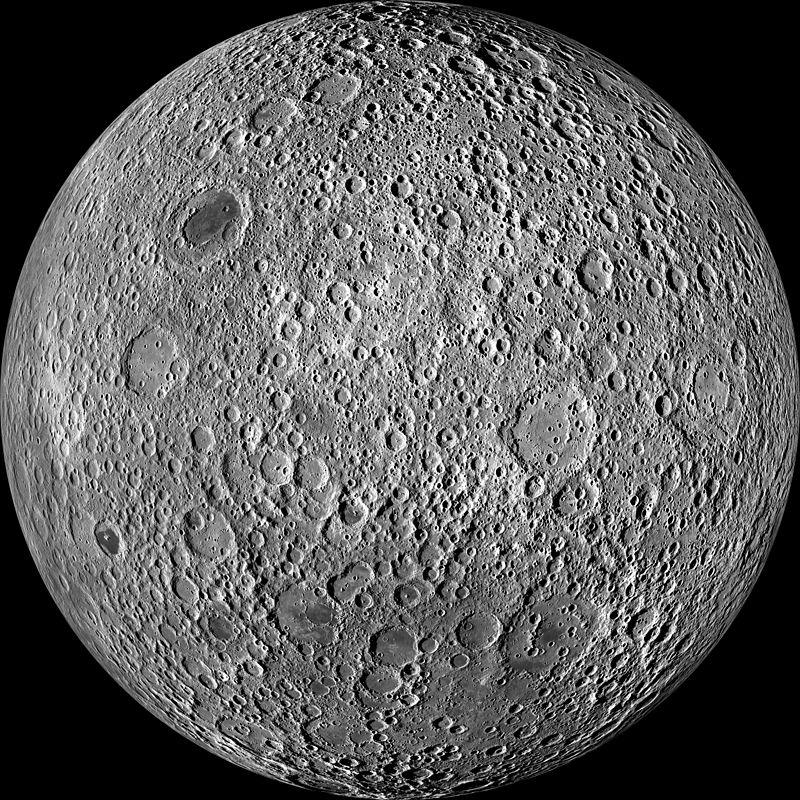
The Moon always shows the same face to Earth because its rotation is locked to its orbit, so the far side is mostly unseen from the ground. During the Space Race, satellites and orbiters mapped that hidden hemisphere, but nobody had ever landed there. That made any surface mission risky and exciting, since the geology could be different from the near side. Finding new materials there can change how we think the Moon formed and evolved.
Chang'e-4: A Backup Mission Turned Historic
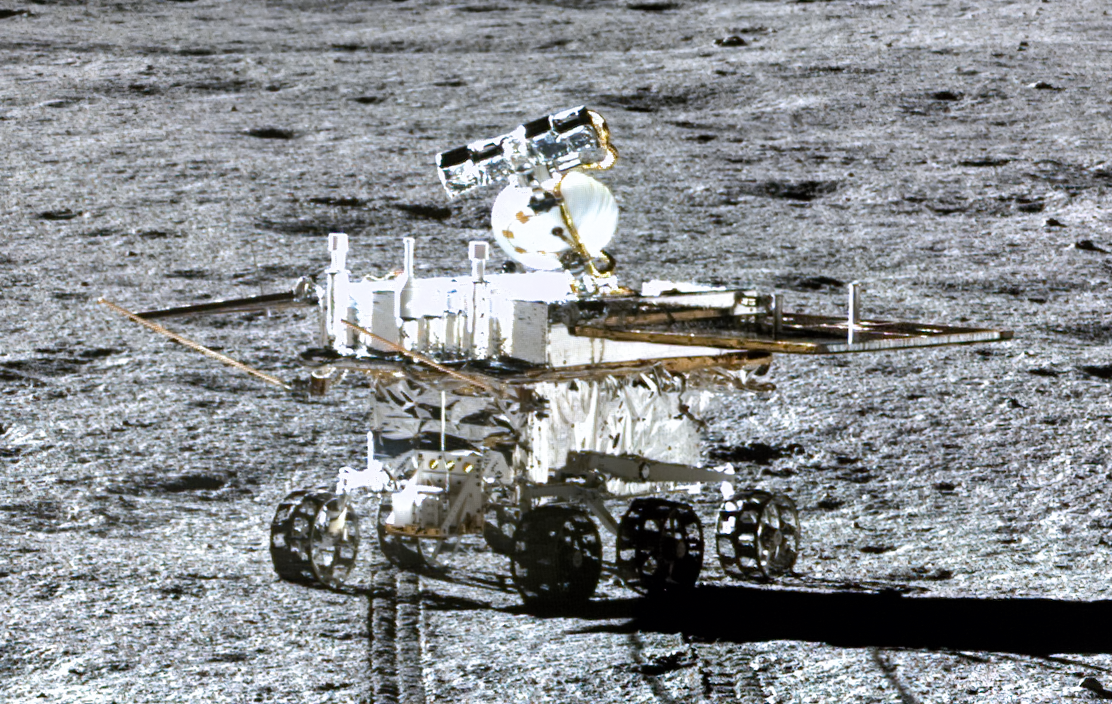
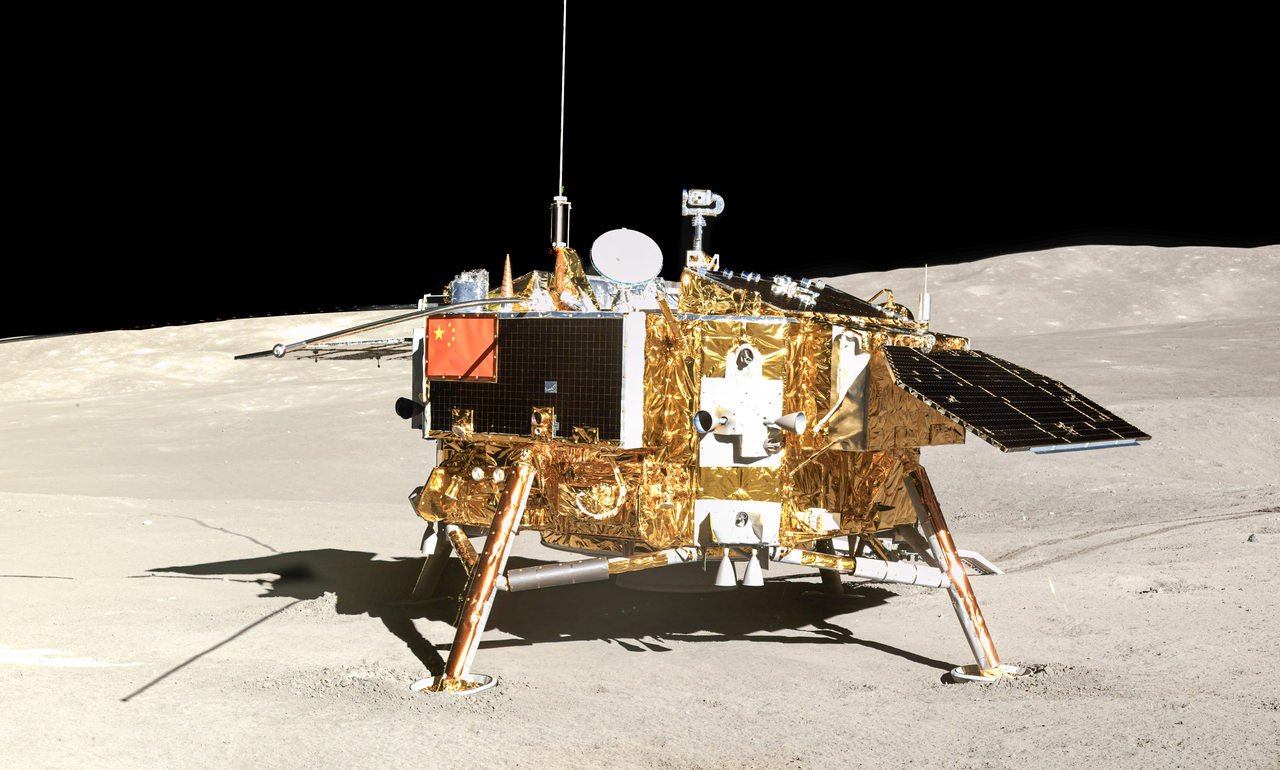
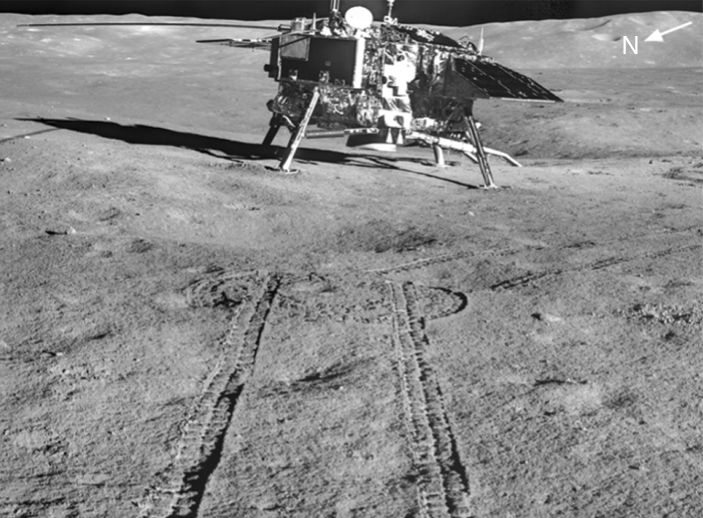
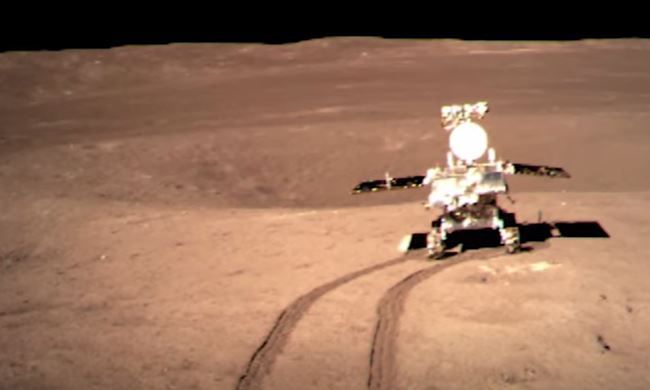
Chang'e-4 began life as a backup for China’s earlier lander, then was refitted for fresh science goals. Launched in December 2018, it used a relay satellite so it could talk to Earth from the far side. On January 3, 2019, it achieved the first soft landing ever on that hidden hemisphere, and the Yutu-2 rover rolled out to begin driving and taking pictures. The team expected routine survey work, but they stayed alert for surprises.
The Strange Gel-Like Patch Appears
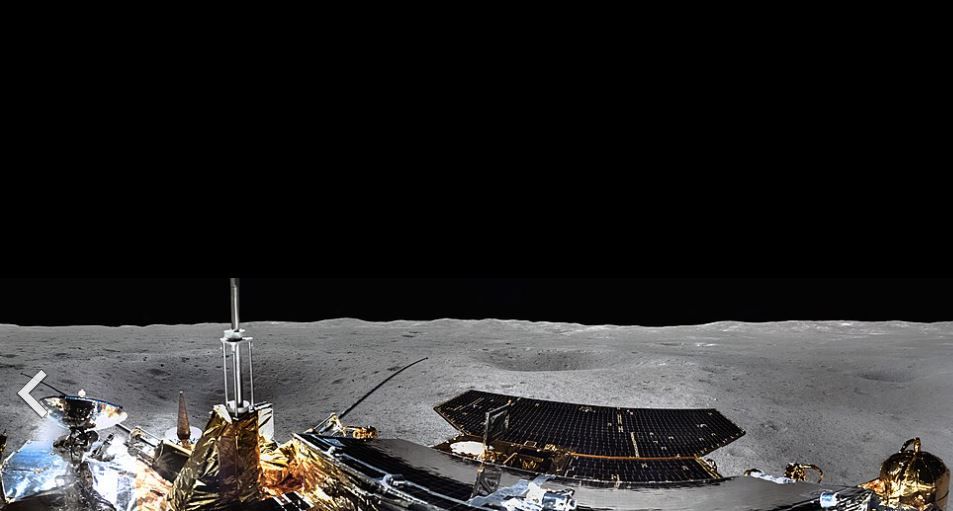
On July 28, 2019, one panoramic shot from Yutu-2 caught a handler’s eye. Yu Tianyi noticed a shiny, greenish patch tucked into the rim of a small crater that looked almost gel-like and had bright flecks. The team paused planned drives and focused the rover on that spot while the news made it into Chinese state media and sparked worldwide guesses. People suggested everything from alien goo to volcanic glass, but scientists kept digging for real data.
Most Likely: Impact Melt Glass or Breccia
Researchers eventually published an analysis saying the patch is probably impact melt breccia, basically broken rock welded together and glassy from a high-temperature event. That matches earlier Apollo finds, and it’s similar in origin to the orange volcanic beads Apollo 17 brought back. The conclusion fits the idea of a meteor strike melting surface dust into glass, but the rover’s instruments made measurements under poor lighting, so the result isn’t ironclad. Even so, the discovery highlights how much the Moon still has to teach us.
History-Making Landing
On January 3, 2019, the spacecraft became not only China’s first soft landing on the far side of the Moon, but the first in the world to land there. The accomplishment was historic and impressive! “Congratulations to China’s Chang’e-4 team for what appears to be a successful landing on the far side of the Moon. This is a first for humanity and an impressive accomplishment!”, Nasa administrator Jim Bridenstine tweeted.
The “Dark Side”
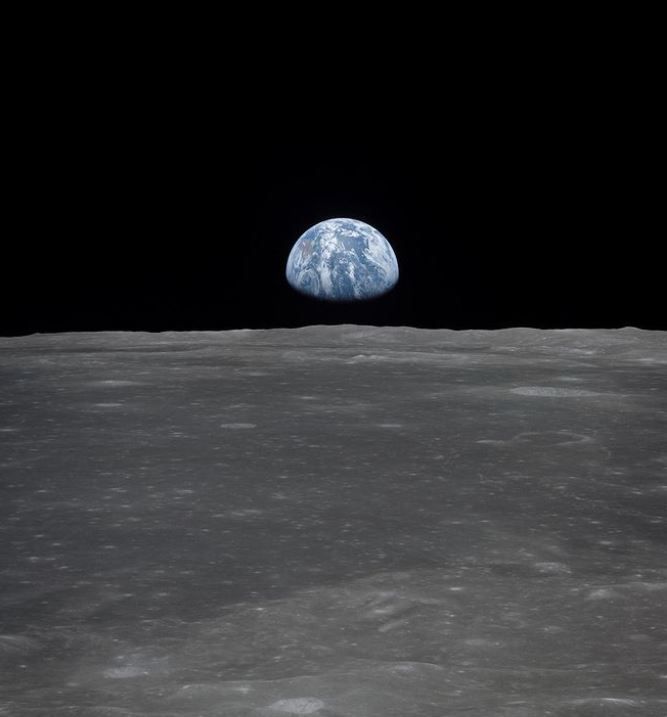
So, what’s so exciting about landing on the far side of the Moon? Well, the Moon has been orbiting Earth for over 4.5 billion years and during this time, Earth’s gravitational pull has forced the Moon’s rotation speed to synch with its orbit, causing the Moon to rotate on its axis and orbit Earth once every 28 days. This means that the same side of the Moon always faces Earth—and we can’t see the far side from the planet’s surface. And until now, it's a territory that was yet to be explored.
Unexplored Territory
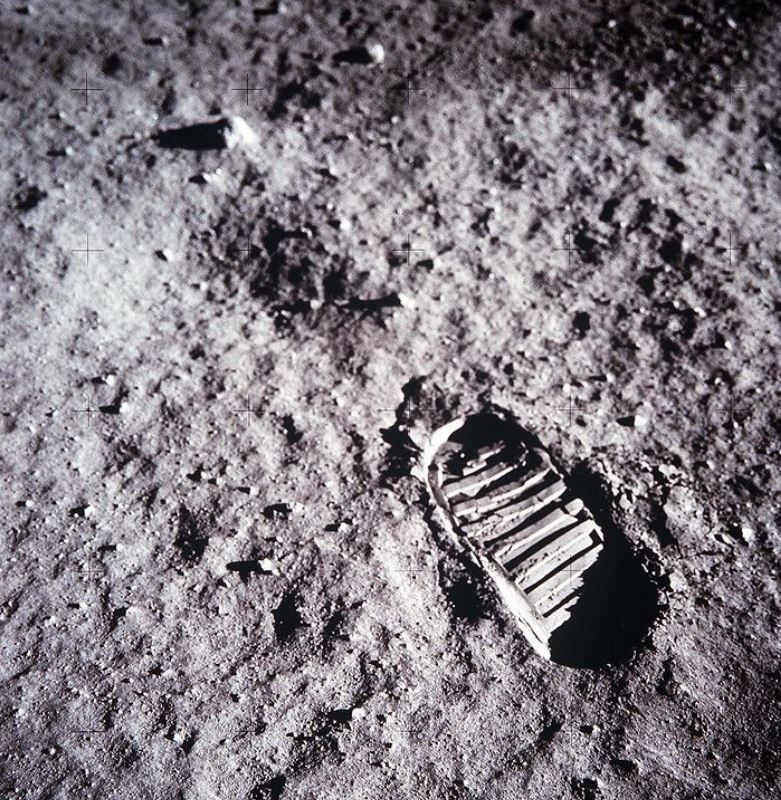
“We know the far side from orbital images and satellites, but we don’t know it from the surface. It’s uncharted territory and that makes it very exciting,” Martin Wieser, a scientist at the Swedish Institute of Space Physics and principal investigator on one of the instruments onboard Chang’e, told *The Guardian*. Because we only see one side of the Moon, it’s believed that the far side is different than the side that faces us, but it’s never been explored. Why hasn’t anyone landed on the far side yet?
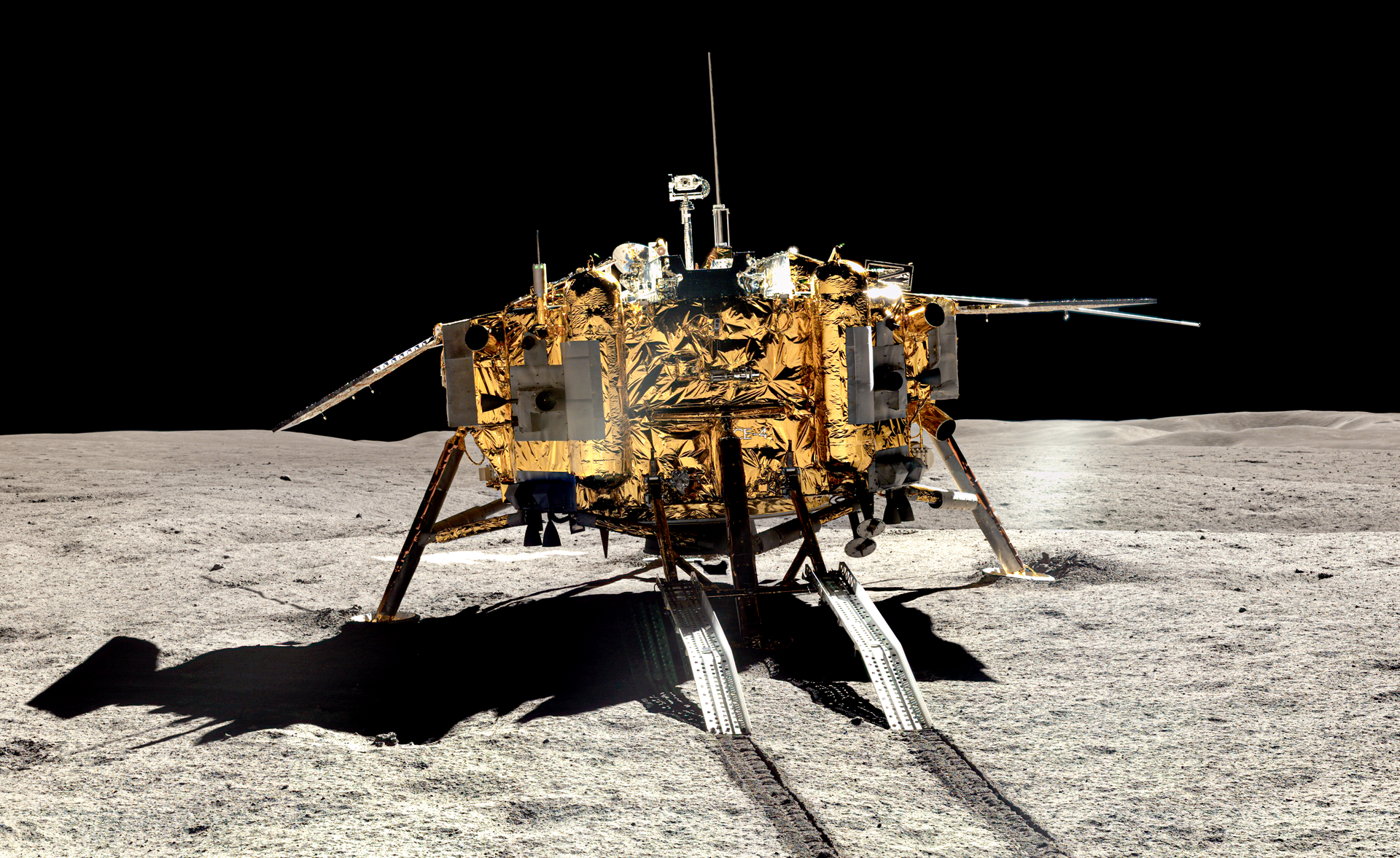
Landing on the Far Side
Maintaining communication with Earth during a far side landing is difficult because the Moon blocks radio contact, cutting the spacecraft completely off from humankind. However, the Chang’e-4 worked around this issue with a relay satellite. Even still, radio signals needed to cross a greater distance, resulting in the round-trip communications delay being lengthened. And any far side lander or rover, including the Chang’e-4, needed to choose its landing site and avoid hazards without any help.
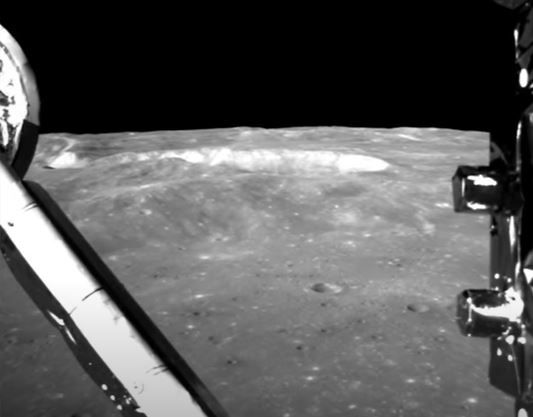
The Landing
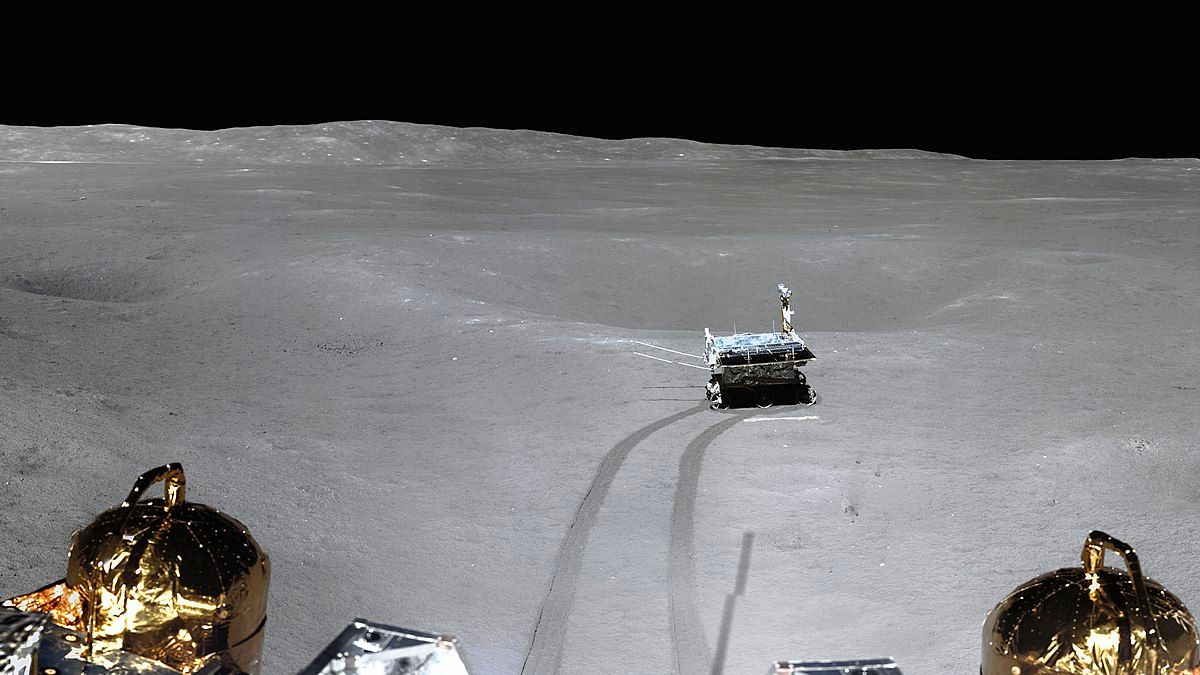
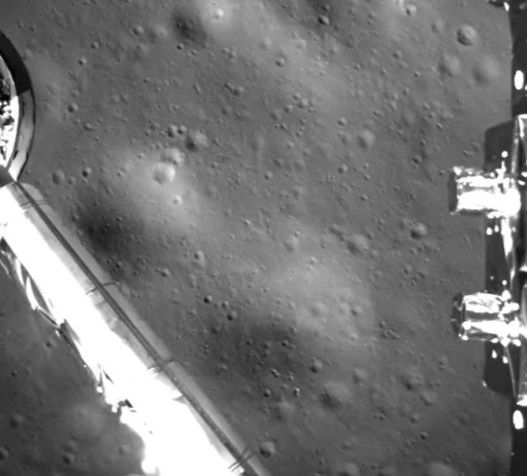
On January 3, 2019, the Chang’e-4 landed on the Von Kármán crater within the Moon's South Pole-Aitken basin. The basin covers nearly a quarter of the Moon’s surface. 12 hours after the landing, the Yutu-2 rover was deployed and immediately started tracking across the lunar surface. The rover snapped photos, hoping to capture anything that could be scientifically significant. Scientists would eagerly check the photos for anything that looked out of the ordinary, but it would take months before they found something worthwhile.
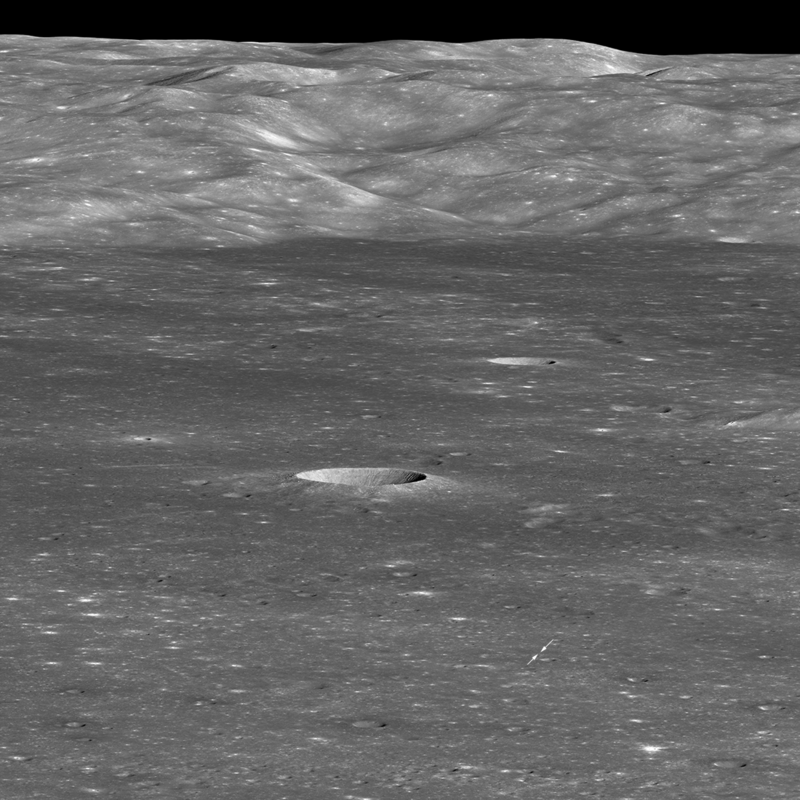
Powering Down
After landing on the far side of the Moon, Yutu-2 would take a daily nap to protect itself from the midday sun, before shutting down for the day. During the rover’s nap time, scientists on Earth would analyze the photos for any detail that stuck out. But most of the time they came back with nothing more than a lot of dust, known as lunar regolith, which most of the Moon’s surface is covered in. That was until one photo came back revealing something scientists hadn’t seen before.
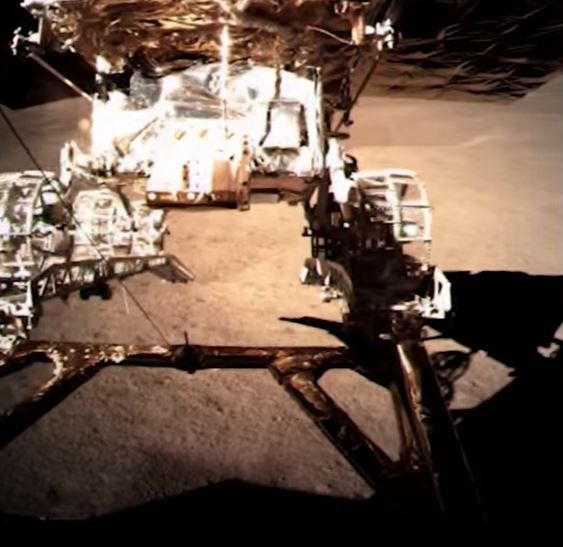
Something Strange
July 28, 2019, was like any other day, with the rover snapping photos and sending them back to earth. But before the Yutu-2 powered down for its daily nap, one of its handlers on Earth noticed something strange in one of the panoramic images the robot took of the Moon. Something caught the handler’s attention, causing him to take a second look—something didn’t seem quite right and it was unlike anything he had seen before.
Shadows
After obtaining data from Yutu-2 in July 2019 and taking a closer look at the photo, one of the handlers, Yu Tianyi, noticed that inside a small crater there was a strange colored substance that had a “gel-like” consistency. The material looked different than its surroundings and it contained bright spots, which caught the handlers’ attention. But what was it?
Changing Plans
As soon as Yutu-2 handler Yu Tianyi discovered the gel in the inner edge of the impact crater, he contacted mission scientists who decided the discovery was too good to ignore. And so, they decided to postpone the rover’s planned route and changed their focus to examining the crater and the gel-like material they found inside of it. Still knowing what exactly they had revealed, news of the rare finding was about to be released to the public.
Official Announcement
News of the strange substance appeared on the Chinese language website *Our Space* as part of Yutu-2’s “drive diary” and in the state-run newspaper *People’s Daily*. "Yutu-2 rover, part of China's Chang'e-4 mission, has discovered an unusually colored 'gel-like' substance during its exploration activities on the far side of the moon," *People’s Daily* tweeted. With the release of the discovery, all sorts of speculations were made and the newspaper challenged its readers to get involved in figuring out what the mysterious substance could be.
Speculations
After the announcement of the mysterious material was made, the scientists still needed to figure out what it was and the researchers continued to analyze it, hoping to find answers. These unanswered questions led to people all around the world making speculations about what it could be. The Chinese state-run newspaper *People’s Daily* even asked the public to get involved, tweeting, "Mission scientists are now trying to figure out what the mysterious material is. What do you think it is?"
Most Likely Explanation
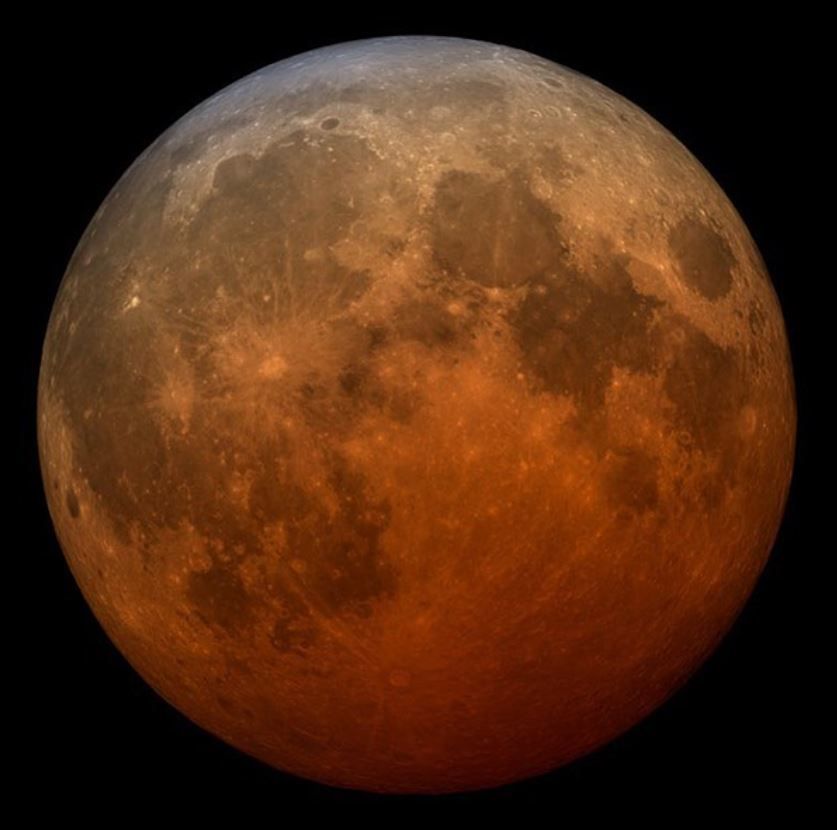
With no further updates following the official announcement of the mysterious gel-like finding, people around the world started speculating about the nature of the material. But there was one likely explanation—it wasn’t actually gel. While the discovery looked a lot like gel, it could actually just be shiny melted glass created when a meteorite struck the Moon. And before long, scientists around the world started agreeing with this likely explanation. Could the material be glass created by a meteor striking the Moon?

Type of Glass
Mahesh Anand, Vice President of the U.K.'s Royal Astronomical Society and planetary scientist at the Open University, also believed that the substance could be glass. The scientist told *Newsweek* that while there is very little to go on, the material is likely volcanic glass. “The fact that it has been observed associated with a small impact crater, this finding could be extremely exciting as it would indicate that a very different material could just be hiding underneath the very top surface,” he told the news outlet. “This would assume even a greater significance if these materials turn out to have experienced interaction with water-ice,” Anand continued.

Meteor Strike
Like Anand, Walter Freeman, a physicist from Syracuse University, thought the substance could be glass created by the force and heat of a meteor hitting the Moon. He told *Newsweek* that the substance could be lunar dust that melted into glass after the meteor. "We have lots of processes on Earth that cause interesting geology: the action of water, wind, and volcanism. But the Moon has none of these, so meteorite impacts are the main thing that reshapes its surface,” Freeman shared with the news outlet.
Similarities to a Nuke
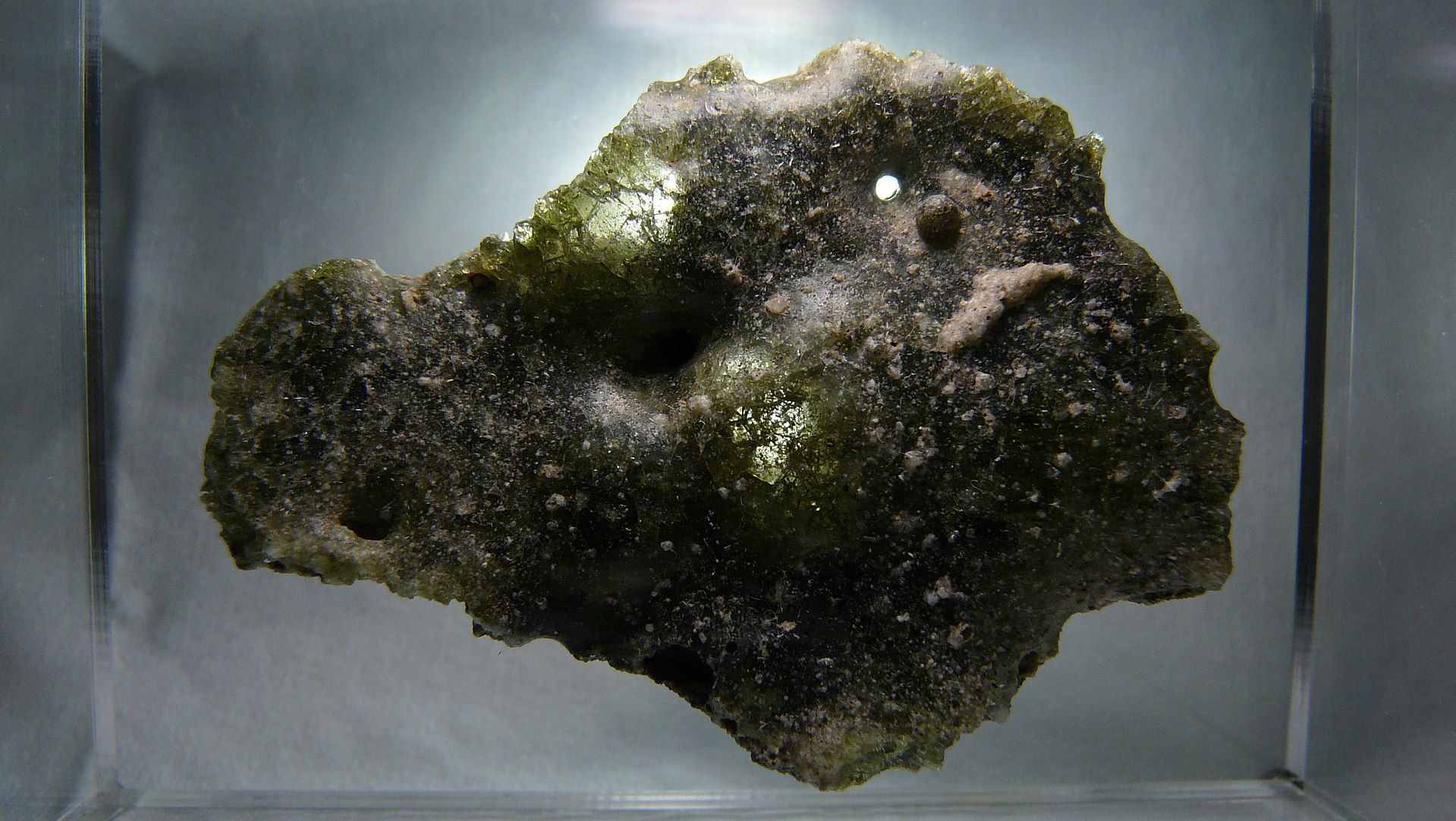
According to physicist Walter Freeman, an outside source like a meteor hitting the Moon was likely the cause of the lunar glass object. The force and heat caused the mysterious substance. "There's a bit of precedent for this on Earth: at the site where the first nuclear bomb was tested in New Mexico, there is a glassy mineral called 'trinitite' formed from the heat of the explosion. The same thing happens around meteorite impacts here,” Freeman told *Newsweek*.
Past Discoveries
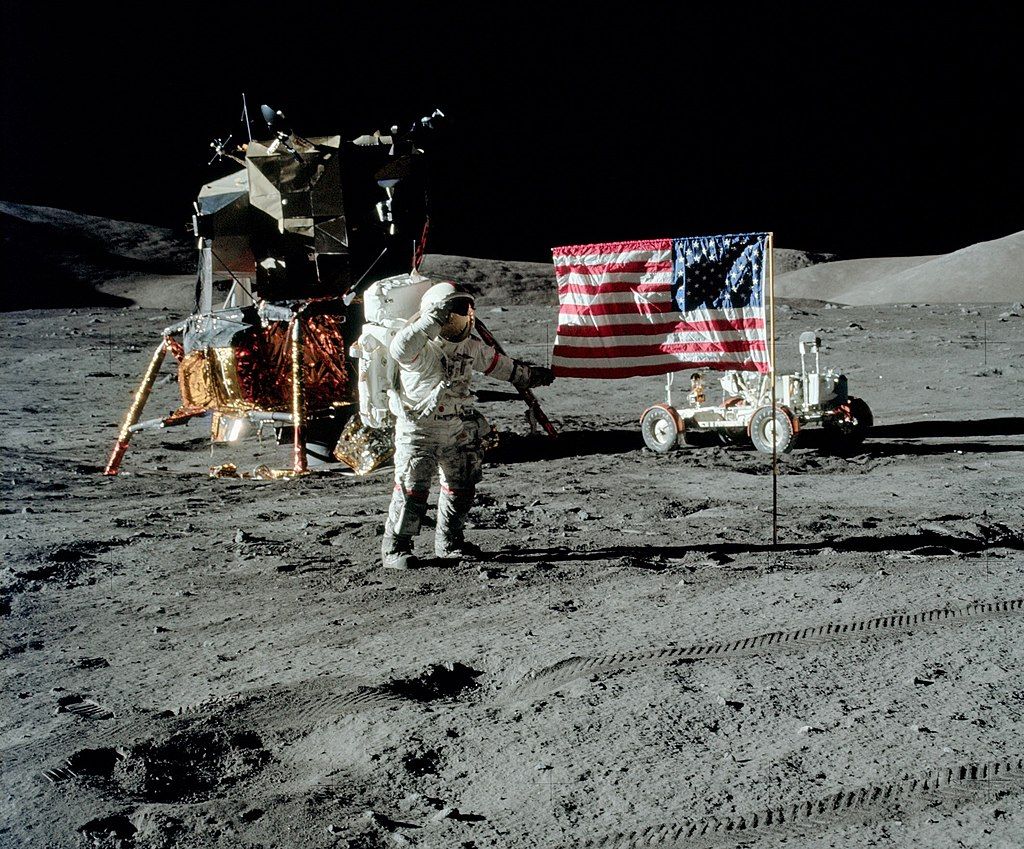
With more questions than answers and tons of speculation about what the gel-like substance could be, experts started considering previous discoveries on past lunar missions. And while looking at past lunar missions, they came up with something promising—this wasn’t the first odd patch of color found on the Moon. During the most recent manned mission, which was almost 50 years ago, the astronauts returned with a strange discovery. The past discovery would finally give scientists answers about what Chang'e-4 found.
Apollo 17
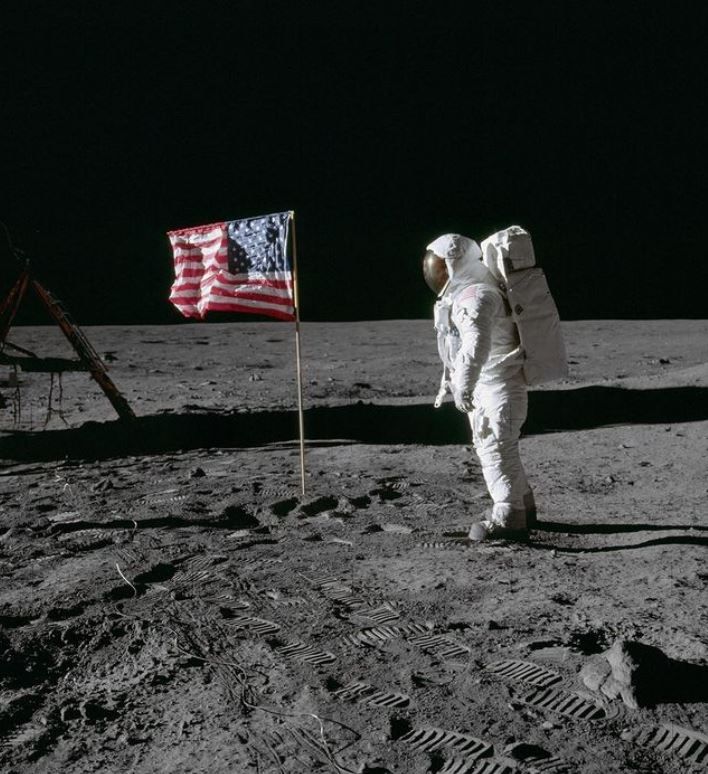
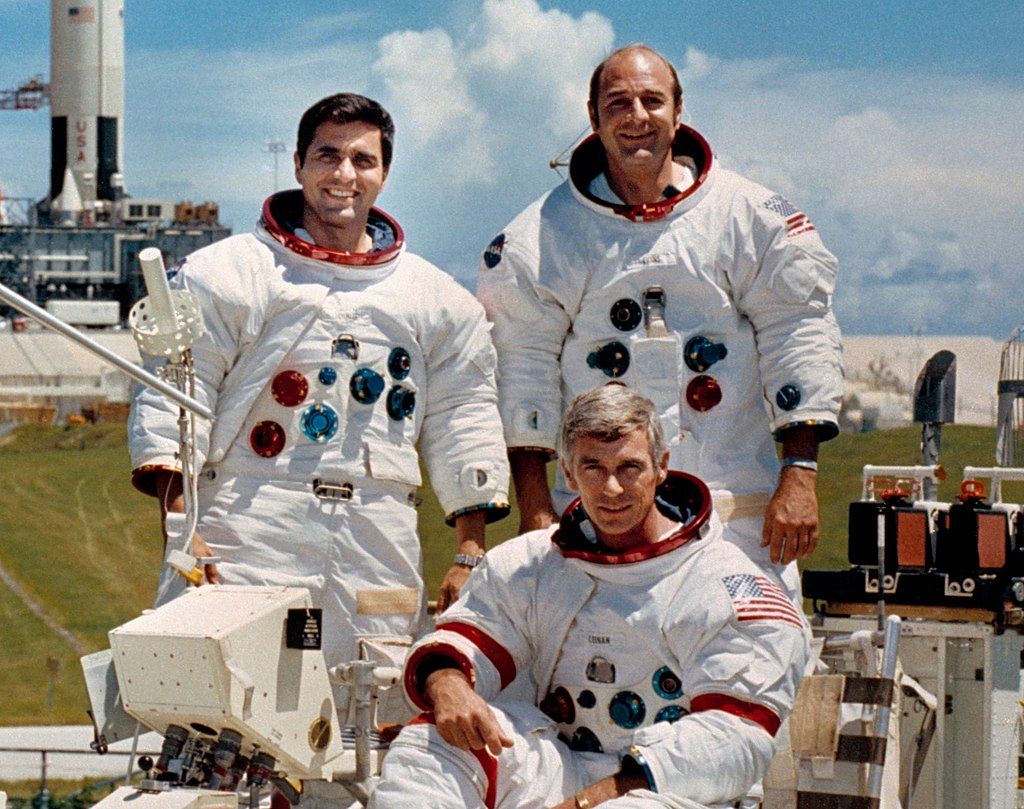
In 1972 during the Apollo 17 mission, which was the most recent manned mission to the Moon, when the astronauts returned to Earth, their cargo included an unexpected discovery—orange soil they found on the Moon. Astronaut and geologist Harrison “Jack” Schmitt scuffed the surface of Shorty Crater revealing orange soil and the crew brought back a sample of the mysterious substance to Earth to be further examined by researchers. What was it?
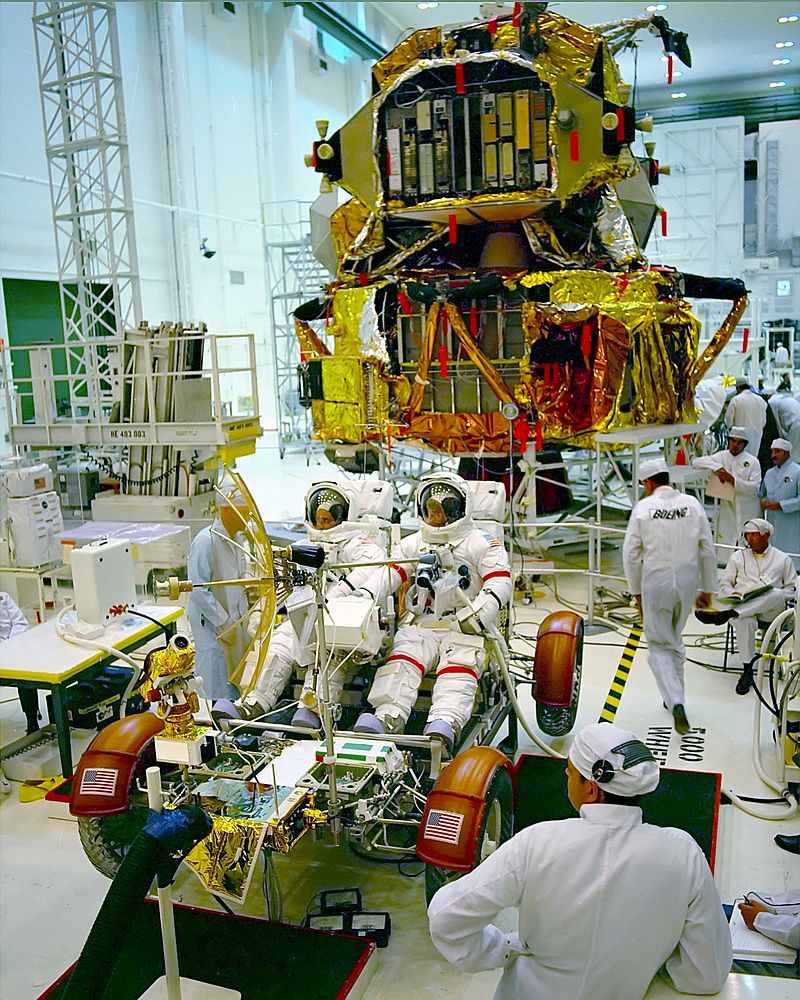
The Orange Soil
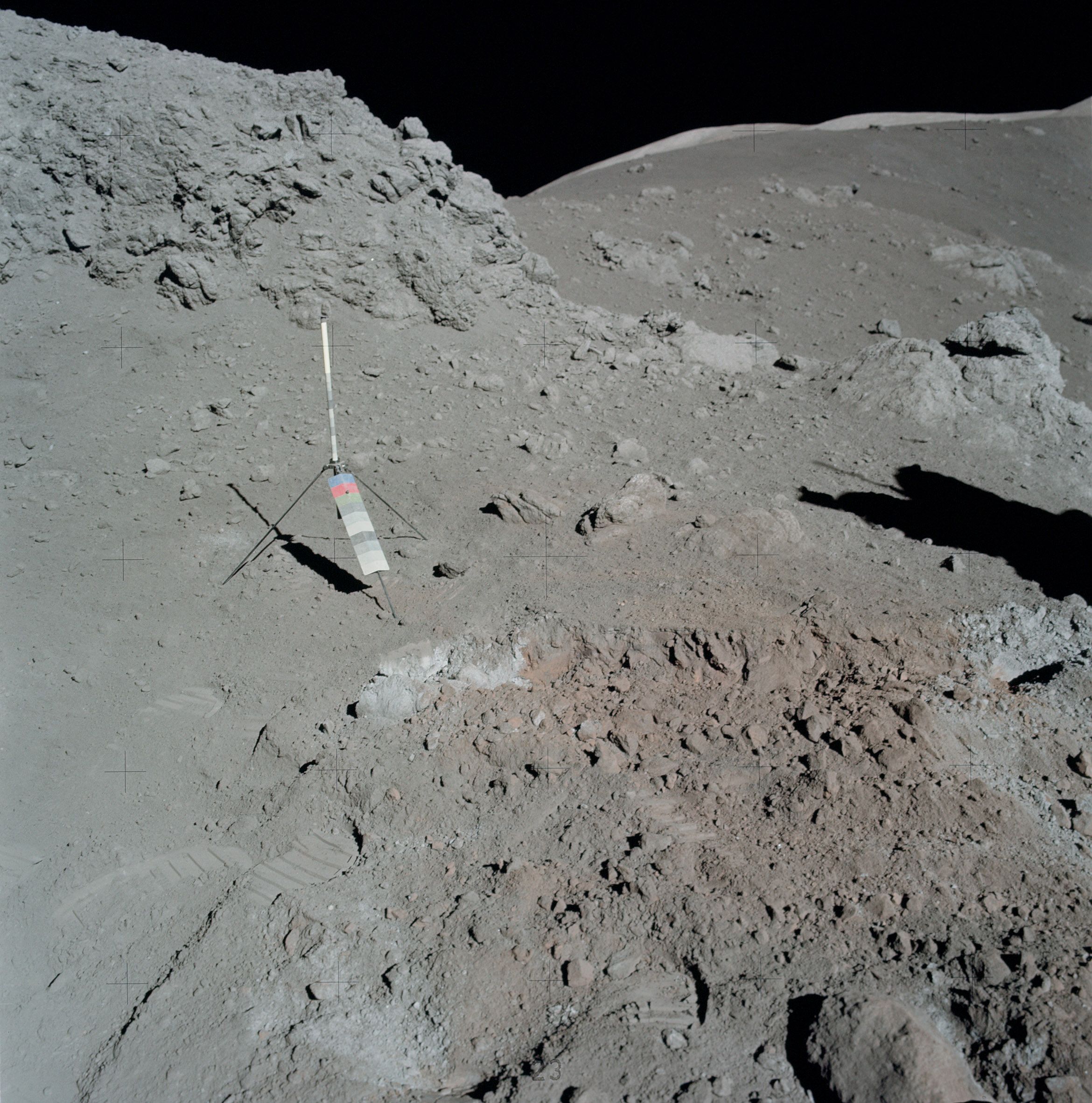
The discovery was even captured by Schmitt in photographs, but during his excitement, most of the images ended up getting blurred. Luckily, his commander Eugene A. Cernan captured a clear picture with a color scale. And after hearing about the discovery, fellow crewmember, Ronald E. Evans, found and photographed orange patches on the Moon from his orbiting spacecraft. Now that they found the orange soil, what could it be? NASA was about to step in and they were shocked by the discovery.
Volcanic Eruption
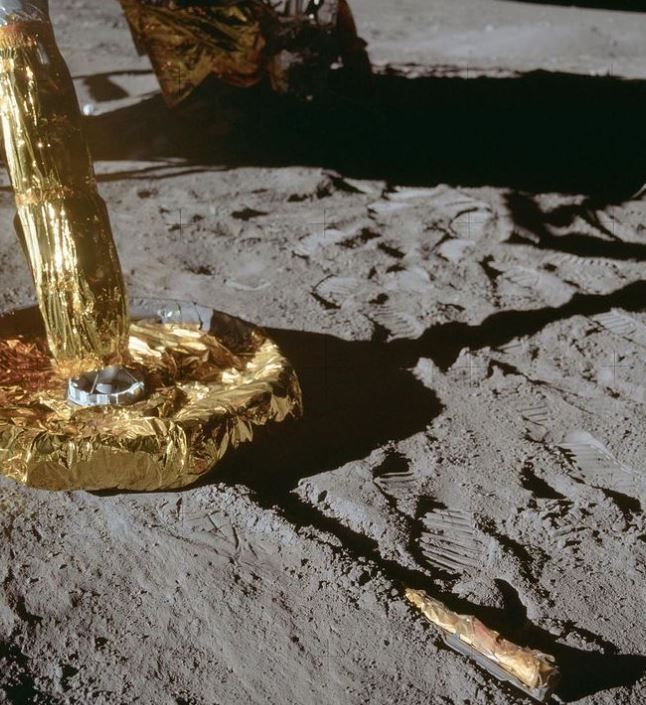
Apollo 17 astronauts brought the orange soil back to Earth and researchers immediately began investigating it. NASA was able to determine that the orange soil was the result of a volcanic eruption that took place almost four billion years prior! Can you believe it? The orange soil was a remnant of a fire fountain that sprayed molten lava into the lunar sky during the Moon’s early days and the orange volcanic beads were droplets of molten lava from the fountain that solidified and were buried by lava deposits.
New Discovery
After much speculation and looking at past lunar discoveries, in August 2020, scientists in China were finally going to reveal the answer to what the substance was—and it turns out that they weren’t too far off from what they originally thought. Gou Sheng and colleagues, who analyzed data from Yutu-2's cameras and the rover’s Visible and Near-Infrared Spectrometer (VNIS), determined in their article in the *Earth and Planetary Science Letters* journal that as expected, the substance was made up of rock.
The Material
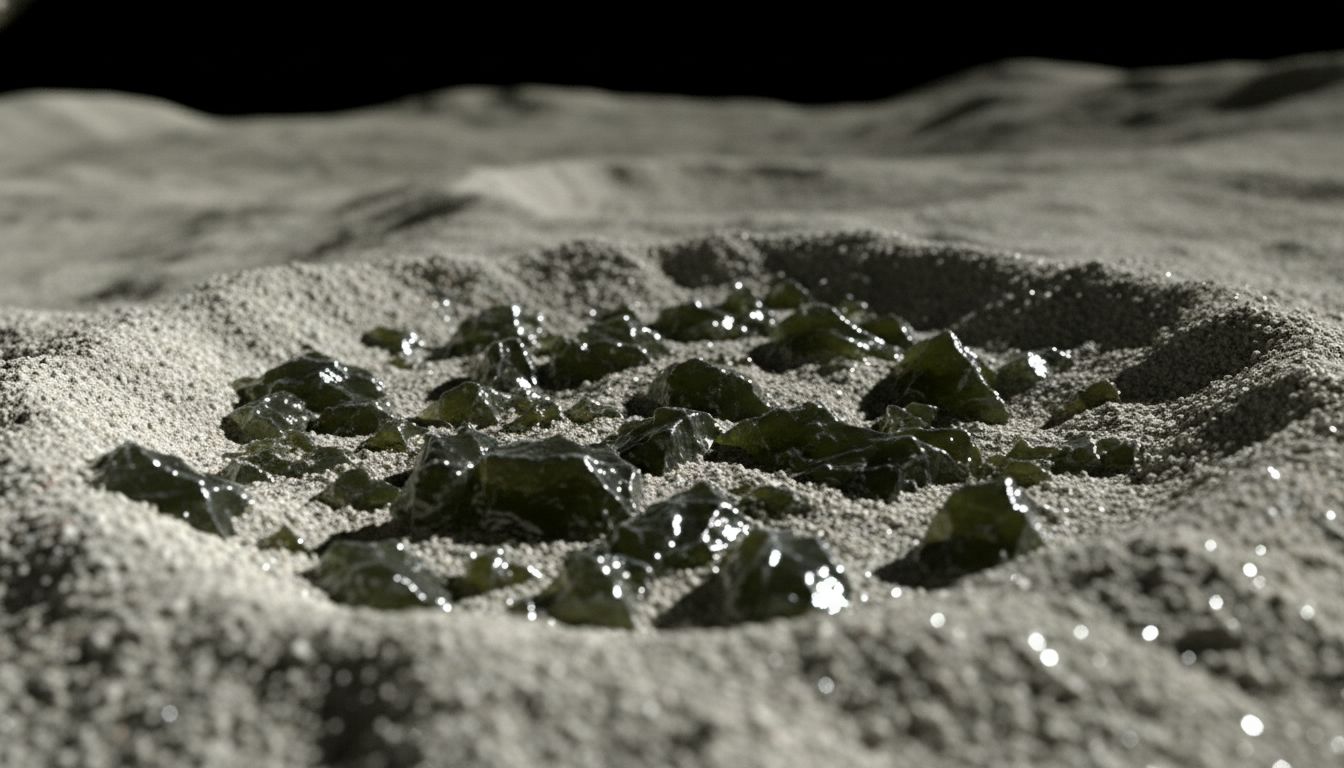
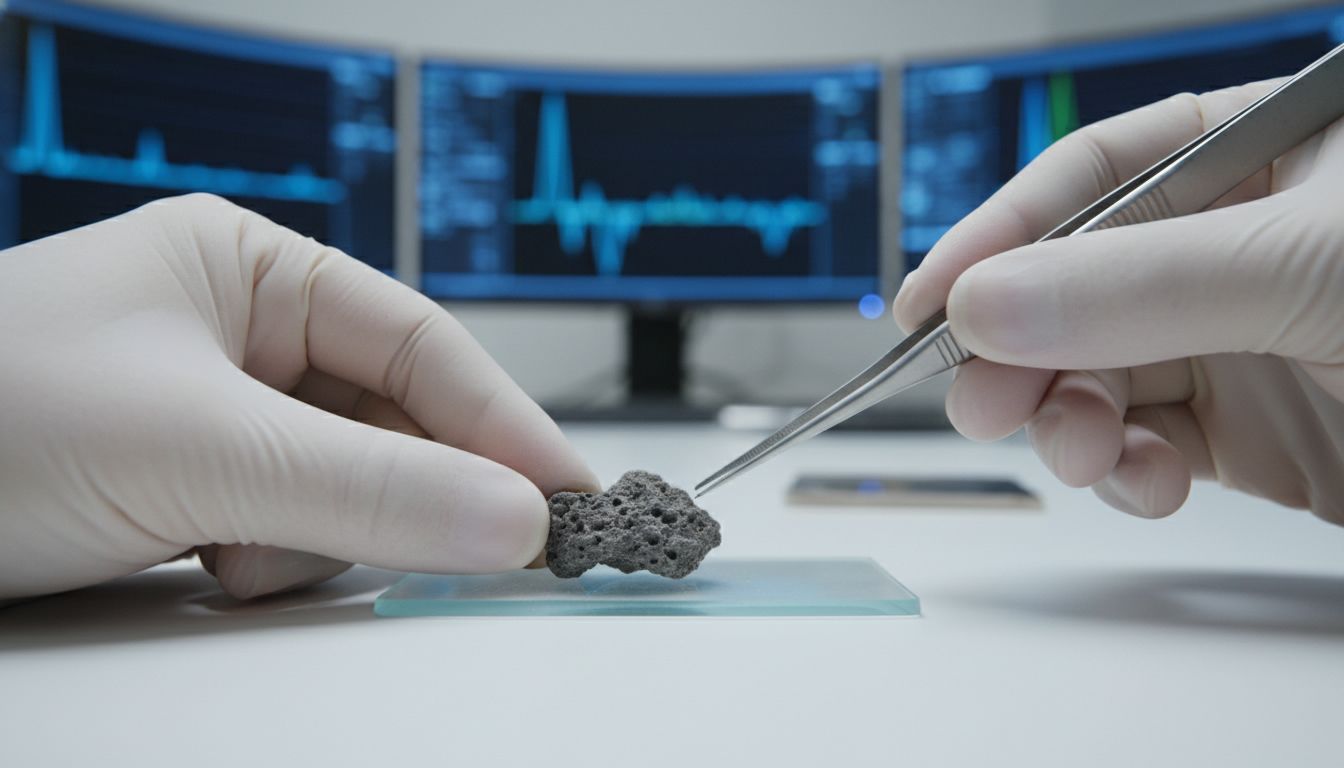
The authors of the article described the material as a “dark greenish and glistening impact melt breccia” that measured 20 inches by 6 inches. The features are signs of the possible presence of glasses, which usually occur after volcanic eruptions or impact melts. According to the paper, the breccia—a broken fragment of minerals cemented together—was “formed by impact-generated welding, cementing and agglutinating of lunar regolith and breccia.” But that’s not all they concluded—the breccia resembled the lunar impact melt returned by past Apollo missions.
Apollo Missions
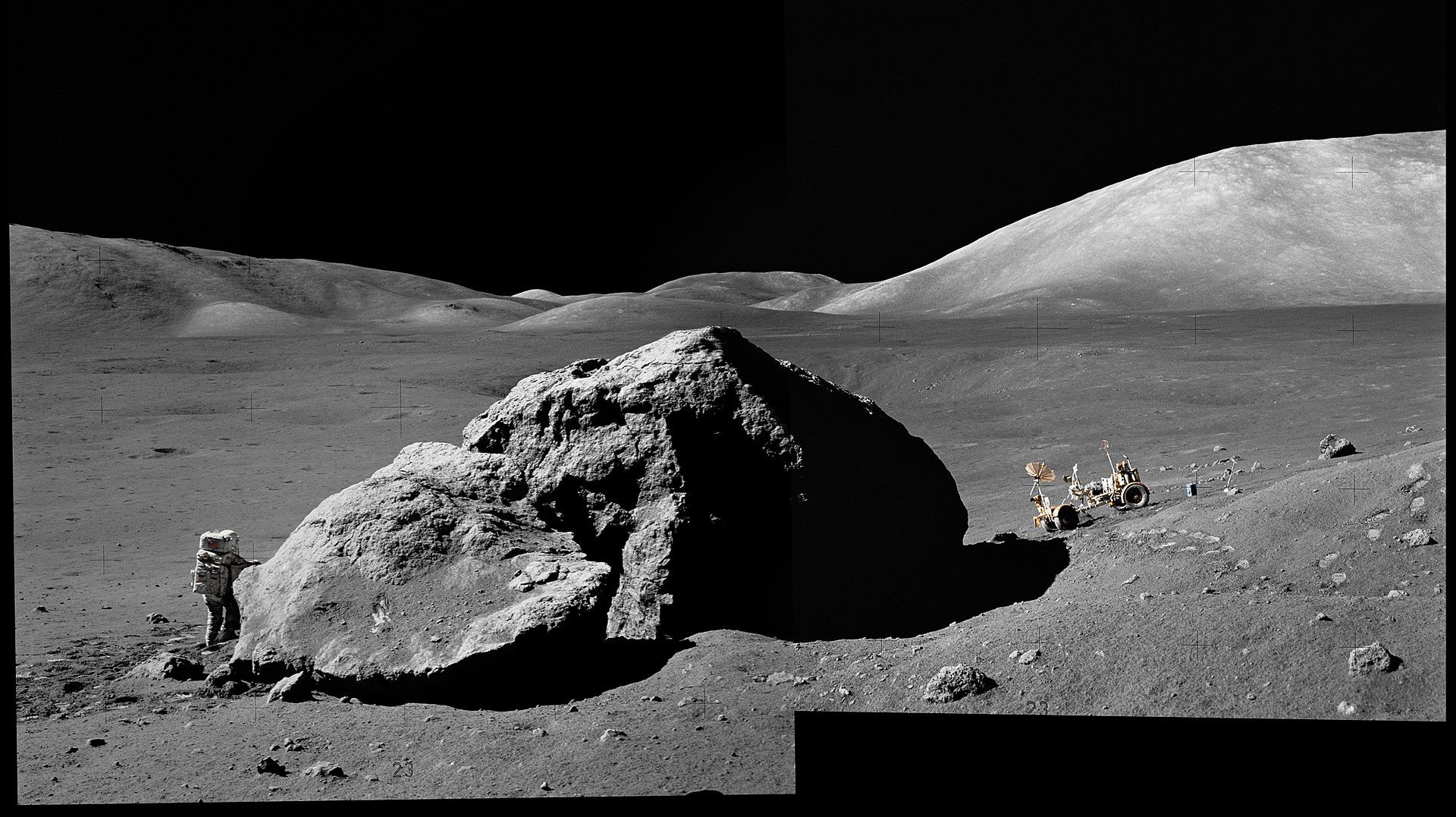
The experts were on to something when they started looking at discoveries from past lunar missions, especially NASA’s Apollo missions. But instead of being interested in the orange soil, the authors of the article were interested in another discovery that astronaut and geologist Harrison “Jack” Schmitt made on the Apollo missions. The material resembled the Apollo samples designated Sample 70019 and 15466, which were impact melt breccia samples returned by past Apollo missions.
Bad Illumination
While the results from the analysis coincide with what scientists around the world thought, the results aren’t definitive. The analysis was limited because Yutu-2’s Visible and Near-Infrared Spectrometer (VNIS) measurements were taken under bad illumination conditions and other factors, making it hard to make any definite conclusions about the gel-like substance found in the crater. While it’s possible that the mysterious substance is glass, which occurred after volcanic eruptions or impact melts, it’s difficult to be certain about it because of the poor lighting.
“Challenging Problem”
Even though the results from the study are inconclusive, we can still learn something from it because the authors were very thorough with their analysis. Exploring an unexplored area of the Moon is challenging and this discovery by China’s Chang’e-4 was rare. “The authors do an excellent job of rigorously documenting their approach and assumptions, so their results can be understood in the context of this extremely challenging problem,” NASA postdoctoral fellow at Goddard Space Flight Center in Maryland Dan Moriarty told Space.com.
Lunar Discoveries
While there haven’t been manned missions to the Moon in almost 50 years, there are still many unmanned lunar expeditions today. Space remains a secret to us and there is tons to continue exploring. China’s Chang’e-4 made history as the first landing on the far side of the Moon where no humans have walked before and its discovery of a gel-like substance was groundbreaking, revealing mysteries about the Moon. And we can’t wait to see what other lunar discoveries are made in the future!
What We Can Learn From This
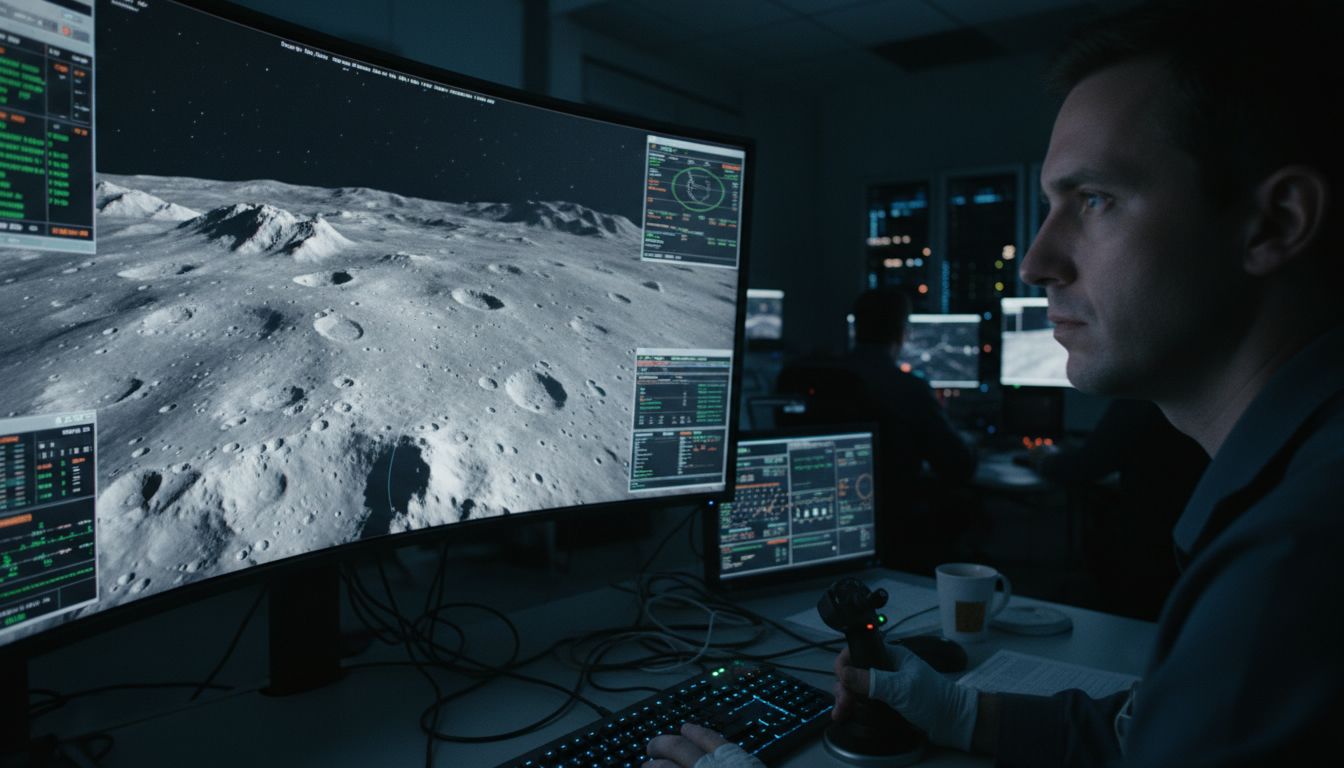
This little discovery says a lot about how we explore the Moon. A handler named Yu Tianyi spotted something odd in a photo, the team paused the rover, and scientists dug in. The finding matched known ideas about impact melts but left room for doubt because of poor lighting and limited instruments. It shows why careful, patient work still pays off on robotic missions.
Small Find, Big Questions
A dark greenish, glistening patch roughly 20 inches by 6 inches turned a routine drive into a scientific detour. The material looked like glassy impact melt breccia, similar to samples from Apollo missions, but certainty was elusive. That uncertainty is where the value lies, because it forces teams to rethink what might be hiding under the top layer of regolith. Science advances by chasing these odd, stubborn clues.
Why the Far Side Matters
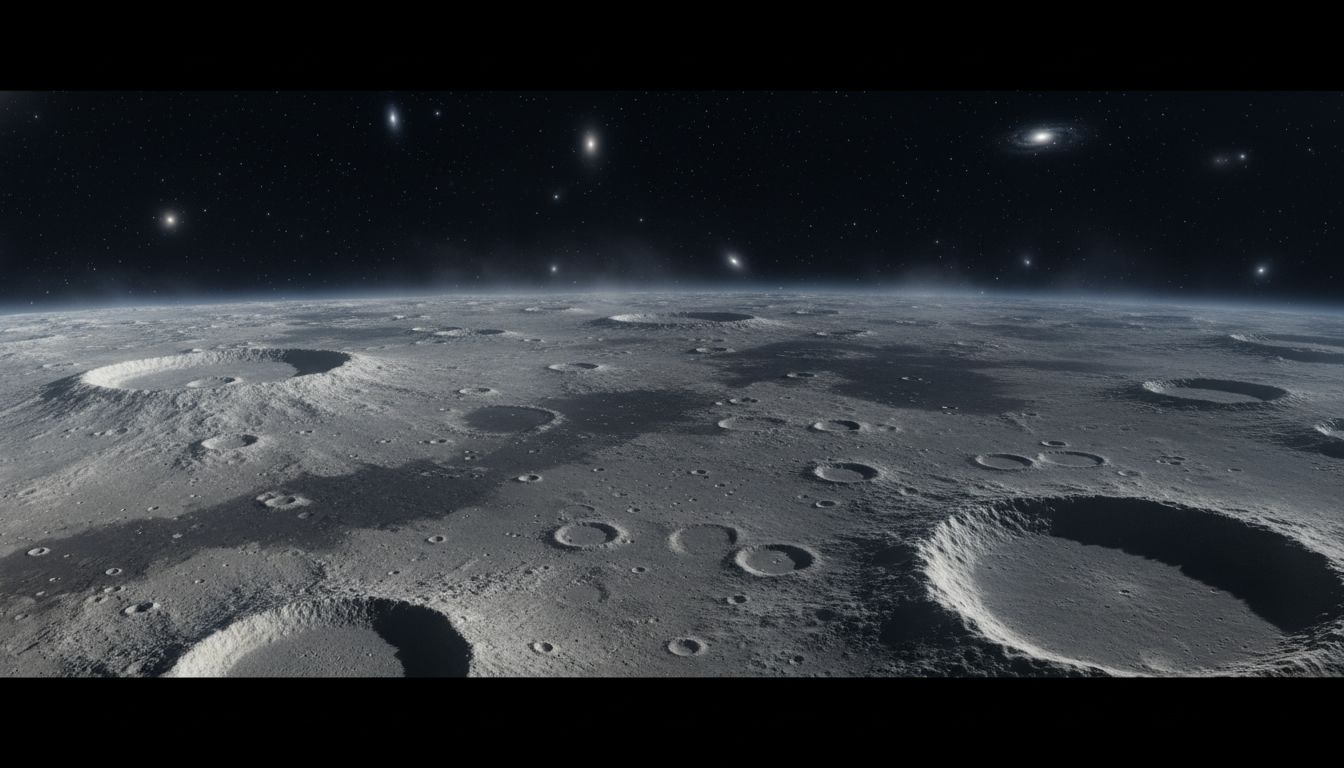
The far side is literally unknown ground, out of view from Earth and different from the near side. Chang’e-4 and Yutu-2 landed in Von Kármán crater inside the South Pole-Aitken basin to probe that difference. Discoveries there help answer questions about the Moon’s history and composition that we can’t get from orbit alone. That’s why a single unusual rock can become headline science.
The Role of Human Eyes and Machines
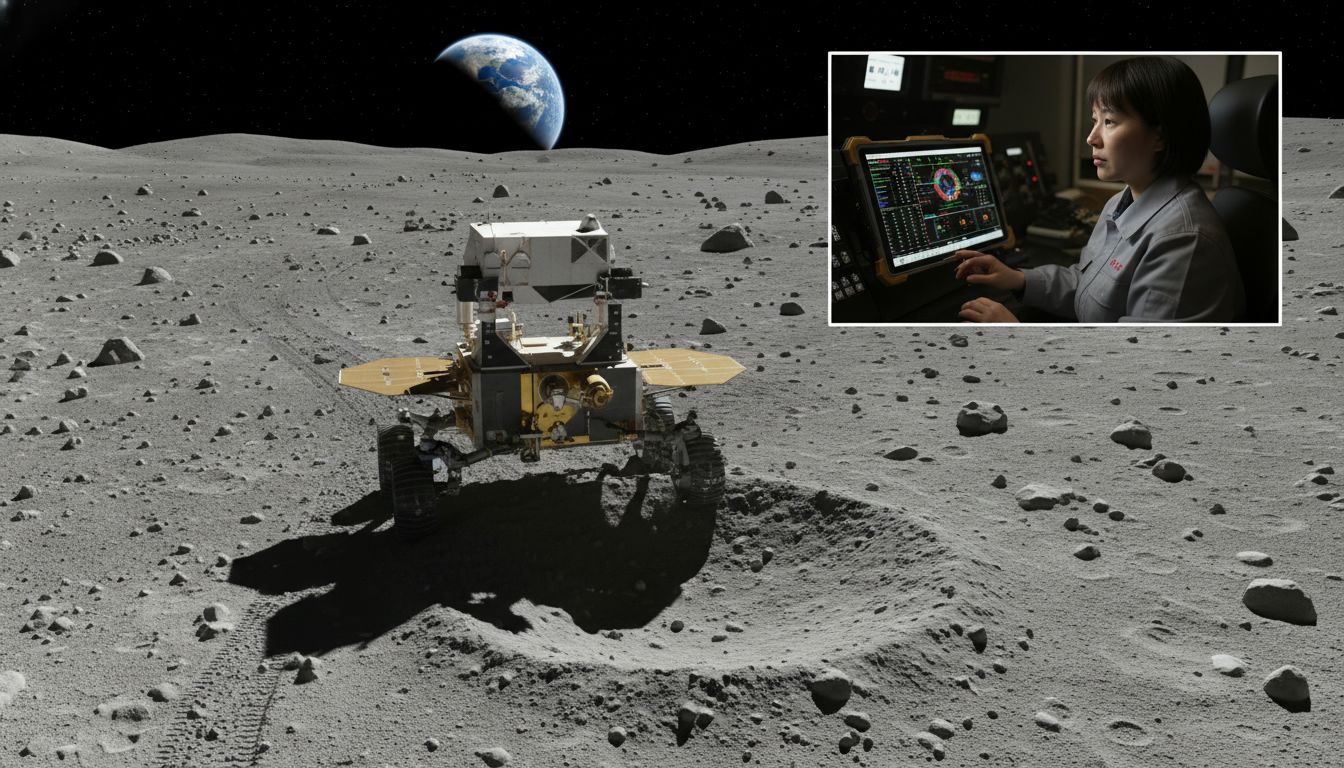
This find is a reminder that exploration is a team sport between people and robots. Yutu-2 did the driving and snapping, but Yu Tianyi and mission scientists made the call to investigate. Experts like Dan Moriarty praised the careful, transparent analysis that followed, even when the data were imperfect. That mix of technology and judgement is how real discoveries get sorted out.
Where This Could Lead
The best part is the open question. The study leaned toward impact melt breccia, but it did not close the case. Better lighting, more instruments, or a returned sample would give the final word. Until then, every new photo from Yutu-2 is a chance to find another mystery and learn more about the Moon’s violent past.