Ever wonder what truly matters most when you look back at your life? Warren Buffett has the answer.
We’ve been sold a narrow definition of success for a long time. Revenue targets, market share, titles, corner offices. Leaders climb the ladder, hit the numbers, and still feel like something’s missing. That’s because most of what we measure at work has very little to do with what actually matters in life.
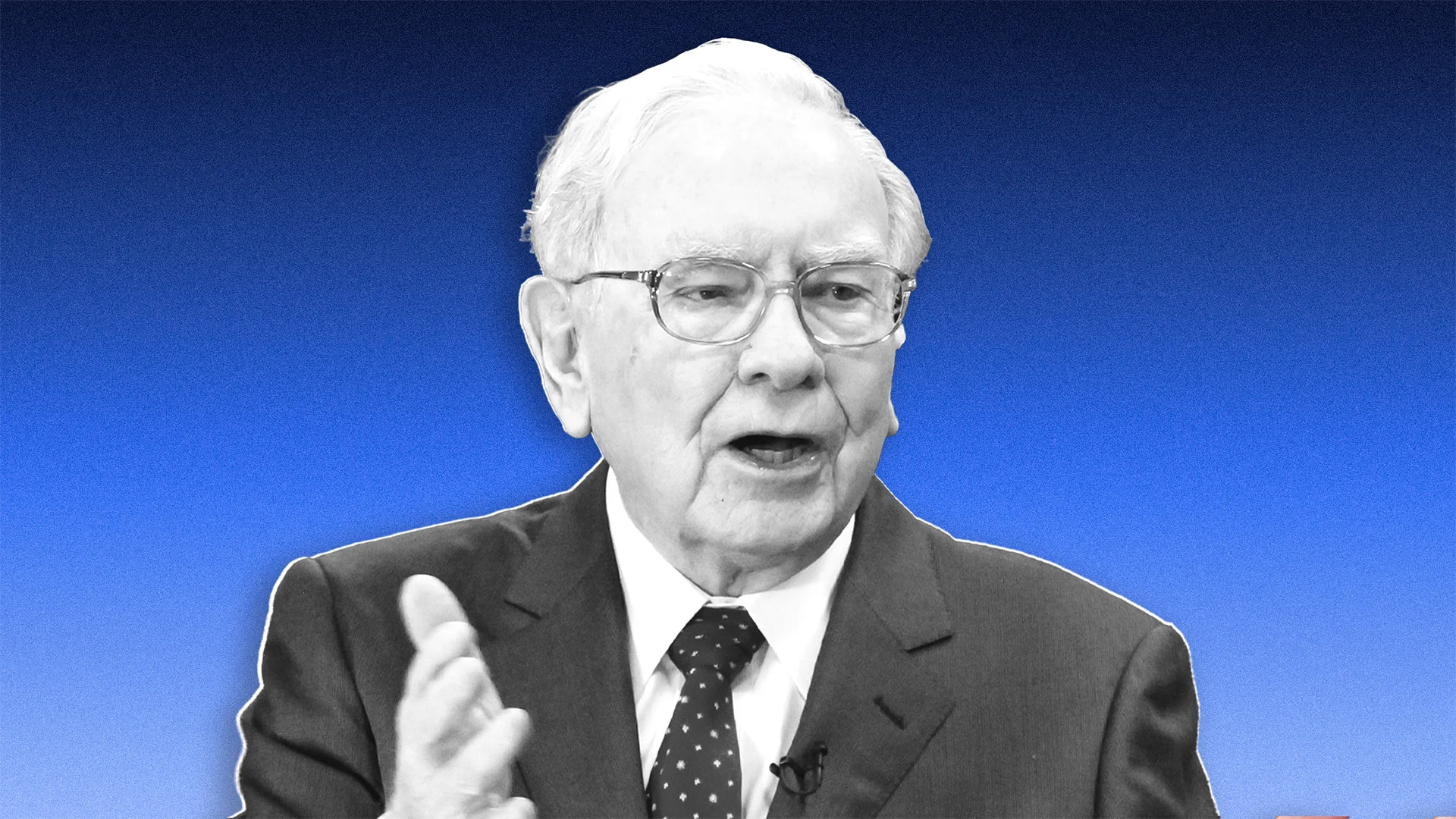
Warren Buffett has a way of cutting through all of that noise.
When you get to my age, you’ll really measure your success in life by how many of the people you want to have love you actually do love you . . . that’s the ultimate test of how you have lived your life . . . the more you give love away, the more you get.
You might think a quote with the word “love” three times shows Buffett’s sentimental side. Maybe it does, but it’s also a hard truth. That one word should make every leader stop and take inventory.
Because if Buffett is right, then a lot of high-performing leaders are failing at the one metric that actually lasts.
Bringing humanity back
Most leaders have been trained to separate performance from humanity. They think care will lower standards or accountability. They worry that showing empathy will make them look weak. So they default to control, pressure, and distance. And then they wonder why engagement drops, turnover rises, and trust disappears. I speak from experience, having reviewed exit interviews and engagement reports over the past 25 years.
Here’s the reality. People don’t give their best to leaders who don’t genuinely respect and care about them — about their well-being, their growth, and what makes them flourish on the job.
“Giving love away” in leadership may sound squishy, but it may just be your competitive advantage. And it’s far from just being cordial in morning huddles and handing out the occasional praise.
It’s about how you show up in the moments that matter.
It’s showing patience when someone is struggling instead of rushing to judgment.
It’s kindness that moves beyond words into action, especially when there’s nothing to gain.
It’s being trustworthy by doing the right thing repeatedly.
It’s checking in on your people without an agenda but because you care.
It’s giving credit freely, owning mistakes, and creating an environment where people feel safe to speak their truth, not just agree with you.
These aren’t abstract ideals. They are evidence of how the world’s best leaders show up in very practical ways.
And here’s where Buffett’s insight hits hardest.
You can’t fake this
People know when they feel valued and when they are being managed like a resource. Over time, they decide how much of themselves they’re willing to give based on how they are treated.
Studies show that leaders who build trust and real connection see higher levels of discretionary effort, stronger collaboration, and better long-term performance. In other words, love, when practiced as intentional and practical care and respect, is not a liability. It’s a performance driver.
But it requires a shift. You have to move from seeing people as a means to an end to seeing them as the reason the end is even possible.
That’s a different mindset. And it shows up in small, daily behaviors that, over time, build something most leaders spend years trying to recover after they’ve lost it.
Trust.
Take the long view
Buffett’s quote is a long-term perspective. It forces today’s leaders to think about how they’ll be remembered. At the end of your career, people won’t talk about your quarterly numbers or your strategic pivots. They’ll talk about how you made them feel. Whether you saw them. Whether you helped them grow. Whether you stood by them when it was hard.
That’s the scorecard that sticks. So if you’re leading today, don’t wait until later in life to adopt Buffett’s definition of success. Bring it into your leadership now. Measure yourself not just by outcomes, but by relationships. Not just by results, but by the people who would choose to run through walls for you.
Like this article? Subscribe here for more related content and exclusive insights from executive coach and global speaker Marcel Schwantes.
This post originally appeared at inc.com.
“Click here to subscribe to the Inc. newsletter: inc.com/newsletters"